
Best Graphics Cards in 2025 for 1440p and 4K Gaming: RTX 50-Series vs. AMD RX 9000 GPUs
Cutting-edge NVIDIA RTX 50-series graphics cards dominate 2025 gaming with unmatched ray tracing, DLSS 4, and efficiency improvements.
Hardware by Tanvir Kabbo on Aug 26, 2025
Launch of AMD's RX 9000 portfolio and NVIDIA's RTX 50-series GPUs in 2025 will shape the gaming hardware market. Gamers may upgrade their systems at an exciting moment as both manufacturers are pushing the limits of performance, efficiency, and AI-driven upscaling.
When choosing a GPU, consideration must be given to resolution goals, performance needs, and price-to-performance value.
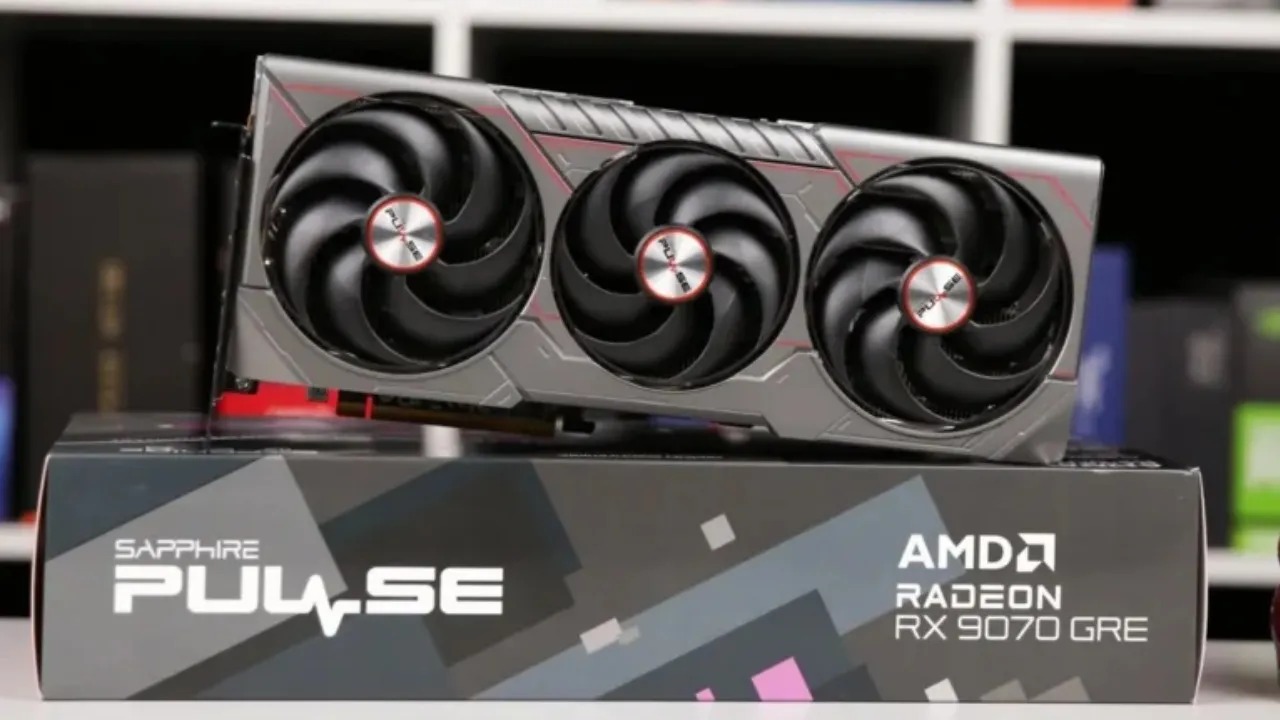
RTX 50-Series with Multi-Frame Generation and DLSS 4
DLSS 4 with multi-frame generation is introduced by NVIDIA's RTX 50-series, which is led by RTX 5070, RTX 5080, and RTX 5090. This new technology enhances smoothness at 1440p and 4K while keeping latency low, especially in competitive games.
RTX 5090 in particular redefines high-end gaming by consistently delivering above 120 fps in modern AAA titles at 4K ultra settings.
For gamers focused on ray tracing, the RTX 50-series provides the most polished experience to date. These GPUs have a distinct advantage in consistency due to driver maturity and widespread DLSS 4 deployment.
Models of AMD RX 9000 GRE and XT
For mid-to high-end gaming, AMD counters with RX 9060 XT, RX 9070, and RX 9070 GRE. Large VRAM pools—typically 16GB or more—are emphasized by these GPUs, guaranteeing fluid gameplay in VRAM-intensive games at 1440p and even 4K.
However, the efficiency and driver instability of some GRE models, such as RX 9070 GRE 12GB, have drawn criticism. Even while they play well in most games, stuttering problems in challenging games emphasize how crucial well-maintained drivers are.
When supported, AMD's FSR 4 offers superior image reconstruction; however, adoption of it is currently lagging behind DLSS 4.
Top Picks for 1440p Video Games
At 1440p, AMD and NVIDIA both provide strong GPUs. RTX 5070 is a definite leader in performance-to-value, outperforming RX 9070 GRE in the majority of benchmarks. RX 9060 XT 16GB is a good option for gamers who prioritize strong rasterization and VRAM capacity over ray tracing performance.
When paired with DLSS 4 frame generation, NVIDIA's latency-reducing technologies like Reflex give esports players a more seamless competitive advantage.
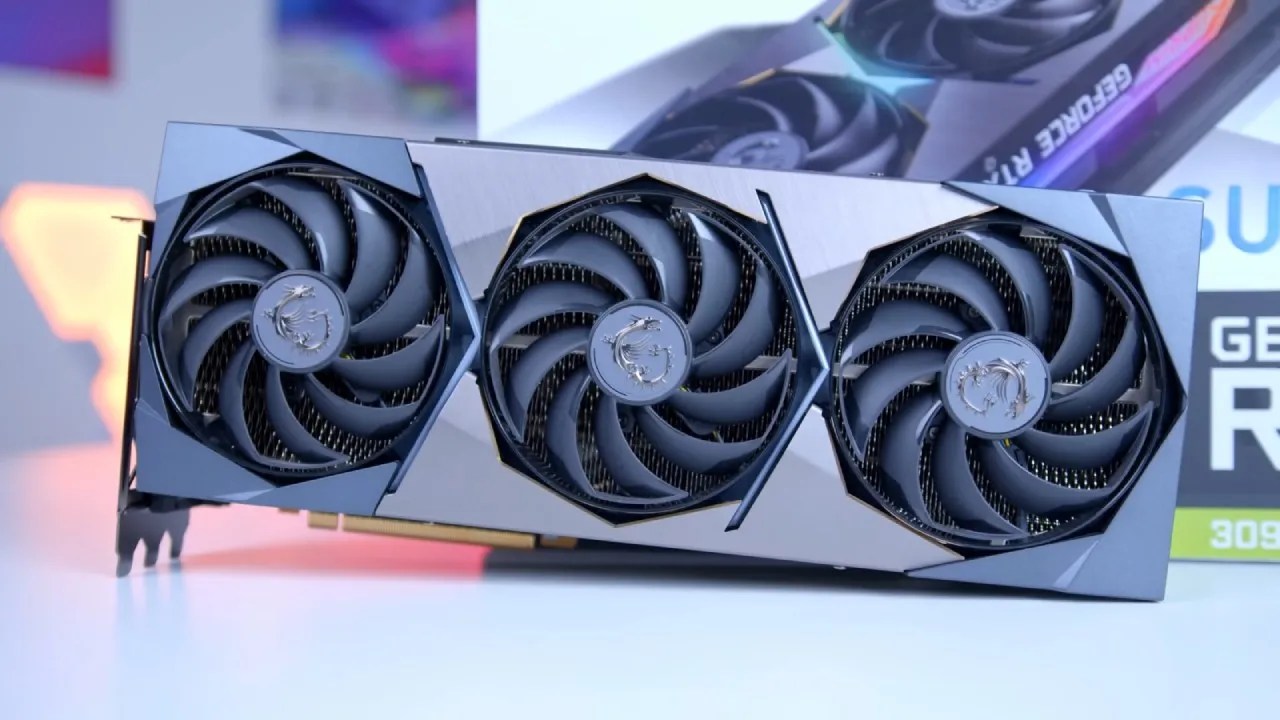
4K Gaming: Superior Performance
RTX 5080 and RTX 5090 are the best for 4K gaming. With ray tracing turned on, both cards manage extreme settings and routinely achieve high frame rates.
A powerful AMD substitute is the RX 9070 XT 16GB, although it frequently needs FSR 4 or lower graphical settings to match NVIDIA's performance.
RX 9070 GRE's lower efficiency profile and lesser VRAM capacity make it less desirable at higher resolutions than 16GB variants, despite its efforts to reach a balance.
Efficiency and Power Factors
Power efficiency is one crucial factor to take into account. RTX 50-series offers remarkable performance per watt when undervolted. Although AMD's RX 9000 series has competitive raw power, it frequently has higher power drain and necessitates manual undervolting to achieve efficiency improvements.
Overclocking and undervolting can be adjusted on both series; however, NVIDIA GPUs usually keep their edge without much tweaking.
Ray Tracing and Upscaling
Ray tracing performance is consistently better on the RTX 50-series, where DLSS 4 support and more skilled drivers result in smoother gaming. With FSR 4, AMD GPUs perform better, especially in games like Warhammer 40K Space Marine 2, although the restricted support in comparison to DLSS 4 is still a disadvantage.
Turning on either DLSS 4 or FSR 4 at 1440p provides a noticeable gain, but NVIDIA's larger adoption rate at 4K gives it the advantage for consistent experiences across numerous titles.
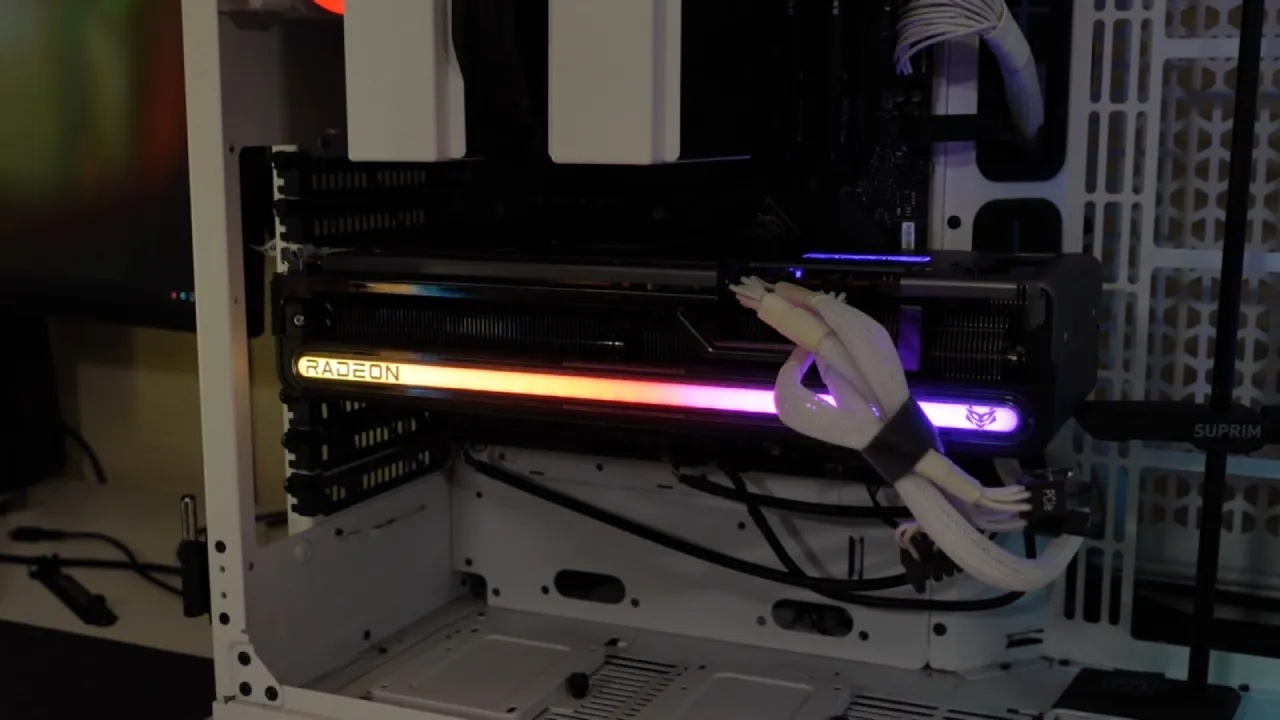
Final Thoughts
The finest GPU in 2025 will rely on your gaming objectives and budget. For 1440p gaming, RTX 5070 provides the best balance, while for 4K fans, RTX 5090 is the best. RX 9060 XT 16GB is a great mid-range AMD product, whereas RX 9070 XT 16GB competes well at higher resolutions but needs to be carefully adjusted.
Even though price positioning will ultimately determine the outcome, NVIDIA now sets the bar for 2025 high-end gaming. DLSS 4 adoption, well-polished drivers, and increased efficiency ultimately give NVIDIA's RTX 50-series a competitive advantage. AMD is still competitive in value-driven markets, especially for gamers who prefer raw VRAM capacity.
Check Our Other NVIDIA Articles:
- GeForce RTX 5090 Unleashed: Is NVIDIA's New Flagship the Ultimate 4K Gaming GPU?
- NVIDIA GeForce RTX 5080 Review (2025): Still A 4K Gaming Powerhouse?
- NVIDIA GeForce RTX 5080 Super Performance In Cyberpunk 2077: Path Tracing & DLSS 4.0 Tested
- RTX 5090 Performance Testing In GTA 5 – 1080p, 1440p, and 4K Max Settings Benchmark
- RTX 5090 Laptop Vs. M4 Max MacBook Pro: Ultimate Raw Performance Vs. Battery Endurance
- NVIDIA RTX 5070 Review: Mid-Range Muscle or Marketing Hype?
- RTX 5070 Ti Review: Performance, Thermals & Power Efficiency Tested
- Asus ROG RTX 5090 Astral OC Vs. Founders Edition: The 4K Gaming Benchmark
- ASUS ROG Astral RTX 5090 OC Edition Review: 32GB GDDR7 & 4K Gaming Benchmark
- ASUS GeForce RTX 5090 LC Liquid Cooled GPU Review: Unmatched Silence & Speed
Senior Editor, NoobFeed
Gaming Hardware Updates
No Data.