
Future of Console Gaming: Rising Costs and Slowing Innovation
Rising console production costs and extended development timelines are reshaping the financial and creative landscape of modern gaming.
Hardware by Tanvir Kabbo on Nov 03, 2025
It's now unclear what will happen to console gaming in the future. As rumored, the cost of making the next generation of consoles, such the PS6 and the next Xbox, is likely to go up a lot because they will have more powerful and expensive chipsets. The 2nm and 3nm fabrication techniques at TSMC cost a lot more than the 6nm process. As a result, the retail price of future consoles could exceed what we've seen before.
The PS6, for example, might end up costing more than the PS5 Pro, creating serious questions about market sustainability and developer adaptation.
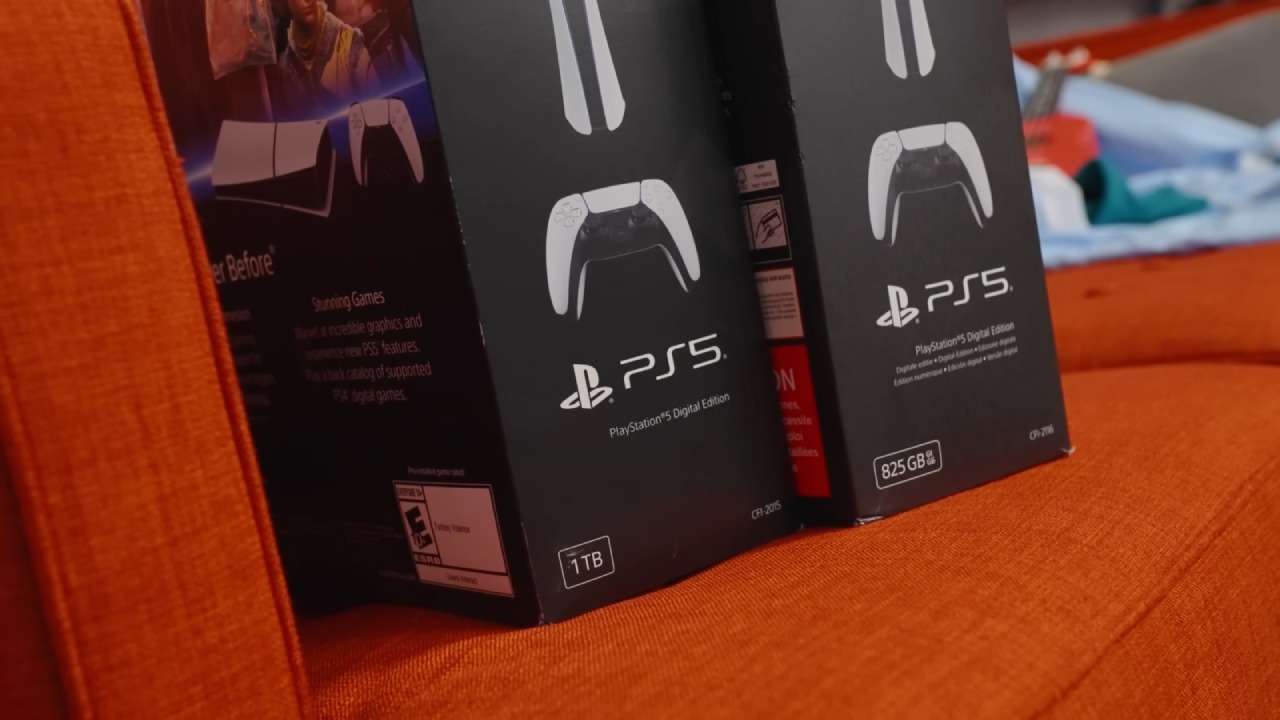
Rising Cost of Hardware and Its Implications
For a long time, technical advancement meant better performance and lower production costs. But that balance is shifting. We're in a time where improved performance costs more, and the savings that used to come with new chip generations take longer to show up. Inflation has made things worse, especially since the pandemic, making it almost impossible to make up for growing prices.
Nevertheless, gaming has become a popular way to have fun, and consumers seem more eager than ever to pay for good experiences. We can already see this reflected in the PC market, where graphics cards, CPUs, and other components have grown more expensive yet continue to sell in large volumes. The passion for gaming is still strong—it's just becoming more expensive to sustain.
Challenge of Defining a "Next-Gen" Experience
We're getting close to a very important question: what does "next-generation" mean for consoles in today's market? When it comes to producing games, hardware problems aren't the biggest issue anymore. As development procedures get more complicated, studios have a hard time keeping up with the constant changes in hardware. Games are now taking 5 to 7 years to complete—essentially an entire console generation—making it increasingly difficult to justify the rapid release of new hardware.
We've entered a strange situation where cross-generation titles may dominate for longer than ever before. Developers are likely to continue releasing games that can scale between old and new consoles, simply because the cost and time required to build truly next-gen experiences are too high. The challenge for console makers like Sony and Microsoft is to create excitement around new systems that, on the surface, may not offer a transformative experience.
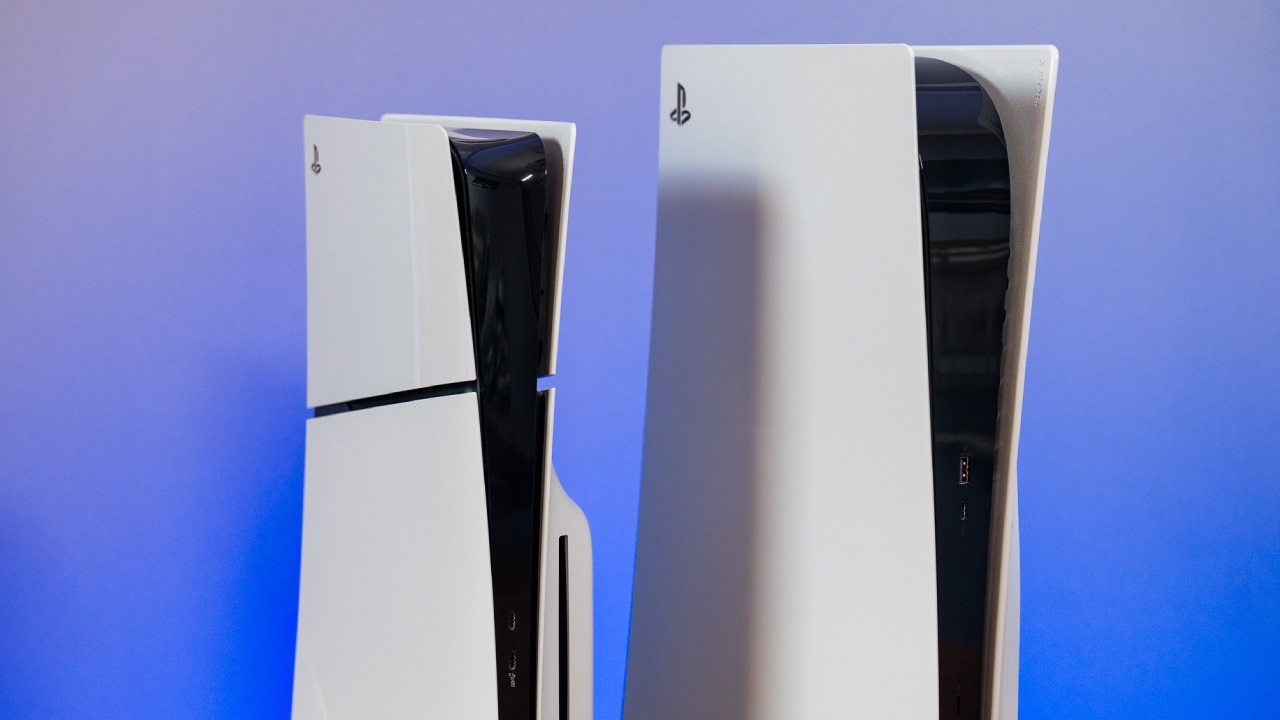
Problem of Long Cross-Generation Cycles
Extended cross-generation periods create another issue: player trust and investment. When the same games release across multiple console generations, it becomes harder to persuade consumers to upgrade. Why move to a PS6 if the same titles play perfectly well on a PS5 or PS5 Pro?
Games designed exclusively for next-gen consoles may be delayed for years after a platform's release. That means that someone who buys a PS6 early would not be able to use all of its features until the next generation is already being discussed. This makes things unclear and slows down adoption, which hurts both developers and hardware makers.
Microsoft's Transition Toward a PC-Like Ecosystem
Microsoft's aim appears to be aligning its console and PC experiences more closely. The Xbox ecosystem is expanding more like a PC, making it easier for players to enjoy games across multiple platforms. While this could give flexibility for users, it also raises questions about what genuinely defines a "console" anymore.
Suppose consoles begin to resemble PCs in function and price. In that case, they may lose some of the simplicity and identity that made them appealing in the first place. Still, this transition could provide a bridge for those who want powerful gaming without committing fully to a desktop setup.
Struggle to Excite Players for Next-Gen Consoles
One of the toughest challenges facing console makers now is how to excite players for the next generation. When the PS5, PS5 Pro, PS6, and possible handheld versions all have the same game libraries, the differences between them become less clear. For fans, new hardware features like path-traced graphics might be fascinating. Still, most players probably don't care that much about better lighting or marginally clearer graphics.
Before PSSR (PlayStation Spectral Super Resolution) was announced, there were already similar discussions about the PS5 Pro. If there aren't any big changes, the difference between generations could feel a little. Suppose Sony and Microsoft can't come up with experiences that are truly unique and go beyond just better graphics. In that case, it may be harder than ever to get people to upgrade.
.jpg)
Market at a Crossroads
Console gaming is at a point wheree it has to decide whether to try new things or maintainthe status quohey are. As costs rise and development cycles lengthen, the industry must find new ways to strike a balance between scientific ambition and financial prudence. Players still view gaming as a major hobby, but both hardware makers and developers are finding it increasingly challenging to create next-generation experiences that feel worth the investment.
The coming years will determine whether the traditional console model can adapt or whether the industry evolves into something entirely new.
Also, Check Our Other PS5 Pro Articles:
- PS5 Pro vs. PS5 Slim: Frame‑Rate, Graphics & Performance
- PS5 Pro vs. Radeon RX 9060 XT vs RTX 5060 Ti: Ultimate $700 Gaming Showdown
- ASUS ROG Ally PS5 Remote Play | How to do Remote play on PS5 Using Sony's Official Remote Play App
- Stream PS5 Games on Steam Deck OLED: Step-by-Step Installation and Configuration
- AI Upscaling on PS5 Pro: Can PSSR Finally Match DLSS?
- PS5 Pro vs. PS5 Slim vs. PS5 — Design, Storage, Specs, and Gaming
- PS5 Pro vs. Xbox Series X: Specs, Price, Storage, Customization, and Gaming
- PS5 Pro vs. PC Gaming: Comparison of Graphics, Frame Rates, and Price
Senior Editor, NoobFeed
Gaming Hardware Updates
No Data.