
DDR5 Price Surge Creates Warranty Crisis for Memory Replacements
Manufacturers adjust warranty practices as DDR5 costs surge, leading to refund-based resolutions instead of direct replacements.
Hardware by Nahe Yan on Mar 19, 2026
Right now, it's not just about DDR5 memory costs rising; kits can cost up to five times as much as they did six months ago. There is another problem as well.
People who bought a memory kit for less earlier may not be able to get a new one if it breaks. Instead, customers might get a refund based on the initial purchase price, which is significantly cheaper than what the same kit costs now.
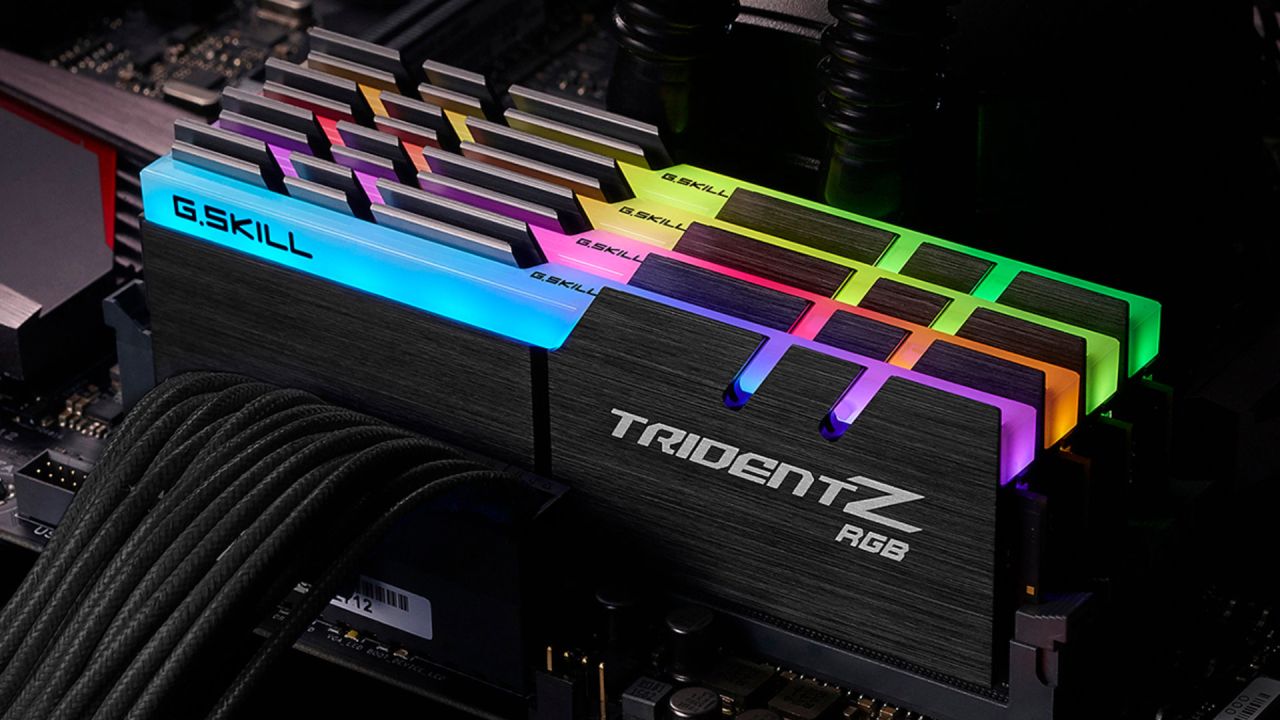
Fine Print and a Limited Lifetime Warranty
Memory makers offer a warranty for a certain period. When you look at the details, it's evident that the phrases can be hard to understand. Some brands say right away that the resolution can be based on the lowest available replacement value. This means that if the price of RAM goes up, the user may only get back the amount they paid for it in the first place.
Other manufacturers talk about their warranty policy in a way that makes it sound like they don't want to lose money. This makes it unclear whether a replacement or a refund will be given.
Changes to the Model and Avoiding Replacements
Even if the hardware stays the same, we are seeing vendors release fresh versions of the same memory kits. This makes it seem like earlier models are no longer available. The company can say that the original model is no longer available and give a refund instead of a replacement if a warranty claim is lodged.
This method becomes more important when prices go up fivefold, as replacing the product would cost the company money.
How Prices Affect Warranty Claims
A customer bought a 32GB DDR5 kit for $155. The same type of gear costs about $700 now that it's broken. If the user gets a refund instead of a replacement, they have to pay the difference, which is a lot.
From the store's point of view, replacing the item also means losing money if the current stock is significantly more expensive than when it was first sold.
Taking care of Warranties and Talking to Customers
How the problem is dealt with is important in these situations. If a product is found to be defective, there are other options beyond a direct refund that could be considered. For instance, if only one memory stick is broken, the working stick could be sent back. In contrast, the broken one is being processed independently.
Another choice is partial compensation, which merely fixes the broken part. This costs the user less than buying a whole new piece of equipment.
Memory Loss Over Time
The way memory works can alter over time. After a long time of use, a kit rated at 6000mhz may no longer function at that speed. Instead, it should run at a lower frequency, like 5800mhz. This doesn't always mean that it has completely failed, but it could still make it harder to use.
We need to determine whether the problem is a full failure or just a performance drop. You can test and change the settings to see if the memory still works with different setups.
How to Handle Warranties
Different companies manage warranties in different ways. Sometimes, manufacturers provide extra units to stores so they may repair broken ones right away. This happens a lot with cheaper things.
Another way is to mail the thing back to the maker after trying it. After that, the maker gives a replacement or a remedy.
A third way is to use distributors. The retailer sends the broken item to the distributor, who then talks to the manufacturer. If a replacement isn't available, the distributor may issue a credit, allowing the consumer to get their money back.
Problems with Supply and the State of the Market
The rise in DDR5 prices has made it financially hard for everyone involved. Depending on how the warranty is handled, manufacturers, merchants, and customers could all lose money.
In the past, some parts' prices rose by as much as 3 times. Now, DDR5 prices have risen by as much as 5 times for popular models. This makes it harder to handle warranty replacements.
Reliability and Failure Rates
From what I've seen, DDR5 memory can fail about 2% of the time. This includes times when modules won't start up or have problems over time. Even though the percentage is tiny, each failure is more important because fixing it costs a lot.
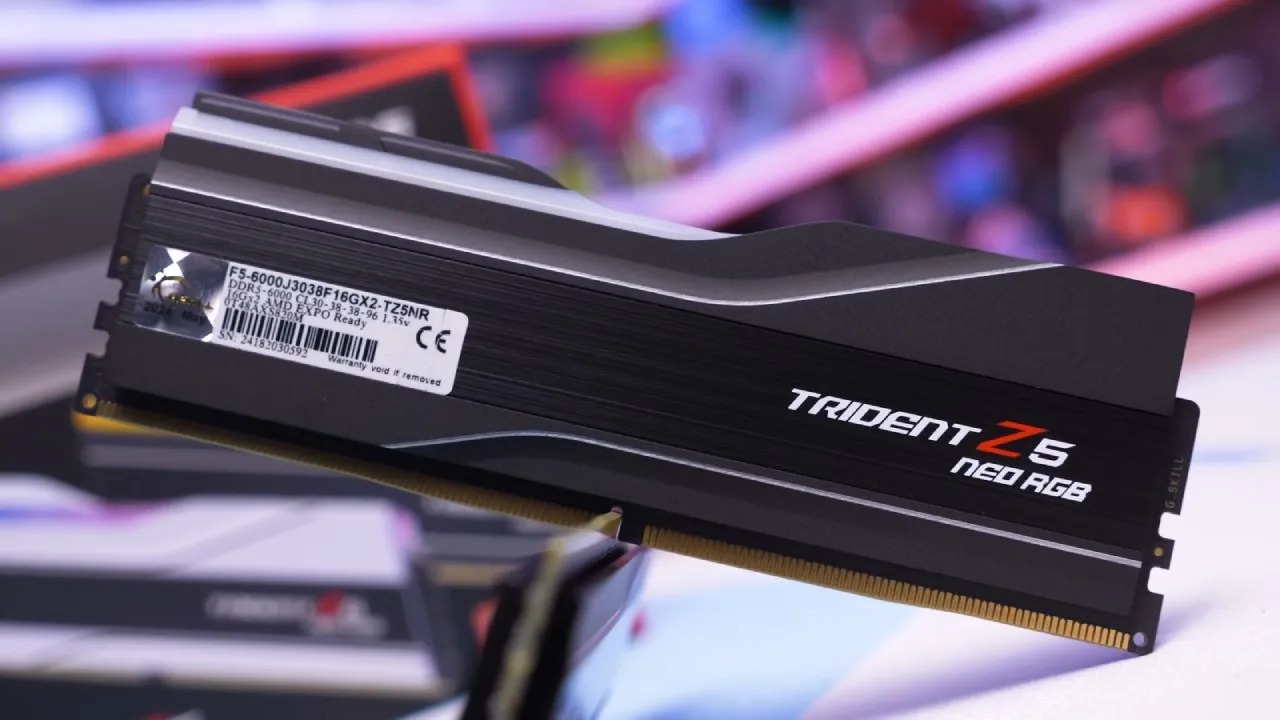
Need for Real-World Answers
In many cases, a direct refund might not be the best option. The customer and the store should work together to find a solution that works.
We can consider options such as splitting the difference in cost or offering partial replacements. You should expect some level of flexibility, especially if the problem isn't created by overuse but by a product that doesn't work.
Final Thoughts
The present DDR5 market has made it hard to handle warranties because prices are rising so quickly. Limited lifetime warranties don't always promise a straight replacement, and claims are even harder to make when models change.
We need to talk to each other more clearly and come up with practical ways to handle these situations. Before you buy something, you should know the warranty terms and what could happen. This is especially important in a market where prices can fluctuate significantly.
Also, check our other hardware articles:
- AMD Ryzen 9 9950X3D Review: Setting The Standard For 2025 Gaming CPU
- Amazon Luna 2025 Review: Is Prime Gaming's Cloud Service Your Go-To For Casual Fun?
- AMD RX 9070 XT Review: AMD's RDNA 4 Champion for 1440p Gaming
- GeForce Now Ultimate: Ditching Your Gaming PC For Cloud RTX 4080 Power?
- NVIDIA GeForce RTX 5080 Review (2025): Still A 4K Gaming Powerhouse?
- Intel Core Ultra 9 285K Review And Performance Breakdown (2025)
- AMD Ryzen 7 9800X3D Review: 3D V-Cache Goes God Mode with Stunning Gaming Performance
- Intel Core Ultra 9 285K vs AMD Ryzen 7 9800X3D: In-Depth Gaming Performance and Benchmark Comparison
- NVIDIA GeForce RTX 5080 Super Performance In Cyberpunk 2077: Path Tracing & DLSS 4.0 Tested
- AMD Radeon RX 9070 XT In Cyberpunk 2077: Ray Tracing & FSR 4.0 Tested
- Intel Arc B580 Review: The $250 GPU Revolutionizing 1440p Gaming
- Intel Arc B570 Vs. B580: Value, Specs, And Real-World Gaming Performance
- RTX 5090 Laptop Vs. M4 Max MacBook Pro: Ultimate Raw Performance Vs. Battery Endurance
- Intel Arc b580 Vs. RTX 4060: Game Performance And Value Analysis
- RTX5090 Hell Is Us Demo 4K Ultra Benchmark: DLSS Vs. Native Performance Guide
- NVIDIA RTX 5070 Review: Mid-Range Muscle or Marketing Hype?
- Nintendo Switch 2 Review: Handheld Performance, Features & Value Breakdown
- RTX 5070 Ti Review: Performance, Thermals & Power Efficiency Tested
- Samsung Odyssey OLED G81SF Review 2025: Ultimate 32-Inch QD-OLED Gaming Monitor
- AMD RX 9070 Performance Review: Thermals, Clocks, and Real-World FPS
- AMD Ryzen 5 7600 Review: Best Budget Gaming CPU of 2025?
- AMD Radeon RX 7800 XT Review: RDNA 3 Power For Midrange Gaming
- Asus ROG RTX 5090 Astral OC Vs. Founders Edition: The 4K Gaming Benchmark
Editor, NoobFeed
Gaming Hardware Updates
No Data.