
Real-Time GPU and Memory Pricing Guide for January 2026 – Best Value Options
Entry-level GPUs still offer decent value below MSRP, while mid-range cards continue to climb sharply in January2026.
Hardware by Tanisha Aria on Jan 24, 2026
The PC hardware market remains very unstable. There are reports that graphics card production will be canceled or phased out in silence, and that memory prices are still too high.
This creates a lot of uncertainty. There is no clear plan for when prices might level off, if ever. This summary only talks about the prices you would find for GPUs and memory kits in the real world in January 2026.
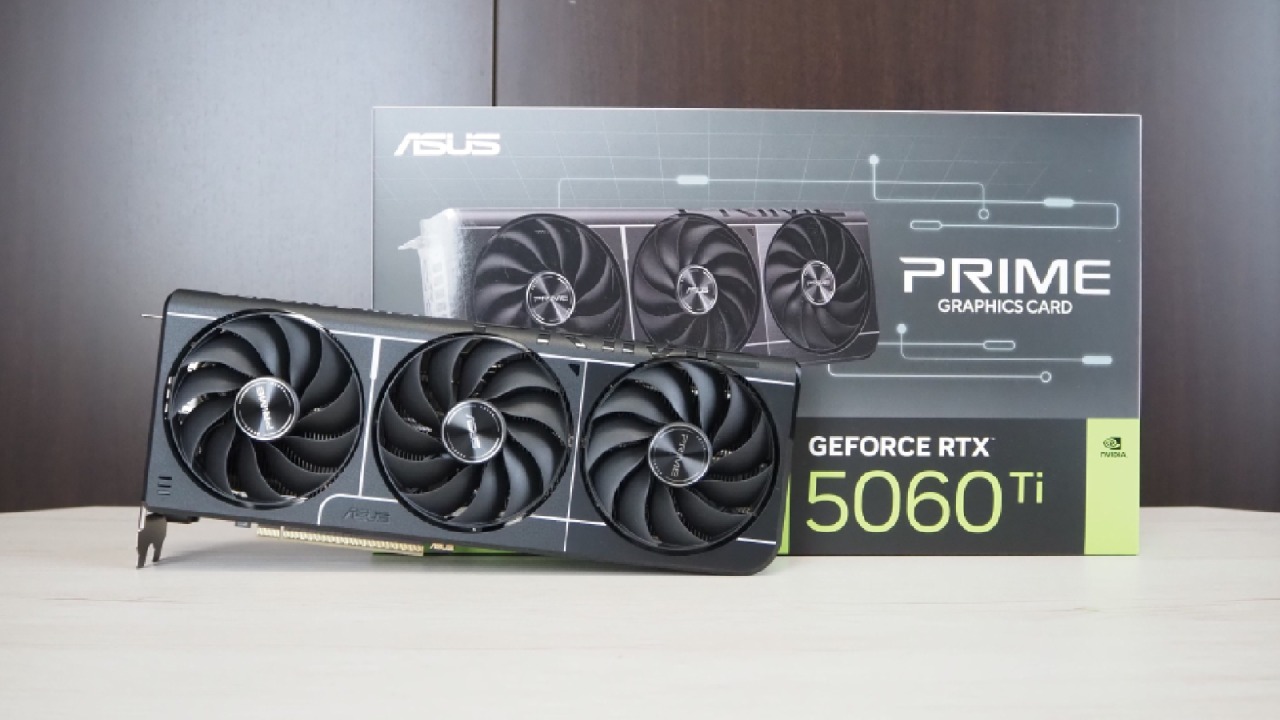
GPU Market Trends: Entry-Level Value and Midrange Challenges
The cost of high-end graphics cards is rising, but there are still some low-end options that are a good deal. The RTX 5050, RTX 5060, and RTX 5060Ti 8GB can still be bought for less than their MSRP, but their 8GB VRAM makes them less future-proof.
The RX 9060 XT 16GB is more useful in the long run, but it costs around $400, while the 8GB version only costs $310. The 16GB model's price has gone up above its original MSRP.
One of the best deals is on the Intel Arc B57010GB, which is currently $200 at a reputable store, just a bit below its MSRP of $220. It's more valuable than most 8GB options because it has 10GB of VRAM. There are deals on entry-level cards, but the prices of most mid-range and high-end cards are rising significantly, so it's important to choose carefully.
High-End GPUs: Sharp Price Increases
A lot of high-end GPUs are seeing huge jumps. The price of the RTX 5060 Ti 16GB went up by $50, and the price of the RTX 5070 Ti 16GB went up by $216. It is now more than 130% of its MSRP, and the cheapest one is now $966.
This is less than the $730 price between Black Friday and Cyber Monday. The RTX 5080 16GB costs about $300 more, and the RTX 5090 went from $2000 to $2500 in late 2025 to $3700 now.
When looking at ads, extra care is needed. Some lower prices can't be bought directly or come from sellers you can't trust, like those with bad reviews and high refund fees. Listings are only valid if they can be added to a cart right away and bought.
A Look at Memory Prices: A Look at the DDR5 and DDR4 Market
The price of memory has kept rising, but lower-tier options have seen small price drops. Prices for DDR5 kits, especially 32GB and 64GB models, remain much higher than before the crisis. The least expensive 32GB DDR5 kit dropped from $261 to $251, but prices are still about $170 higher than they were in September and October, which is more than 300% higher than they used to be.
There are also more high-performance DDR5 kits on the market. A good 32GB kit now costs $361, and a good 64GB kit has gone up by $122. Good kits can now cost $750 or more, which is about 357% of what they cost before the crisis. The price increases for 64GB kits on a budget were smaller, leaving a $200 gap between performance-focused options and cost-focused options.
However, DDR4 is still a cheaper option. A 32GB DDR4 kit costs about $160 to $180, while a DDR5 kit costs $250 to $325. There are only minor differences between faster and slower DDR4 kits, so it is still worth buying DDR43000 or DDR43200 kits instead of ones that offer much slower performance.
.jpg)
Optimizing Memory Purchases
If you care more about memory space than speed, cheap DDR5 kits can help. One example is a 64GB DDR5 CL40 kit that costs $533, while a faster version costs $700. For DDR5, slower kits with a little higher latency might work well for workstations, making content, or doing a lot of things at once without having a big effect on speed.
Manufacturers are increasingly selling memory directly through their own stores, making this a growing trend. This means they have to pay more for customer service and returns, but it helps them make the most money, especially when they offer deals. Builders on a tight budget can save a lot of money by keeping an eye on these direct sales.
Pricing Methodology and Data Accuracy
The prices come from a lot of research on PCPartPicker, where the 10 cheapest listings for each graphics card and memory kit were analyzed. Listings from third-party sellers that you can't trust or that have very few comments are not included.
Prices are shown only for items that can be bought and shipped without any issues. To put things in perspective, past lows are used to compare average prices in December 2025 and January 2026.
This method ensures you get accurate, useful price information rather than guesswork or false numbers, so you can make sensible choices about what to buy.
Final Thoughts on the January2026 Market
This month, it's still hard to find your way around the GPU and memory markets. There are deals for people who are just starting out, and if you shop around, you can save money, especially on DDR4 or cheap DDR5 memory kits. But prices for most mid-range and high-end parts keep going up, so it's important to plan ahead and be flexible.
In this unstable market, you can get the most for your money by weighing your needs against the price and being willing to settle for slightly less speed or older specs. The best way to make smart choices and avoid overpaying for hardware is to keep an eye on price trends every month.
Also, check our other hardware articles:
- AMD Ryzen 9 9950X3D Review: Setting The Standard For 2025 Gaming CPU
- Amazon Luna 2025 Review: Is Prime Gaming's Cloud Service Your Go-To For Casual Fun?
- AMD RX 9070 XT Review: AMD's RDNA 4 Champion for 1440p Gaming
- GeForce Now Ultimate: Ditching Your Gaming PC For Cloud RTX 4080 Power?
- NVIDIA GeForce RTX 5080 Review (2025): Still A 4K Gaming Powerhouse?
- Intel Core Ultra 9 285K Review And Performance Breakdown (2025)
- AMD Ryzen 7 9800X3D Review: 3D V-Cache Goes God Mode with Stunning Gaming Performance
- Intel Core Ultra 9 285K vs AMD Ryzen 7 9800X3D: In-Depth Gaming Performance and Benchmark Comparison
- NVIDIA GeForce RTX 5080 Super Performance In Cyberpunk 2077: Path Tracing & DLSS 4.0 Tested
- AMD Radeon RX 9070 XT In Cyberpunk 2077: Ray Tracing & FSR 4.0 Tested
- Intel Arc B580 Review: The $250 GPU Revolutionizing 1440p Gaming
- Intel Arc B570 Vs. B580: Value, Specs, And Real-World Gaming Performance
- RTX 5090 Laptop Vs. M4 Max MacBook Pro: Ultimate Raw Performance Vs. Battery Endurance
- Intel Arc b580 Vs. RTX 4060: Game Performance And Value Analysis
- RTX5090 Hell Is Us Demo 4K Ultra Benchmark: DLSS Vs. Native Performance Guide
- NVIDIA RTX 5070 Review: Mid-Range Muscle or Marketing Hype?
- Nintendo Switch 2 Review: Handheld Performance, Features & Value Breakdown
- RTX 5070 Ti Review: Performance, Thermals & Power Efficiency Tested
- Samsung Odyssey OLED G81SF Review 2025: Ultimate 32-Inch QD-OLED Gaming Monitor
- AMD RX 9070 Performance Review: Thermals, Clocks, and Real-World FPS
- AMD Ryzen 5 7600 Review: Best Budget Gaming CPU of 2025?
- AMD Radeon RX 7800 XT Review: RDNA 3 Power For Midrange Gaming
- Asus ROG RTX 5090 Astral OC Vs. Founders Edition: The 4K Gaming Benchmark
Contributor, NoobFeed
Gaming Hardware Updates
No Data.