
MSI RTX 5080 Expert Review: Design, Thermals, Overclocking, and Gaming
Despite premium build quality and low noise levels, MSI RTX 5080 Expert competes poorly against lower-priced alternatives.
Hardware by Masaru Hoshino on Aug 26, 2025
MSI RTX 5080 16G Expert OC has arrived with a fresh design that MSI first showcased at Computex. The company claimed excellent thermal performance with impressively low noise levels. This isn't MSI's first attempt at an "Expert" edition card, as the RTX 40 series had its own Expert lineup, though those models were criticized for high prices, elevated temperatures, and only marginal improvements over Nvidia's Founders Edition.
With the RTX 5080 Expert, MSI aims to refine the design and deliver a card that truly justifies its premium branding.
Design and Build
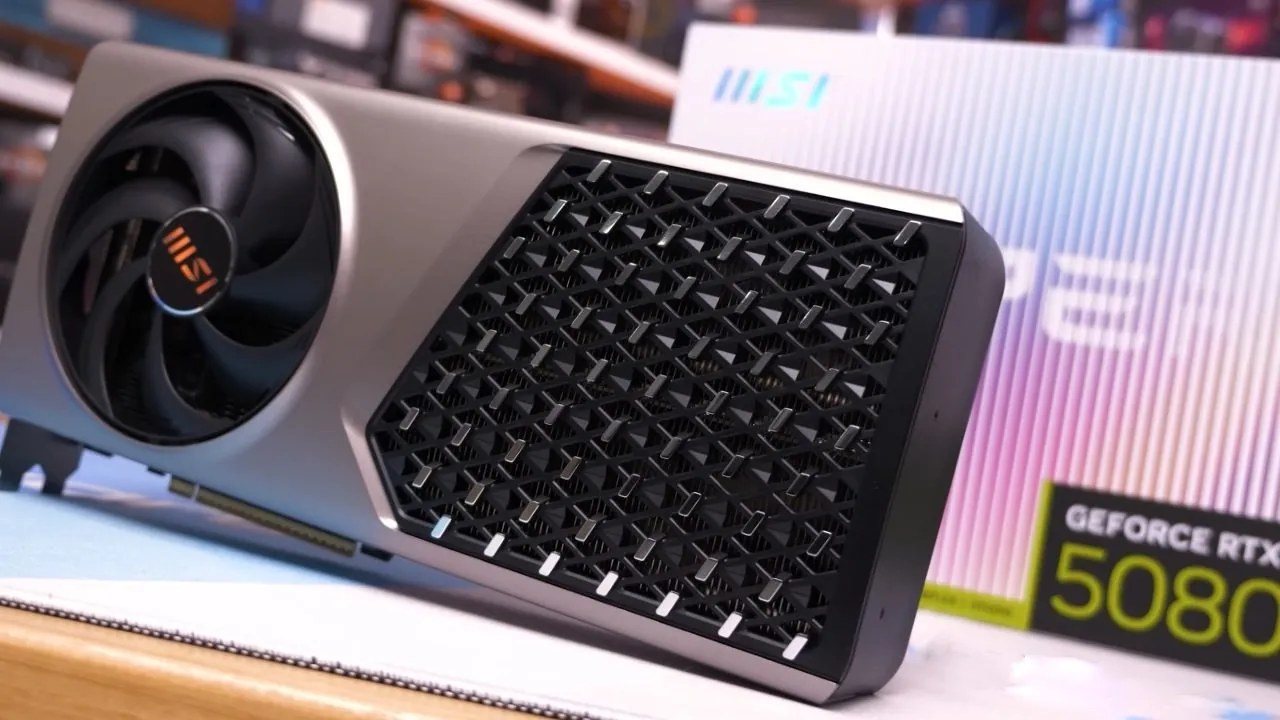
RTX 5080 Expert has minor modifications but otherwise looks similar to RTX 4080 Super Expert. The pass-through section has been redesigned with fewer chrome embellishments, but the aluminum fan shroud still has its light gold finish.
Overall, the card avoids gaudy, RGB-heavy gamer designs in favor of a sophisticated, businesslike appearance. The side design feels less clean compared to the previous generation, as black text and a black band at the top break the otherwise uniform finish.
There's a cutout for the 12VHPWR connector, covered with a removable plate that looks sleek but serves no practical purpose during actual use. One notable omission is the lack of a BIOS switch, meaning no dual-BIOS functionality on this premium card.
In terms of size, the card measures 319 mm long, 150mm tall, and 60mm wide, occupying 3 slots while intruding into a fourth. It weighs 1,898g, making it only slightly lighter than MSI's Vanguard SOC model.
The backplate is fully aluminum, sturdy, and surprisingly thick at 372g, doubling as a heat spreader with thermal pads behind the GPU. The card is fully enclosed for a premium feel, with display output options including 3 DisplayPort and 1 HDMI connector on a dual-slot bracket.
MSI has implemented a push-pull cooling system with one intake fan on the front and an exhaust fan at the rear. While most hot air is still dumped into the case, the layout is unique and functional.
Internal Design and PCB
Disassembly is simple, requiring only a handful of screws to remove the backplate and heatsink. The 840g heatsink features two fin stacks connected by six 8mm nickel-plated copper heat pipes. MSI has redesigned the vapor chamber area to maximize airflow across fins.
The compact PCB measures 180mm by 145mm, with an 11+4+3 power phase design using 50A power stages. Memory comes via Samsung's GDDR7 modules rated at 30Gbits. Aside from the 12VHPWR connector, the board features two fan headers and no RGB lighting. The modular construction makes replacing fans straightforward, even outside of warranty.
Stock Performance
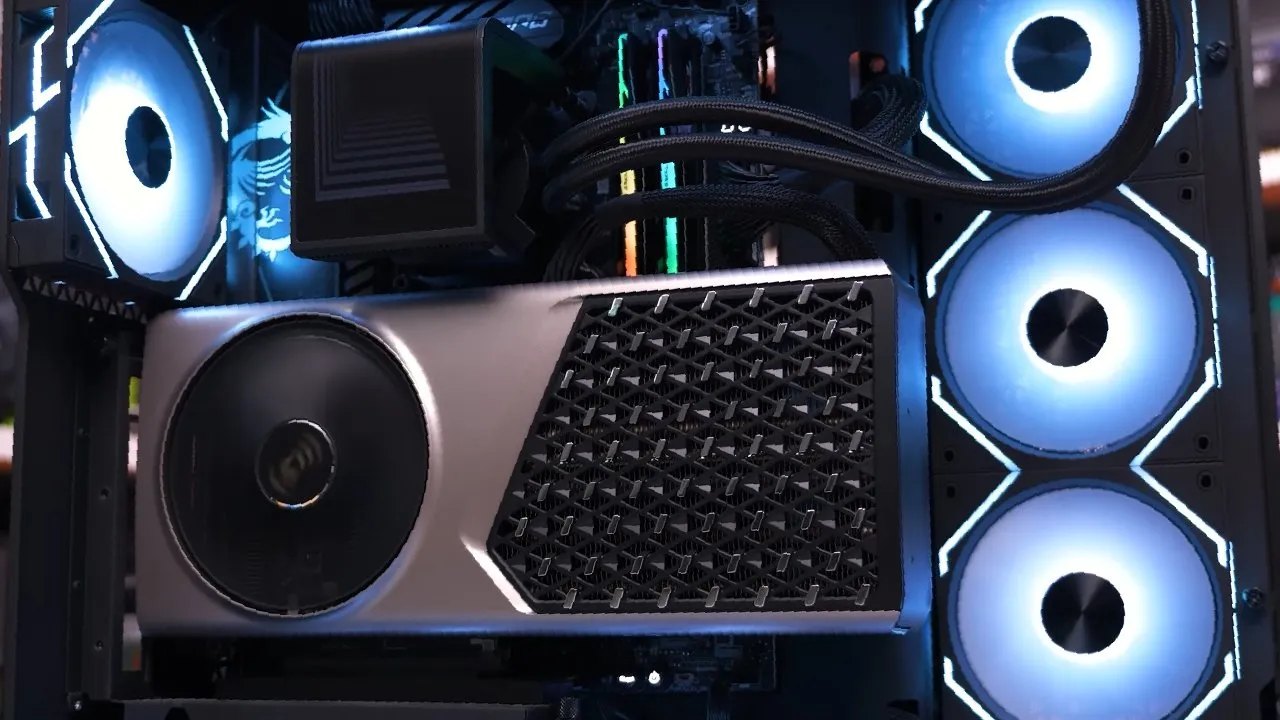
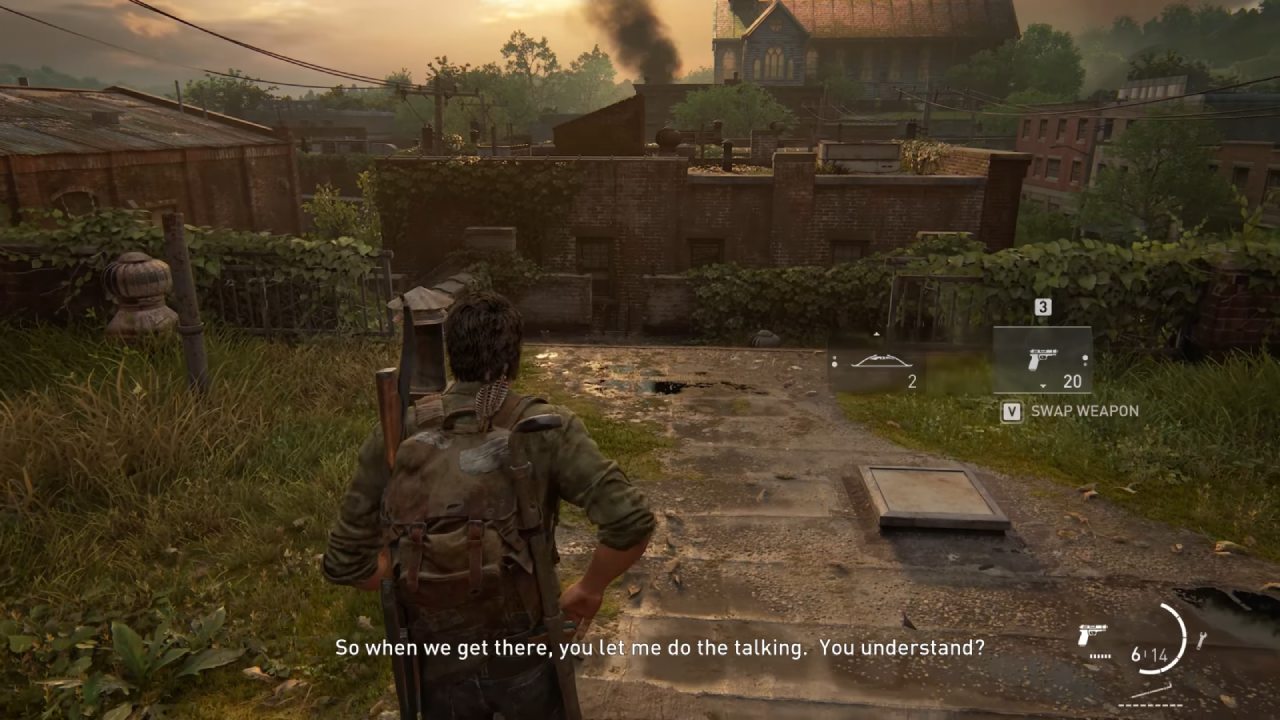
Testing in a 21°C room at 4K maximum settings in The Last of Us Part I revealed strong thermal results. With a 325W load and a fan speed of 1300RPM, the GPU reached its maximum temperature of 67°C.
Temperatures in the memory reached 68°C. Despite the lack of dual-BIOS functionality, the cooler's efficacy was demonstrated by the remarkably low noise levels.
Overclocking Performance
Out of the box, RTX 5080 Expert boosted to 2,835MHz with memory at 30Gbits. We achieved a stable overclock at 3,180MHz core and 31.6Gbits memory, raising power draw to 360W.
The GPU temperature increased slightly to 69°C, while memory stayed at 68°C. Fan speeds ramped up to 2400RPM, but noise levels remained reasonable.
Keep in mind that overclocking results can vary depending on silicon quality, so not every card will achieve the same figures.
Comparative Temperatures
Compared to MSI's Vanguard SOC, the Expert ran 7°C hotter at stock and 5°C hotter when noise-normalized. Memory temperatures were also 6°C higher under load. While Expert performs well, the larger Vanguard SOC technically offers better thermals.
Gaming Performance
Performance in gaming was identical to that of other RTX 5080s. In Dying Light 2, The Last of Us Part I, and Delta Force, the Expert matched the Vanguard SOC with average framerates of 76fps at 4K in The Last of Us Part I. There's no practical performance difference across the tested RTX 5080s.
Power Usage
RTX 5080 Expert's power draw was in line with the Vanguard SOC, averaging 325W at stock and 360W when overclocked. Measurements included PCIe and EPS rails for an accurate system-level comparison.
Pricing and Market Context
Here's where things get complicated. RTX 5080 pricing in the US is already unattractive. The cheapest available 5080s start around $1,350, with MSI's Vanguard SOC reaching $1,450. The new Expert model, however, is launching at $1,300, technically making it the cheapest RTX 5080 option in the US.
Even then, RTX 5070 Ti offers far better value. At $800 for MSI's Shadow 3X model, you're looking at a 63% lower price for only 10-15% less performance and the same 16GB VRAM buffer. This makes 5070Ti the smarter choice for most gamers.
The relatively lower price of the Expert comes from its full assembly in Taiwan rather than China, avoiding US tariffs. As a result, MSI is positioning Expert as a slightly cheaper premium card compared to the Vanguard SOC.
Final Thoughts
MSI RTX 5080 Expert is a well-built, premium-looking card with a unique aluminum design and easy serviceability. Thermals are solid, noise levels are low, and overclocking potential is impressive. However, it doesn't stand out in gaming performance compared to other 5080s, and the absence of dual-BIOS is disappointing on a premium product.
Ultimately, we can't recommend buying RTX 5080 in general due to poor value. If you're considering an upgrade, RTX 5070 Ti remains the smarter choice. The Expert only makes sense if you specifically want its professional aesthetics and aluminum finish, but in practical terms, its pricing still doesn't justify the purchase.
Check Our Other NVIDIA Articles:
- GeForce RTX 5090 Unleashed: Is NVIDIA's New Flagship the Ultimate 4K Gaming GPU?
- NVIDIA GeForce RTX 5080 Review (2025): Still A 4K Gaming Powerhouse?
- NVIDIA GeForce RTX 5080 Super Performance In Cyberpunk 2077: Path Tracing & DLSS 4.0 Tested
- RTX 5090 Performance Testing In GTA 5 – 1080p, 1440p, and 4K Max Settings Benchmark
- RTX 5090 Laptop Vs. M4 Max MacBook Pro: Ultimate Raw Performance Vs. Battery Endurance
- NVIDIA RTX 5070 Review: Mid-Range Muscle or Marketing Hype?
- Asus ROG RTX 5090 Astral OC Vs. Founders Edition: The 4K Gaming Benchmark
- ASUS ROG Astral RTX 5090 OC Edition Review: 32GB GDDR7 & 4K Gaming Benchmark
- ASUS GeForce RTX 5090 LC Liquid Cooled GPU Review: Unmatched Silence & Speed
Editor, NoobFeed
Gaming Hardware Updates
No Data.