
New Intel NextG CPU Leak Shows AMD Could Dominate Next CPU Generation
Intel NextG desktop CPUs face structural limitations while AMD Zen6 architecture gains stronger performance and efficiency advantages across workloads.
Hardware by Tanvir Kabbo on Apr 14, 2026
The next generation of desktop processors looks like it will be a big step forward in the continuing competition between CPUs. New leaks give us important information regarding Intel's next range of products. At the same time, it looks like AMD is getting ready to make a much greater move that could change the balance of power in the market.
Intel’s NextG Lineup and Architecture Breakdown
Something just happened that proves Intel’s nextG desktop CPUs are in trouble. A new leak reveals a detailed roadmap including specifications and structure.
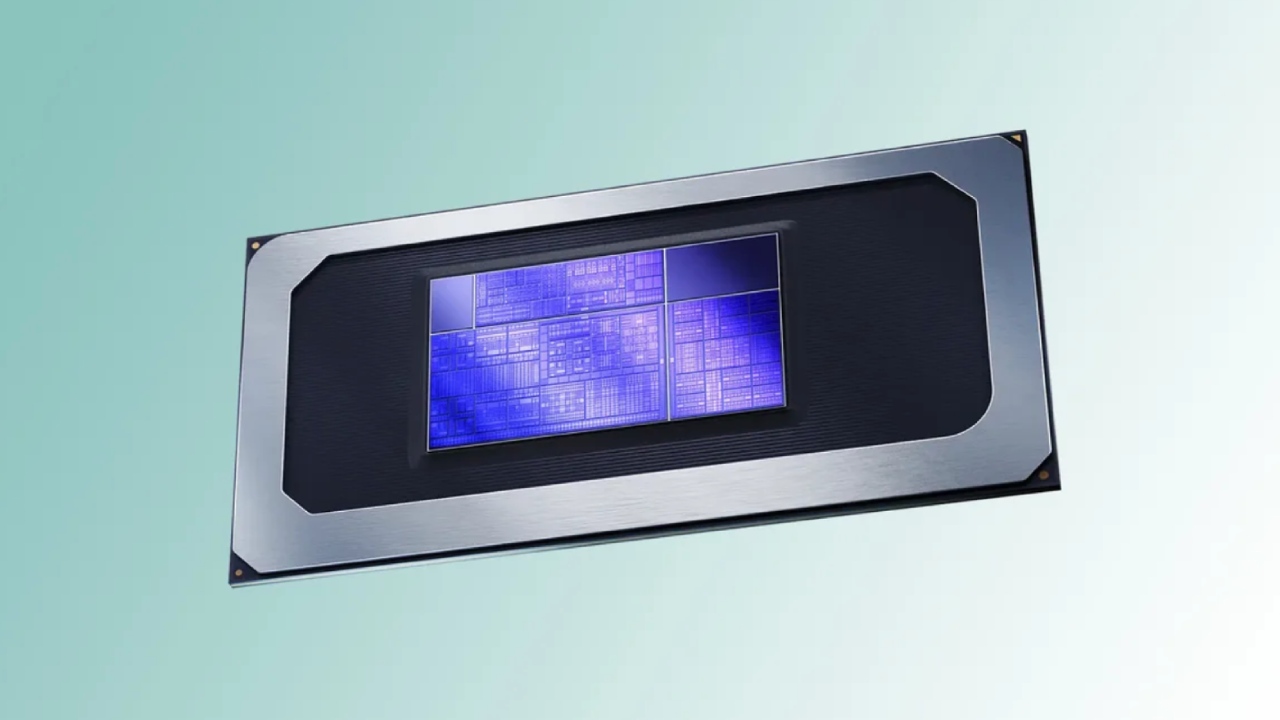
Intel’s nextG desktop CPUs are split into five different die variants. There are three single-die configurations with 8, 16, and 28 cores, along with two dual-die variants with 28 and 52 cores.
All of these dies support up to two Thunderbolt 5 ports, 24 PCIe 5.0 lanes, dual-channel DDR memory, and an NPU6. Core configurations range from 6 cores to 52 cores, with the highest-end chips carrying a 175W TDP.
The top-tier models stand out since they haven't chosen a name yet. Still, the 28-core device is likely to be part of the Core Ultra9 family. People say these chips will replace Intel's Core X line, which means that Intel is moving away from basic consumer CPUs and toward high-end desktops.
Shift Toward HEDT Creates Competitive Gaps
The most surprising detail is that the 52-core processor is no longer positioned as a mainstream flagship desktop chip. Instead, it is being treated more like a high-end desktop (HEDT) part.
This means Intel's highest-core-count models are likely targeting a segment closer to workstation-level hardware than typical desktop users. As a result, AMD’s next-generation Ryzen lineup will only need to compete with Intel's 28-core offerings in the consumer space.
This shift significantly changes expectations. The additional cores in Intel’s higher-end models are mostly low-power cores, which limits their impact compared to full-performance cores.
AMD’s NextG Advantage in Core Design and Performance
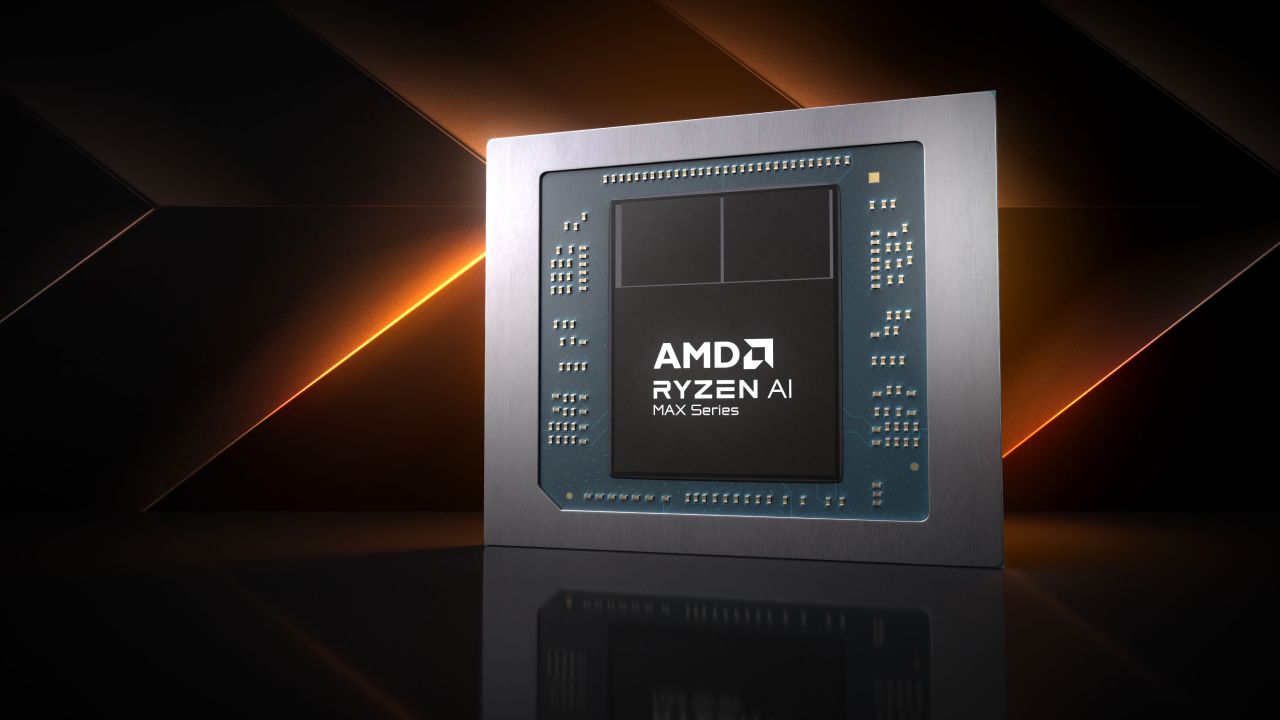
AMD’s upcoming processors are expected to bring a major leap forward. Leaks suggest a significant increase in full Zen6 cores, with up to 8 more high-performance cores compared to current designs.
In addition to higher core counts, AMD is expected to deliver improved IPC, better efficiency from a more advanced manufacturing node, and higher clock speeds.
This mix gives AMD a substantial advantage. AMD's design could yet perform better in the real world than Intel's 28-core parts since its individual cores are stronger and its total efficiency is higher.
Pricing and Platform Limitations Could Hurt Intel
Intel could try to stay competitive through pricing, but that strategy has limitations. The repositioned high-end chips are expected to cost significantly more than current flagship desktop processors.
These chips might not be enough for high-end desktop users, though. That group usually wants features like more PCIe lanes and quad-channel RAM, which are common on other platforms.
Without those features, Intel's nextG lineup risks being caught in the middle. It may be too expensive for mainstream users while lacking the full capabilities expected by high-end buyers.
If AMD maintains competitive pricing while delivering stronger performance and better platform features, Intel could face serious challenges in the next CPU generation.
Also, check our other hardware articles:
- AMD Ryzen 9 9950X3D Review: Setting The Standard For 2025 Gaming CPU
- Amazon Luna 2025 Review: Is Prime Gaming's Cloud Service Your Go-To For Casual Fun?
- AMD RX 9070 XT Review: AMD's RDNA 4 Champion for 1440p Gaming
- GeForce Now Ultimate: Ditching Your Gaming PC For Cloud RTX 4080 Power?
- NVIDIA GeForce RTX 5080 Review (2025): Still A 4K Gaming Powerhouse?
- Intel Core Ultra 9 285K Review And Performance Breakdown (2025)
- AMD Ryzen 7 9800X3D Review: 3D V-Cache Goes God Mode with Stunning Gaming Performance
- Intel Core Ultra 9 285K vs AMD Ryzen 7 9800X3D: In-Depth Gaming Performance and Benchmark Comparison
- NVIDIA GeForce RTX 5080 Super Performance In Cyberpunk 2077: Path Tracing & DLSS 4.0 Tested
- AMD Radeon RX 9070 XT In Cyberpunk 2077: Ray Tracing & FSR 4.0 Tested
- Intel Arc B580 Review: The $250 GPU Revolutionizing 1440p Gaming
- Intel Arc B570 Vs. B580: Value, Specs, And Real-World Gaming Performance
- RTX 5090 Laptop Vs. M4 Max MacBook Pro: Ultimate Raw Performance Vs. Battery Endurance
- Intel Arc b580 Vs. RTX 4060: Game Performance And Value Analysis
- RTX5090 Hell Is Us Demo 4K Ultra Benchmark: DLSS Vs. Native Performance Guide
- NVIDIA RTX 5070 Review: Mid-Range Muscle or Marketing Hype?
- Nintendo Switch 2 Review: Handheld Performance, Features & Value Breakdown
- RTX 5070 Ti Review: Performance, Thermals & Power Efficiency Tested
- Samsung Odyssey OLED G81SF Review 2025: Ultimate 32-Inch QD-OLED Gaming Monitor
- AMD RX 9070 Performance Review: Thermals, Clocks, and Real-World FPS
- AMD Ryzen 5 7600 Review: Best Budget Gaming CPU of 2025?
- AMD Radeon RX 7800 XT Review: RDNA 3 Power For Midrange Gaming
- Asus ROG RTX 5090 Astral OC Vs. Founders Edition: The 4K Gaming Benchmark
Senior Editor, NoobFeed
Gaming Hardware Updates
No Data.