
Why Intel Panther Lake Laptops Are So Expensive in 2026
Panther Lake Launch Pricing Positions It Directly Against AMD Strix Halo Premium Systems.
Hardware by Tanisha Aria on Feb 16, 2026
The price of Intel's Panther Lake has caught many shoppers off guard. Even though these new chips have received great reviews for speed and efficiency, they come at prices similar to AMD's Strix Halo line.
Early supply seems limited, backend retail data suggests price increases are coming soon, and comparisons between Intel and AMD's newest mobile platforms show that getting one is a lot more complicated than most people thought.
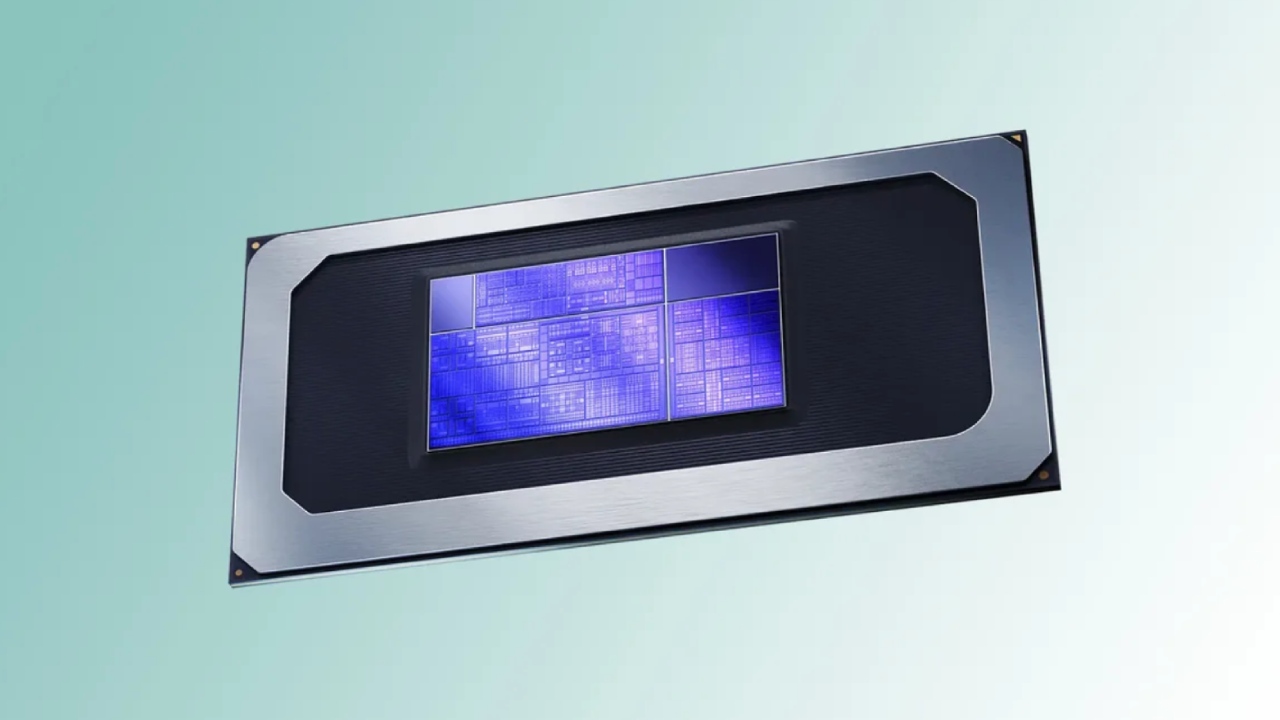
Panther Lake Pricing and Market Position
People have been saying great things about Panther Lake. Performance is good, efficiency is great, and people have had a positive overall view. You will have to pay a lot, though, for that goodness. The price is getting close to Strix Halo, which shouldn't come as a surprise to anyone who has been following news of specs and performance over the past few months.
When we looked at Panther Lake's specs and performance before, it was clear that it was a Strix Halo rival. The Panther Lake 12XE core version probably costs about the same to make as the Strix Halo. Also, Intel requires high-quality memory for Panther Lake, which naturally raises the overall cost of the machine.
It is said that even Task Manager labels graphics as generic Intel graphics when the amount of memory allocated is around 7500 MB. This shows how deeply memory configuration is built into the experience.
The SKUs that can be seen right now are high-end models, and their prices reflect that. If Panther Lake APUs can really compete with Strix Halo on price, as volume and backend retail data show, then the choice of whether to buy Intel or AMD becomes less about the brands and more about what you value in a deal.
Efficiency vs Plugged-In Power
Panther Lake is probably a better choice for you if you care more about economy, lighter devices, and longer battery life. But if you want the most power when you plug it into the wall and the best performance overall, Strix Halo is a great choice.
At the lower end, there are still cheaper options. Gogon Point might be able to help you if you're looking for something cheaper. If you don't need heavy multithreading, Lunar Lake is still a good choice. Lunar Lake also has a unique benefit: the memory is built right into the CPU package.
OEMs bought a lot of Lunar Lake inventory before memory prices skyrocketed. This means that Lunar Lake computers may still be available for a reasonable price for months to come. It could work as the budget-premium APU, since Panther Lake is obviously not budget.
Retail Backend Pricing and Supply Constraints
Backend tools in stores often show when prices are going to change months in advance. Retailers like Newegg, Amazon, Best Buy, and Micro Center are often the source of price leaks. These systems can predict weeks in advance when the price of a graphics card or laptop will increase by $100.
Panther Lake models have shown similar backend indicators. The prices of several options are likely to rise in the coming months. That helps explain why some $1300 Panther Lake computers sold out right away—there weren't many left. Those types might come back at a higher price in the future.
Some models may be around $ 1,500, but most of the time, the best Panther Lake combinations will be around $ 2,000. From earlier leaks, there are signs that prices are already going up.
For example, if you look for AMD's 395-based laptops at big stores, the best Strix Halo configurations cost around $2,170-$2,200 and come with 32GB of RAM and a 1TB SSD. That puts them on par with Panther Lake systems that have the same specs.
Real-World Trade-Offs
If your computer is plugged in, Strix Halo may be about 30% faster in graphics and much better at CPU-intensive tasks. But when the phone is on charge, the picture changes.
It is said that the Z13 Flow, with the top-of-the-line Strix Halo, drops from 148 fps when plugged in to 107 fps when playing games like Forza Horizon 5. On the other hand, Panther Lake may only drop a little, from 101 fps to 98 fps. Panther Lake can even beat Strix Halo by more than 10 percent in some battery-based gaming tests.
You can play at both levels of ability. The difference is in how well and consistently it works. If you often use your laptop without a power cord, Panther Lake's more stable battery performance might be appealing. If the Strix Halo is your main device and stays plugged in most of the time, its raw power may be more important to you than its power efficiency.
We are no longer arguing over whether the battery lasts 2 or 4 hours. We're talking about 12-hour vs. 24-hour endurance. That changes the way you think about moving around. If you can charge your phone using a USB-C power bank and get 8 hours or more of work done every time, you might wonder if it's worth the extra $1000 for double the battery life.
Driver Support and Software Considerations
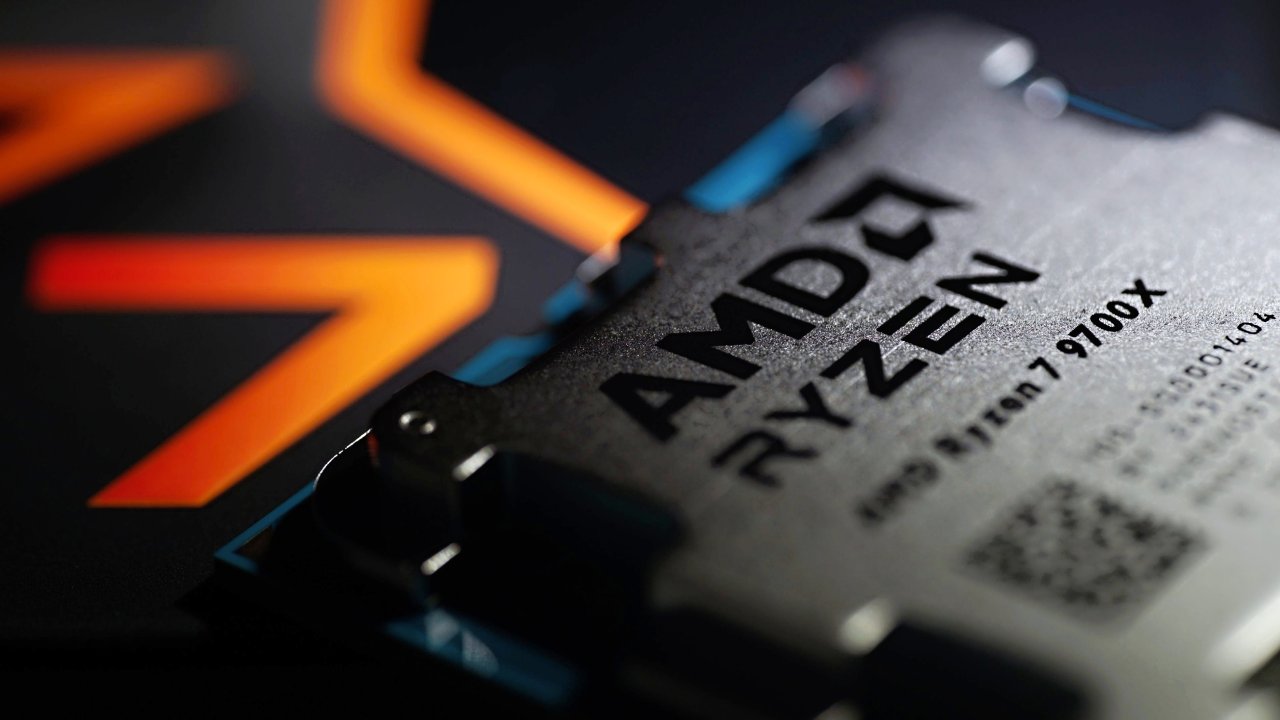
Driver longevity is another factor. Some buyers say that AMD will offer more reliable driver support in the long run. It makes sense, especially given AMD's history with discrete GPUs. AMD isn't perfect, though, and there have been times when drivers haven't been updated for a long time.
Support for features is another issue. Strix Halo doesn't support FSR4 yet, which makes debates about which game will be better in the long run more difficult. You might change your mind if Intel releases a better upscaling option in a few years, even if long-term driver support ends.
Not a single company is perfect. You need to think about how efficient it is, how well it supports the features you need, and how long you plan to own it.
Node Advantage and Technical Perspective
Panther Lake has a significant edge in process nodes. Panther Lake is based on Intel 18A and uses backside power delivery and advanced packaging methods. Strix Halo is made on 4nm. That gives Panther Lake an edge of two nodes.
Some people say Panther Lake is only impressive because people didn't expect much after Intel's past mistakes. Others say that the efficiency gains are mostly due to node advantage rather than smart architecture.
Most likely, the truth is somewhere in the middle. Panther Lake beats Strix Halo by double digits in some games, and that edge doesn't seem to be by accident. On the other hand, the story might change again if AMD's Medusa Point comes out on 3nm and significantly improves battery life and efficiency.
Panther Lake is currently the most efficient laptop processor on the market. As a buyer, it doesn't matter if that's mostly because of great process technology or design. The result is what counts.
Choosing the Right Platform
You might be better off with Strix Halo in the long run if your laptop is your only computer and stays plugged in most of the time. Panther Lake is a great choice if mobility and consistent performance without a power source are more important.
If price is the most important thing to you, Lunar Lake or Gorgon Point might give you enough speed for a lot less money.
In the end, the argument isn't about which engine is better in a real sense. It comes down to which one fits the way you use your laptop.
Final Thoughts
People may be surprised by Panther Lake's prices. Still, the company's positioning makes sense when you look at production costs, process benefits, and performance goals. These are high-end chips that compete in a high-end tier.
There are different forces at work in the market when it comes to efficiency, battery life, raw speed, and long-term software support. There are real trade-offs to think about, and none of the top choices are complete disasters.
It's not as easy to decide now. It all depends on what you value most—performance or efficiency—and how much you are willing to pay for each.
Also, check our other hardware articles:
- AMD Ryzen 9 9950X3D Review: Setting The Standard For 2025 Gaming CPU
- Amazon Luna 2025 Review: Is Prime Gaming's Cloud Service Your Go-To For Casual Fun?
- AMD RX 9070 XT Review: AMD's RDNA 4 Champion for 1440p Gaming
- GeForce Now Ultimate: Ditching Your Gaming PC For Cloud RTX 4080 Power?
- NVIDIA GeForce RTX 5080 Review (2025): Still A 4K Gaming Powerhouse?
- Intel Core Ultra 9 285K Review And Performance Breakdown (2025)
- AMD Ryzen 7 9800X3D Review: 3D V-Cache Goes God Mode with Stunning Gaming Performance
- Intel Core Ultra 9 285K vs AMD Ryzen 7 9800X3D: In-Depth Gaming Performance and Benchmark Comparison
- NVIDIA GeForce RTX 5080 Super Performance In Cyberpunk 2077: Path Tracing & DLSS 4.0 Tested
- AMD Radeon RX 9070 XT In Cyberpunk 2077: Ray Tracing & FSR 4.0 Tested
- Intel Arc B580 Review: The $250 GPU Revolutionizing 1440p Gaming
- Intel Arc B570 Vs. B580: Value, Specs, And Real-World Gaming Performance
- RTX 5090 Laptop Vs. M4 Max MacBook Pro: Ultimate Raw Performance Vs. Battery Endurance
- Intel Arc b580 Vs. RTX 4060: Game Performance And Value Analysis
- RTX5090 Hell Is Us Demo 4K Ultra Benchmark: DLSS Vs. Native Performance Guide
- NVIDIA RTX 5070 Review: Mid-Range Muscle or Marketing Hype?
- Nintendo Switch 2 Review: Handheld Performance, Features & Value Breakdown
- RTX 5070 Ti Review: Performance, Thermals & Power Efficiency Tested
- Samsung Odyssey OLED G81SF Review 2025: Ultimate 32-Inch QD-OLED Gaming Monitor
- AMD RX 9070 Performance Review: Thermals, Clocks, and Real-World FPS
- AMD Ryzen 5 7600 Review: Best Budget Gaming CPU of 2025?
- AMD Radeon RX 7800 XT Review: RDNA 3 Power For Midrange Gaming
- Asus ROG RTX 5090 Astral OC Vs. Founders Edition: The 4K Gaming Benchmark
Contributor, NoobFeed
Gaming Hardware Updates
No Data.