
Nvidia 16-Pin Connector Warning, Intel Unified Core Shift, AMD Ryzen 400 APUs Confirmed
Hardware by Tanisha Aria on Feb 27, 2026
People who own Nvidia GPUs are being asked to check their 16-pin power connectors amid new concerns. Because of a problem still affecting the new 16-pin power connector, Nvidia GPU users are being told to check their graphics cards right away.
Early research into melting connectors found that the issue was caused by user error, especially incomplete insertion, which decreased contact area, raised resistance, and led to dangerous heat buildup. But many users have said that, after months of use, the connectors still melted even when fully inserted.
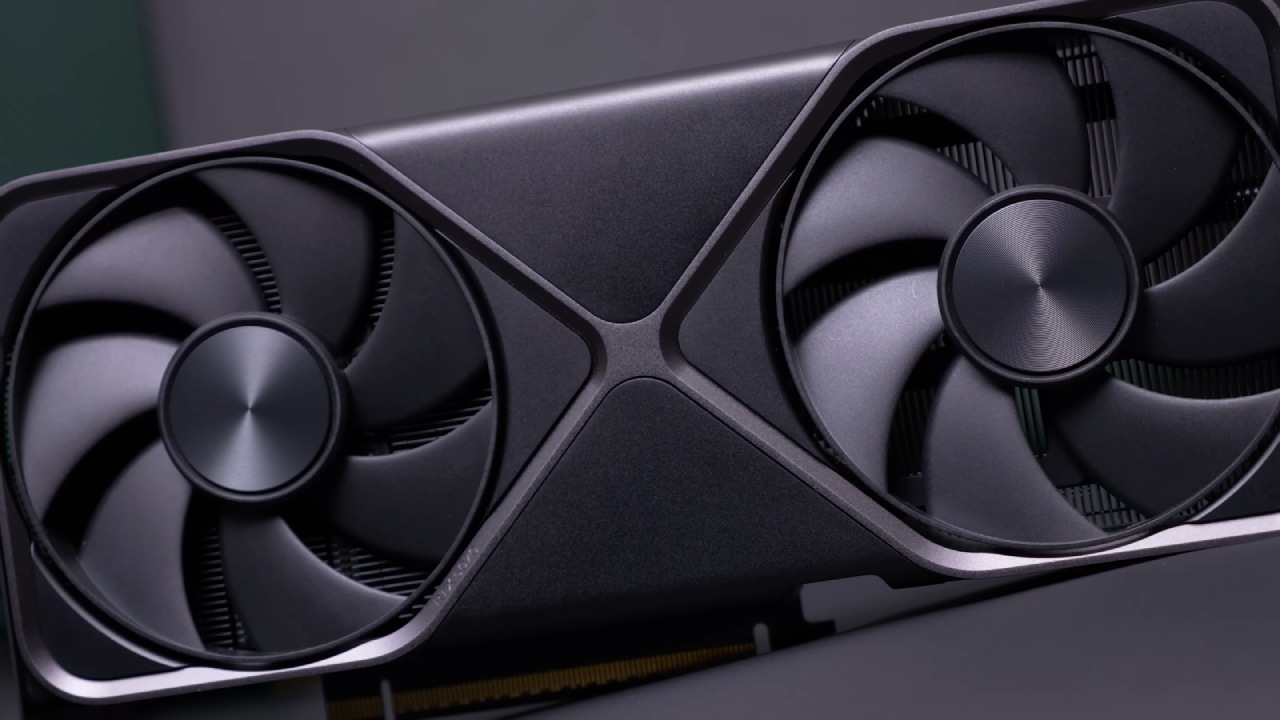
People are now interested in a third-party connection design. MSI offers a special power plug with a yellow tip that comes with many of its GPUs. The yellow mark is there to help you see. Once it's fully entered, you shouldn't be able to see the yellow part anymore.
A recent Reddit post that got a lot of attention showed that an MSI wire had slowly pulled away over time until the yellow tip could be seen again. Several other people said they had the same problems.
One reason MSI cables might be getting extra attention is that the yellow tip makes any movement stand out right away. At the same time, regular black connections don't.
Physically, MSI's yellow connector and other compliant 12V2x6 connections should not differ much from each other. As long as MSI's connector meets the 12V2x6 requirements, the problem may not just be with one maker.
Thermal cycling might be a good way to explain it. When the connector is being used, it gets hot and expands. When it cools down, it shrinks. If this happens repeatedly for months, the wire may slowly move outward.
The retention clip is meant to prevent this, but it might not apply enough force, or it might slightly bend after repeated heating. This is still just a guess, but it fits with accounts that most failures happen after a while of use rather than right away.
Many people who own GPUs with the new 16-pin connector should make sure the connector stays fully seated. Over time, even a small gap could cause resistance and heat rise.
Intel's Unified Core Design Could Replace Big. Little Architecture
It is said that Intel is planning a big change to the way its future CPUs are built. Since the 12th Generation, Intel has used a "big.little" design with two types of cores: performance cores for heavy workloads and efficiency cores for light workloads. In theory, this method improves productivity and performance. In real life, it has made things more complicated.
Intel created Thread Director, a machine-learning-based schedule system that lets them control how tasks are assigned to different types of cores. Even though it works, this extra layer of hardware has sometimes made it hard for software to work with it and caused scheduling problems.
New evidence suggests Intel may be moving toward a unified core architecture. This could mean that scheduling hardware like Thread Director is no longer needed. A job ad that talks about a "unified core design team" is real evidence that this is possible.
There are different meanings. There is a rumor that Intel might disband its specialized performance core team and switch to enhanced-efficiency cores instead.
An Intel patent describes a "software-defined super core," in which multiple cores work together to make ultra-wide processing resources appear as one. No matter which way it goes, a unified architecture could make scaling desktop speed easier and make scheduling less difficult.
AMD vs Intel: Next-Gen Desktop CPUs Target CES2027
AMD and Intel are both working on what could be the biggest updates to their desktop CPUs in years. This sets the stage for a big battle. Reports say AMD's next-generation Ryzen processors may have up to 24 cores, the biggest increase in core count in years.
There are also rumors of major clock speed boosts and a brand-new process node. Some people think that AMD's Ryzen 10000 is one of its most important design advances in recent memory.
On the other hand, Intel is said to be working on Nova Lake with an even more interesting setup. Leaks suggest the number of cores could reach 52, and there is even talk of an X3D-style rival. If what you say is true, both businesses are working hard on aggressive multi-core products that will take over high-performance desktop computing.
A well-known leaker says that AMD and Intel are both planning to show off their next-generation desktop CPUs at CES2027. These CPUs could go on sale in January2027. AMD's 2027 schedule has been known for a while, but this is the first sign that both companies may be aiming for the same event window. If that's the case, there could be instant and tough competition.
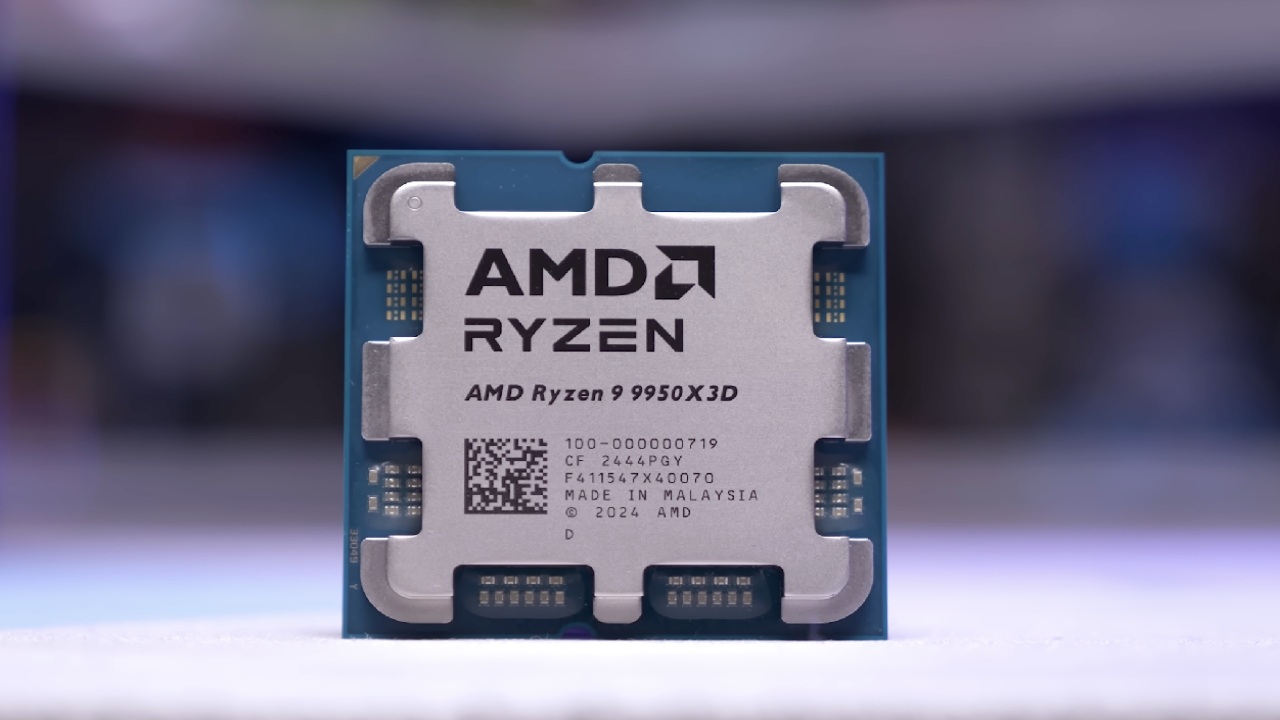
AMD Confirms Next-Gen Desktop APUs With Major iGPU Upgrade
AMD has also said that desktop computers will get new high-power APUs. While the company did release Ryzen AI300 series APUs for mobile devices, they did not initially bring them to PCs. Desktop users have stuck with the 8000G series because of this. The flagship 8700G has 8 cores, 16 threads, and 12 CUs built on RDNA3.
At first, the 8700G was a big improvement. Still, people now want more powerful built-in graphics, especially since the prices of separate GPUs keep going up. Users who want playable game performance but don't want to buy a separate graphics card right away can use an APU instead.
AMD's next-generation desktop APUs were shown off in official partner marketing materials. Even though the files were created earlier, they were only recently shared, indicating that launch preparations are still ongoing. The documents discuss desktop CPUs in the Ryzen 400 series, including Pro versions.
In the past, AMD has released different marketing materials for Pro and regular models, so more consumer-focused materials will likely be released soon.
The upcoming Ryzen 400 series APUs are said to have up to 12 cores and 24 threads, built on Zen 5 architecture, and will be able to boost to 5.2 GHz. More importantly, the number of compute units on the integrated GPU has increased from 12CUs to 16CUs, a 33% increase.
That jump could make a big difference in how well entry-level games and AI-accelerated tasks run on desktop computers. Slides on "powering next generation AI desktops and laptops" show that AMD is really trying to make consumer hardware that can run AI.
Final Thoughts
The GPU and CPU landscapes are undergoing significant changes right now. People who own Nvidia GPUs should check that their 16-pin power connections are working properly to avoid long-term thermal problems.
With a possible unified core architecture, Intel appears poised to rethink its hybrid CPU approach. AMD and Intel are working on the next wave of desktop CPUs, which could change what people expect from multi-core performance in early 2027.
On the other hand, AMD's upcoming Ryzen 400 desktop APUs offer significant improvements to integrated graphics for people who want powerful systems without separate GPUs. Some of the biggest changes to the architecture of current PC hardware are likely to happen in the next few years.
Also, check our other hardware articles:
- AMD Ryzen 9 9950X3D Review: Setting The Standard For 2025 Gaming CPU
- Amazon Luna 2025 Review: Is Prime Gaming's Cloud Service Your Go-To For Casual Fun?
- AMD RX 9070 XT Review: AMD's RDNA 4 Champion for 1440p Gaming
- GeForce Now Ultimate: Ditching Your Gaming PC For Cloud RTX 4080 Power?
- NVIDIA GeForce RTX 5080 Review (2025): Still A 4K Gaming Powerhouse?
- Intel Core Ultra 9 285K Review And Performance Breakdown (2025)
- AMD Ryzen 7 9800X3D Review: 3D V-Cache Goes God Mode with Stunning Gaming Performance
- Intel Core Ultra 9 285K vs AMD Ryzen 7 9800X3D: In-Depth Gaming Performance and Benchmark Comparison
- NVIDIA GeForce RTX 5080 Super Performance In Cyberpunk 2077: Path Tracing & DLSS 4.0 Tested
- AMD Radeon RX 9070 XT In Cyberpunk 2077: Ray Tracing & FSR 4.0 Tested
- Intel Arc B580 Review: The $250 GPU Revolutionizing 1440p Gaming
- Intel Arc B570 Vs. B580: Value, Specs, And Real-World Gaming Performance
- RTX 5090 Laptop Vs. M4 Max MacBook Pro: Ultimate Raw Performance Vs. Battery Endurance
- Intel Arc b580 Vs. RTX 4060: Game Performance And Value Analysis
- RTX5090 Hell Is Us Demo 4K Ultra Benchmark: DLSS Vs. Native Performance Guide
- NVIDIA RTX 5070 Review: Mid-Range Muscle or Marketing Hype?
- Nintendo Switch 2 Review: Handheld Performance, Features & Value Breakdown
- RTX 5070 Ti Review: Performance, Thermals & Power Efficiency Tested
- Samsung Odyssey OLED G81SF Review 2025: Ultimate 32-Inch QD-OLED Gaming Monitor
- AMD RX 9070 Performance Review: Thermals, Clocks, and Real-World FPS
- AMD Ryzen 5 7600 Review: Best Budget Gaming CPU of 2025?
- AMD Radeon RX 7800 XT Review: RDNA 3 Power For Midrange Gaming
- Asus ROG RTX 5090 Astral OC Vs. Founders Edition: The 4K Gaming Benchmark
Contributor, NoobFeed
Gaming Hardware Updates
No Data.