
NVIDIA DLSS 5 Criticism Grows as Intel Launches New Laptop Chips and Switch 2 Improves
Intel refreshes mobile chips while Switch2 improves handheld performance and DLSS5 sparks debate over AI-driven graphics changes.
Hardware by Nahe Yan on Mar 19, 2026
The most recent set of tech improvements includes small hardware upgrades, platform changes, and continued discussions about AI-powered graphics.
Intel is still rolling out its mobile CPUs, handheld gaming is getting better, big publishers are making their games available on more platforms, and NVIDIA is getting a lot of flak over DLSS5. At the same time, Meta lowers its metaverse goals after losing significant money.
.jpg)
Intel Core Ultra 200HX Plus Update
Intel has added the Core Ultra 200HX Plus mobile laptop chips to its existing lineup. The upgrade is the same as the one on the desktop side, giving you up to 24 cores with the Ultra 9290HX. There is an increase in clock rates, including a +900 MHz increase in die frequency.
Intel says that the new chips are up to 8% quicker at gaming and 7% faster at single-threaded tasks than the Ultra 9285HX. People say that the new chips are up to 30% faster than the 12900HX. These numbers still need to be checked by a third party.
More improvements include support for Intel's binary optimization tool, as well as Wi-Fi 7, Bluetooth 5.4, and Thunderbolt 5. The revamp is in line with Intel's plan to stay competitive by making small tweaks every year.
Switch 2 Handheld Mode Improvement
A new firmware update improves the Switch 2's handheld mode. Games made for the old Switch can now run at 1080p in portable mode instead of 720p.
The system doesn't upscale the device; it treats it as if it's in TV mode. This method, on the other hand, disables some functions available only on mobile devices, such as touchscreen support. When players use this boosted mode, they have to use Joy-Con controls.
The upgrade might improve older games, especially those that look better at higher resolutions.
Starfield is Coming to PlayStation
In April, Starfield will come out on PlayStation. Even though Bethesda said the game would only be available on Xbox at first, it is now coming to another platform.
There will be a free update and a paid DLC store with the release. This is part of a larger plan to make Xbox games available across more platforms.
Also, the Xbox PC software has been upgraded so that users can add games that aren't native to the launcher. This means that you don't have to use other platforms to get around problems.
Meta Closes Down Horizon Worlds VR
Since it started, Meta's Reality Labs subsidiary has lost $80 billion. The company's metaverse project hasn't gotten as many users as it hoped, and it hasn't made much money.
Horizon Worlds, a major part of Meta's metaverse plan, will stop offering its VR experience in June. The VR version of the service is being shut down, but the mobile version will still be available.
Meta will keep making VR gear, such as the Quest 3 and Quest 3S, but its software will shift toward mobile platforms.
The DLSS 5 Debate and Nvidia's Answer
Many people have criticized Nvidia's DLSS5 technology, especially for its impact on artistic control and visual quality. In response to the outcry, CEO Jensen Huang said the critiques were wrong and stressed that DLSS5 operates at the geometry level rather than as post-processing.
DLSS5 uses generative AI to change lighting, texturing, and geometry in real time. This goes against past statements that the technology was only a way to improve visuals.
Players and developers have both expressed worries about the results. Some of the modifications observed include changes to facial features, lighting that doesn't behave as expected, and alterations to character design elements, such as hair color and texture, that weren't intended. These problems show that the system doesn't just change the lighting; it also changes the main graphic assets.
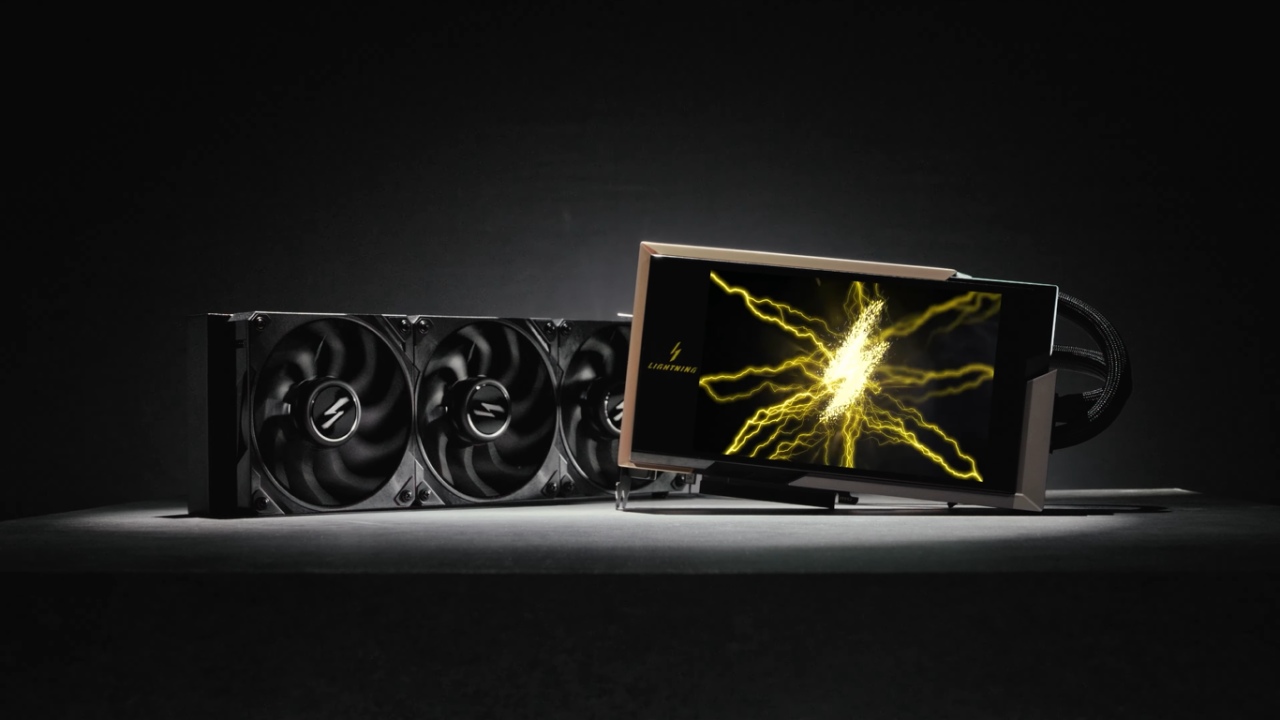
The technology is a step forward, but its use has raised concerns about diminished artistic control. You can turn off DLSS5. Some people are not sure whether creators would use this kind of technology instead of optimizing games the old-fashioned way.
Some people have compared it to games like Death Stranding 2, which get great graphics without using DLSS 5. This contrast shows how different rendering methods and development priorities are.
Final Thoughts
The current landscape is a mix of small hardware advances, shifting platform strategies, and new rendering technologies still in development. Intel keeps improving its processors, console updates aim to improve the user experience, and publishers are making their games more accessible.
At the same time, big bets like Meta's metaverse project need to be revisited, and Nvidia's success in AI-driven rendering brings both technical progress and controversy.
Also, check our other hardware articles:
- AMD Ryzen 9 9950X3D Review: Setting The Standard For 2025 Gaming CPU
- Amazon Luna 2025 Review: Is Prime Gaming's Cloud Service Your Go-To For Casual Fun?
- AMD RX 9070 XT Review: AMD's RDNA 4 Champion for 1440p Gaming
- GeForce Now Ultimate: Ditching Your Gaming PC For Cloud RTX 4080 Power?
- NVIDIA GeForce RTX 5080 Review (2025): Still A 4K Gaming Powerhouse?
- Intel Core Ultra 9 285K Review And Performance Breakdown (2025)
- AMD Ryzen 7 9800X3D Review: 3D V-Cache Goes God Mode with Stunning Gaming Performance
- Intel Core Ultra 9 285K vs AMD Ryzen 7 9800X3D: In-Depth Gaming Performance and Benchmark Comparison
- NVIDIA GeForce RTX 5080 Super Performance In Cyberpunk 2077: Path Tracing & DLSS 4.0 Tested
- AMD Radeon RX 9070 XT In Cyberpunk 2077: Ray Tracing & FSR 4.0 Tested
- Intel Arc B580 Review: The $250 GPU Revolutionizing 1440p Gaming
- Intel Arc B570 Vs. B580: Value, Specs, And Real-World Gaming Performance
- RTX 5090 Laptop Vs. M4 Max MacBook Pro: Ultimate Raw Performance Vs. Battery Endurance
- Intel Arc b580 Vs. RTX 4060: Game Performance And Value Analysis
- RTX5090 Hell Is Us Demo 4K Ultra Benchmark: DLSS Vs. Native Performance Guide
- NVIDIA RTX 5070 Review: Mid-Range Muscle or Marketing Hype?
- Nintendo Switch 2 Review: Handheld Performance, Features & Value Breakdown
- RTX 5070 Ti Review: Performance, Thermals & Power Efficiency Tested
- Samsung Odyssey OLED G81SF Review 2025: Ultimate 32-Inch QD-OLED Gaming Monitor
- AMD RX 9070 Performance Review: Thermals, Clocks, and Real-World FPS
- AMD Ryzen 5 7600 Review: Best Budget Gaming CPU of 2025?
- AMD Radeon RX 7800 XT Review: RDNA 3 Power For Midrange Gaming
- Asus ROG RTX 5090 Astral OC Vs. Founders Edition: The 4K Gaming Benchmark
Editor, NoobFeed
Gaming Hardware Updates
No Data.