
NVIDIA RTX Spark AI PC Launch Confirmed for Fall 2026 With ASUS and MSI Leading
NVIDIA RTX Spark introduces a premium Arm-powered AI PC platform built around Grace, Blackwell, and massive unified memory.
Hardware by Masaru Hoshino on Jul 29, 2026
NVIDIA is no longer content with powering AI workloads through discrete GPUs alone. The company is taking a formal leap into the consumer processor market with its much-anticipated RTX Spark platform, a new generation of Arm-based AI PCs coming in Fall 2026.
Recent industry sources suggest that ASUS and MSI will be the first manufacturers to release RTX Spark-powered computers, with Acer and Gigabyte set to follow soon after. Larger OEMs including Dell, HP, Lenovo, and Microsoft are also preparing products based on the new platform.
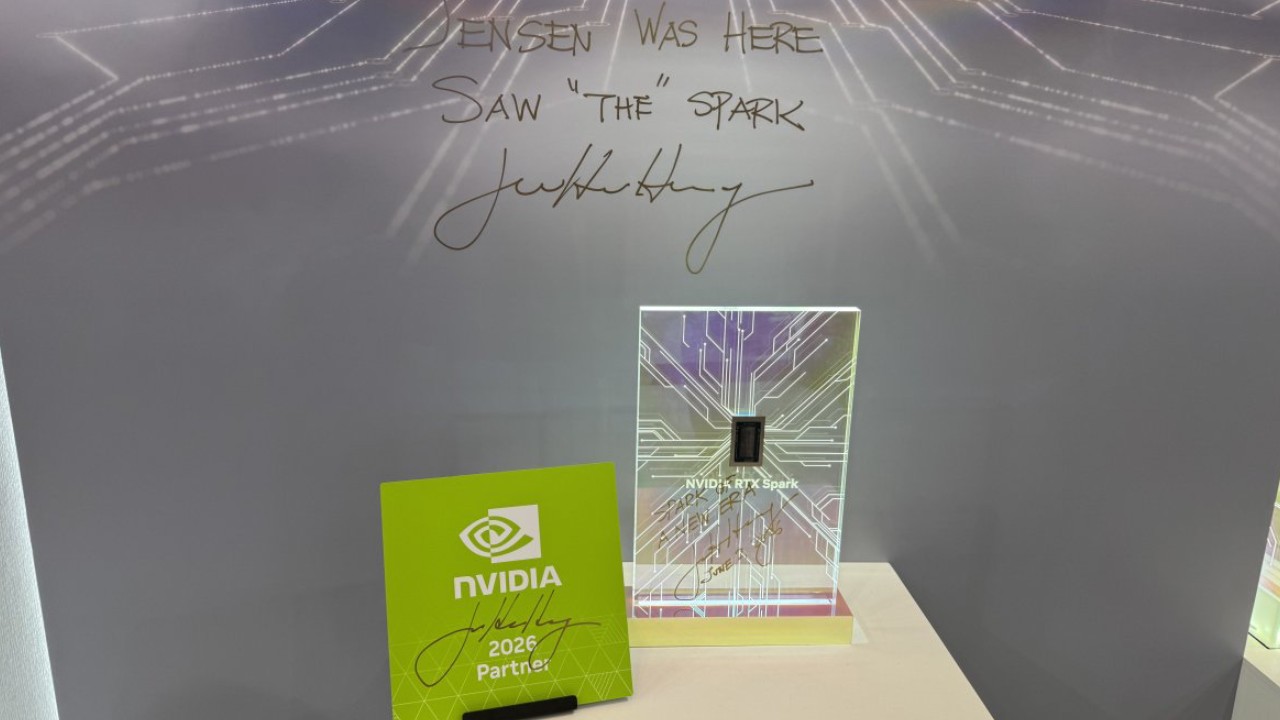
The announcement represents one of NVIDIA's biggest strategic moves in years. Rather than competing solely in graphics, the company is now aiming to redefine premium AI computing by combining its own CPU and GPU technologies into a tightly integrated platform.
Instead of a typical gaming laptop, RTX Spark is being positioned as a new type of AI-first PC capable of running the latest generative AI models locally on the device. For amateurs and professionals alike, the introduction represents yet another important shift in the PC market, as Arm CPUs continue to move beyond smartphones and tablets and into premium Windows computers.
NVIDIA's Biggest Push Yet into Consumer Processors
For years, NVIDIA has dominated AI acceleration through GeForce and data center GPUs, while Intel and AMD controlled the consumer CPU market. RTX Spark changes that equation.
The platform is a collaboration between MediaTek and NVIDIA that combines MediaTek's Arm-based silicon expertise with NVIDIA's AI computing knowledge. It also allows NVIDIA to build a CPU that is tailored for modern AI workloads rather than simply transferring legacy PC architectures.
The first systems, arriving in Fall 2026, will be mostly from ASUS and MSI, the companies that have long catered to enthusiasts and professional artists. Acer and Gigabyte are expected to grow the ecosystem before other global PC players such as Dell, HP, Lenovo and Microsoft start to unveil their own offerings.
That's the kind of OEM buy-in that says a lot about trust in NVIDIA's long-term ambitions in the Windows on Arm ecosystem.
Under the hood: Grace CPU and Blackwell Graphics
The RTX Spark N1X processor is unlike anything now available in consumer laptops. The integrated Grace architecture has CPU and GPU cores on a single chip, removing the requirement for a separate CPU and PCIe GPU. The graphics component reportedly scales up to 6,144 CUDA cores, bringing desktop-class GPU technology directly into a single system-on-chip.
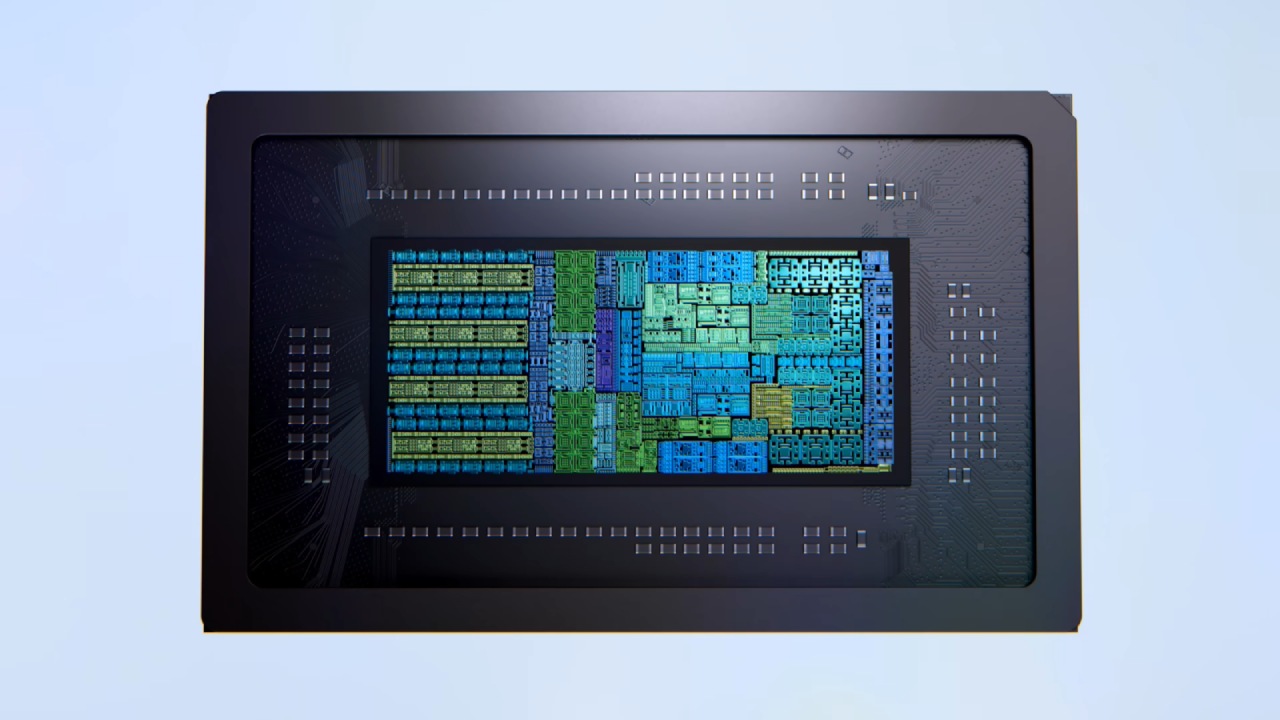
The architecture is meant to remove many of the bottlenecks of traditional CPU and GPU connections. By combining both processing parts more tightly, AI applications can take advantage of compute resources at a much lower latency while boosting overall efficiency. This design philosophy is very similar to what we've already seen in Apple's silicon strategy, but with a twist that leverages its leadership in CUDA, AI acceleration, and machine learning software.
Why 128GB Unified Memory Changes Everything
Perhaps the most important spec is not the GPU itself. With RTX Spark, the CPU and GPU can both tap into a vast pool of high-bandwidth memory at the same time, with a unified memory pool of up to 128GB of LPDDR5X RAM. The traditional PC kept system RAM distinct from graphics memory. Large AI models frequently need to move enormous datasets between the CPU and GPU, creating latency and limiting performance.
Unified memory removes much of that overhead. For developers working with Large Language Models, diffusion models, or multimodal AI systems, keeping massive datasets inside one shared memory space allows much larger models to run locally without continuously transferring data between separate memory pools.
This architecture is especially valuable for the emerging category of "Agentic AI," where intelligent software agents continuously process information, reason through complex tasks, and execute workflows without relying entirely on cloud infrastructure. Instead of treating AI as a cloud service, RTX Spark attempts to bring enterprise-scale AI directly onto the desktop or laptop.
Built for Local LLMs Rather Than Traditional Gaming
Although Blackwell graphics naturally provide gaming capabilities, RTX Spark is clearly designed with AI as its primary mission. Modern AI applications increasingly demand enormous memory capacity alongside powerful GPU acceleration. Running advanced LLMs locally often becomes limited by available VRAM rather than raw compute performance.
With 128 GB of unified memory and RTX Spark, users can run much larger AI models than consumer laptops can easily manage now. The design is particularly advantageous for researchers, AI developers, software engineers, data scientists, digital content makers, and corporate professionals.
For gamers, the platform may still deliver excellent graphics performance, but NVIDIA's messaging strongly emphasizes AI productivity over gaming benchmarks. That distinction separates RTX Spark from conventional GeForce-powered gaming notebooks.
The Premium AI Tier Comes With an AI Tax
Performance of this magnitude comes at a premium. Current industry reports indicate RTX Spark systems will begin somewhere between $2,500 and $3,000, placing them firmly within the high-end workstation and creator laptop market. At those prices, these machines clearly aren't intended for mainstream buyers looking for everyday productivity or affordable gaming.
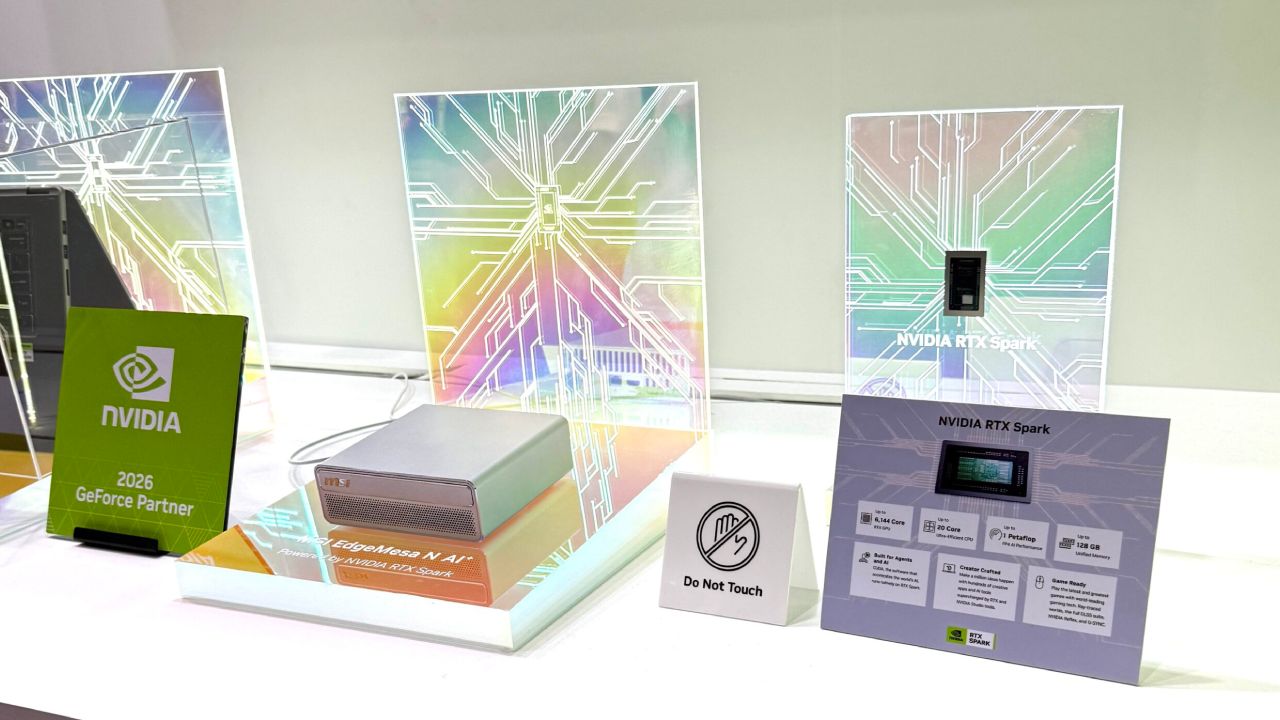
Rather, it looks like NVIDIA is targeting experts whose workloads can justify the cost. AI software development, local inference, machine learning experimentation, 3D rendering and simulation workloads, advanced content production and scientific computing all benefit greatly from larger memory pools and integrated AI acceleration. But it's the cost that is the big hurdle for the regular customer.
Without local AI workloads becoming critical to everyday computing, plenty of purchasers might prefer traditional Intel or AMD-based laptops, especially with discrete RTX graphics.
Windows on Arm Enters a New Phase
Microsoft has spent years trying to convince developers to buy into Windows on Arm, but it hasn't taken off yet. NVIDIA's move could change that trajectory considerably. Unlike previous Arm PCs that largely focused on battery life and portability, RTX Spark emphasizes raw AI performance. That shift changes the conversation from efficiency-first computing to capability-first computing.
If software developers fully optimize applications for the platform, Windows on Arm could finally establish itself as more than simply an alternative architecture. The combination of MediaTek's Arm expertise, NVIDIA's AI ecosystem, CUDA support, and Microsoft's operating system creates one of the strongest partnerships the Windows ecosystem has seen in years.
Editor, NoobFeed
Gaming Hardware Updates
No Data.