
NVIDIA RTX 70 Series: Performance Comparison Across Games and Resolutions
Comparison of RTX 2070, 3070, 4070, and 5070 performance across multiple games, resolutions, and visual quality settings.
Hardware by Nahe Yan on Nov 16, 2025
The Nvidia RTX 70 series has grown from the RTX 2070 in late 2018 to the newest RTX 5070. Each generation brought improvements in performance, VRAM capacity, and price, showing how the series has grown over time.
This comparison compares how well the RTX 2070, 3070, 4070, and 5070 perform across a range of games at different resolutions and quality settings.
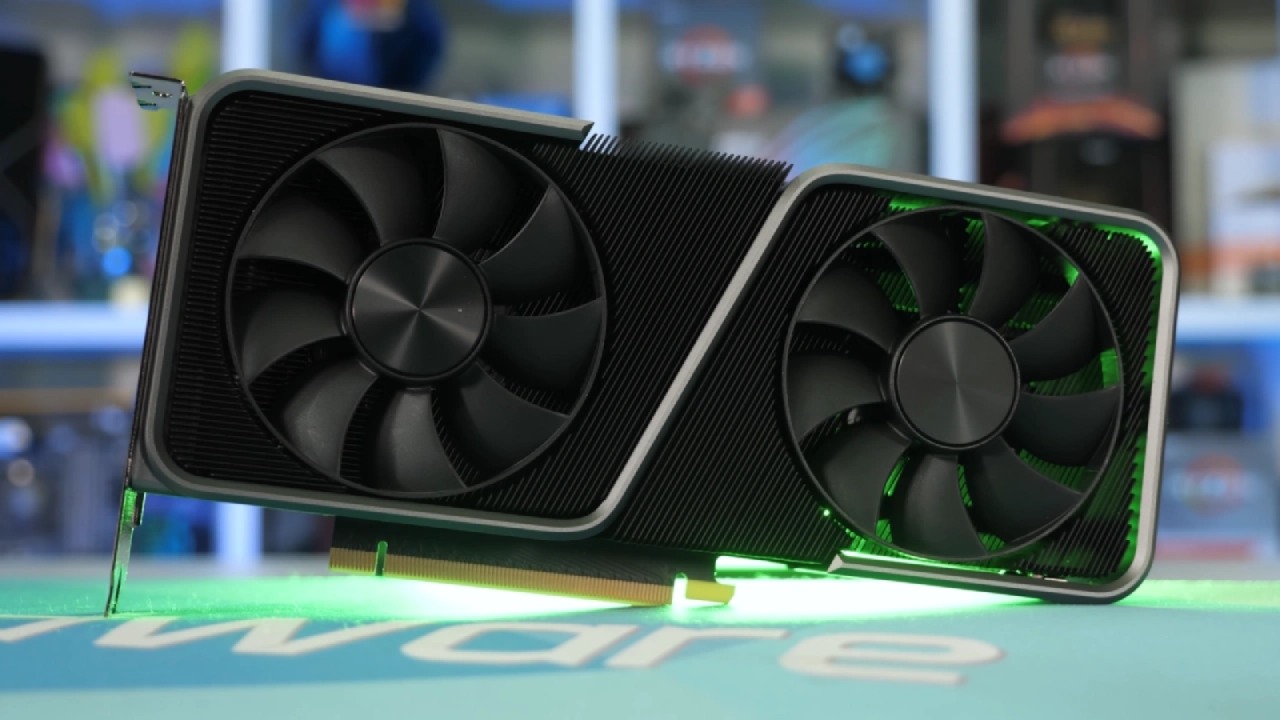
An Overview of the RTX 5070
When it was out, the RTX 5070 still had the same 12GB of VRAM as the RTX 4070. As games need more VRAM and features like ray tracing and upscaling use more resources, 12GB may not be enough for the future. For $550 US, a minimum of 16GB would have been better. We compare the RTX 5070 against older models at 1080p, 1440p, and 4K, utilizing two quality settings for each game.
How Well Does Call of Duty Black Ops 6 Work?
The RTX 2070 averaged 109 fps at 1080p on the basic preset, whereas the 3070 reached 161 fps, a 48% improvement. The 4070 was 41% quicker than the 3070, and the RTX 5070 was only 3% faster than the 4070. The 3070 was 57% quicker than the 2070 at higher resolutions, the 4070 was 34% faster than the 3070, and the 5070 was 7% faster than the 4070 in average frame rate, with a 23% improvement in 1% lows.
The RTX 2070 ran at 44 fps on the severe preset at 1080p; the 3070 ran at 81 fps (84% faster); the 4070 ran at 113 fps (40% faster); and the 5070 ran at 119 fps.
1080p on the high preset, the RTX 2070 ran at 67 fps, the 3070 at 54% faster, the 4070 at 23% faster, and the 5070 at 22% faster than the 4070. The gap climbed to 26% at 1440 p.m. and 45% at 4 p.m.
Remastered Version of Horizon Zero Dawn
The RTX 2070 got 88 fps at 1080p and 65 fps at 1440p with the medium preset. At both resolutions, the 3070 was about 60% faster. The 4070's performance improved by roughly 30%, and the 5070's improved by 10–15% over the 4070. At the highest preset, models with 8GB of VRAM struggled to reach 1% lows. Only the 4070 and 5070 were usable, and the 5070 had an average frame rate 10–13% higher.
Kingdom Come Deliverance 2
When set to medium, the RTX 2070 averaged 87 fps at 1080p. The 3070 was 53% faster, and the 4070 was 25% faster. At all tested resolutions, the RTX 5070 was 31% faster than the 4070. At 1080p on ultra settings, the 2070 averaged 52 fps, the 3070 averaged 80fps, the 4070 was 25% faster than the 3070, and the 5070 was 28% faster than the 4070.

Siege of Rainbow Six Performance
At 1080p, the RTX 2070 averaged 189 fps, while at 1440p, it averaged 125 fps. The 3070 was 49% to 53% faster, the 4070 was 27% to 32% faster, and the 5070 was 22% to 26% quicker than the 4070. The 2070 decreased to 117 fps at 1080p and 74 fps at 1440p when set to ultra plus. The 3070 was more than 50% quicker, the 4070 was 30–32% faster, and the 5070 was 20% faster than the 4070.
Results for Space Marine 2
At 1080p, the RTX 2070 averaged 65 fps, and at 1440p, it averaged 47 fps. The 3070 was 66–70% faster, while the 4070 added 26–27% to that. The 5070 was 25% faster at 1440p and 29% faster at 4K, averaging 71 fps. The 4070 was slower at 1080p due to CPU issues. At 1440 p.m. on extreme settings, the 2070 averaged 39 fps. The 3070 was 70% quicker, the 4070 was 24% faster, and the 5070 was 28% faster than the 4070.
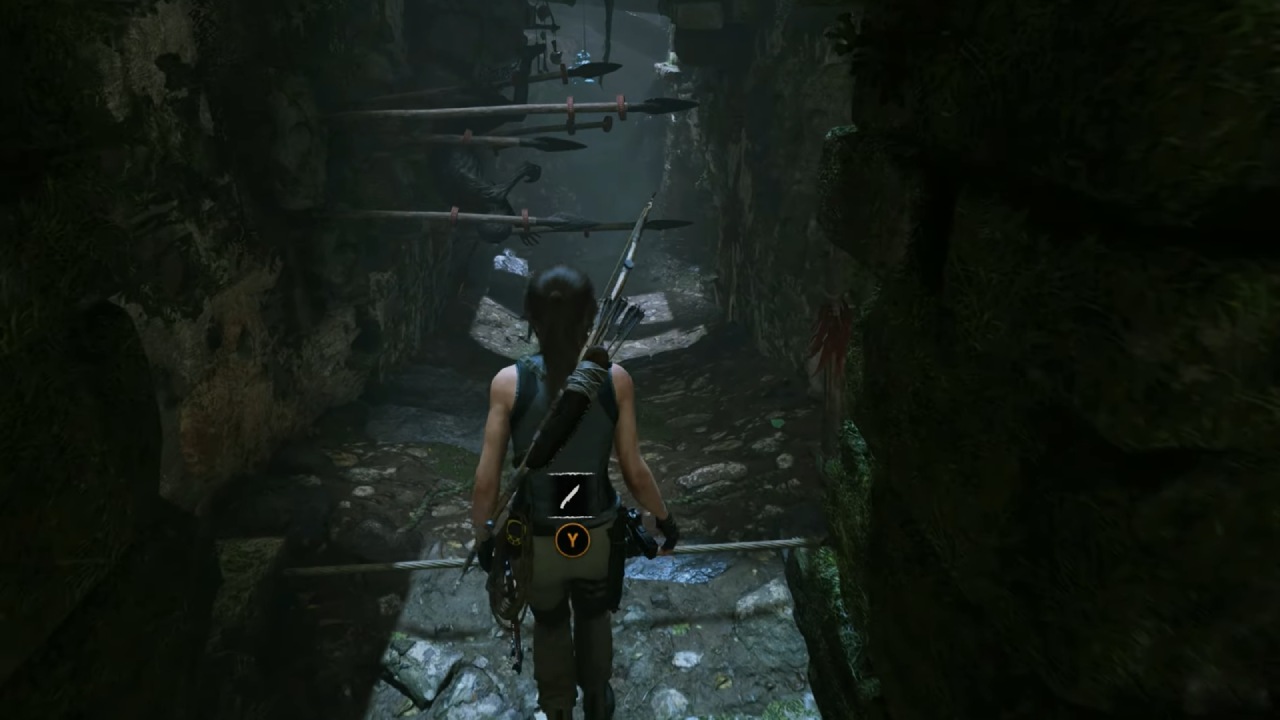
Stop playing Tomb Raider
At 1080p, the RTX 2070 averaged 119 fps at the basic quality setting. At 1440 p.m., it averaged 86 fps. The 3070 was 57% quicker, the 4070 was 24% to 28% faster than the 3070, and the 5070 was 26% faster than the 4070. The 2070 achieved 102 fps at 1080p and 72 fps at 1440p on the highest-quality preset. At 1080p, the 3070 was 55% faster; at 1440p, 27% faster; and at 4K, 24% faster. The 5070 was 25% faster than the 4070
Average of Seven Games
At 1080p, the RTX 3070 was 55% quicker than the 2070; at 1440p, it was 59% faster; and at 4K, it was 62% faster on low to medium settings. At 1080p, the 4070 made things 31% faster; at 1440p, 27% faster; and at 4K, 24% faster. At 1080p, the RTX 5070 was 14% faster; at 1440p, 20% faster; and at 4K, 22% faster, with an average frame rate of 95 fps.
The 3070 was 57–68% faster than the 2070 at high to ultra settings. The 4070 was 27–33% faster than the 3070, and the 5070 was 16–23% faster than the 4070.
Value and Cost per Frame
The 3070 cut the cost per frame by 40% at 1440p compared to the 2070. The 4070 cut the cost per frame by 8%, and the 5070 cut it by 24%. When you account for inflation, the 3070 improved the cost per frame by 43%, the 4070 by 22%, and the 5070 by 28%. The 3070 had the largest generational increase, but the 4070 and 5070 offer better relative values when inflation is factored in.
Limitations of VRAM and Things to Think About in the Future
The RTX 5070 has the same 12GB VRAM limit as the 4070. In the future, it may struggle with features that require significant VRAM, such as ray tracing and upscaling. The 5070 Ti, with 16GB of VRAM, would be a better choice for long-term use. For most current games and settings, 12GB of VRAM is enough, but it could harm investments that last for many years.
Price and MSRP
The RTX 2070 came out for $500 US and had 8GB of VRAM. The 3070 launched at $500 US and offered better performance. The 4070 came out for $600 US and had 12GB of VRAM. The 5070 came out for $550 US and had 12GB of VRAM. The 5070 costs less than the 4070 but works 20% better.
The best pick will depend on the price and availability in your area. Compared to the RX 9070, the cost per frame and performance are about the same. AMD RX 9070 has 16GB of VRAM, but it doesn't handle upscaling as well, and ray tracing performance is a little worse.
Final Thoughts
The RTX 5070 has better performance than the 4070, but it still has 12GB of VRAM. It can play most current games at resolutions up to 1440p and handle powerful ray-tracing games, but only to a certain point. Pricing and availability impact value, and future VRAM needs may impair performance in the long run.
The RTX 70 series shows small performance improvements with each new generation. The 3070 has the biggest generational leap, while the 4070 and 5070 make only small advances at higher prices.
Also, check our other NVIDIA articles:
- NVIDIA GeForce RTX 5080 Review (2025): Still A 4K Gaming Powerhouse?
- NVIDIA RTX 5070 Review: Mid-Range Muscle or Marketing Hype?
- RTX 5070 Ti Review: Performance, Thermals & Power Efficiency Tested
- ASUS GeForce RTX 5090 LC Liquid Cooled GPU Review: Unmatched Silence & Speed
- MSI GeForce RTX 5090 32GB SUPRIM SOC Review: Power Efficiency, Cooling, and Gaming Performance
- INNO3D RTX 5060 Ti 16 GB X2 Review: Gaming Benchmarks, Temps, and Power Efficiency
- HP Omen 45L Review: RTX 5090 Performance, Thermals, and Value Analysis
- ASUS TUF Gaming GeForce RTX 5060 Ti Review: DLSS 4, Power Efficiency, and Gaming
- ASUS Prime RTX 5060 Ti OC 16GB Review: DLSS 4, Ray Tracing, & Thermals Tested
- NVIDIA GeForce RTX 5060 Review: Specs, Gaming, and Cost per Frame
- MSI GeForce RTX 5090 GAMING TRIO OC Review: A Monster Power GPU
Editor, NoobFeed
Gaming Hardware Updates
No Data.