
PS6 Delay Could Stretch Console Gen Into the Next Decade
Rising hardware costs and strong PS5 sales are pushing Sony toward a longer console generation strategy.
Hardware by Tanvir Kabbo on Jan 26, 2026
As hardware prices rise, players' habits change, and console life cycles lengthen, the video game industry is evolving. This has made experts rethink what they expect from the next generation of consoles.
We've been talking a lot about video game hardware lately, like how costs keep rising and how the next generation of consoles might not come out on time. Another expert in the field now agrees with that view. David Gibson of Sandstone Insights Japan thinks that the PlayStation 6 is not just late, but that it will be late for a long time, far longer than most people thought.
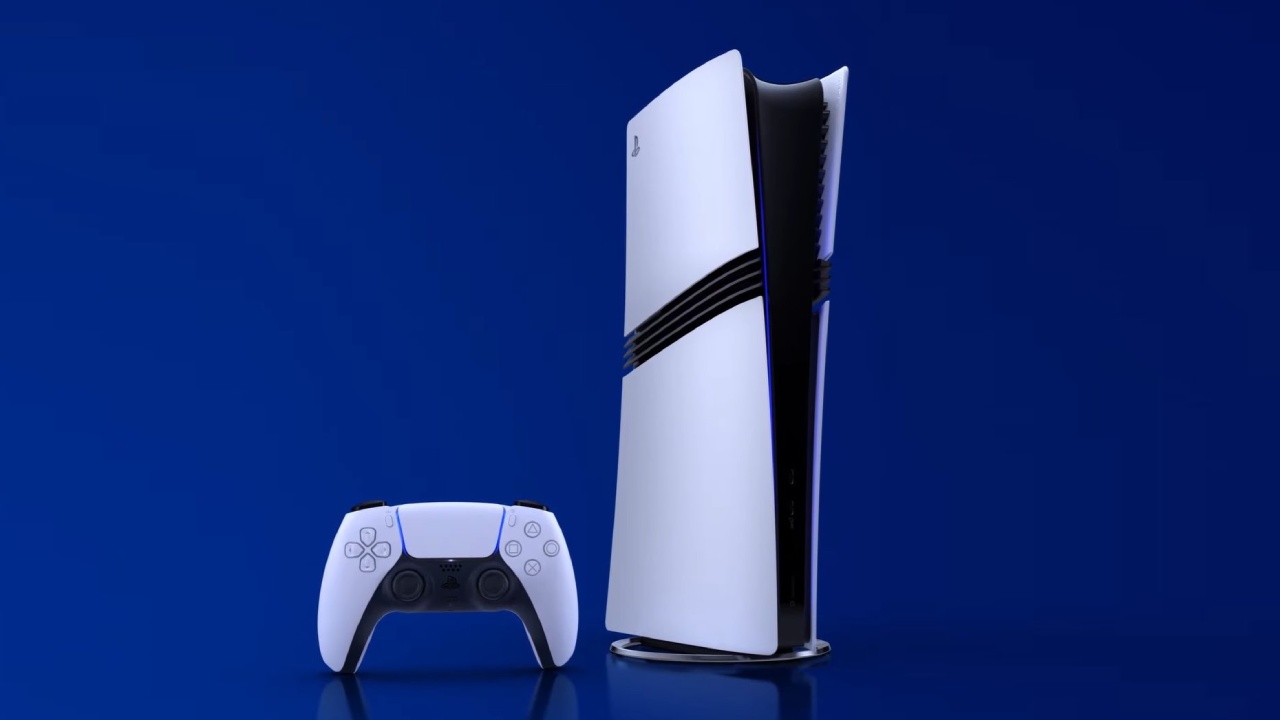
Extended PlayStation Life Cycle and PS6 Timing
The expert says Sony expects the PlayStation 5 to last longer than expected, and that the PlayStation 6 will come out later than expected. A lot of fans thought it would come out in 2027 or 2028, but now it looks like it won't come out until 2029, 2030, or possibly later.
Sony's recent excellent success was partly due to an anticipated price decrease for the PlayStation 5 around the holidays. That move helped boost sales and was reportedly planned well in advance. Some fans may be upset about having to wait longer for new gear, but we think Sony's plan is a good one.
Nintendo did a great job of showing this with the first Switch, which focused on optimizing software and ensuring the hardware would last for a long time rather than making quick jumps between generations. That way, developers could learn everything there was to know about the hardware and keep pushing it further.
Shifting Player Preferences and Hardware Plateaus
More and more gamers are choosing handheld and flexible gaming solutions. The Steam Deck and other portable systems show that more and more people want to play games anywhere. Even PlayStation has recognized this tendency. The PlayStation Portal has a 7% attach rate to PlayStation 5 hardware life-to-date.
We don't think the typical console update cycle is as important as it used to be. Graphical enhancements have reached a point where they are no longer as obvious to most gamers. New hardware is great, but the industry would be better off focusing on improving gameplay mechanics, stabilizing performance, and finding new ways to play rather than making minor visual improvements.
Why Hardware Delays Make Sense Right Now
Cost is one of the main things that could cause delays. Prices for key components like RAM and GPUs keep rising, making it harder and harder to launch a new console at an affordable price.
At the same time, major platform owners are increasingly interested in cloud infrastructure and subscription-based ecosystems because they can generate revenue from services rather than buying hardware.
Cloud gaming is definitely more convenient, but it also takes some of the players' power away. We might prefer hardware, but the trend toward digital-only games shows how people are changing their habits. From a business point of view, that change makes longer hardware generations more possible.
David Gibson also discussed Sony's financial future, saying that strong sales of both first-party and third-party games will make it easier for Sony to keep the current system generation going. The PlayStation 5 is still doing well, so there is less need to release new hardware quickly.
When we look at the health of the whole sector, Circana's data shows some interesting trends from 2025. Almost half of PlayStation 5 hardware sales and almost two-thirds of Xbox Series hardware sales didn't come with a physical media drive. About 13% of PlayStation 5 sales were for Pro models, which is similar to how well the PlayStation 4 Pro did in the past.
The 7% attach rate for the PlayStation Portal backs up the premise that gamers want both traditional console experiences and the freedom to play anywhere.
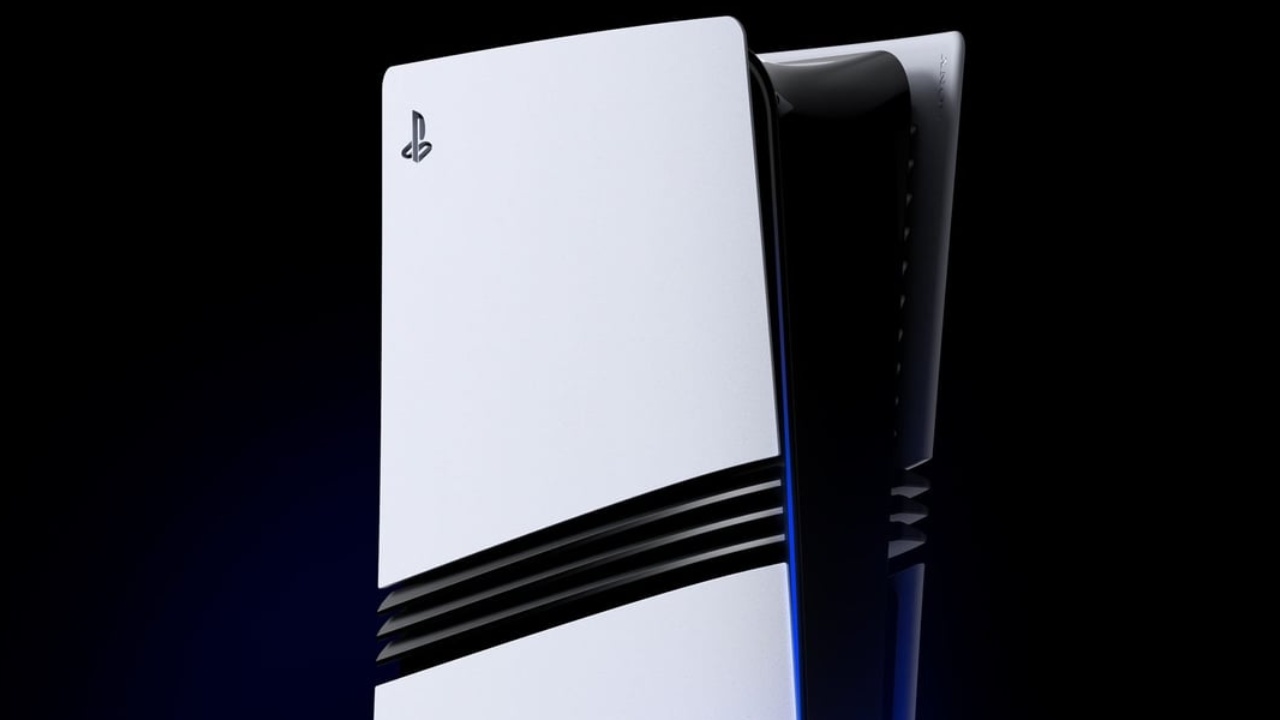
PS5 Pro Performance and Historical Comparisons
Industry insiders say the PlayStation 5 Pro is doing about as well as the PlayStation 4 Pro. In the past, the PS4 Pro made up roughly 13% of all units sold and about 15% of all revenue. The release didn't change unit sales patterns much, but it did raise the average selling price by targeting serious buyers rather than the general public.
The PlayStation 5 Pro now accounts for about 3% of all PlayStation 5 sales so far, and that share is likely to rise over time. It's hard to compare lifetime data from one generation to mid-cycle data from another, especially when the PlayStation 5 still has many years of strong sales ahead of it.
Console Market Balance and Nintendo's Momentum
Nintendo is still doing quite well in the larger console market. The Switch 2 has set a new record for sales speed, making it one of the fastest-selling console platforms ever. That success is different from how poorly other competitors have done, which keeps the total console market in balance.
The console market as a whole is still rather solid, even though some platforms go up and down. Strong sales from Nintendo and PlayStation help offset losses in other areas, keeping the sector stable.
Why Delaying the Next Generation Could Be Healthy
We don't mind that PlayStation, Xbox, and other companies are pushing back the release of their next-generation consoles. It's just not practical to expect many people to buy new technology that costs $1200. To be accessible, consoles need to have good $400 or $500 options. A lot of players wouldn't play if they didn't have that.
We'd rather see developers work on greater optimization and real innovation instead. A little graphics upgrade isn't enough to get people excited when the present hardware isn't being used to its full potential. Recent big-name games indicate that patches and optimizations, not just raw hardware power, can improve performance.
We think that console delays can be a positive thing if that's what you're asking. Giving developers more time to improve their engines and tools could benefit everyone. You don't require small cosmetic enhancements when better performance, smarter design, and taking creative chances can make far bigger improvements.
Also, check our other PS5 Pro articles:
- PS5 Pro vs. PS5 Slim: Frame‑Rate, Graphics & Performance
- PS5 Pro vs. Radeon RX 9060 XT vs RTX 5060 Ti: Ultimate $700 Gaming Showdown
- ASUS ROG Ally PS5 Remote Play | How to do Remote play on PS5 Using Sony's Official Remote Play App
- Stream PS5 Games on Steam Deck OLED: Step-by-Step Installation and Configuration
- AI Upscaling on PS5 Pro: Can PSSR Finally Match DLSS?
- PS5 Pro vs. PS5 Slim vs. PS5 — Design, Storage, Specs, and Gaming
- PS5 Pro vs. Xbox Series X: Specs, Price, Storage, Customization, and Gaming
- PS5 Pro vs. PC Gaming: Comparison of Graphics, Frame Rates, and Price
Senior Editor, NoobFeed
Gaming Hardware Updates
No Data.