
RAM Prices Face More Pressure From AI Memory Demand
RAM prices could remain elevated through 2027 as AI demand absorbs memory capacity and new production takes time to arrive.
Hardware by Shinji Okazaki on Sep 18, 2026
As AI infrastructure demands grow, memory prices continue to rise, with an increasing focus on enterprise customers. The RAM shortage has begun to affect enthusiasts and is now spreading to smartphones and other consumer electronics, making it harder to keep costs down. The 2026 shortages are beginning to take a toll.
Those who have followed memory prices have seen them rise by up to 419% in the US since last year. Lexar's representative says RAM prices could double again before the end of 2026 because of ongoing supply issues. Businesses such as CXMT no longer sell chips below market price. Instead, they set prices based on current demand and broader trends in the memory industry.
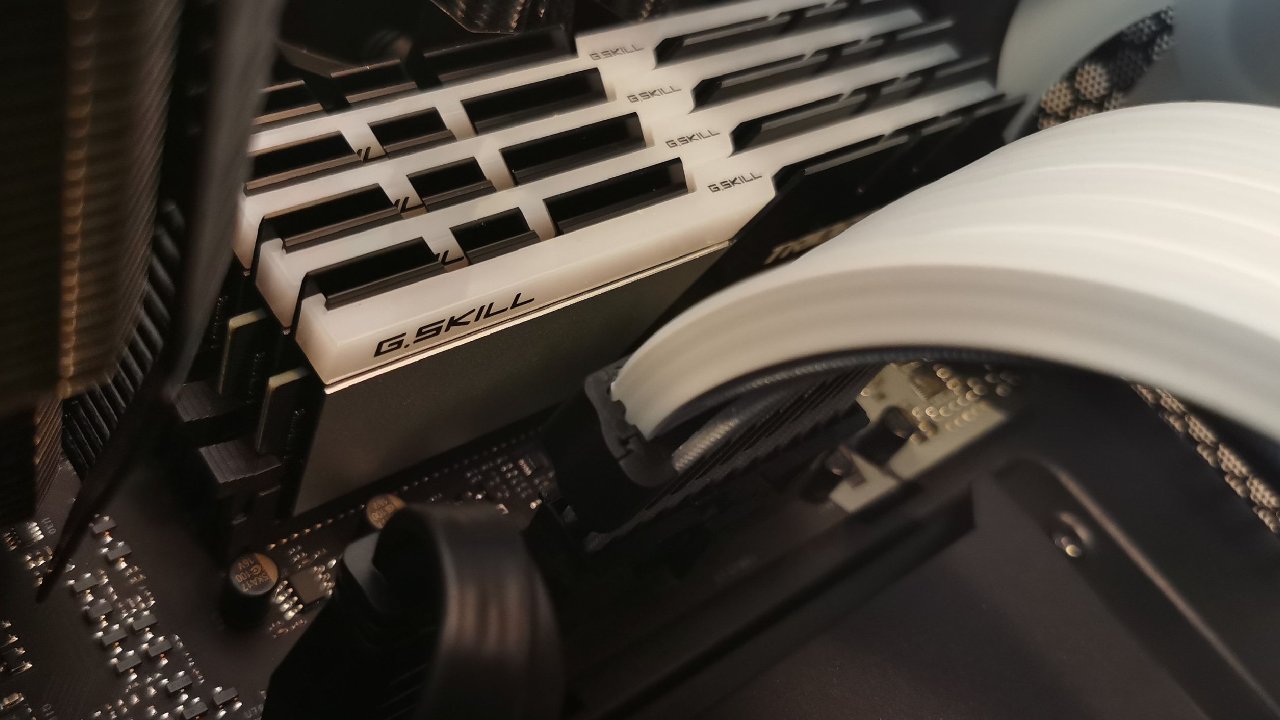
Memory Inflation No Longer Applies to PCs
Nothing CEO Carl Pei has said that RAM can account for over 50% of a new smartphone's price. Phone makers are under pressure as memory costs continue to rise in the second half of 2026. Even Apple has hinted that rising prices are inevitable and that there's no sustainable position in the existing memory chip mess.
From PCs to smartphones, memory costs are now a major factor across a wide range of products. AI's rapid infrastructure growth is impacting memory manufacturers' production plans. AI's infrastructure growth is transforming memory manufacturers' production allocation.
Traditional memory suppliers are increasingly turning to high-bandwidth memory for the AI data center market. This is making consumer-oriented memory chips a lower priority. The rise in enterprise customers has led to a supply shortage and ongoing demand.
Much of the industry's production capacity is directed toward customers with significant purchasing power. But as enterprise clients and AI data centers use more memory, less is left for consumer products. Memory is one of the most affected parts in the PC hardware industry, as RAM prices have risen 4-5-fold since the fall of 2025.
Memory costs are rising, and it's becoming an increasingly pressing issue.
Some vendors, like CXMT, must continue producing consumer chips alongside enterprise chips. That's a good way to balance it out, particularly because relying too heavily on large enterprise customers whose buying decisions are influenced by market conditions could pose long-term risks.
The problem, originally targeted at the PC-building community, has gradually expanded to encompass an increasing number of products. It's no longer just enthusiasts and price watchers who are plagued by memory problems.
A supply shortage driven by demand for AI technology is affecting the future of smartphones, PCs, and devices everywhere. Memory is available for now, and prices are rising. With no significant changes in production priorities or supply improvements, consumers can expect to pay more for RAM in 2026 as well.
Editor, NoobFeed
Gaming Hardware Updates
No Data.