
RAM Shortage Spreads as PC Hardware Launches Face Delays
Memory price surges trigger delays in GPUs, mini PCs, and gaming hardware across the global tech industry.
Hardware by Nahe Yan on Feb 09, 2026
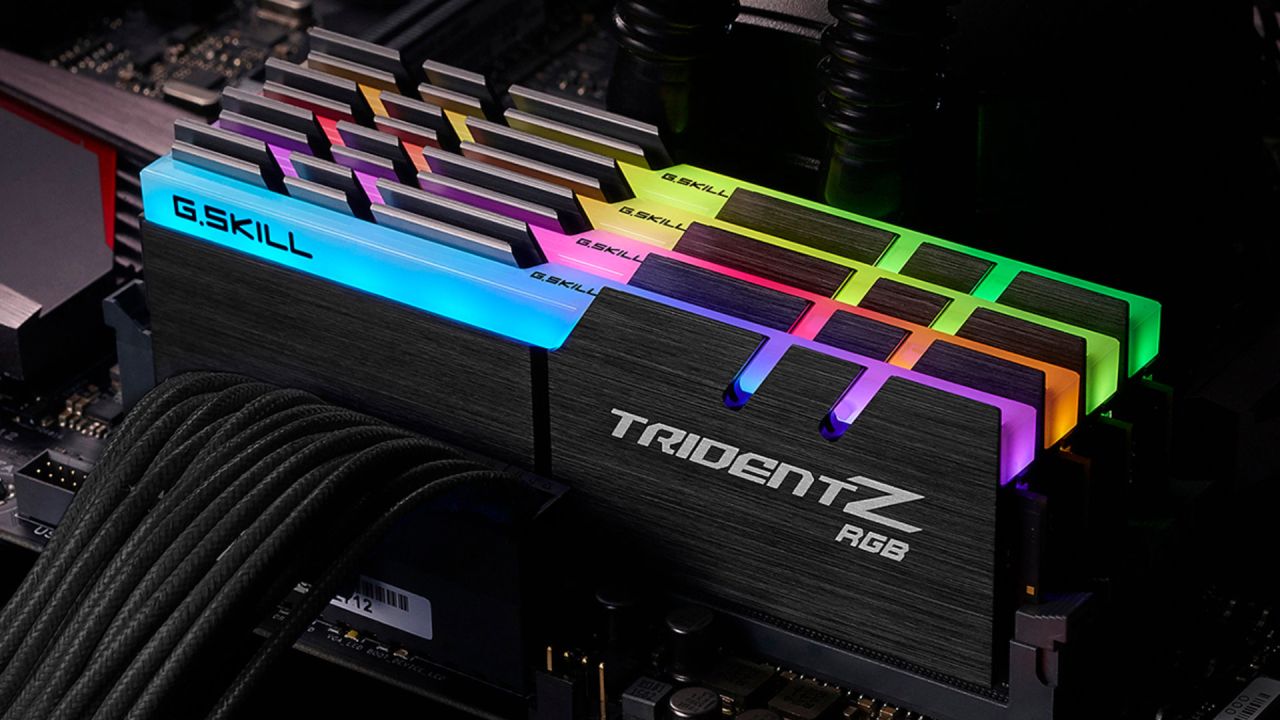
The crisis in PC memory and, by extension, hardware in general continues and seems to be getting worse. Delays or cancellations are likely for planned launches, such as new Steam hardware and Nvidia and Intel GPUs.
Even with this pressure, some changes point to little progress, especially when corporations rethink their aggressive AI expansion plans and respond to public objections. These changes give us some hope in a hardware market that is otherwise very tense.
.jpg)
The memory and hardware crisis is still going on
The lack of RAM and PC hardware is still a problem. Counterpoint, a research company, says that memory prices would rise by 80% to 90% from the fourth quarter of 2025 to the first quarter of 2026. This is on top of prices that were already growing late last year. These situations make people worry that they won't be able to afford personal computers.
Major PC makers and system integrators are still having trouble getting enough RAM. Even newer suppliers who used to promote lower prices have raised their prices as they saw more chances to make money. At the same time, the prices of raw materials such as copper, tin, and aluminum are rising, further pressuring the hardware supply chain.
Steam Hardware Delays
Valve's announcement of its Steam Machine small PC and Steam Frame VR headset drew a lot of attention, but it came at the same time as RAM prices were rising sharply. Valve later admitted to delays and said that, while the goods are still scheduled for the first half of 2026, the prices and release dates remain unknown. The company said it had planned to release specific information sooner, which shows how unstable hardware schedules have become during the crisis.
Problems in the GPU Market
The GPU market is having the same problems. Reports say Nvidia changed its plans for the RTX 50 Super refresh, which was supposed to launch in Q1 2026, because there aren't enough memory chips available worldwide. Current evidence suggests there may be no new Nvidia graphics chips for gamers in 2026, which would be a first. The next-generation RTX 60 series was supposed to enter general production by the end of 2027; it may now be pushed to 2028.
The roadmap for Intel's GPUs has also disappointed people. Arc B770, which was supposed to come out, hasn't yet, and it looks unlikely to turn a profit in the current market. Intel is focusing on professional and enterprise GPUs, which offer higher margins, but that means fewer options for consumers.
Hardware Reliability Data Gives You Peace of Mind
There is a lot of worry about hardware failures, but large-scale reliability data puts things in perspective. System integrators who assemble thousands of PCs say CPUs, GPUs, and motherboards don't fail very often. Intel Core Ultra 200S and AMD Ryzen 9000 CPUs have failure rates of about 2.5%, but certain versions do better than others. Several manufacturers' GPUs and motherboards are quite reliable, which suggests that most parts are still reliable, even though there are some reports to the contrary.
Slowdown in AI Investment and Its Effects on the Market
There are still hardware shortages because AI data centers need so much of it. But big statements about AI investments have been changed. Big numbers in the news that were once linked to huge data center expansions were made as clear as possible: step-by-step investments rather than solid promises. This moderation had a short-term effect on stock values, but they later steadied. Lower AI growth might reduce strain on hardware supply, which would indirectly benefit consumers.
More and More People are Against AI Features
The way people feel about using AI has changed. A lot of people don't like that AI has to be built into software and online services. Because of this, browser makers have made the settings easier to see. As an example, you can now turn off AI features for all jobs or just some of them.
Advancements in Storage Technology
The lack of storage room has made people interested in new hard drive technologies. With new technologies, storage sizes of 50TB to 100TB and speeds of 300MB/s to 1200MB/s are possible. High-bandwidth drive technology and twin-actuator designs are two ways to make sequential speed a lot better. These changes are mostly meant to help data centers, but other storage options may help ease demand pressure on all gear.
Playing Games and Developing Without AI
One big game that is due out soon is still on track, which is a different kind of comfort from hardware problems. Developers have said that generative AI is not being utilized to make the core game, and they stress that the design is done by hand. AI tools can only be used for internal tasks, not for creative work.
Final Thoughts
The hardware market is still struggling, as memory pricing, GPU availability, and system costs are making it hard for customers. At the same time, dependability data, restrained AI investment, new storage technologies, and selective pushback against undesirable AI features signal small but important signs that things are getting back to normal.
We are still dealing with these problems while keeping an eye out for any developments that could eventually make things easier and more stable for regular PC users.
Also, check our other AMD articles below:
- AMD Ryzen 9 9950X3D Review: Setting The Standard For 2025 Gaming CPU
- AMD Ryzen 7 9800X3D Review: 3D V-Cache Goes God Mode with Stunning Gaming Performance
- AMD RX 9070 Performance Review: Thermals, Clocks, and Real-World FPS
- AMD Ryzen 5 7600 Review: Best Budget Gaming CPU of 2025?
- AMD Radeon RX 7800 XT Review: RDNA 3 Power For Midrange Gaming
- Sapphire NITRO+ AMD Radeon RX 9070 XT Review: The Ultimate 4K Gaming GPU
- AMD Ryzen 7 7800X3D: Delivers Gaming Performance Far Beyond Expectations
- AMD Ryzen 9 7900X Review: Powering the AM5 Era with DDR5 & PCIe 5.0
- Intel Core i9‑14900K vs. AMD Ryzen 7 7800X3D: Power Profiles & Gaming Benchmarks
Editor, NoobFeed
Gaming Hardware Updates
No Data.