
RDNA5 Leak Points to Major GPU Changes and Possible PlayStation 6 Delay
RDNA 5 and next generation consoles face uncertainty as AMD confirms timelines for partners but omits key platforms.
Hardware by Nahe Yan on Feb 06, 2026
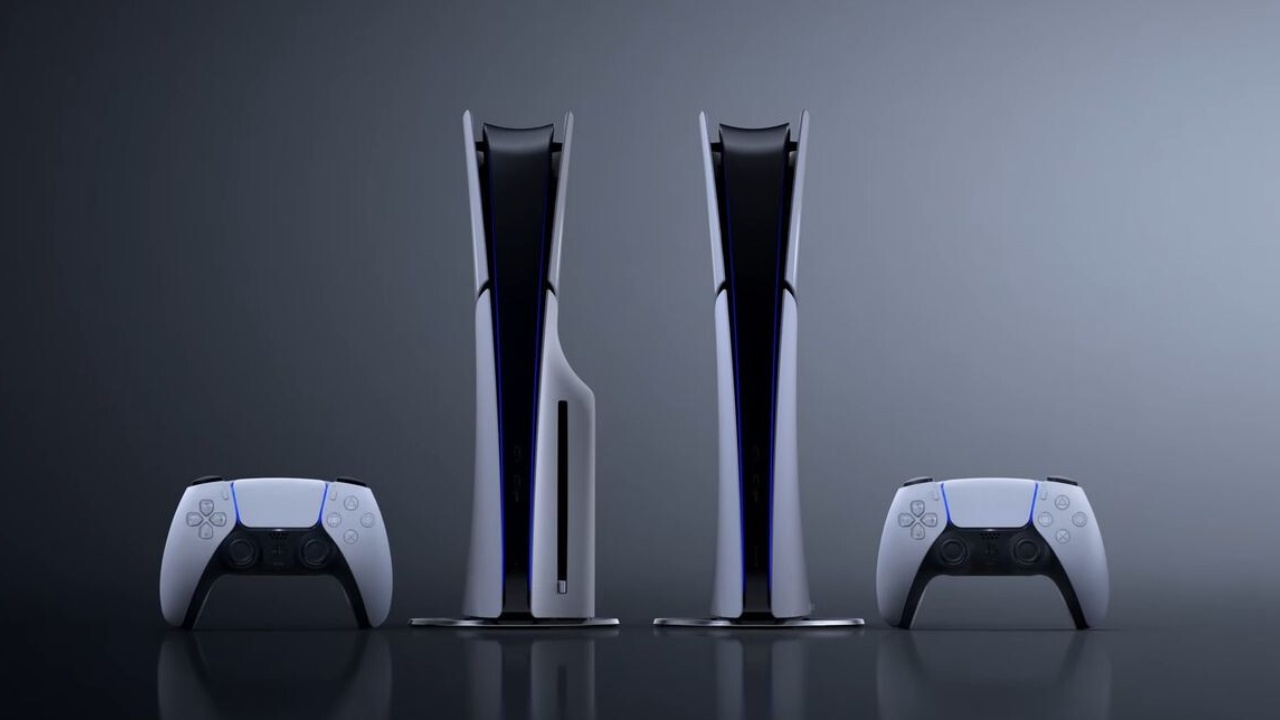
The development of Microsoft's next-generation Xbox SoC is going well, and the console is still on track to come out in 2027. It's interesting that neither Sony nor the PlayStation 6 were talked about on the call. Partners usually accept statements during earnings calls, but Sony wasn't there, which made people worry about when the PlayStation 6 would come out.
The semi-custom SoCs that will power the next Xbox are on track to be ready by 2027. AMD also expects semi-custom SoC sales to drop by a large double-digit percentage in 2026, indicating that the current console cycle is slowing. It looks like console sales are leveling off. Major releases like Grand Theft Auto 6 could spark new interest. However, other issues, such as manufacturing costs and pricing pressures, continue to affect the market.
.jpg)
Timing of the Console Market and Sony's Place
Microsoft seems set to release new hardware in 2027. Still, the way it's going suggests a semi-custom PC-style solution rather than a regular console. The plan may include more frequent hardware updates every 2 to 3 years, but the price is still up in the air. This direction is different from Sony's quiet.
There are a few ways to look at the lack of talk about PlayStation 6. Sony may have decided to keep its plans secret, or it may still be deciding on prices and release dates. For a long time, people have speculated that the PlayStation 6 will launch in late 2027 or early 2028. There are early engineering samples of the SoC, but a final decision on when to launch it may not have been made yet.
Leakers who have been right in the past say that Microsoft is more likely to launch in 2027, while Sony might wait. One reason is market placement, since those who buy Xboxes may be more inclined to pay more. Another thing is that Sony has said it will release two systems: a regular PlayStation 6 and a handheld. It can take more time to coordinate both systems.
Cycles of Development and the Balance of Hardware
The suspected PlayStation 6 handheld has a weaker GPU than the PlayStation 5, but it might be better at ray tracing. The memory capacity is larger, which could help avoid problems that occur in systems with insufficient memory. Some games had problems in the past because they didn't have enough memory, not because the GPU wasn't powerful enough.
Developers have said that it could be helpful to prolong the present generation. Many teams are still getting the most out of their current gear, and game development cycles can last anywhere from three to five years. The number of PlayStation 5 owners is still growing, and the PlayStation 5 Pro is reportedly doing well. Updates, such as a possible PSSR2 upgrade, could make the system even more useful.
Changes to Medusa, Zen6, and Cache
People are also paying attention to Medusa, Zen6, and RDNA5 after an AMD kernel patch said that several functions will no longer work on SMU500, which is thought to be related to Medusa. These patches are real and show that the system has been modified.
Earlier reports linked this SMU version to new hardware, supporting the idea that major design changes are underway. Older designs, like Strix Halo, included 32MB of cache, sometimes called Infinity Cache or last-level cache, linked to the chip. This improved bandwidth and on-die data access.
Recent research shows that some Medusa variations may stop using this cache method. In the leaks about RDNA5 specifications, there are no clear mentions to Infinity Cache. It seems likely that AMD is changing away from this design for at least some SKUs based on this. Different versions that use separate GPUs might keep the old graphics IPs, while other versions might change how they are structured.
Final Thoughts
RDNA5 introduces major architectural changes, including how caches are built and the overall design philosophy. There is still disagreement over how many compute units there should be, but removing or reducing the on-die cache would be a major change. Once AMD makes official announcements, it will be very important to understand why they made these choices.
As AMD prepares to formally present RDNA5, the focus will be on how these decisions impact performance, efficiency, and scalability across future GPUs and semi-custom console hardware. The next phases will make it clear how these changes to the architecture fit with the schedules of next consoles and PC platforms.
Also, check our other AMD articles below:
- AMD Ryzen 9 9950X3D Review: Setting The Standard For 2025 Gaming CPU
- AMD Ryzen 7 9800X3D Review: 3D V-Cache Goes God Mode with Stunning Gaming Performance
- AMD RX 9070 Performance Review: Thermals, Clocks, and Real-World FPS
- AMD Ryzen 5 7600 Review: Best Budget Gaming CPU of 2025?
- AMD Radeon RX 7800 XT Review: RDNA 3 Power For Midrange Gaming
- Sapphire NITRO+ AMD Radeon RX 9070 XT Review: The Ultimate 4K Gaming GPU
- AMD Ryzen 7 7800X3D: Delivers Gaming Performance Far Beyond Expectations
- AMD Ryzen 9 7900X Review: Powering the AM5 Era with DDR5 & PCIe 5.0
- Intel Core i9‑14900K vs. AMD Ryzen 7 7800X3D: Power Profiles & Gaming Benchmarks
Editor, NoobFeed
Gaming Hardware Updates
No Data.