
RG Vita Revival—Anbernic’s Nostalgic Handheld Sparks Confusion and Excitement
Not a Sony return, but a bold homage, the RG Vita and RG Vita Pro show that old handheld designs still have power, and the retro market is quietly watching.
Hardware by Zahra Morshed on Feb 05, 2026
In the mobile market, ghosts often come back to life, and this week, one of gaming's stranger icons did just that. A new device that clearly looks like the PlayStation Vita has come up in talk, but it's not made by Sony.
The silhouette instead comes from Anbernic, a brand that is known for precise nostalgia rather than platform aspirations. Anbernic has made a name for itself by making handhelds that are good at emulating popular form factors.
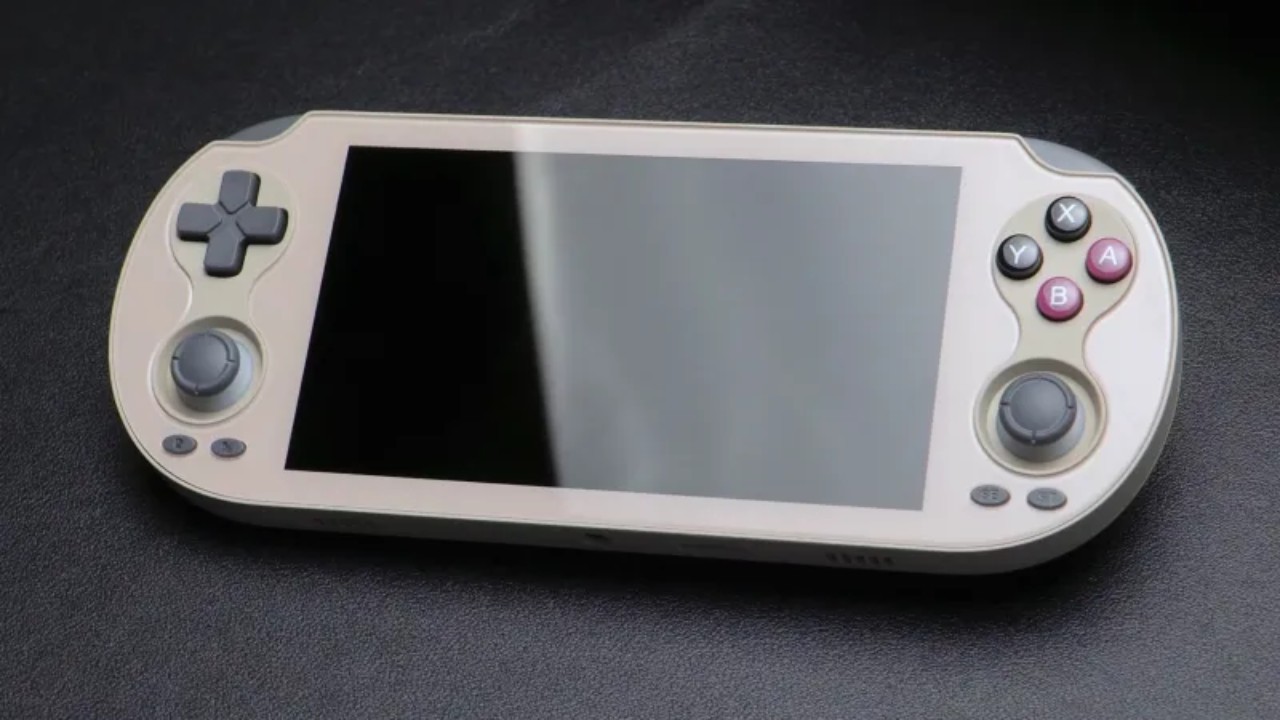
The new RG Vita and RG Vita Pro continue the history of designs that look like the Game Boy Advance, the clamshell SP, and even the Nintendo DS's dual screen proportions. This time, the designs are based directly on Sony's short-lived but influential portable.
Even though it didn't do well in the market, the original PlayStation Vita is still a fan favorite.
It made a big impact with its industrial design, OLED screen in early models, and plans to be a console-level device. That history now seems to be what inspired Anbernic's next move, which is a play on familiar themes while also leaving room for new interpretations in the modern world.
The addition of a Pro version is what makes this reveal stand out. In the past, Anbernic has marketed itself as a low-cost option to other handheld devices, putting value over luxury. A Pro label means a change in tone, which could mean better internals, better display technology, or more emulation headroom than what's expected at the starting level.
Details are still purposely hard to find. No details have been revealed, and there is no date set for the release. Speculation points to either a screen with a better resolution, possibly based on OLED technology, or hardware that can handle more demanding emulation tasks that earlier Anbernic devices didn't have the power to do.
This uncertainty could be done on purpose.
Anbernic likes to let design talk first, letting nostalgia build steam before getting into the technical details. By making the device look like a Vita, the company is able to reach users who still feel like current portable ecosystems don't do enough for them.
It's important to know what this thing is not. The RG Vita is neither a licensed device nor a return to Sony's handheld goals. This piece of hardware is in the gray area of enthusiast hardware, where homage to form factors meet open source flexibility and user-driven modification.
In the past few years, that space has grown very quickly. Handheld emulation devices aren't just interesting fads anymore; they're a real market with passionate fans. People in that audience trust Anbernic's work because it comes out consistently.
This makes any new design feel like an important event instead of a pointless novelty.
The question of longevity is still open. Devices that are tied to proprietary services may become obsolete, but Anbernic's platforms have always relied on local software and help from the community. This method might last longer than hardware that needs to be subscribed to, even as operating systems and simulation standards change.
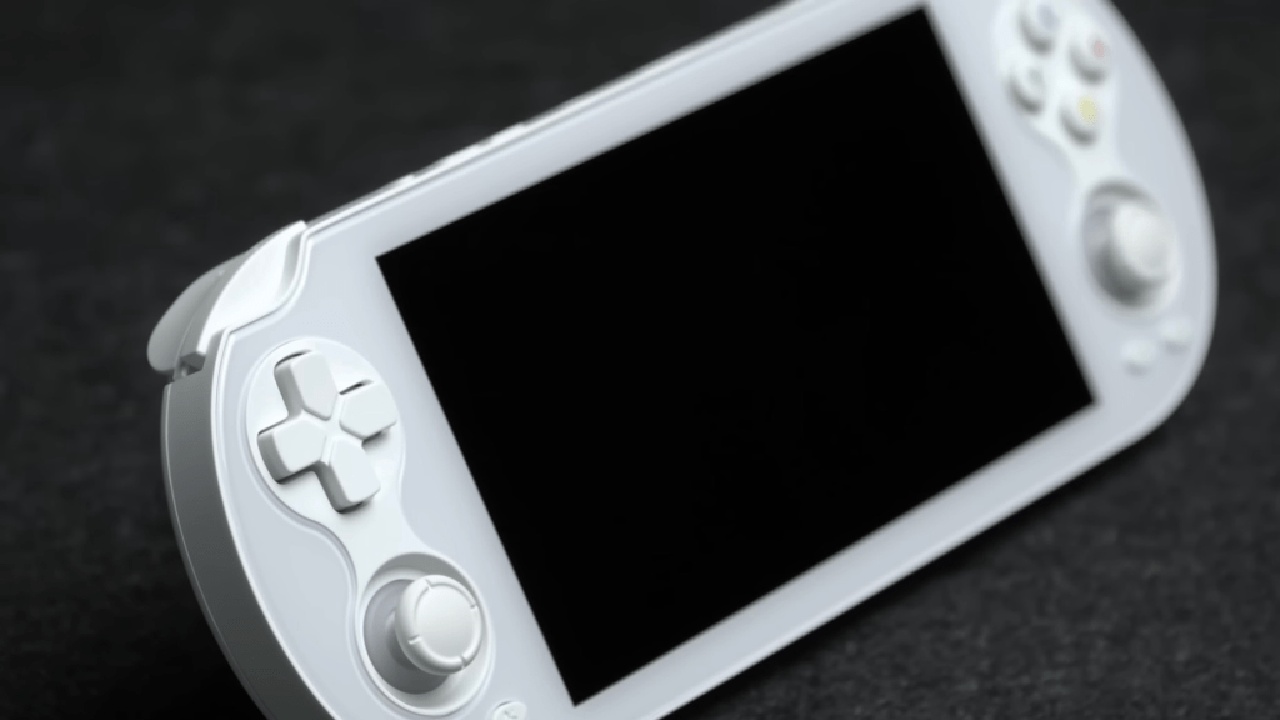
For people who like how the Vita is designed and how it fits in your hand, the RG Vita is more of a chance than a promise. It serves as a lesson that good design doesn't go away when a platform does. It just waits for the right time to come back, but this time with a different attitude.
Until specifics come out, interest does most of the work. The RG Vita and RG Vita Pro are quiet and stand out among portable devices. They want to be noticed but don't force it. That lack of change may be the most important statement in a market full of small updates.
Contributor, NoobFeed
Gaming Hardware Updates
No Data.