
Rising RAM Costs and the Future of PC Building
Rising RAM costs shape upcoming PC builds while shifting market forces influence hardware choices across the gaming landscape.
Hardware by Shinji Okazaki on Dec 11, 2025
RAM prices are rising rapidly across both the PC gaming and DIY markets. Many builders are asking if things will settle down in early 2026. Prices, availability, and building strategies are being shaped by production limits,
AI demand, and changes in the CPU and motherboard markets. Here, we look at current RAM trends, what manufacturers are doing, and offer some tips for buying memory.
RAM Prices are Rising, and Gaming PCs are Still Useful
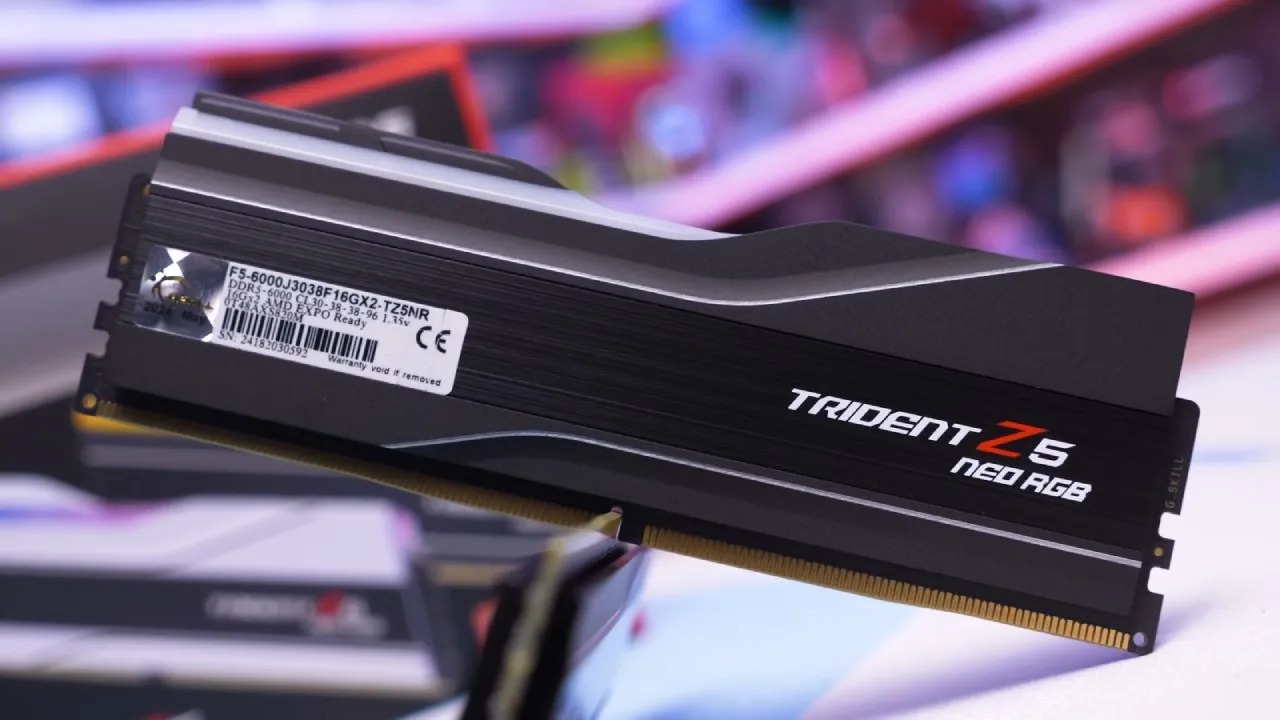
People are asking whether the high price of RAM will make it harder to build gaming PCs by $200 or more, and whether this will affect PC building in 2026 or 2027. We understand your worry, but we don't think PC building is going to die away. We looked at pricing trends from the past few months and saw that 32GB DDR5 5600 CL30 kits cost between $200 and $220.
We can now get 32GB DDR5 5600 CL30 for about $243, which is close to the performance of 6000 CL30. Even from firms like Clev, you can still get kits with fewer features, like RGB or large heat spreaders, at reasonable prices.
We've also seen white DDR5 6000 CL36 RGB kits for about $298 and black RGB kits for about $315. Brand-name RAM like GSkill usually costs between $330 and $350. Fortunately, stores still offer package discounts that help lower prices.
Prices have also gone down for other parts, such as CPUs, coolers, PSUs, and casings. Ryzen 7600X costs about $180. You can find B650 motherboards for as little as $109. Most tower air coolers cost between $15 and $20. There are also ongoing reductions in PSUs and cases.
The problem is RAM, which has seen big price rises since late September. But the rate of growth has slowed down after Black Friday. People are no longer panic-buying, and while prices are rising due to supply shortages, we expect them to level off until there is a serious memory shortage.
If RAM prices level out, 2026 might be better than most of 2025. For much of 2025, GPU prices were high. Even as RAM prices rose, a mid-range or high-end system in late 2025 or early 2026 can still cost less than it did earlier in the year.
Micron is Shutting Down the Crucial Brand.
Many people are wondering why Micron decided to stop making Crucial-branded products after 29 years. Micron is one of the three biggest RAM makers in the world, and this move shows that it is moving toward supplying the AI industry. It is yet unknown whether Micron will cut back on DDR4 and DDR5 chip production or send Crucial's supply to partners like GSkill,
Team Group, Silicon Power, and Corsair. Given the tight market, we hope DDR5 output remains steady. This predicament is a well-known illustration of how AI demand is changing the hardware market.
CL30, CL36, and CL38 Compared to the New RAM, The Sweet Spot
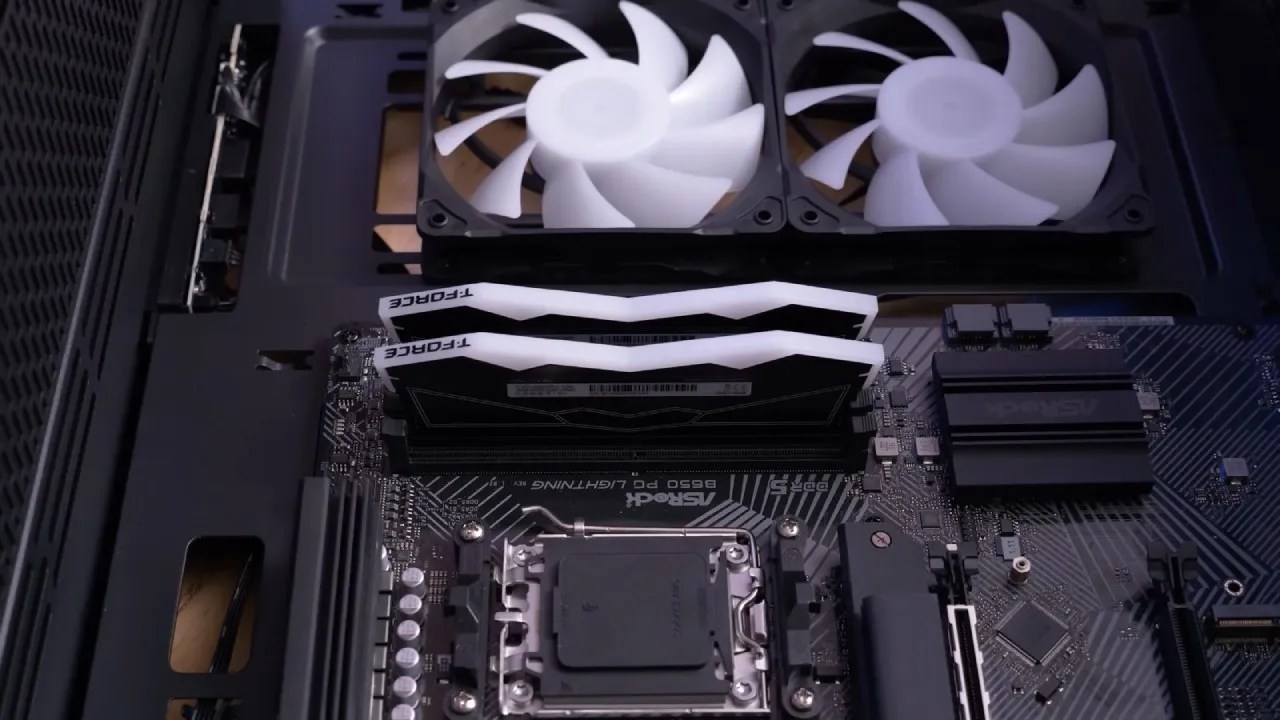
People have asked us whether CL36 or CL38 RAM is much worse than CL30, especially for AMD systems. Previously, DDR5 6000 CL30 was the standard value because price disparities between tiers were negligible. 6000MT/s is good for AMD systems because it matches the memory controller's maximum 1:1 speed. However, going above 6000MT/s usually means using a 2:1 mode. The drop in FPS from 1:1 to 2:1 on AMD is not that big.
If you use an RTX 4090 or 5090 at lower resolutions, CL36 or CL38 will give you almost the same real-world gaming performance as CL30. Timing disparities in RAM matter less as resolution increases.
Right now, we propose DDR5 5600 CL40 (which is the same as DDR5 6000 CL42) or faster. When you pay more for tighter timings, you usually don't get as much real-world performance gain as you do when you upgrade the CPU. For instance, switching from Ryzen 7600X to 7700X, or from 7700X to 7800X3D, yields more obvious improvements than switching from CL36 to CL30.
If you can afford an 7800X3D, buying cheaper RAM and upgrading the CPU will give you much more performance than spending a lot on high-end RAM.
Avoiding Bad RAM During the Shortage
We've seen more options from non-well-known brands, notably with DDR4. The vendor pool for DDR5 is still smaller and more stable. Brands like Clev have been giving better prices lately, and their products are stable. On the other hand, brands like Silicon Power and Team Group, which were once known for low prices, have significantly increased their prices.
No matter the brand, you should test your RAM kit as soon as you get it. We suggest using memory-stability tools such as MemTest64. If a stick breaks, get a new one right away. Even well-known brands sometimes send out broken kits, so checking them early on helps avoid problems later.
Final Thoughts
Building a PC is still possible, even though prices fluctuate. Prices for parts other than RAM remain good, and even though memory costs are rising, full systems can be cheaper than they were earlier in 2025.
Even if AI demand is changing the company, current patterns show that RAM costs may not keep going up forever. As we get closer to 2026, you can still build a gaming PC if you shop smart and keep an eye out for sales.
Also, check our other hardware articles below:
- AMD Ryzen 9 9950X3D Review: Setting The Standard For 2025 Gaming CPU
- Amazon Luna 2025 Review: Is Prime Gaming's Cloud Service Your Go-To For Casual Fun?
- AMD RX 9070 XT Review: AMD's RDNA 4 Champion for 1440p Gaming
- GeForce Now Ultimate: Ditching Your Gaming PC For Cloud RTX 4080 Power?
- NVIDIA GeForce RTX 5080 Review (2025): Still A 4K Gaming Powerhouse?
- Intel Core Ultra 9 285K Review And Performance Breakdown (2025)
- AMD Ryzen 7 9800X3D Review: 3D V-Cache Goes God Mode with Stunning Gaming Performance
- Intel Core Ultra 9 285K vs AMD Ryzen 7 9800X3D: In-Depth Gaming Performance and Benchmark Comparison
- NVIDIA GeForce RTX 5080 Super Performance In Cyberpunk 2077: Path Tracing & DLSS 4.0 Tested
- AMD Radeon RX 9070 XT In Cyberpunk 2077: Ray Tracing & FSR 4.0 Tested
- Intel Arc B580 Review: The $250 GPU Revolutionizing 1440p Gaming
- Intel Arc B570 Vs. B580: Value, Specs, And Real-World Gaming Performance
- RTX 5090 Laptop Vs. M4 Max MacBook Pro: Ultimate Raw Performance Vs. Battery Endurance
- Intel Arc b580 Vs. RTX 4060: Game Performance And Value Analysis
- RTX5090 Hell Is Us Demo 4K Ultra Benchmark: DLSS Vs. Native Performance Guide
- NVIDIA RTX 5070 Review: Mid-Range Muscle or Marketing Hype?
- Nintendo Switch 2 Review: Handheld Performance, Features & Value Breakdown
- RTX 5070 Ti Review: Performance, Thermals & Power Efficiency Tested
- Samsung Odyssey OLED G81SF Review 2025: Ultimate 32-Inch QD-OLED Gaming Monitor
- AMD RX 9070 Performance Review: Thermals, Clocks, and Real-World FPS
- AMD Ryzen 5 7600 Review: Best Budget Gaming CPU of 2025?
- AMD Radeon RX 7800 XT Review: RDNA 3 Power For Midrange Gaming
- Asus ROG RTX 5090 Astral OC Vs. Founders Edition: The 4K Gaming Benchmark
- Intel Core i5-13400F Gaming Performance: Still Worth It in 2025?
- ASUS GeForce RTX 5090 LC Liquid Cooled GPU Review: Unmatched Silence & Speed
- ASUS ROG Ally X Handheld Review: Double the Battery, Double the Comfort
- Lenovo Legion Go S Review: The Ultimate Steam Deck 2 Alternative
- Sapphire NITRO+ AMD Radeon RX 9070 XT Review: The Ultimate 4K Gaming GPU
- Alienware 16 Area 51 Review: The Ultimate 2025 Gaming Laptop
- Alienware Area-51 Review: Unmatched 4K, Thermal, and Acoustic Performance
- AMD Ryzen 7 7800X3D: Delivers Gaming Performance Far Beyond Expectations
- AMD Ryzen 9 7900X Review: Powering the AM5 Era with DDR5 & PCIe 5.0
- Intel Core i9‑14900K vs. AMD Ryzen 7 7800X3D: Power Profiles & Gaming Benchmarks
- Intel Core i9 14900K: Specs, Benchmarks, and Competitor Comparison
- ASRock Radeon RX 7800 XT Challenger OC Review: Best Price-to-Performance GPU of 2025
Editor, NoobFeed
Gaming Hardware Updates
No Data.