
RTX 60 Delay Rumors Explained as RTX 50 Super Appears Cancelled
Industry chatter points to RTX50 Super cancellation while RTX60 development remains active but not fully locked.
Hardware by Shinji Okazaki on Feb 07, 2026
There are a lot of rumors circulating that NVIDIA is pushing back the RTX 60 series from 2027 to 2028. This has led to a closer look. The assertion comes from reports that Nvidia's roadmap may have changed internally.
However, it is still unclear how to confirm this directly. After speaking with several people in the sector, there is no evidence that a definitive decision has been reached on a full generational delay. At this point, NVIDIA is still too early to make such a move.
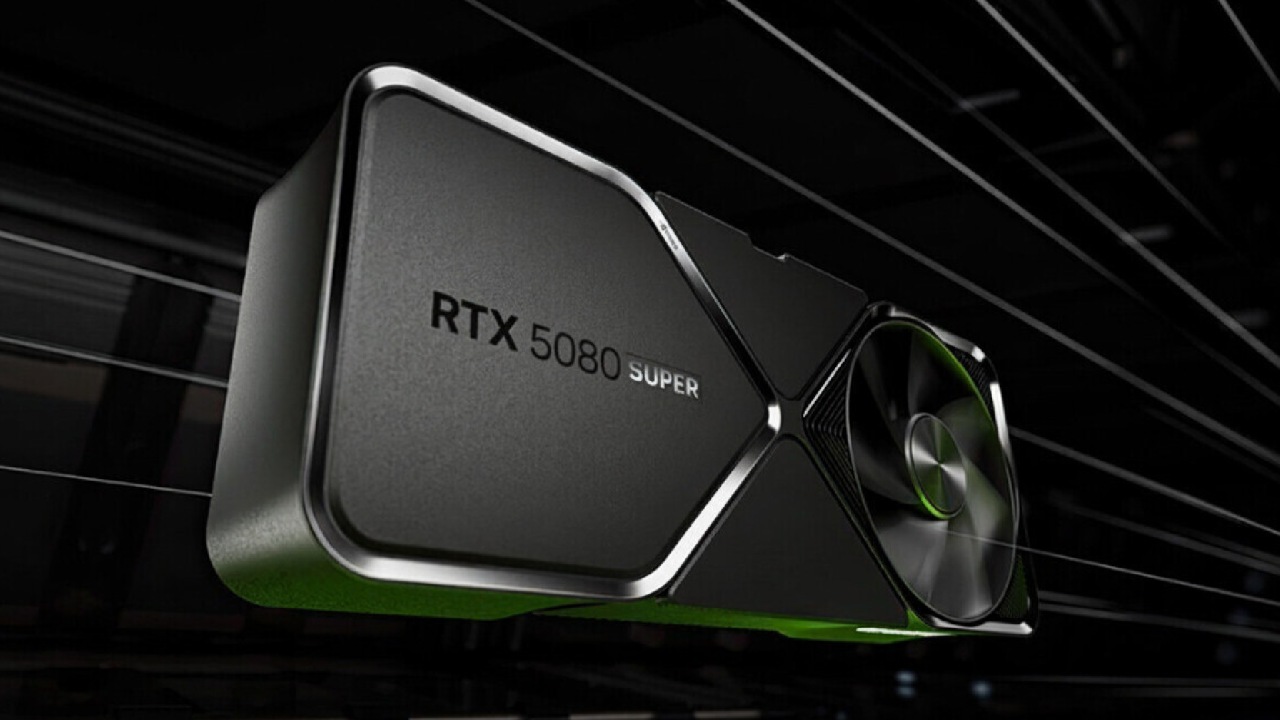
RTX 50 Super Rumors
RTX 60 lineup has reportedly been substantially delayed or even scrapped. RTX 50 Super cards are mostly finished, according to what board partners have told us. AIBs had already had PCBs and specifications, and most models were very similar to their standard versions. The main difference was that memory capacity increased, as with the RTX 5080 Super, from 16GB to 24GB. One SKU, thought to be the RTX 5070 Super, had a modest increase in the number of SMs, though the overall architecture didn't change much.
Ray tracing workloads would have benefited from more memory, especially when using high-quality textures. VRAM use can become a problem in demanding games, and having more memory helps keep performance steady. Even so, Nvidia doesn't feel much competitive pressure to upgrade its lineup right now because its competitors aren't planning similar updates. In those circumstances, it seems possible to put the RTX 50 Super on hold.
Looking at the RTX 60 Timeline
RTX 50 Super seems to be sleeping, while the RTX 60 condition is less clear. Several sources say that Nvidia has not yet made a final decision about potential delays. It takes a long time to build a new generation. Still, much of that work is also done on professional and data center equipment. NVIDIA often uses the same core design for both consumer and professional GPUs, so it's doubtful that they will stop building them this early.
This method is shown by professional cards made by Blackwell. RTX 6000 Pro uses the GB202 chip, which is the same silicon used in high-end consumer GPUs; it has different cache configurations, core counts, and memory capacities. This reuse strategy means that Nvidia would keep working on new architectures even if they don't come out for a while, as professional and AI-focused products employ the same basic concepts.
Realities of production and pressures from the market
The price of memory and its limited supply remain major problems. The price of DRAM has risen sharply, and manufacturers are exploring other ways to maintain a steady supply. These changes take time, and short-term problems can affect the supply and price of GPUs. Retail listings already show GPUs selling for more than the manufacturer's suggested price. This is because demand is still high and supply is limited.
Seasonal slowdowns in manufacturing also cause short-term shortages. In the past, short supply drops have occurred when factories shut down temporarily, but they always return to normal. Even while things are tough right now, that doesn't mean there will be a long-term manufacturing catastrophe.
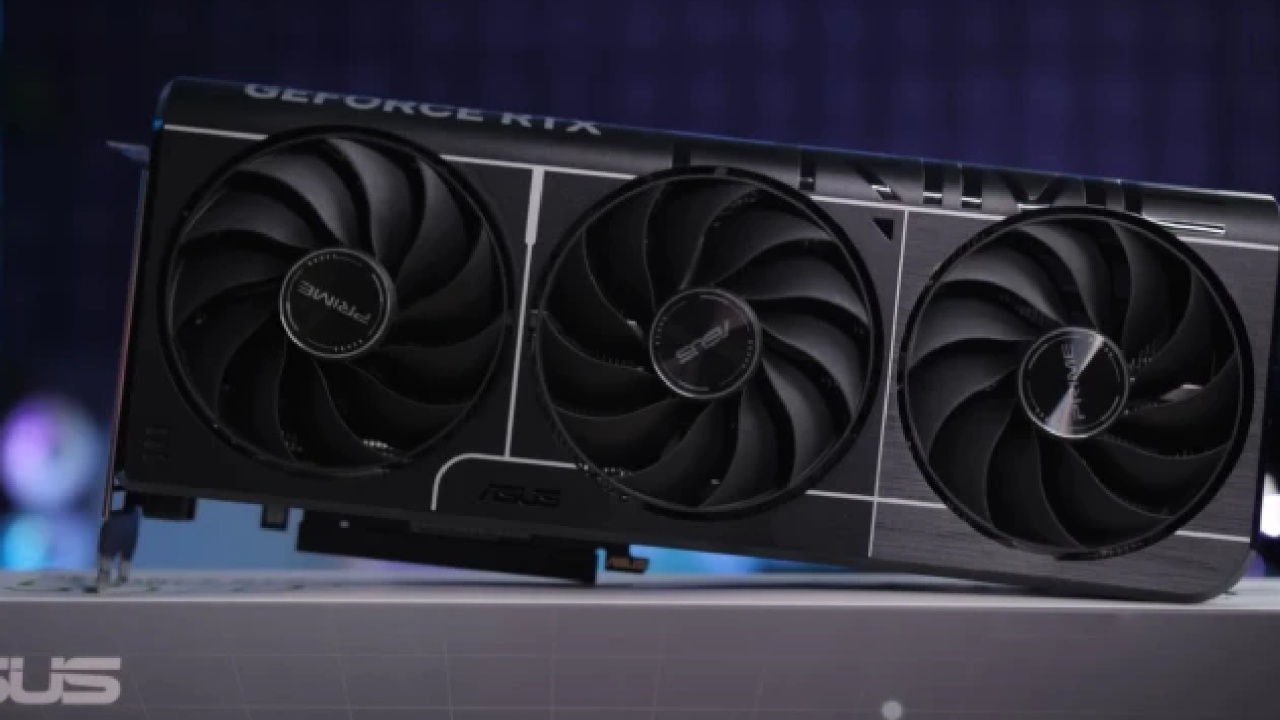
Trends in demand and market momentum
PC hardware is still in high demand, and new sales data shows that a wide range of GPUs are being used steadily. Both middle and high-end models have gained market share in the past few months, which shows that interest is still strong and not going away. Publishers of games have also seen more sales on PCs, which supports the idea that demand is still high.
Because of this, Nvidia doesn't have much reason to push a new generation or make official announcements about delays long in advance. Prices will go up more gradually than if product development were to stop all at once.
Final Thoughts
Depending on supply, demand, and manufacturing stability, Nvidia may decide to release some high-end SKUs initially and then make them more widely available later.
Some recent updates to PC games have made them run worse, even after GPU improvements. Changes to DRM systems have often caused frame rates to drop by as much as 50%, hurting paying users after upgrades. These changes show that there are still issues with software protection measures and performance stability, a problem that persists in the PC environment.
There is still ambiguity overall, but the information we have now suggests prudence rather than confirmation. RTX 50 Super looks like it's on hold, but the RTX 60 work is moving on, and the final launch date is still up in the air.
Also, check our other NVIDIA articles:
- GeForce RTX 5090 Unleashed: Is NVIDIA's New Flagship the Ultimate 4K Gaming GPU?
- NVIDIA GeForce RTX 5080 Review (2025): Still A 4K Gaming Powerhouse?
- RTX 5090 Performance Testing In GTA 5 – 1080p, 1440p, and 4K Max Settings Benchmark
- RTX 5090 Laptop Vs. M4 Max MacBook Pro: Ultimate Raw Performance Vs. Battery Endurance
- NVIDIA RTX 5070 Review: Mid-Range Muscle or Marketing Hype?
- RTX 5070 Ti Review: Performance, Thermals & Power Efficiency Tested
- Asus ROG RTX 5090 Astral OC Vs. Founders Edition: The 4K Gaming Benchmark
- ASUS ROG Astral RTX 5090 OC Edition Review: 32GB GDDR7 & 4K Gaming Benchmark
- ASUS GeForce RTX 5090 LC Liquid Cooled GPU Review: Unmatched Silence & Speed
- MSI GeForce RTX 5090 32GB SUPRIM SOC Review: Power Efficiency, Cooling, and Gaming Performance
- INNO3D RTX 5060 Ti 16 GB X2 Review: Gaming Benchmarks, Temps, and Power Efficiency
- HP Omen 45L Review: RTX 5090 Performance, Thermals, and Value Analysis
- ASUS TUF Gaming GeForce RTX 5060 Ti Review: DLSS 4, Power Efficiency, and Gaming
- ASUS Prime RTX 5060 Ti OC 16GB Review: DLSS 4, Ray Tracing, & Thermals Tested
- NVIDIA GeForce RTX 5060 Review: Specs, Gaming, and Cost per Frame
- MSI GeForce RTX 5090 GAMING TRIO OC Review: A Monster Power GPU
Editor, NoobFeed
Gaming Hardware Updates
No Data.