
RTX 50 Series Review After Purchase: Power Issues, AI Performance Claims, and Real-World Value
Real ownership of the RTX 50 series exposes design flaws, AI reliance, pricing gaps, and diminishing generational improvements.
Hardware by Shinji Okazaki on Dec 30, 2025
RTX 50 series came out a long time before most people could really get one. Coverage spread swiftly across the internet, and people soon developed opinions set in stone before they had real experience with ownership.
These are things that you only realize after you buy and use one of these GPUs for a while.
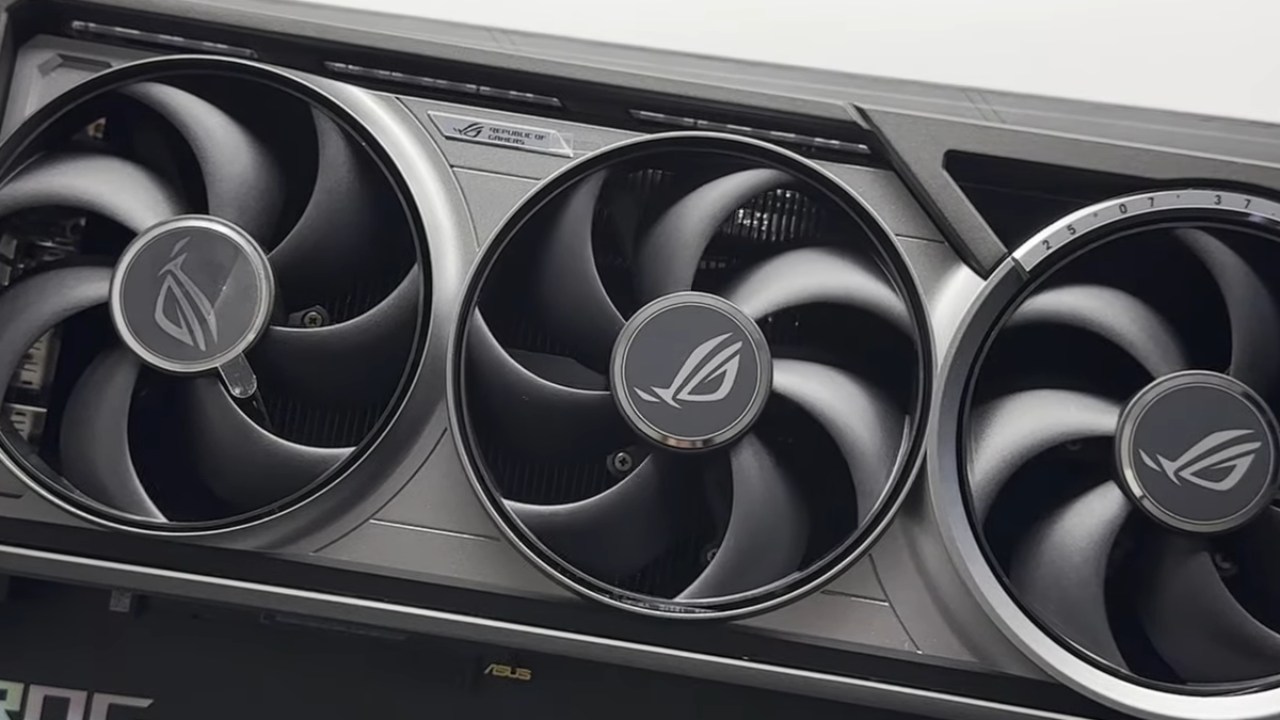
The Issue With the PCIe5 Power Connector
The PCIe5 power connector is one of the first problems that comes up. Nvidia added four more sensing pins to the 12-pin connector to improve power delivery and reduce cable clutter. As GPUs needed more power with each subsequent generation, the old 8+8+8-pin arrangements stopped working, and a new standard had to be developed. The PCIe5 connector makes sense on paper.
In real life, difficulties began to surface with the RTX 40 series. Users first learned of the problem when they tried to unplug their GPUs, and there were reports of melted connectors on forums. These things happened even with good 80Plus Gold power supplies; therefore, bad PSU quality couldn't be the main reason. The failure was clearly due to the connector's design.
People thought Nvidia would have fixed the problem by the time the RTX 50 series came out. That didn't happen. Reports of difficulties with connectors kept coming in, prompting widespread concern about long-term safety. One bad link shouldn't put the whole system at risk.
In actual life, the problem didn't show up as melting, but as a connection that kept breaking. At first, the system turned on and worked fine. The next day, it didn't show any output. Troubleshooting included checking the RAM and reseating parts before finding the real problem. The PCIe5 cable wasn't always making contact.
The problem was fixed right away by switching to the provided converter and using two 8-pin PSU cords. There were no more problems when the system booted up. That one experience was enough to give me a bad first impression of the RTX 50 series.
Performance Claims Based on AI
The main thing that marketing for the RTX 5070 emphasized was that it had performance similar to the RTX 4090. People were immediately interested in and skeptical of that statement. At first glance, it seemed like a mid-range GPU that could compete with the best of the last generation.
Things were different in real life. The comparison was based solely on multiframe generation, a new feature in the latest version of DLSS. The frame rates went up, but the raw performance didn't. RTX 5070 struggled to beat the RTX 4070 Ti across many workloads without AI-assisted frame creation.
DLSS has always sacrificed image quality for faster frame rates, but the current version goes much further. AI-generated frames improve performance metrics but degrade visual output. It was wrong to market these results as straight performance parity, and it caused a lot of resentment.
RTX 50 series shows a bigger trend in how Nvidia makes its products. Every new generation emerges at some point, but it's harder to see how they will affect gamers.
During the GTX era, performance clearly improved. Ray tracing and DLSS were new features in the RTX 20 series, which was a big change. RTX 30 series added GDDR6X RAM, Resizable BAR, and Nvidia Reflex, making it one of the most important generations overall.
RTX 40 series added only a few gaming-related features, such as DLSS updates and PCIe 5.0 support. Many of the benefits go to makers rather than players. RTX 50 series continues this trend by focusing on AI features rather than basic hardware improvements.
Even as raw performance improves, it's harder for users to justify upgrading to a new generation when there aren't any clear advantages.
DLSS as a Replacement for Optimization
DLSS is becoming increasingly important in modern game production to compensate for poor optimization. Instead of designing within the limits of the hardware, developers often anticipate consumers to turn on upscaling and frame generation.
DLSS lets you play demanding Unreal Engine 5 games on newer GPUs like the RTX 5070. That benefit is real and helpful. At the same time, it works around the problem instead of fixing it. It hides problems instead of fixing them.
As hardware requirements increase, people without RTX 30, RTX 40, or RTX 50 series GPUs can't use the system. Some systems that should last for years feel old too soon, not because they don't have enough power, but because software needs are too high.
When an industry uses shortcuts instead of optimizing, stability and consistency go down.
Pricing and the Real World
The prices for the RTX 50 series looked better on paper. RTX 5070 came out at $549, whereas the RTX 4070's MSRP was $599. The price of the RTX 5080 dropped from $1,199 to $999. These data pointed to a change for the better.
In actuality, MSRP didn't matter anymore. Prices rose sharply after the introduction due to supply constraints and Nvidia's focus on AI markets. Prices at stores regularly quadrupled, rendering the claimed value useless.
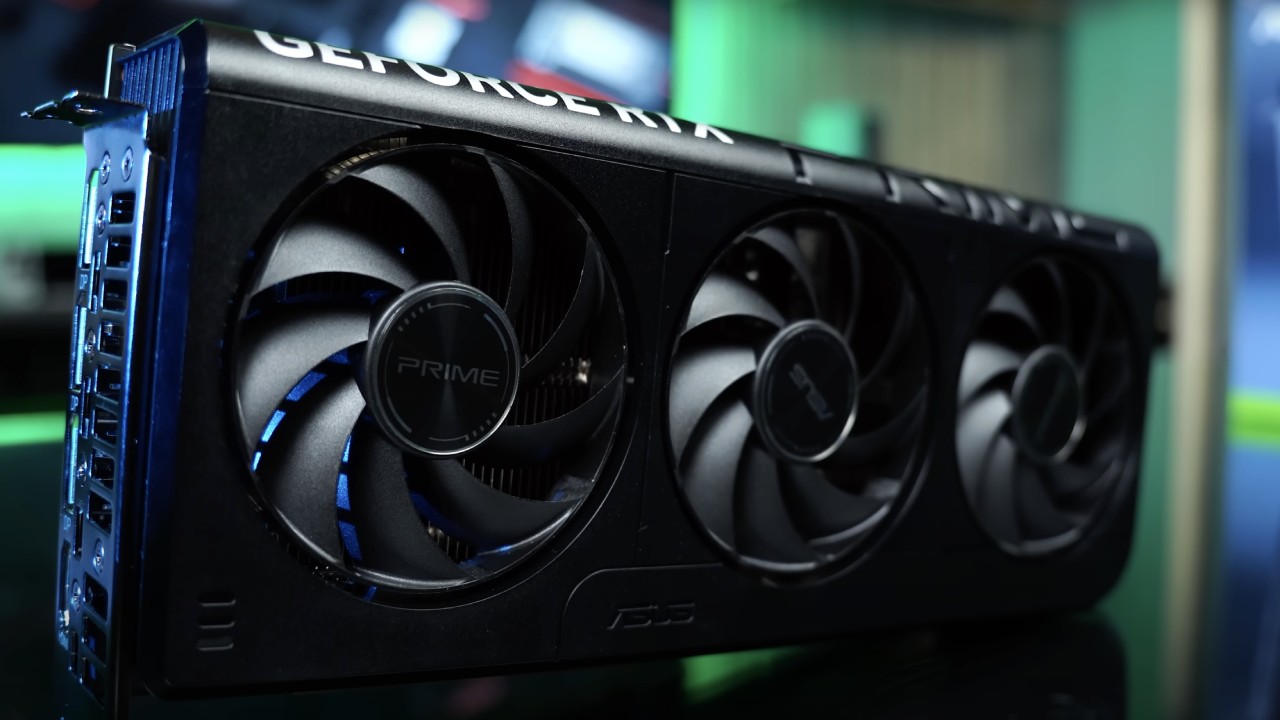
Availability and necessity still played a role in buying decisions, though. RTX 40 and RTX 30 cards were still pricey, but the RTX 50 cards were at least easy to get. RTX 5070 Ti was faster, but it cost $200 more, and the white versions made the choices even fewer.
AMD alternatives worked fine for gaming, but many professional editing applications require CUDA. That dependency made the decision more limited to Nvidia, even though there were certain problems.
Final Thoughts
Moving up to the RTX 50 series doesn't always mean you'll regret it. The GPU works well for workloads that can use CUDA and AI technologies. The experience, on the other hand, reveals broader problems with power delivery, marketing transparency, pricing consistency, and the path of modern GPU development.
The cost can be justified for people who make money by making content. For average buyers, the choice needs to be carefully considered.
Also, check our other NVIDIA articles below:
- NVIDIA GeForce RTX 5080 Review (2025): Still A 4K Gaming Powerhouse?
- NVIDIA RTX 5070 Review: Mid-Range Muscle or Marketing Hype?
- RTX 5070 Ti Review: Performance, Thermals & Power Efficiency Tested
- ASUS GeForce RTX 5090 LC Liquid Cooled GPU Review: Unmatched Silence & Speed
- MSI GeForce RTX 5090 32GB SUPRIM SOC Review: Power Efficiency, Cooling, and Gaming Performance
- INNO3D RTX 5060 Ti 16 GB X2 Review: Gaming Benchmarks, Temps, and Power Efficiency
- HP Omen 45L Review: RTX 5090 Performance, Thermals, and Value Analysis
- ASUS TUF Gaming GeForce RTX 5060 Ti Review: DLSS 4, Power Efficiency, and Gaming
- ASUS Prime RTX 5060 Ti OC 16GB Review: DLSS 4, Ray Tracing, & Thermals Tested
- NVIDIA GeForce RTX 5060 Review: Specs, Gaming, and Cost per Frame
- MSI GeForce RTX 5090 GAMING TRIO OC Review: A Monster Power GPU
Editor, NoobFeed
Gaming Hardware Updates
No Data.