
RTX 50 Super vs. RTX 60 Series: Why NVIDIA Could Skip the Refresh Entirely
Market uncertainty grows as shifting memory supply and rising production costs threaten the expected RTX 50 Super refresh timeline.
Hardware by Tanvir Kabbo on Nov 26, 2025
Just a few weeks ago, the big question on everyone's mind was whether to buy now or wait. Strong trends and evidence-based patterns emerged from a close analysis of Nvidia's release cycles over the past 10 years. It seemed clear that the answer was waiting for the RTX 50 Super refresh. The logic aligned, the trajectory seemed predictable, and early 2026 looked set to deliver better specs, substantially more VRAM, and improved pricing to address the shortcomings of the initial RTX 50 lineup.
Yet technology has a way of shifting beneath our feet without warning. Since that earlier analysis, the rumor mill has not only changed direction—it has nearly capsized. It felt like there was a clear plan: a CES 2026 revelation followed by a debut in stores in April. Now, though, it seems to be breaking apart.
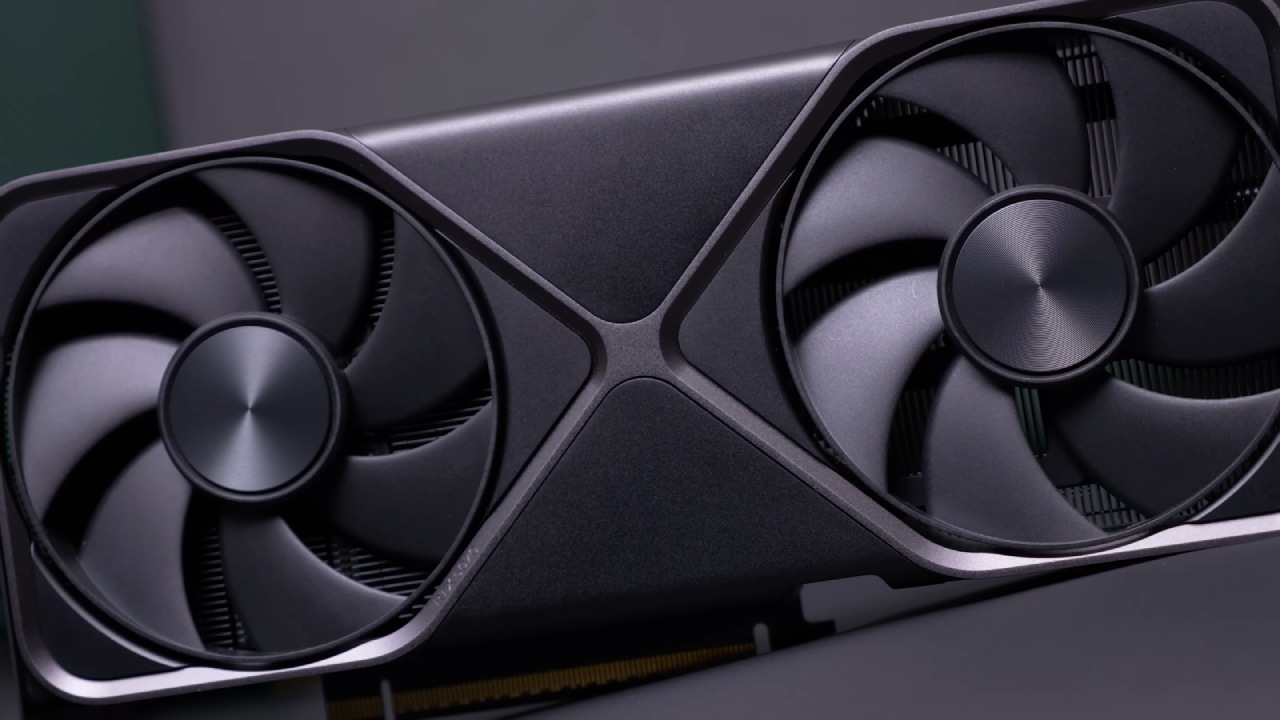
New, reliable reports from the Asian supply chain say the RTX 50 Super lineup isn't just delayed; it might be on the verge of being canceled without anyone knowing. A perfect storm has formed because of a lack of memory, rising worldwide DRAM prices, and shorter manufacturing windows.
Why the Super Refresh Made Perfect Sense
We previously expressed strong confidence in the Super refresh for good reason. Nvidia has used the Super branding as a mid-generation correction tool. It functions as a reset button—a way to realign pricing and performance when the initial launch misses the mark.
We saw this clearly during the RTX20 series era. Those original cards entered a tough market and faced criticism for their lackluster rasterization performance relative to the price. Less than a year later, the Super refresh corrected course. The RTX 2070 Super nearly matched the RTX 2080's performance at the same $499 price, while the RTX 2060 Super addressed the original 6GB VRAM limitation by upgrading to 8GB.
The same blueprint played out with the RTX 40 generation. The RTX 4080 launched with excellent silicon but an unpopular $1200 MSRP. The RTX 4080 Super landed later with slightly improved performance and a more palatable $999 price tag.
Naturally, expectations for the RTX 50 Super series followed that established pattern. It was likely that the revelation would occur in early 2026, and the planned enhancements would focus on fixing memory-related flaws in the vanilla models. The goal was to add more dense 3GB GDDR7 modules, which would allow for big jumps in VRAM, such as going from 12GB to 18GB or from 16GB to 24GB, without having to change the memory bus width. Everything pointed to a Blackwell lineup that was more polished and enticing.
Timeline Collapse and Why It Matters
Recent reports show that, instead of moving forward with final specs and partner readiness, there are significant delays. Sources say that the refresh has been pushed back from the first half of 2026 to the third quarter of 2026 at the earliest.
This one thing makes the whole series less likely to work. In the GPU market, timing is important. A Q3 refresh—August or September—lands dangerously close to the expected launch of the next-generation Rubin architecture (RTX 60 series), which typically targets late-year launches.
A premium mid-cycle refresh appearing mere months before a new architecture would cannibalize sales, confuse consumers, and disrupt partner planning. It is the exact scenario Nvidia historically avoids. This timing issue alone strongly suggests a soft cancellation.
.jpg)
Memory Crisis Backing Nvidia Into a Corner
The biggest obstacle, however, is not GPU silicon—it's memory. The technical promise of the RTX 50 Super series depended on the mass availability of 3GB GDDR7 modules. The current RTX 50 cards use standard 2GB modules. To deliver ideal VRAM configurations without modifying bus widths, Nvidia needed dense 3GB chips.
Problem: memory prices are spiraling out of control
The global AI boom has consumed the world's DRAM supply. Samsung, SK Hynix, and Micron have shifted production toward lucrative HBM for AI accelerators, squeezing capacity for consumer graphics memory. DRAM contract prices have surged more than 170% year-over-year. Yields for the 3GB GDDR7 modules are tight because they are a niche product, and AI demand is cannibalizing fab resources. As a result, the manufacturing costs for these chips have spiked.
Wider effects are already visible: desktop DDR5 pricing has been climbing steadily
This leaves Nvidia with no good options. Using cheaper 2GB modules would require new dies with wider memory buses, an expensive and time-intensive redesign. Paying inflated prices for 3GB modules would undermine the Super series's value proposition.
Pricing Trap That Breaks the Super Formula
The Super brand historically performs better for the same price. But if core components have increased significantly in cost, Nvidia cannot maintain pricing without sacrificing margins. Nvidia protects margins more aggressively than anything else.
If an RTX 5080 Super launched under current conditions, it would likely cost more than the original RTX 5080. Imagine reviewing a card offering 10% more performance and improved VRAM but costing $200 more than last year's model—industry-wide mockery would be guaranteed. The Super brand thrives on goodwill; a refresh priced higher than its predecessor would undermine it entirely.
Skipping the refresh suddenly becomes the most logical business decision.
Re-Evaluating the Upgrade Recommendation
A few weeks ago, the advice was simple: wait for the superior card. That advice was grounded in history, logic, and expectation. But with new information emerging, the responsible recommendation now looks very different.
Suppose you are holding on to an aging GPU specifically for an RTX 50 Super card in early 2026. In that case, you may be waiting for a product that never materializes. The combination of high GDDR7 prices, a lack of 3GB modules, and a delivery window that keeps getting shorter makes it less likely that a substantial update will happen.
Nvidia has two options:
- Sell the cards at prices that are too high and undermine their purpose.
- Stop the update to keep the margins and focus on the next generation.
Neither scenario delivers the consumer-friendly mid-cycle upgrade many hoped for.
The timing complication only worsens the outlook. A Q3 2026 refresh would land months before the Rubin-based RTX 60 series. Most buyers would simply wait. Nvidia knows that. The partners know that. Launching a premium refresh at the twilight of a generation is a recipe for unsold stock.
For the first time in years, waiting for a mid-cycle Super lineup may not be the smart move. Suppose a good deal is available on current-generation cards or even on discounted older models. In that case, it may be worth considering an upgrade now. Market volatility makes waiting on a potentially canceled product a risky bet.
Looking Ahead
As time goes on, we'll learn more about the RTX 50 Super scenario. We'll find out if there are more delays, if the specs change, or if Nvidia stays quiet, which may mean the end of the refresh. When new information comes out, the goal will be to explain the changes straightforwardly and accurately.
For now, the Super revamp, which previously looked promising, looks more and more like something that may never fully take shape. It's best to plan your next GPU purchase based on what's happening right now, not on aspirations for a mid-cycle upgrade that might not happen.
Also, check our other NVIDIA articles below:
- NVIDIA GeForce RTX 5080 Review (2025): Still A 4K Gaming Powerhouse?
- RTX 5090 Performance Testing In GTA 5 – 1080p, 1440p, and 4K Max Settings Benchmark
- NVIDIA RTX 5070 Review: Mid-Range Muscle or Marketing Hype?
- RTX 5070 Ti Review: Performance, Thermals & Power Efficiency Tested
- ASUS ROG Astral RTX 5090 OC Edition Review: 32GB GDDR7 & 4K Gaming Benchmark
- ASUS GeForce RTX 5090 LC Liquid Cooled GPU Review: Unmatched Silence & Speed
- MSI GeForce RTX 5090 32GB SUPRIM SOC Review: Power Efficiency, Cooling, and Gaming Performance
- INNO3D RTX 5060 Ti 16 GB X2 Review: Gaming Benchmarks, Temps, and Power Efficiency
- HP Omen 45L Review: RTX 5090 Performance, Thermals, and Value Analysis
- ASUS TUF Gaming GeForce RTX 5060 Ti Review: DLSS 4, Power Efficiency, and Gaming
- ASUS Prime RTX 5060 Ti OC 16GB Review: DLSS 4, Ray Tracing, & Thermals Tested
- NVIDIA GeForce RTX 5060 Review: Specs, Gaming, and Cost per Frame
- MSI GeForce RTX 5090 GAMING TRIO OC Review: A Monster Power GPU
Senior Editor, NoobFeed
Gaming Hardware Updates
No Data.