
RTX 5060 vs. RTX 5050 vs. Arc B580: Best 1080p GPU in 2025?
Ten popular games tested to reveal real-world GPU performance across single-player, esports, and ray-traced titles.
Hardware by Tanisha Aria on Oct 15, 2025
NVIDIA's RTX 5060, RTX 5050, and Intel's Arc B580 all cost between $230 and $260 and are aimed at gamers who play at 1080p. The goal of each of these GPUs is to deliver good performance for everyday gamers.
The most important question is which one gives you the most for your money. Benchmarks from 10 well-known games yield astonishing results, showing how competitive this spectrum has become.
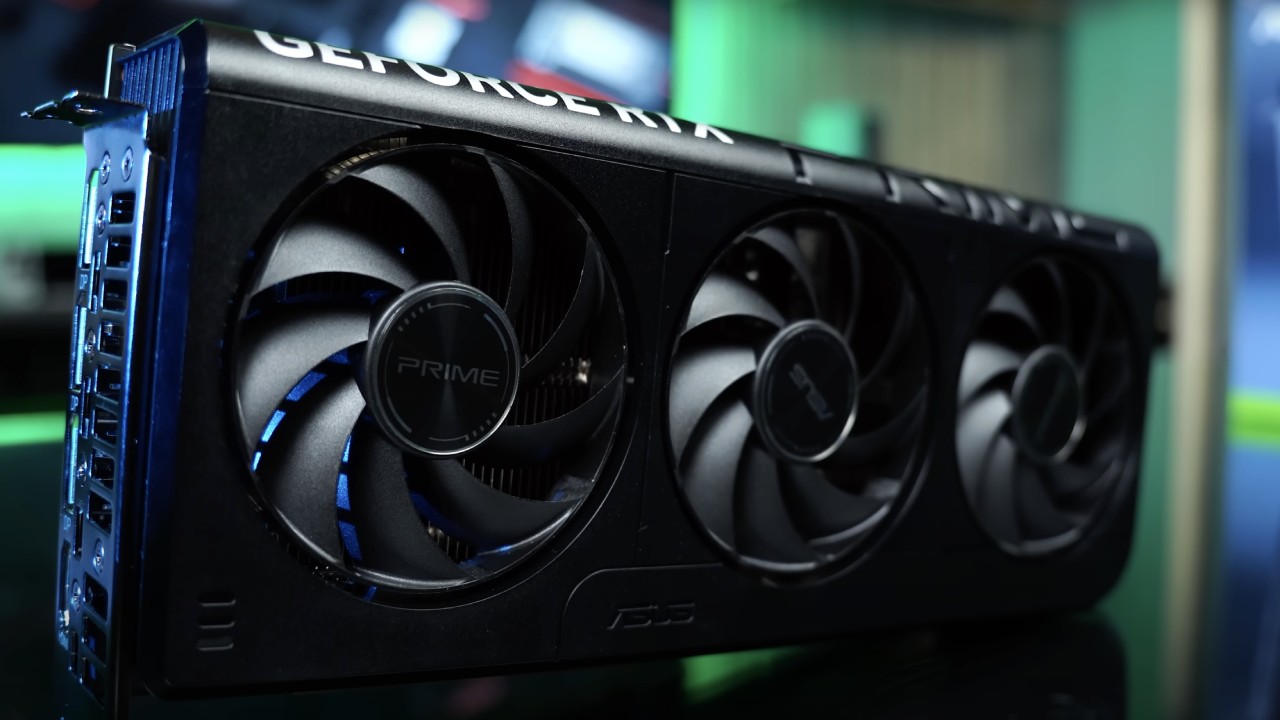
First impression
Nvidia still leads the way in 1080p gaming, with the RTX 5060 being the strongest and most well-rounded GPU of the three. It delivers smooth performance and great value, making it an easy pick for most gamers.
Intel Arc B580 also works quite well and has 12GB of VRAM, which is helpful for newer, more demanding games. The RTX 5050 is good for esports and other games that aren't too heavy. It still lags behind in major AAA games; thus, it's great for gamers on a budget.
Testing Setup and Methodology
All tests were done at 1080p resolution with upscaling disabled to maintain a fair comparison. Gameplay from the Nvidia cards was recorded using ShadowPlay.
In contrast, the Intel Arc B580 used an external capture card because it lacked a built-in capture option. To make sure the results were accurate, separate test runs were performed before recording short gameplay clips.
Counter-Strike 2 Performance
In Counter-Strike 2, Nvidia GPUs take the lead. The Arc B580 trails the RTX 5050 by about 40 FPS, while the RTX 5060 is 140 FPS faster than Intel's offering. Nvidia hardware generally performs better in this title, giving the RTX 5060 a clear upper hand over not just Intel's card but even AMD's RX 9060 XT.
Marvel Rivals Results
In Marvel Rivals, both the Arc B580 and RTX 5050 nearly perform the same, averaging around 112FPS and 110FPS. The RTX 5060, however, leads with 145 FPS, making it ideal for competitive multiplayer gaming. Despite 8GB cards not being enough for modern games, these benchmarks show what to expect if that's all you can afford.
Fortnite Benchmarks
Fortnite continues the trend, with Nvidia on top. The RTX GPUs perform better in Intel's B580, proving more efficient for players focused on popular multiplayer games like Fortnite, Counter-Strike 2, and Marvel Rivals. The ARC card does well in some areas, but Nvidia's better game optimization gives it the clear edge.
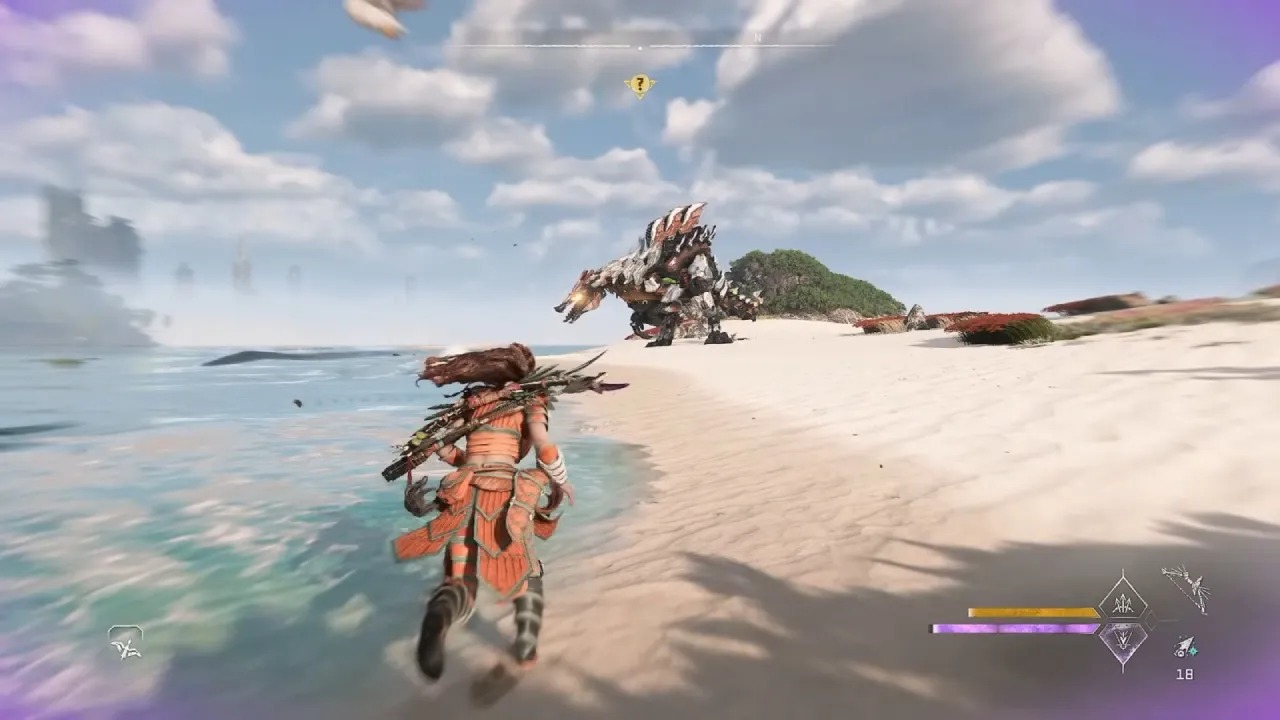
Horizon Forbidden West Performance
At the very high setting, Horizon Forbidden West looks amazing and runs smoothly across all three cards. The RTX 5060 averages 82FPS, about 10FPS ahead of the B580, and both stay above 60FPS for a fluid experience.
The RTX 5050 averages just over 60FPS, playable but less impressive. It is a smarter choice over RTX 5050, since the ARC B580 costs about the same and performs better.
Ghost of Tsushima Insights
The RTX 5050's limits start to show in Ghost of Tsushima. While the RTX 5060 leads and the Arc B580 remains close behind, the 5050 begins to struggle in big single-player games. Those who want cinematic gaming experiences will find the B580 or RTX 5060 is a far better option.
Ratchet & Clank: Rift Apart
In Ratchet & Clank: Rift Apart, the Arc B580 once again performs a bit better than the RTX 5050 and nearly matches the RTX 5060. All three cards come close to 48–50 FPS at their lowest points. The Arc's extra VRAM helps a bit, but the GPU's raw power isn't enough to fully utilize the 12GB capacity.
Returnal with Ray Tracing
When you switch on ray tracing in Returnal, you can see how hard it really is. The Arc B580 is far better than the RTX 5050, averaging 83 FPS compared to the RTX 5050's 67 FPS. The RTX 5060 is close behind.
However, all the GPUs drop below 60FPS at times, suggesting that ray tracing remains too taxing for this price segment. Disabling it yields much smoother gameplay.
Indiana Jones and the Great Circle
Indiana Jones and the Great Circle runs with ray tracing enabled by default, and all three GPUs struggle with VRAM warnings. The Arc B580 uses over 3GB more VRAM than the Nvidia cards, but still delivers comparable performance to the RTX 5050. The RTX 5060, however, leads comfortably, showing better optimization under ray tracing workloads.
Doom: The Dark Ages
In Doom: The Dark Ages, ray tracing cannot be disabled, and all GPUs are constrained by performance. Even with the texture pool size minimized, the Arc B580 continues to use more VRAM than Nvidia cards without a performance benefit. The RTX 5060 pulls ahead by about 20FPS, offering smoother gameplay and fewer stutters.
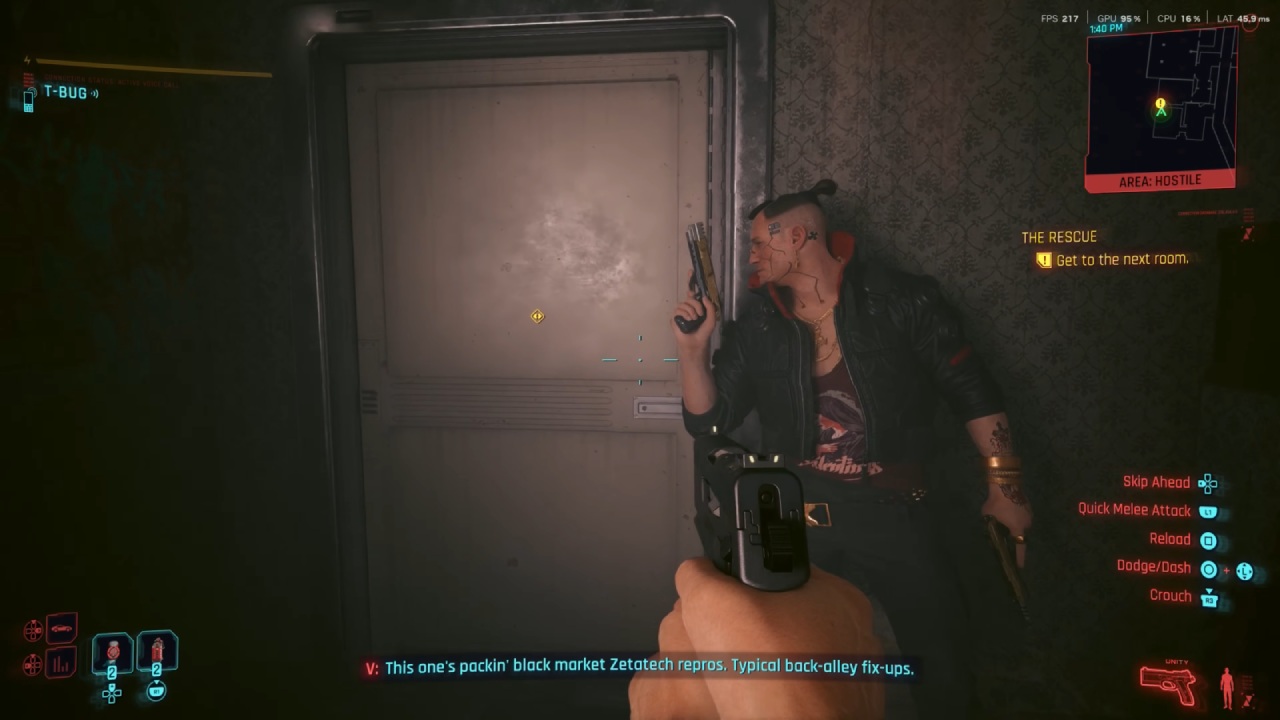
Cyberpunk 2077 Ray Tracing Results
With the RT medium preset in Cyberpunk 2077, all three GPUs fall in the middle, between 50 and 70 FPS. The RTX 5050 struggles most, but the Arc B580 approaches RTX 5060 performance. It is recommended to disable ray tracing entirely for a smoother experience, as these GPUs are not built for heavy RT workloads even at 1080p.
Overall Averages and Value Analysis
In all the tests, the RTX 5060 came out on top, averaging around 160FPS with solid lows of about 115FPS. The Arc B580 follows closely, offering similar performance to the RTX 5050 but with 12GB VRAM, making it more future-proof for demanding games.
When it comes to value, the RTX 5060 gives the best performance for the cost, while the Arc B580 offers the most memory for demanding games. The RTX 5050, though capable in esports titles, falls behind in big single-player experiences.
To keep the results fair, Counter-Strike 2 (a game where Nvidia GPUs dominate) was removed from the averages. Even without it, the RTX 5060 is still in the top, though the Arc B580 and RTX 5050 got a little closer in performance. This shows how much a single game can affect overall rankings in GPU tests.
Final Thoughts
The RTX 5060 is the best overall performer at 1080p, delivering the highest frame rates and the best value for your money. The Intel Arc B580 has 12GB of VRAM, which is a good amount for future games that will demand more memory.
At the same time, the RTX 5050 remains an excellent choice for budget gamers looking to play competitive multiplayer games. But for those who can spend a little more, the RTX 5060 is the clear choice for consistent performance and long-term use.
Also, check our other articles:
- GeForce RTX 5090 Unleashed: Is NVIDIA's New Flagship the Ultimate 4K Gaming GPU?
- NVIDIA GeForce RTX 5080 Review (2025): Still A 4K Gaming Powerhouse?
- RTX 5090 Performance Testing In GTA 5 – 1080p, 1440p, and 4K Max Settings Benchmark
- NVIDIA RTX 5070 Review: Mid-Range Muscle or Marketing Hype?
- RTX 5070 Ti Review: Performance, Thermals & Power Efficiency Tested
- ASUS ROG Astral RTX 5090 OC Edition Review: 32GB GDDR7 & 4K Gaming Benchmark
- ASUS GeForce RTX 5090 LC Liquid Cooled GPU Review: Unmatched Silence & Speed
- MSI GeForce RTX 5090 32GB SUPRIM SOC Review: Power Efficiency, Cooling, and Gaming Performance
- INNO3D RTX 5060 Ti 16 GB X2 Review: Gaming Benchmarks, Temps, and Power Efficiency
- HP Omen 45L Review: RTX 5090 Performance, Thermals, and Value Analysis
- ASUS TUF Gaming GeForce RTX 5060 Ti Review: DLSS 4, Power Efficiency, and Gaming
- ASUS Prime RTX 5060 Ti OC 16GB Review: DLSS 4, Ray Tracing, & Thermals Tested
- NVIDIA GeForce RTX 5060 Review: Specs, Gaming, and Cost per Frame
- MSI GeForce RTX 5090 GAMING TRIO OC Review: A Monster Power GPU
Contributor, NoobFeed
Gaming Hardware Updates
No Data.