
Sony’s RAM Cost Plan, PS5 Game Delistings, and Horizon Hunters Gathering Concerns
Sony explores increased monetization strategies as RAM costs rise and player concerns grow across the PlayStation ecosystem
Hardware by Tanvir Kabbo on Feb 24, 2026
Sony’s plan to offset increased RAM costs has come into focus, alongside the delisting of several PS4 and PS5 titles and growing skepticism surrounding Horizon Hunters Gathering.
Some developments inspire cautious optimism, while others raise serious concerns about pricing, preservation, and the future of live service games on PlayStation.
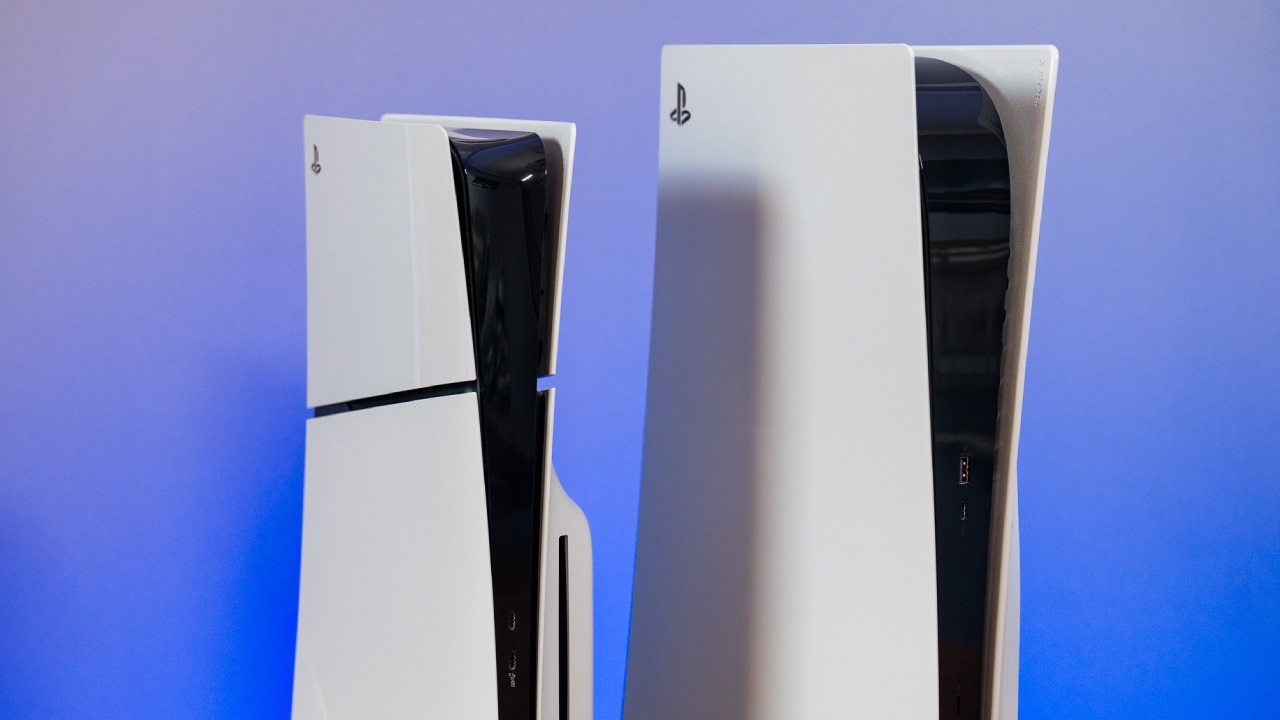
Sony’s Plan to Recover RAM Costs
Sony has secured enough RAM supply to carry through the rest of 2026, which is undeniably a positive move. However, the strategy to recover the additional costs attached to that supply is where things become complicated. The company intends to increase monetization, and that inevitably means asking more from us as players.
One of the simplest methods would be raising the price of PlayStation Plus again. If that happens, frustration would be understandable. The service already saw a price increase last year, and while there have been strong months, the overall value has not dramatically improved. Some benefits have even been removed. If prices rise again without meaningful additions, we would effectively be paying more for the same experience.
We already pay for online access on PlayStation hardware. Meanwhile, on PC platforms like Steam, online services do not require a separate subscription fee. When we compare that model to paying for online access on a console that already costs over $500—and potentially more for a Pro model—the idea of another increase tied to RAM shortages feels difficult to justify.
A more balanced approach would be expanding post-release content. Sony historically completes its games before moving onto DLC, rather than carving content out for a season pass ahead of launch. We saw this with Ghost of Tsushima and its Legends mode, which arrived after release.
Instead of chasing massive live service ambitions, Sony could focus on contained $40 standalone experiences that offer 50–60hours of progression and culminate in a raid-style finale.
We already know what works. War bonds, expansions, and continual improvements keep Helldivers 2 going strong. Players are more likely to embrace more monetization if the quality of the material stays good.
Sony needs to be careful, though, because games cost $70, consoles are getting more expensive, and technology is getting more expensive all the time. Goodwill earned through strong showcases can evaporate quickly if pricing decisions feel disconnected from player realities.
PS4 and PS5 Games Being Delisted
Game preservation remains a sore point, especially as digital storefronts dominate the ecosystem. Several titles are being delisted, and some of these removals are significant.
Genshin Impact is being removed from PS4. As an always-online title with constant updates, once it disappears from that platform, it is effectively gone for PS4 players. There is no physical fallback, no preserved offline version. If you do not own a PS5, access simply ends.
The Finals is also leaving PS4. Built on Unreal Engine 5, it struggles to maintain performance on older hardware, and continued support may not make financial sense. While understandable from a technical standpoint, it still feels like a loss. The game delivers excellent gunplay and destruction mechanics reminiscent of classic Battlefield titles, yet its player base growth has plateaued.
Meanwhile, WWE 2K24 is being delisted despite being only two years old. Sports games frequently face this fate, but it creates scarcity issues. Once digital versions disappear, physical copies spike in price. That is one of the biggest downsides of an all-digital future.
Physical media still offers a layer of ownership. Even though patches and updates require downloads, having a disc ensures baseline access. The change seems unavoidable given that 75% of purchasers are selecting digital, but in areas where high-speed broadband isn't always available, disc drives are hard to do rid of completely.
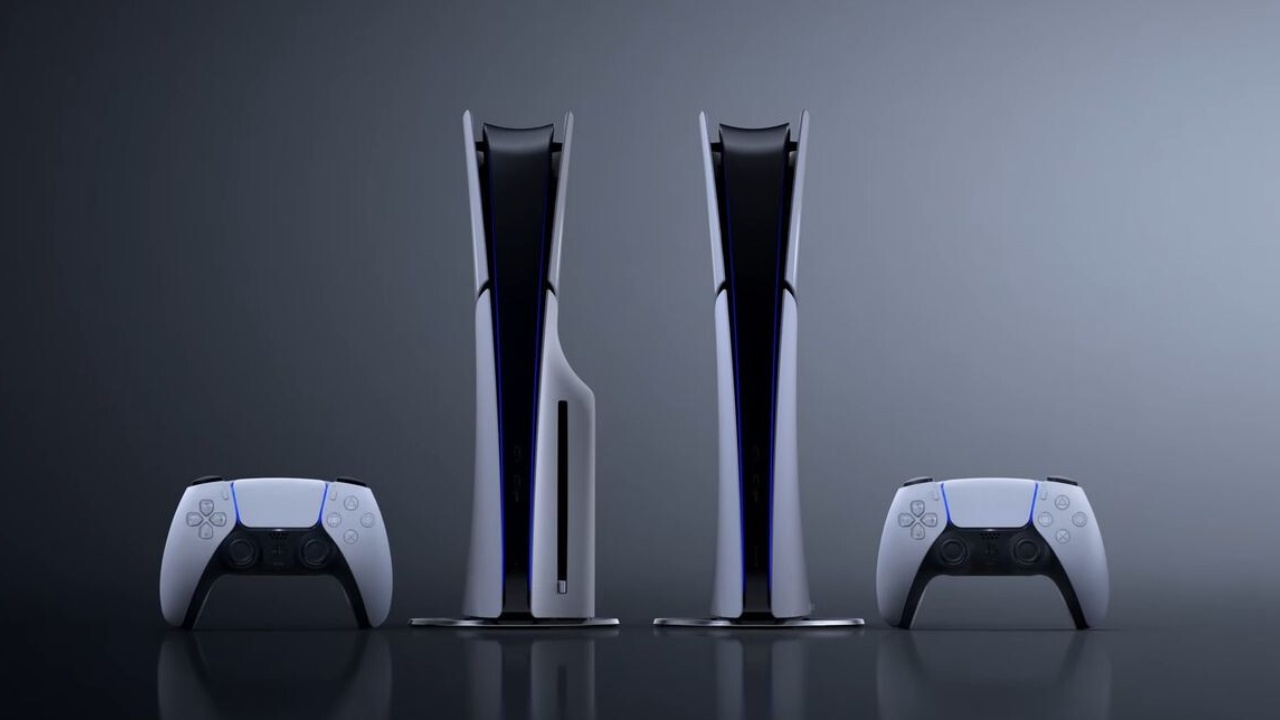
At the very least, hardware that supports discs may still be available in some markets, even if it is harder to get in others.
Highguard, Live Service Risks, and Horizon Hunters Gathering
The scenario with Highguard shows how unstable live services can be. After layoffs and accusations of poor performance, there was debate regarding unreported funding from Tencent. Being open is important. When studios act like small, independent groups but have a lot of support, trust quickly fades.
Putting the blame on players for not being interested rarely gets to the heart of the problem. Performance concerns, generic design impressions, and market saturation contribute more directly to player hesitation. Free-to-play alone does not guarantee success.
Sony must be evaluating these outcomes closely, particularly with Horizon Hunters Gathering on the horizon. The idea for the gameplay is good, and it reminds me of Elden Ring-style cooperative systems in the Horizon universe. But there has been some disagreement on the visual style and how the characters are shown. Skepticism rises when design looks like it was put together by an algorithm instead of by creativity.
People also look closely at the decisions leaders make about investing in live services. Putting a lot of money into many live service projects at once is quite risky. Even though some games may go well, many don't even after years of work and a lot of money.
Sony might get steadier returns by backing good single-player games and collecting platform money from third-party hits instead of going after the next big cash cow.
In the end, monetization plans, digital delistings, and big bets on live services all come down to one thing: trust from players. If prices go up without providing value, if digital transactions go away, or if projects don't seem to match the needs of the audience, that trust falls down. There has never been a narrower line between community goodwill and business survival.
Also, check our other hardware articles:
- AMD Ryzen 9 9950X3D Review: Setting The Standard For 2025 Gaming CPU
- Amazon Luna 2025 Review: Is Prime Gaming's Cloud Service Your Go-To For Casual Fun?
- AMD RX 9070 XT Review: AMD's RDNA 4 Champion for 1440p Gaming
- GeForce Now Ultimate: Ditching Your Gaming PC For Cloud RTX 4080 Power?
- NVIDIA GeForce RTX 5080 Review (2025): Still A 4K Gaming Powerhouse?
- Intel Core Ultra 9 285K Review And Performance Breakdown (2025)
- Intel Core Ultra 9 285K vs AMD Ryzen 7 9800X3D: In-Depth Gaming Performance and Benchmark Comparison
- NVIDIA GeForce RTX 5080 Super Performance In Cyberpunk 2077: Path Tracing & DLSS 4.0 Tested
- AMD Radeon RX 9070 XT In Cyberpunk 2077: Ray Tracing & FSR 4.0 Tested
- Intel Arc B580 Review: The $250 GPU Revolutionizing 1440p Gaming
- Intel Arc B570 Vs. B580: Value, Specs, And Real-World Gaming Performance
- RTX 5090 Laptop Vs. M4 Max MacBook Pro: Ultimate Raw Performance Vs. Battery Endurance
- Intel Arc b580 Vs. RTX 4060: Game Performance And Value Analysis
- RTX5090 Hell Is Us Demo 4K Ultra Benchmark: DLSS Vs. Native Performance Guide
- NVIDIA RTX 5070 Review: Mid-Range Muscle or Marketing Hype?
- Nintendo Switch 2 Review: Handheld Performance, Features & Value Breakdown
- RTX 5070 Ti Review: Performance, Thermals & Power Efficiency Tested
- Samsung Odyssey OLED G81SF Review 2025: Ultimate 32-Inch QD-OLED Gaming Monitor
- AMD RX 9070 Performance Review: Thermals, Clocks, and Real-World FPS
- AMD Ryzen 5 7600 Review: Best Budget Gaming CPU of 2025?
- AMD Radeon RX 7800 XT Review: RDNA 3 Power For Midrange Gaming
- Asus ROG RTX 5090 Astral OC Vs. Founders Edition: The 4K Gaming Benchmark
Senior Editor, NoobFeed
Gaming Hardware Updates
No Data.