
Steam Deck 2 with AMD RDNA 5: What Next-Gen Tech Means for Portable PC Gaming
Machine learning upscaling techniques like DLSS are reshaping handheld gaming by combining visual fidelity with consistent performance.
Hardware by Tanvir Kabbo on Aug 27, 2025
Handheld gaming devices have rapidly expanded in recent years, with new models and prototypes being revealed at a steady pace. Valve's Steam Deck continues to play a vital part in conversations about portable PC gaming, even as the industry changes.
However, conjecture about the date and details of a possible Steam Deck 2 persists in the absence of official updates from Valve.
Iterative Bumps vs. Generational Leap
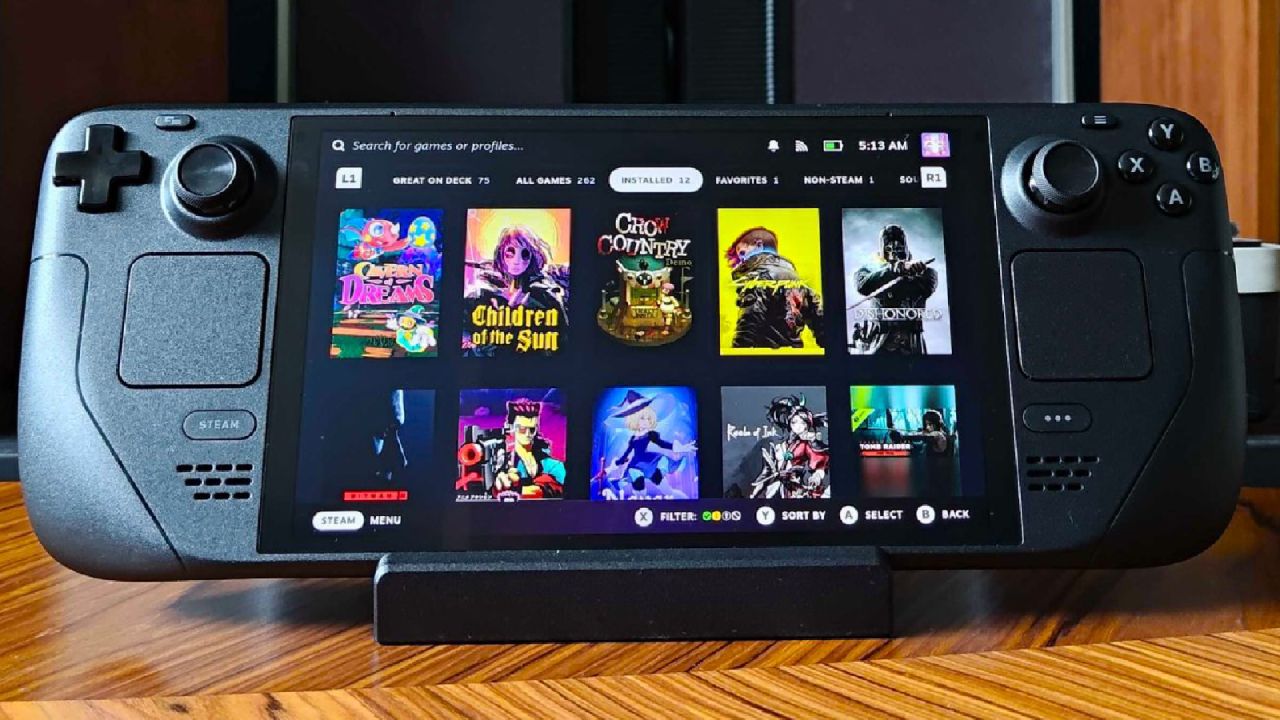
When we look at new handhelds built on chips like the Z2 Extreme, the improvements across each generation are best described as iterative bumps rather than transformative leaps. At the same wattage, performance gains remain modest.
Valve has been clear that they are not pursuing a Steam Deck 2 until a proper generational leap is possible. Unlike other manufacturers, they are unwilling to release a device with only a 20% or 30% performance bump at 15W.
We can see how this aligns with Sony's rumored handheld approach, which may rely on upcoming architecture like RDNA5 or what some have called UDNA. Such a leap could provide the kind of efficiency and performance Valve is waiting for. Until then, it makes sense that Valve would avoid rushing an update.
Strix Halo and the Power Challenge
One of the most discussed chips is AMD's Strix Halo, a massive and powerful design. However, its true potential only emerges when fed with higher wattages. At 15W, Strix Halo offers little advantage over other handheld APUs. For a Steam Deck 2, this would mean Valve either increases the TDP significantly or accepts minimal gains.
We know that Valve is unlikely to redesign the Steam Deck to accommodate dramatically higher TDP levels. That would require major changes in cooling, battery life, and size. Instead, waiting for the next architecture generation provides a better balance of power efficiency and performance.
Matching the Evolution of Displays
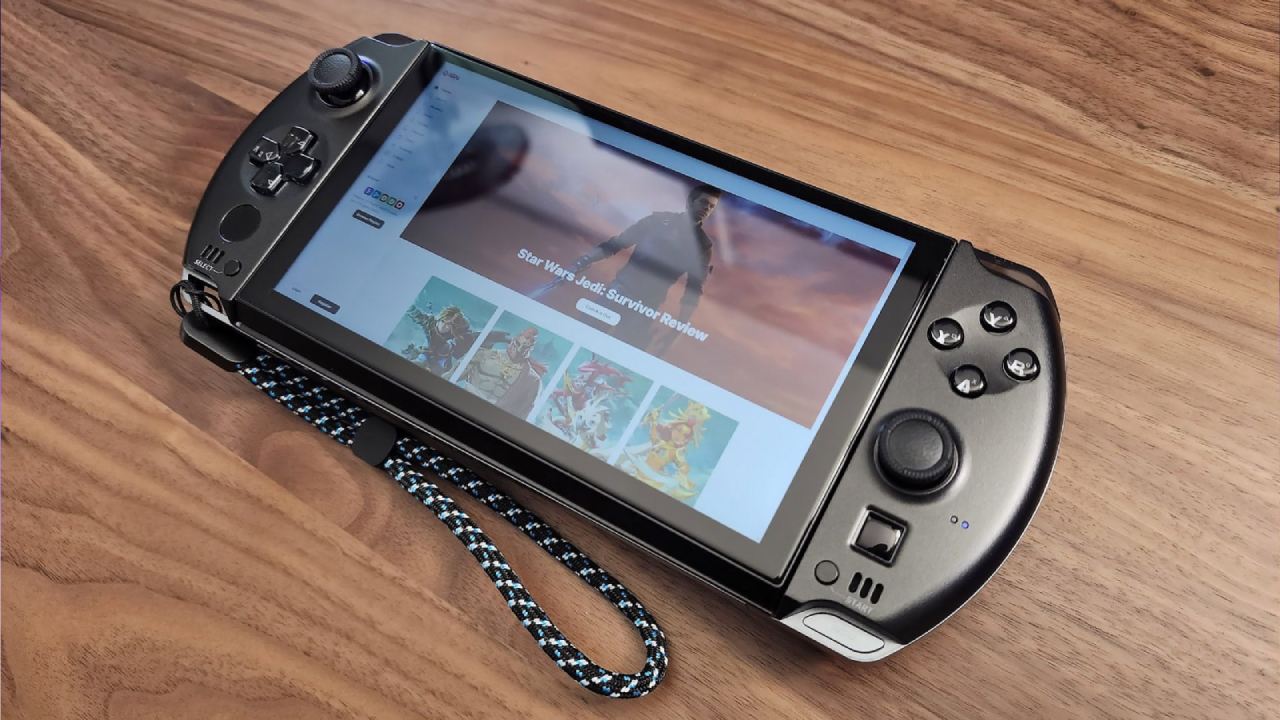
Another likely evolution is the display. We expect handhelds such as the Steam Deck 2 to follow the trend of targeting 1080p screens. Matching this resolution is the natural step forward, especially as competing devices like the rumored Switch 2 push in that direction. For players, that would mean sharper visuals without overly straining GPU performance at lower wattages.
Process Shrinks Without Major Gains
Despite advancements in fabrication, moving from 7nm to 4nm processes has not delivered the game-changing performance boost many expected. Part of the reason is memory bandwidth limitations in APUs. Without breakthroughs in this area, handhelds cannot fully capitalize on denser and more efficient chip designs.
The balance between increased compute power, memory bandwidth, and newer features will align. When it does, that will be the moment Valve steps in with Steam Deck 2.
The Role of Machine Learning and Upscaling
Another major factor shaping the future is machine learning–based upscaling. On the Switch 2, DLSS has already demonstrated how critical such technology can be in balancing visual fidelity with performance. It seems logical that PC handhelds will adopt similar solutions, whether through FSR or new upscaling methods.
For you as a player, this would mean higher-quality visuals at smooth frame rates, even when hardware wattage is limited. We expect this to be a key feature of the next Steam Deck generation.
Looking Toward the Next Generation
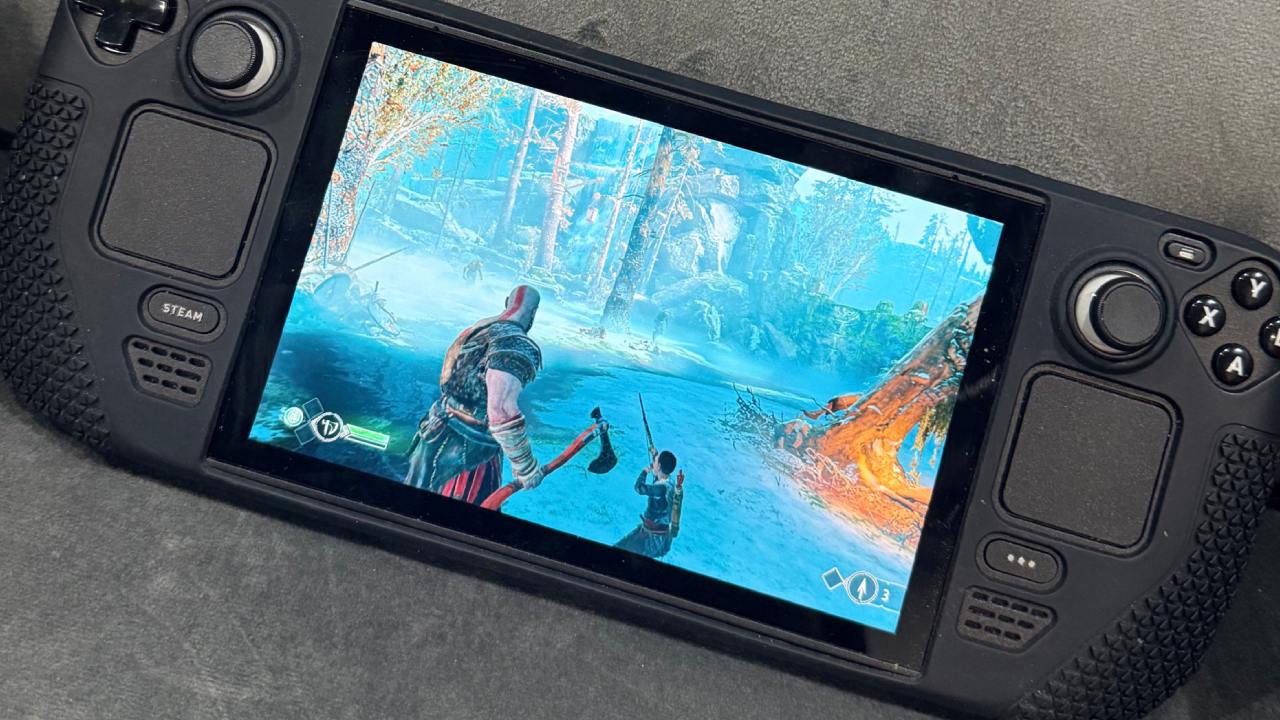
Ultimately, the path forward for Valve seems clear. A Steam Deck 2 will likely wait for AMD's next major architectural leap—whether branded RDNA5, UDNA, or something else—that can deliver meaningful gains at 15W. Matching a 1080p display, expanding memory bandwidth, and leveraging AI-driven upscaling will be central pillars of this design.
For now, we can only wait and see. Yet the signs point toward a very promising next generation of handheld gaming, one where the Steam Deck 2 can once again redefine the space rather than simply keep pace.
Check our Other Handheld Articles :
- ASUS ROG Ally X Handheld Review: Double the Battery, Double the Comfort
- Nintendo Switch 2 Vs. Original Switch 1: A Full Comparison
- How To Connect A Camera And Join Voice Chat With Nintendo Switch 2
- Nintendo Switch 2 Review: Handheld Performance, Features & Value Breakdown
- ROG Xbox Ally X Vs. ROG Ally X: Display, Battery & Controls
- ASUS ROG Ally X vs. Steam Deck OLED: Display, Battery & Gaming Benchmarks
- MSI Claw 8 AI+ Review: Display, Controls & Gaming
- Nintendo Switch 2 vs. Steam Deck OLED: Gaming, Performance, Battery, Display and Value
- PlayStation Portal Review: Remote Play, Cloud Streaming & Travel Gaming
- PlayStation Portal vs. Lenovo Legion Go: Best Portable Gameplay
Senior Editor, NoobFeed
Gaming Hardware Updates
No Data.