
Steam Machine 2026: RAM Crisis, SSD Costs, and Launch Uncertainty
AI-driven component shortages push gaming hardware prices far beyond initial projections.
Hardware by Shinji Okazaki on Feb 17, 2026
Valve has been vague about the Steam Machine's price and release date because it has been taking too long to do so. Since the first product announcement, memory and storage shortages have grown quickly in the industry. This means shipment dates and final prices need to be reviewed again. The goal to ship in the first half of the year is still in place, but the exact costs and launch dates are still up in the air because part prices keep changing.
The main problem is expense. The pricing is what makes or breaks the Steam Machine. It can't just be priced at what it costs to cover costs; it has to be able to be sold. The price of a tiny PC running SteamOS must be in line with what people are willing to pay to make it a good buy.
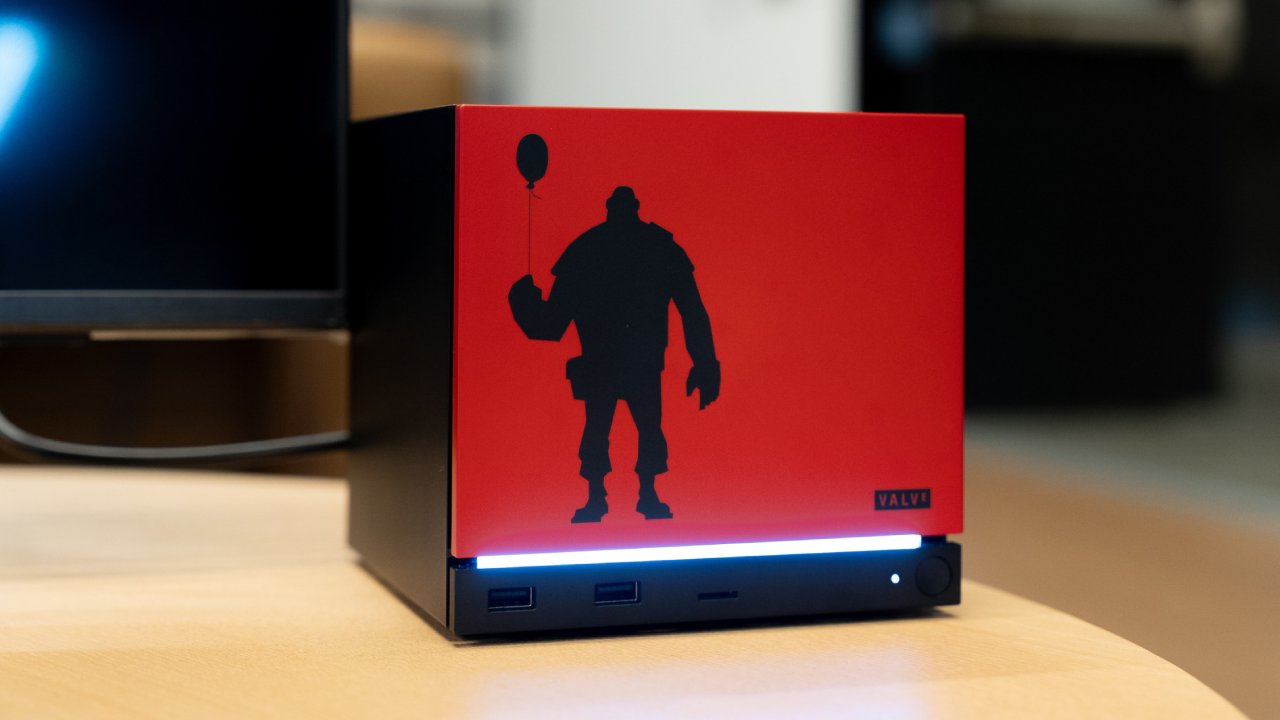
Positioning and Hardware Specifications
In short, the Steam Machine is a gaming PC. It has hardware similar to an AMD RX7400 or RX7600-class GPU, a Zen4 CPU, and 16GB of RAM. There will be two options: 512GB or 2TB of SSD storage. The hardware is from the last generation, but it's not so old that most people would notice. But it's not cutting-edge, which affects how much people are willing to pay.
Valve has said before that it plans to price the Steam Machine like a PC instead of a console. That indicates there won't be a subsidy scheme in real life. It won't depend on making up for losses by selling games on Steam. Instead, the idea is to have the same price as PCs that work as well as this one.
Costs for Memory and Storage Go up
The current problem is caused by the memory crisis brought on by the need for AI. Memory prices have risen significantly. For instance, last year, Crucial Pro 32GB DDR5 CL36 kits cost $80. Now they cost $325. The costs of developing systems that depend on DDR5 have gone up as a result.
Analyst reports say memory prices have risen by as much as 90% this year, and the year has only just begun. These numbers show how much memory chips cost before adding in the cost of packaging and other parts needed for SODIMMs, which the Steam Machine uses, or LPDDR5, which the Steam Frame uses.
We don't think help will come soon. Companies like SK Hynix, Samsung, and Micron may not be able to make more products until 2027. Even then, more production might only keep pace with the growing demand for AI, not lower prices for consumers.
The price of SSDs has also gone up. A 2TB drive can currently cost more than $200, which is a lot more than what they cost during year-end promotions. Any device launch is made harder by increases in both memory and storage.
What People Thought Prices Would Be Versus What They Actually Were
When the first price talks happened, the estimates were good. Prices for the 512GB variant ranged from $499 to $529. The 2TB model was thought to cost $649. At such prices, the Steam Machine may have been a simple way for people to start playing PC games.
But the market has changed. PCs with RTX5060-class GPUs and DDR5 that used to cost $750 to $800 are now closer to $900 or more. It's harder to find systems with even somewhat contemporary specs below that level.
Revised projections show that change. The 512GB Steam Machine might cost roughly $899, but that might be too high. When the storage component alone can cost more than $200, it's hard to justify the 2TB model. Valve doesn't make as many products as big OEMs like Dell or HP, so it can't take advantage of lower parts prices.
One way to save money might be to use a single SODIMM instead of dual-channel memory. That would lower the possible performance but also the cost of making it.
Some less optimistic estimates say that the 512GB version will cost $999, and the 2TB version could cost $1,500. At those prices, it's hard to tell if the product will work.
Problems with Making Things
Valve may already have made some initial production units with lower component costs. That makes things hard. If you sell early units at lower pricing, you can run out of supply and have to wait for the next batch. If you raise prices to cover new costs, you might lower demand.
Setting a fixed price becomes harder and harder as prices keep rising in the lead-up to launch. Memory costs could be considerably higher in July than they are now. Valve is waiting for prices to stabilize before making a public commitment.
Effect on the Steam Frame and the Steam Controller
Steam Frame also faces rising costs. It has 16GB of LPDDR5 soldered memory and comes with either 256GB or 1TB of SSD storage. It has twice as much VRAM as the Quest 3 when used as a standalone VR headset. When memory is soldered, it is harder to source, which increases the likelihood of supply problems.
Steam Controller is less affected by memory constraints. It doesn't need much high-capacity RAM to work. It might launch on its own from a component perspective.
These gadgets are connected by an ecosystem strategy. Steam Machine, Steam Frame, and Steam Controller are designed to work together, so they are compatible and easy to switch between. Separating releases might make that plan less effective, but putting everything off could lead to a wider standstill.
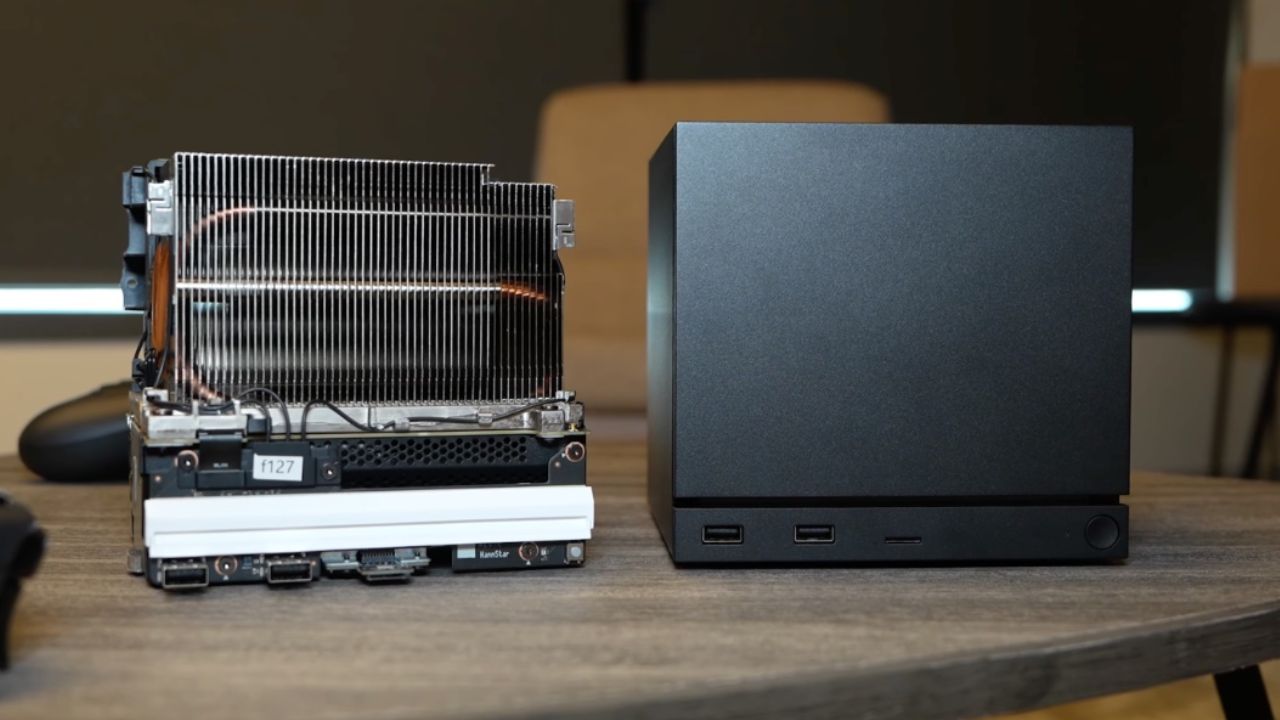
Market Context and the Choice of the Consumer
A $999 Steam Machine may sound like a lot of money, but if prices for other PC gaming hardware keep going up, it might not look like such a bad deal. The primary question is still whether purchasers would buy at that price or wait for the market to settle down.
There are other examples similar to this. Xbox Ally X, for example, launched at $999 with hardware that wasn't considered cutting-edge. Still, demand remained high due to its design and compatibility with other devices.
Valve has two choices: release the game at a price many consider exorbitant, or delay it indefinitely. There is also a historical connection. There was a lot of excitement when the first Steam Machines were released in 2014–2015, but interest slowly waned. That project relied substantially on manufacturers from outside the company. In this situation, Valve still has direct control over pricing and manufacturing decisions.
Final Thoughts
Steam Machine was marketed as an easy way to get into PC gaming, with a simple UI and a more straightforward living room experience. The current prices of parts make that argument weaker.
One possible way forward is to focus on the Steam Controller's debut while considering the broader state of technology. In the end, Valve decides if the Steam Machine comes out with a small margin, a big margin, or not at all.
The bigger goal is to keep PC gaming gear prices the same over the next few years. For now, the future of the Steam Machine depends on the memory markets and how ready buyers are to pay more.
Also, check our other hardware articles:
- AMD Ryzen 9 9950X3D Review: Setting The Standard For 2025 Gaming CPU
- Amazon Luna 2025 Review: Is Prime Gaming's Cloud Service Your Go-To For Casual Fun?
- AMD RX 9070 XT Review: AMD's RDNA 4 Champion for 1440p Gaming
- GeForce Now Ultimate: Ditching Your Gaming PC For Cloud RTX 4080 Power?
- NVIDIA GeForce RTX 5080 Review (2025): Still A 4K Gaming Powerhouse?
- Intel Core Ultra 9 285K Review And Performance Breakdown (2025)
- AMD Ryzen 7 9800X3D Review: 3D V-Cache Goes God Mode with Stunning Gaming Performance
- Intel Core Ultra 9 285K vs AMD Ryzen 7 9800X3D: In-Depth Gaming Performance and Benchmark Comparison
- NVIDIA GeForce RTX 5080 Super Performance In Cyberpunk 2077: Path Tracing & DLSS 4.0 Tested
- AMD Radeon RX 9070 XT In Cyberpunk 2077: Ray Tracing & FSR 4.0 Tested
- Intel Arc B580 Review: The $250 GPU Revolutionizing 1440p Gaming
- Intel Arc B570 Vs. B580: Value, Specs, And Real-World Gaming Performance
- RTX 5090 Laptop Vs. M4 Max MacBook Pro: Ultimate Raw Performance Vs. Battery Endurance
- Intel Arc b580 Vs. RTX 4060: Game Performance And Value Analysis
- RTX5090 Hell Is Us Demo 4K Ultra Benchmark: DLSS Vs. Native Performance Guide
- NVIDIA RTX 5070 Review: Mid-Range Muscle or Marketing Hype?
- Nintendo Switch 2 Review: Handheld Performance, Features & Value Breakdown
- RTX 5070 Ti Review: Performance, Thermals & Power Efficiency Tested
- Samsung Odyssey OLED G81SF Review 2025: Ultimate 32-Inch QD-OLED Gaming Monitor
- AMD RX 9070 Performance Review: Thermals, Clocks, and Real-World FPS
- AMD Ryzen 5 7600 Review: Best Budget Gaming CPU of 2025?
- AMD Radeon RX 7800 XT Review: RDNA 3 Power For Midrange Gaming
- Asus ROG RTX 5090 Astral OC Vs. Founders Edition: The 4K Gaming Benchmark
Editor, NoobFeed
Gaming Hardware Updates
No Data.