
Switch 2 Struggles Performance Limitations Rising Costs and Limited Game Support
Performance limitations and delayed developer support create ongoing challenges for Switch2 software quality and long-term platform confidence.
Hardware by Nahe Yan on Dec 30, 2025
Numerous conversations have taken place on the value of the Nintendo Switch 2, the efficiency with which it operates, and the length of time it will continue to be of use. After having the console for a period of six months, people are more concerned about whether or not it is worth the price that it is asking for.
It belongs in a market that is now dominated by powerful handheld competitors. At first, I thought I was getting a good deal. I still don't know today, though, especially when I think of other solutions that work better and can do more things.
.jpg)
Expectations for Performance vs. What Really Happens
Performance is the largest problem. When the gameplay and plot are good, 30 fps has never been a dealbreaker. However, there is no good reason for games that are 10 years old to be still locked at that frame rate. It's hard to believe that games like Skyrim and Red Dead Redemption are coming back to Switch at 30 fps, even if the visuals or lighting get a little better. Red Dead Redemption recently got a patch that let it run at 60 fps, but Skyrim is still stuck at 30. This makes many wonder about the company's priorities and consistency.
There are rumors that Red Dead Redemption 2 will come to Switch 2, which could mean another 30fps release. When played on a portable device, Assassin's Creed Shadows runs at 30 fps and looks a lot worse than on the Steam Deck. It's hard to rationalize buying games again when they are already available at 60fps or higher. Switch's original edge has diminished as other handhelds have come out.
The worry gets bigger with new and old ports. Even though Fallout 4 is already ten years old, it is scheduled for Switch 2. People are already anticipating it to run at 30 fps. Elden Ring's previews show that it runs at less than 30 fps, which is bad for a game that has to be responsive. Cyberpunk runs at roughly 40 fps, which is good enough to play. But even smaller games like Dredge, which runs at only 30 fps, don't need to.
Keeping Development Kits Safe
One of the main reasons for these performance problems is how Nintendo handles development kits. Even 6 months after the Switch 2 launched, many developers still don't have dev kits. This delay makes it harder to optimize and leads to late, flawed ports. Developers who wish to help the platform are already behind schedule.
This choice could have serious long-term consequences. Games come out later on this platform, and they are generally less fun. Borderlands 4 was announced on Switch 2, but it hasn't come out yet. This is probably because the developers didn't have the hardware until late, which created delays. Timing is important, and if developers start too slowly, they can lose interest completely.
Looking at How Different Industries Do Things
Other companies that own platforms are doing things differently. Sony has already told developers to make their games work well in low-power mode on PlayStation 5 in case they want to make a handheld version in the future. That preparation ahead ensures that games are ready to go when they come out, instead of having to catch up. Nintendo's plans are more reactive than proactive.
The disparity is also shown via backward compatibility and performance gains. Many older games run better on the PlayStation 5 without developers having to do anything. Nintendo hasn't made a similar improvement across all its systems, so many games are still the same, even though the technology is better.
Few Books and Having to Buy the Same Thing Again
The problem gets worse because there aren't many AAA games. The catalog is growing slowly, but many of the big releases are games people already have on other platforms. It doesn't make sense to buy Elden Ring for the third time to see it run at less than 30 fps. When you browse the eShop on Switch2, it often feels like you're looking for something new but can't find it.
Platforms like Steam Deck, on the other hand, let you play almost any PC game. Availability is rarely a problem, but performance can be different. Access is limited on Switch2, which makes the environment feel more like a prison than a managed space.
Controls and Comfort
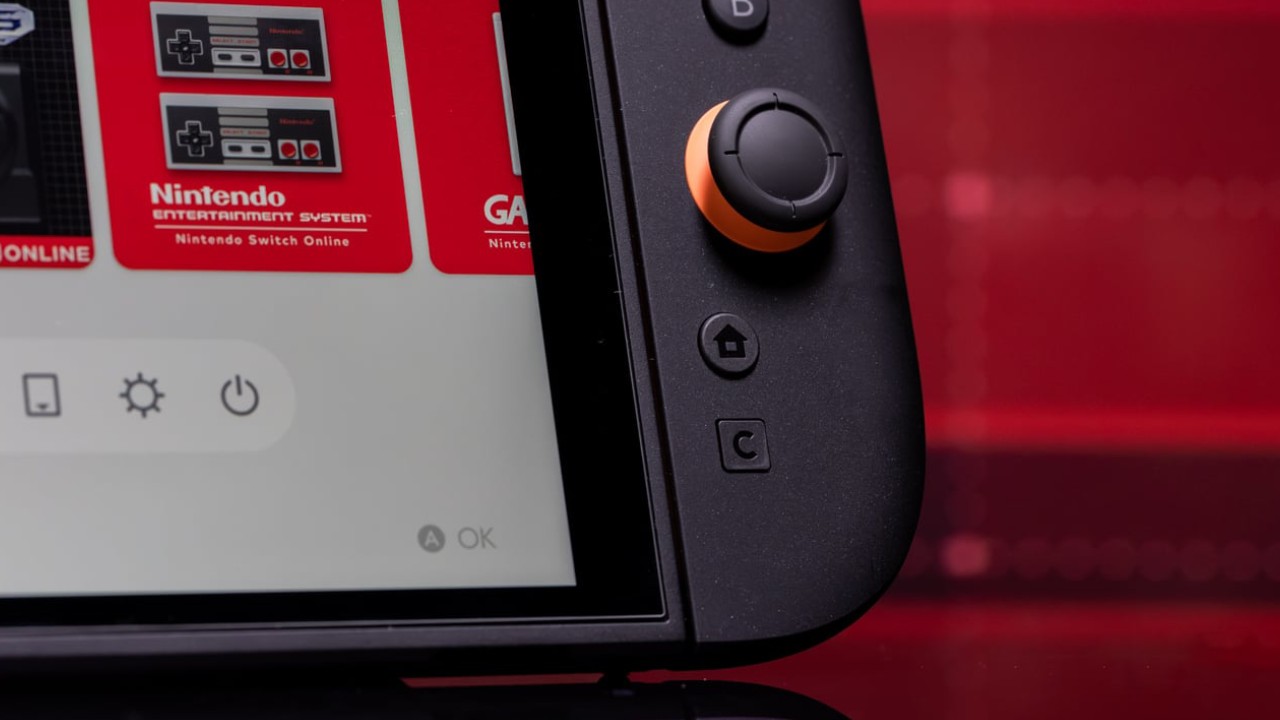
Designing hardware adds another level of frustration. The Joy-Con shape hasn't changed much, aside from size. The console's form and joystick placement make it difficult to play for long periods. Some games, like the Metal Gear Solid 3 collection, are hard to appreciate because the controls are difficult to use and the ergonomics are poor.
To have a good time, you practically have to buy more things. A grip casing and a good controller make the console easier to use, but they also make it more expensive. It seems unfair to have to pay extra for accessories to remedy problems that come with the device. This is especially true when other devices come with superior ergonomics by default.
Slow, Old, Lack of Support and Customization
Expectations for old Nintendo games through the expansion service have likewise not been met. Even though they are first-party games, releases come out slowly. It doesn't make sense that there's no hurry, since Nintendo is in charge of both the hardware and the software.
There is still very little customization. There are only basic bright and dark themes, so you can't really make them your own. Older Nintendo systems had a lot more ways to express yourself; thus, this new way feels like a step back. There are various other profile icons, but system-wide customisation is still not available.
Mouse Controls that Don't Require a Commitment
Mouse controls were included as a new feature that looked promising, especially for PC-style games. In reality, help is limited. Responsiveness is fine, but comfort problems and inconsistent weight distribution make it harder to use. More importantly, not many developers actively promote the feature, hence it isn't used very often.
Mouse controls don't often feel intentional, except for a few titles like Stardew Valley and Fortnite. If more people don't use it, the function will be more of a novelty than a selling factor.
Cost of Entry and Ongoing Investment
Price is still a huge problem. People anticipate a lot from the console alone. Still, you'll need to spend extra on cases, controllers, and other accessories to make it comfy. The total cost of the investment over six months can approach that of higher-end systems that don't have to make as many trade-offs.
Physical key cards offer flexibility through resale and discounts, which helps lower expenses. But the whole ecosystem still seems too pricey for what it offers right now.
Final Thoughts
Nintendo systems from the past have shown that things can start off slowly and end up being very powerful. Switch 2 is good hardware that came out at the wrong time. A lot of games are just like the ones from the last generation, and there aren't many reasons to update. The system could still get back on track if subsequent announcements and developer support are better. For now, being patient is the best option.
Also, check our other Handheld articles below:
- ASUS ROG Ally X Handheld Review: Double the Battery, Double the Comfort
- Nintendo Switch 2 Vs. Original Switch 1: A Full Comparison
- How To Connect A Camera And Join Voice Chat With Nintendo Switch 2
- Nintendo Switch 2 Review: Handheld Performance, Features & Value Breakdown
- Lenovo Legion Go S Review: The Ultimate Steam Deck 2 Alternative
- ROG Xbox Ally X Vs. ROG Ally X: Display, Battery & Controls
- MSI Claw 8 AI+ Review: Display, Controls & Gaming
- ASUS ROG Ally X vs. Steam Deck OLED: Display, Battery & Gaming Benchmarks
Editor, NoobFeed
Gaming Hardware Updates
No Data.