
Valve Hardware Timeline Explained Amid RAM and Storage Shortages
Steam hardware lineup targets first half of2026 with pricing uncertainty driven by global component constraints.
Hardware by Nahe Yan on Feb 06, 2026
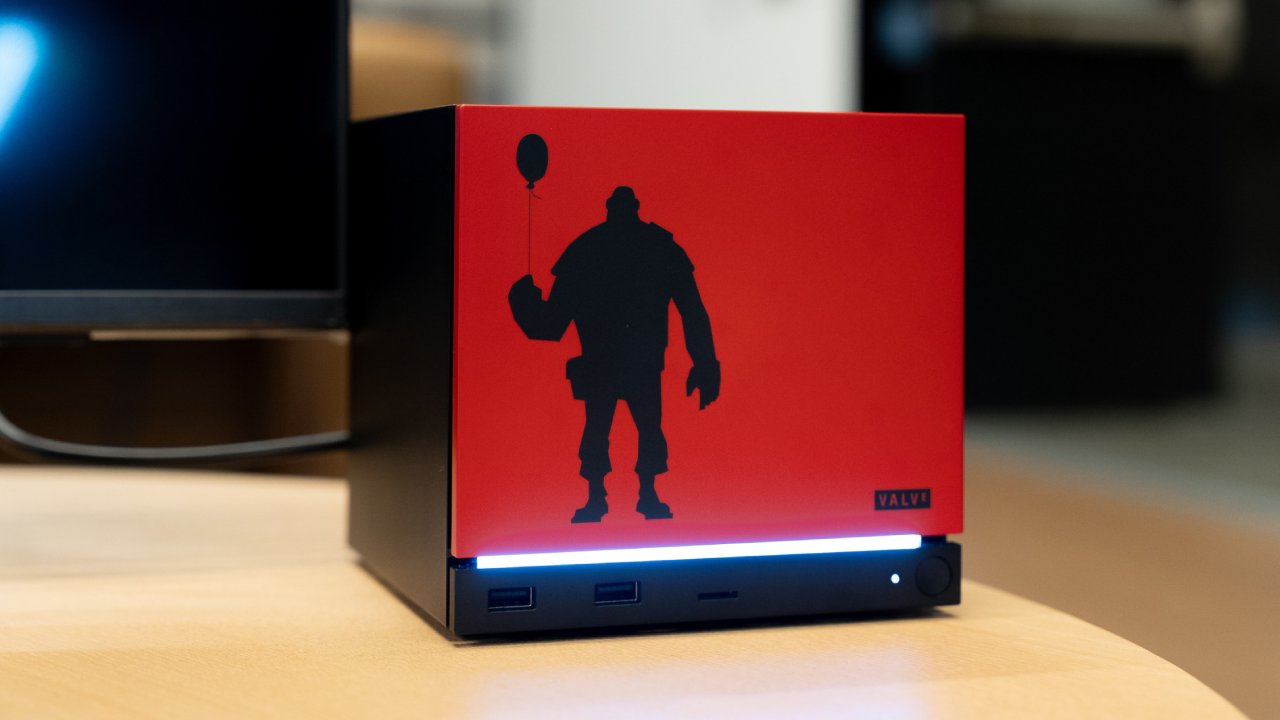
A recent Valve blog post outlined the current status of upcoming Steam hardware, including a new Steam Controller, Steam Frame VR headset, and Steam Machine.
Valve didn't give any prices or precise launch dates, but they did say that all three devices are still on pace to come out in early 2026, which they clarified as the first half of the year. The update was more about being open than about getting people excited, and it addressed the growing uncertainty in the community.
Why the Update Is a Good Sign
The clarification helped people keep their hopes up. Valve didn't let people keep guessing; instead, they answered the two most common questions: when the devices will be available and how much they will cost. Valve said they had expected to disclose this information by now. Still, due to ongoing industry-wide shortages of memory and storage, they had to rethink their timeframes and prices, especially for Steam Machine and Steam Frame.
Still, the main purpose has not altered. The plan is still to release all three products in the first half of 2026. The delay isn't because the development isn't ready; it's because they want to lock in costs and timetables they can reveal with confidence in a market where components are always changing.
Shortages of Parts and how they Affect Things
Valve made it clear that the main problems are memory and storage space. Steam Machine and Steam Frame depend heavily on RAM and SSDs, which are now in short supply and whose prices fluctuate widely. In contrast, the Steam Controller doesn't need much memory or storage, so it isn't as affected by the current situation.
We have observed how AI-focused corporations buying a lot of things has made supply chains less flexible. The increased demand for DDR5 RAM and large-capacity SSDs has driven prices up significantly, not just for newer parts but even for DDR4. As a result, even companies with strong supply agreements face uncertainty when setting fixed consumer prices months in advance.
The Community's Response and the Controller Debate
There was a lot of interest in Valve's blog article. Some people were angry about AI-driven market pressure, while others were more practical about it. People have been asking a lot for the Steam Controller to be sold separately. The argument is simple: it doesn't rely on a limited number of parts, and Steam Deck users have been waiting years for a good controller.
Releasing the controller early makes sense from a supply standpoint. It will sell a lot more than the Steam Machine or the Steam Frame. Valve hasn't answered this request, though, and there are reasons to think they want to ship all of the hardware at once. The controller's firmware is stored on memory chips, and Valve may also want to market all three products as a single platform rather than separate releases.
Waiting Versus Paying More
Another strong feeling was that people would rather wait than spend too much. Many people said they would rather wait than pay more to meet a random launch window. The concept of a panic launch at a high price made others worry that the Steam Machine could wind up competing directly with self-built PCs, which would defeat its purpose.
Some community members suggested offering a barebones Steam Machine without RAM or storage. While this might address the parts shortage, it goes against the product's plug-and-play concept. If you only sell the chassis and motherboard, it would become a niche mini PC kit, which would make the user experience less smooth, make support more difficult, and make it harder for developers to optimize for consistent hardware.
Expectations for Prices and a Cost Analysis
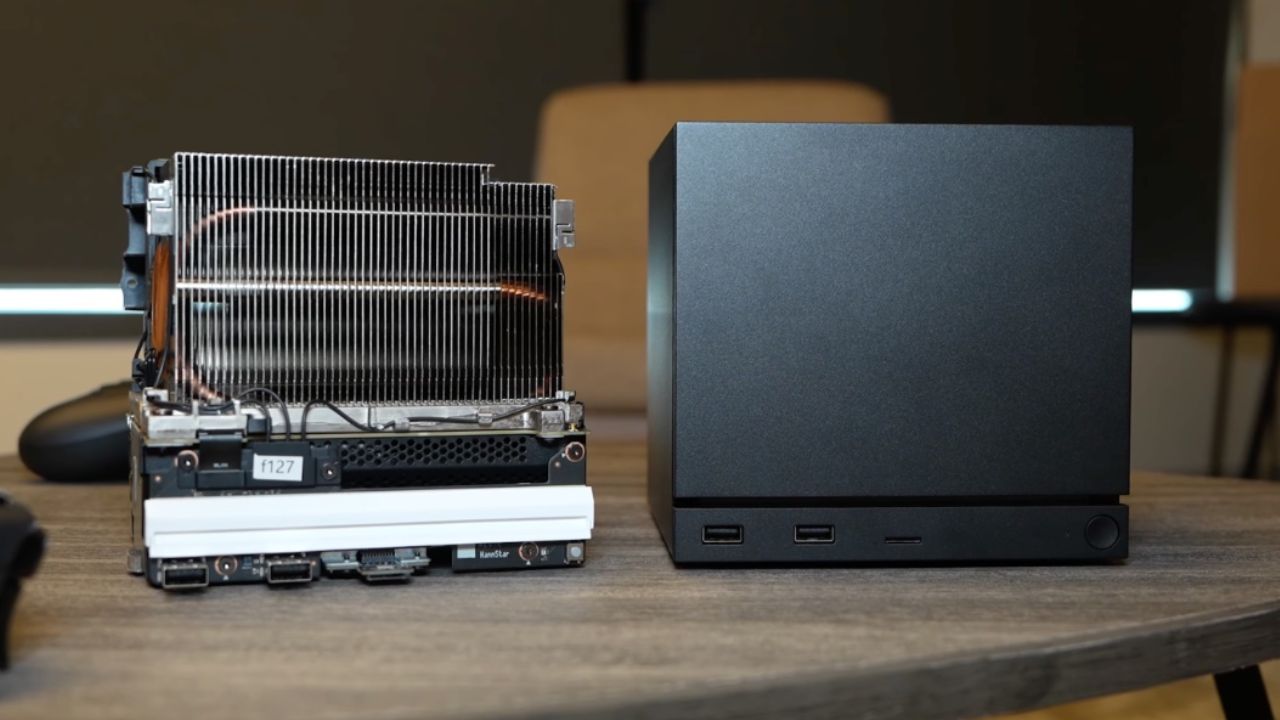
Previous estimates placed the base Steam Machine at around $699 and higher-capacity models near $850. We are still roughly 60%–70% sure that these goals are still possible. Earlier component research suggested that RAM would cost 48 and SSDs would cost 30 if bought in bulk. Even with recent price hikes, worst-case scenarios put RAM at around $100 and SSDs at around $45, adding about $67 to the cost of each unit.
Why Valve Is Taking Its Time
Valve doesn't have to rush because it has room in its gaps. Your prices might go up after you say them, so you might need to make changes soon after start if you say them too soon. Valve can avoid a second round of price and keep things the same if they wait, especially if high demand leads to quick follow-up production.
AMD's leaders may have led people to believe the game would come out in the first quarter of 2026, but Valve's initial phrasing always pointed to the first half of 2026. The time frame was always from January to June. The latest blog post simply clarified that interpretation and reset expectations.
No Delay Just Better Communication
There has been no official delay in relation to Valve's internal schedule. The level of detail about what early2026 really implies has changed. Valve is controlling expectations rather than letting speculation lead to disappointment by addressing pricing uncertainties immediately.
Final Thoughts
Valve's wording emphasized that shortages affect Steam Machine and Steam Frame especially, implying the controller is still impacted to some degree. This makes it seem like Valve wants to release all three items at once as a single hardware portfolio. Even if there is demand, releasing the controller early could make that message less clear.
Also, check our other articles below :
- ASUS ROG Ally X Handheld Review: Double the Battery, Double the Comfort
- Nintendo Switch 2 Vs. Original Switch 1: A Full Comparison
- How To Connect A Camera And Join Voice Chat With Nintendo Switch 2
- Nintendo Switch 2 Review: Handheld Performance, Features & Value Breakdown
- ROG Xbox Ally X Vs. ROG Ally X: Display, Battery & Controls
- ASUS ROG Ally X vs. Steam Deck OLED: Display, Battery & Gaming Benchmarks
- MSI Claw 8 AI+ Review: Display, Controls & Gaming
- Nintendo Switch 2 vs. Steam Deck OLED: Gaming, Performance, Battery, Display and Value
- PlayStation Portal Review: Remote Play, Cloud Streaming & Travel Gaming
- PlayStation Portal vs. Lenovo Legion Go: Best Portable Gameplay
- Cyberpunk 2077 Patch 2.3 FPS Test on MSI Claw 8 AI+
Editor, NoobFeed
Gaming Hardware Updates
No Data.