
Zen 6 vs. Nova Lake: Ryzen 10000 Specs, 24-Core Design and 52-Core Intel Showdown
Nova Lake dual-tile design pushes core counts and platform power requirements higher.
Hardware by Nahe Yan on Feb 24, 2026
Many of the performance goals, specs, and core configurations for AMD's Ryzen 10000 series for desktop, also known as Olympic Ridge, have been leaked online. Zen 6 will be a big update.
There are also reports that these processors won't be out at the end of the year, but rather in early 2027. At the same time, Intel's Nova Lake is likely to have more cores and consume more power, putting the two platforms in direct rivalry.
Changes to Core Configurations and CCD that were Leaked
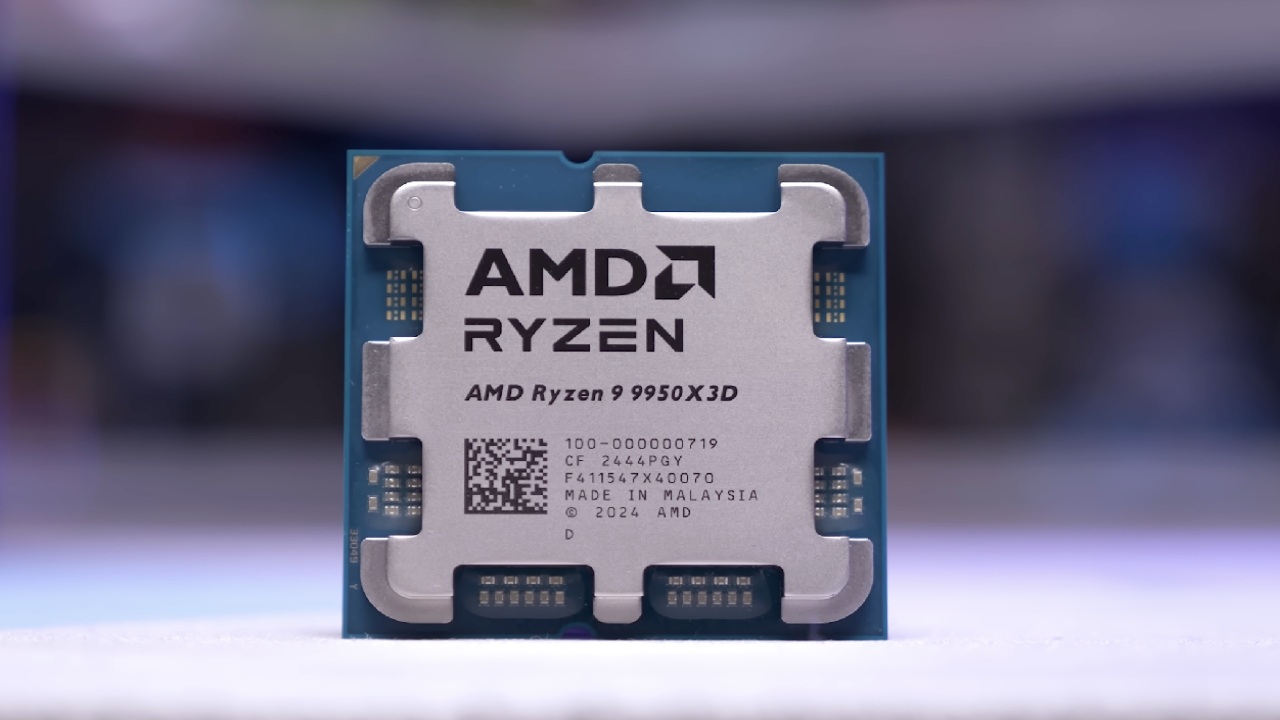
HXL, also known as the 9550 Pro on X, leaked details about its configurations, including 6-, 8-, 10-, and 12-core versions. There are 8+8, 10+10, and 12+12 combinations for dual CCD versions. The most powerful configuration has 24 cores and 48 threads. There are likely to be single-CCD versions as well.
AMD is raising the number of cores per CCD from 8 to 12. For instance, the existing dual CCD design with 16 cores would have 24 cores in the top model. We still expect a 6-core SKU. This will likely work for anyone on a budget. A 6-core processor is still good for gaming and other workloads. But it makes you wonder about the distribution of yield, since such a setup would mean that a large number of cores are disabled, depending on the binning method.
We don't know all the details about how the cache is set up. The most powerful version is likely to stay at 24 cores and 48 threads, while lower-end variants will have fewer cores. There may also be an 8-core variant, and the price will determine how good it is for gaming. The 10-core or 12-core single CCD variants may be the best choice for gaming workloads.
When to Launch and what Platforms to Support
Olympic Ridge is still on the AM5 socket. Rumors at the time said that the launch would happen in Q4, followed by mobile and X3D versions at CES. AMD has always released mobile and X3D models following the first desktop model.
New reports say that the launch window is 2027. If this is true, production priorities have changed. There are also speculations of a temporary update, a 9950X3D V2, that will operate as a stopgap. If Zen 6 is pushed back to 2027, Intel's response time with Nova Lake becomes important.
Specifications and Architectural Details for Zen 6
It is said that each CCD will have 12 cores and 48 MB of L3 cache, which is 50% more than the previous version. X3D V-Cache should grow in size as well, possibly reaching 96MB per CCD stack. There are reports of dual-stacked cache variations; they may not be available on desktops due to high cost.
New instructions, such as AVX-512 and FP16, are coming and will affect machine learning and computational workloads.
By default, clock frequency objectives are set to stay below 6 GHz, but they can reach up to 6.3 GHz under PBO for workloads with few threads. Some people say the objectives are higher, but it's unrealistic to expect 7 GHz to be stable with normal cooling settings. AIO cooling will let us reach practical frequencies instead of excessive ones.
IPC increases are between 10% and 15%, perhaps based on established benchmarks like SPECint. Improvements to the I/O die and latency may affect how well games run. Zen 6 adds more execution resources and modifies the architecture, while Zen 7 is slated to deliver a larger revamp.
There are rumors that the memory will be 8000mts dual-channel DDR5. If your motherboard is in the 7000 or 9000 series, it may work with these CPUs if you update the software. TSMC 2nm will likely be used for CCDs, and possibly 3nm for the I/O die, but this has not been confirmed.
Scaling and Power Delivery for Nova Lake Core
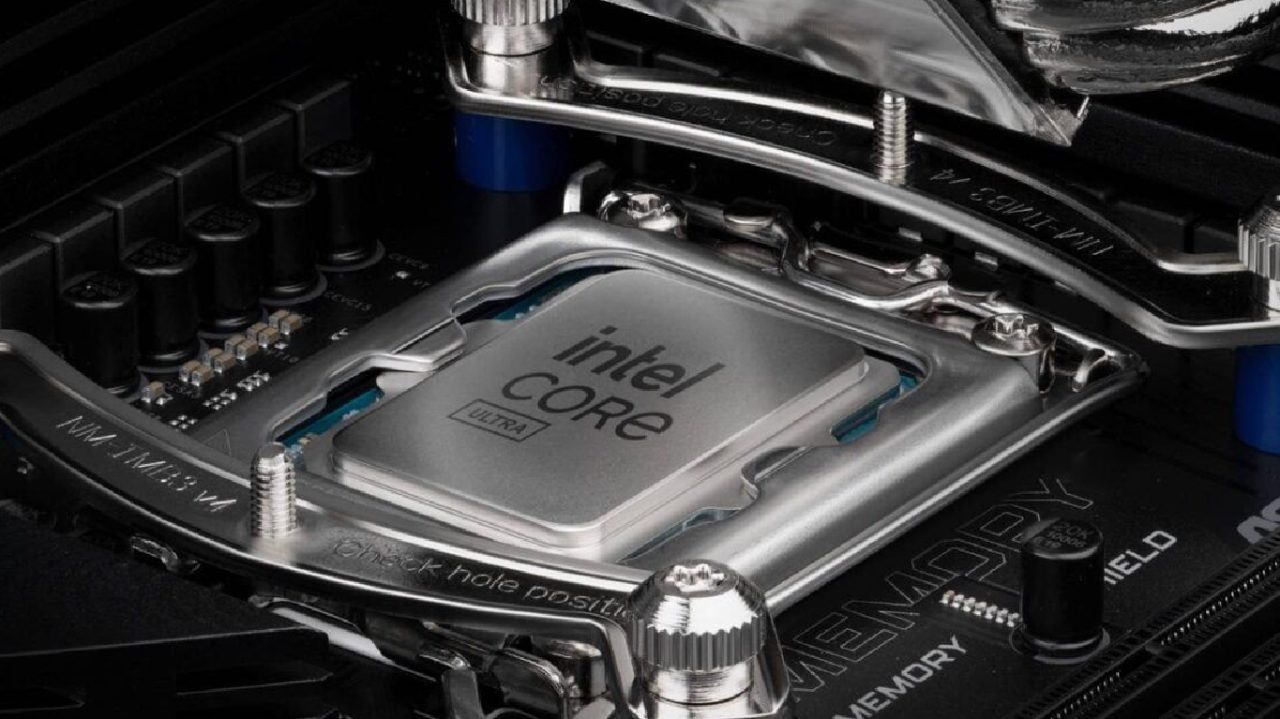
Nova Lake adds a dual-tile setup that can have up to 52 cores. But only a few 900-series boards are likely to handle full platform power. Early documents state that PL4 values can reach 854 W, although these are not final standards and apply only to peak situations.
The dual-tile setup won't work at low power levels; however, power use will be lower while gaming than under synthetic peak loads. Choosing the right board is key. The PCIe lane allocation and additional I/O capabilities are two features that set the 970 and 990 chipsets apart. The 990 boards may be superior for high-core-count SKUs because they feature stronger power supplies and up to 48 PCIe lanes, compared to 34 on the 970.
There are signs that Intel might market the 52-core dual-tile version as a workstation processor rather than a gaming chip. It's still not clear how clock frequency behaves when only a few threads are running.
Launches that are Spaced out and Performance Goals
People say Nova Lake will launch in the fourth quarter, with single-tile versions coming first and dual-tile 52-core devices coming later. This staggered approach could change when Zen 6 goes up against other companies directly.
Internal estimations say that the single-thread performance of Zen 6 and Nova Lake should be about the same. Scaling with several threads is less predictable. Memory bandwidth may hinder scaling under substantially parallel workloads with dual-channel DDR5 at 8000mts. As the number of cores increases, I/O and memory limits can cause diminishing returns.
Final Thoughts
Zen 6 is projected to have a faster IPC, more cores per CCD, and a bigger cache. Nova Lake is likely to push the limits of platform power and core counts. The two may still be able to compete in single-thread performance. Still, multi-thread performance will depend on clock rates, memory bandwidth, and the type of workload.
When you think about future updates, you probably think about how long the platform will last, how much power it needs, and how much it costs. Both product lines will have a big impact on the desktop and workstation markets, depending on when they are released and what their final specs are.
Also, check our other hardware articles:
- AMD Ryzen 9 9950X3D Review: Setting The Standard For 2025 Gaming CPU
- Amazon Luna 2025 Review: Is Prime Gaming's Cloud Service Your Go-To For Casual Fun?
- AMD RX 9070 XT Review: AMD's RDNA 4 Champion for 1440p Gaming
- GeForce Now Ultimate: Ditching Your Gaming PC For Cloud RTX 4080 Power?
- NVIDIA GeForce RTX 5080 Review (2025): Still A 4K Gaming Powerhouse?
- Intel Core Ultra 9 285K Review And Performance Breakdown (2025)
- Intel Core Ultra 9 285K vs AMD Ryzen 7 9800X3D: In-Depth Gaming Performance and Benchmark Comparison
- NVIDIA GeForce RTX 5080 Super Performance In Cyberpunk 2077: Path Tracing & DLSS 4.0 Tested
- AMD Radeon RX 9070 XT In Cyberpunk 2077: Ray Tracing & FSR 4.0 Tested
- Intel Arc B580 Review: The $250 GPU Revolutionizing 1440p Gaming
- Intel Arc B570 Vs. B580: Value, Specs, And Real-World Gaming Performance
- RTX 5090 Laptop Vs. M4 Max MacBook Pro: Ultimate Raw Performance Vs. Battery Endurance
- Intel Arc b580 Vs. RTX 4060: Game Performance And Value Analysis
- RTX5090 Hell Is Us Demo 4K Ultra Benchmark: DLSS Vs. Native Performance Guide
- NVIDIA RTX 5070 Review: Mid-Range Muscle or Marketing Hype?
- Nintendo Switch 2 Review: Handheld Performance, Features & Value Breakdown
- RTX 5070 Ti Review: Performance, Thermals & Power Efficiency Tested
- Samsung Odyssey OLED G81SF Review 2025: Ultimate 32-Inch QD-OLED Gaming Monitor
- AMD RX 9070 Performance Review: Thermals, Clocks, and Real-World FPS
- AMD Ryzen 5 7600 Review: Best Budget Gaming CPU of 2025?
- AMD Radeon RX 7800 XT Review: RDNA 3 Power For Midrange Gaming
- Asus ROG RTX 5090 Astral OC Vs. Founders Edition: The 4K Gaming Benchmark
Editor, NoobFeed
Gaming Hardware Updates
No Data.