
Assassin's Creed Codename Hexe: Witchcraft, War, and a Welcome Return to Stealth
Ubisoft Montreal ditches the RPG bloat for something darker, weirder, and way more intriguing.
News by Wasbir Sadat on Jul 21, 2025
After years of rumors, it looks like everything is finally coming together: a remake of Assassin's Creed IV: Black Flag is in development. People used to think it was one of Ubisoft's biggest open-world projects because it had naval combat along with the usual stealth and parkour parts of the series. Reports say that it's getting a full modern makeover, and the work is already well underway. We now know something about Assassin's Creed Codename Hexe.
Ubisoft is finally pulling back after years of making massive RPGs that make you want to lose your life in side quests and loot grinds. They want to make something more focused, more handcrafted, and, to be honest, more exciting. Assassin's Creed Codename Hexe, the next big game in the series, looks like it will be the most daring experiment the series has done in years.
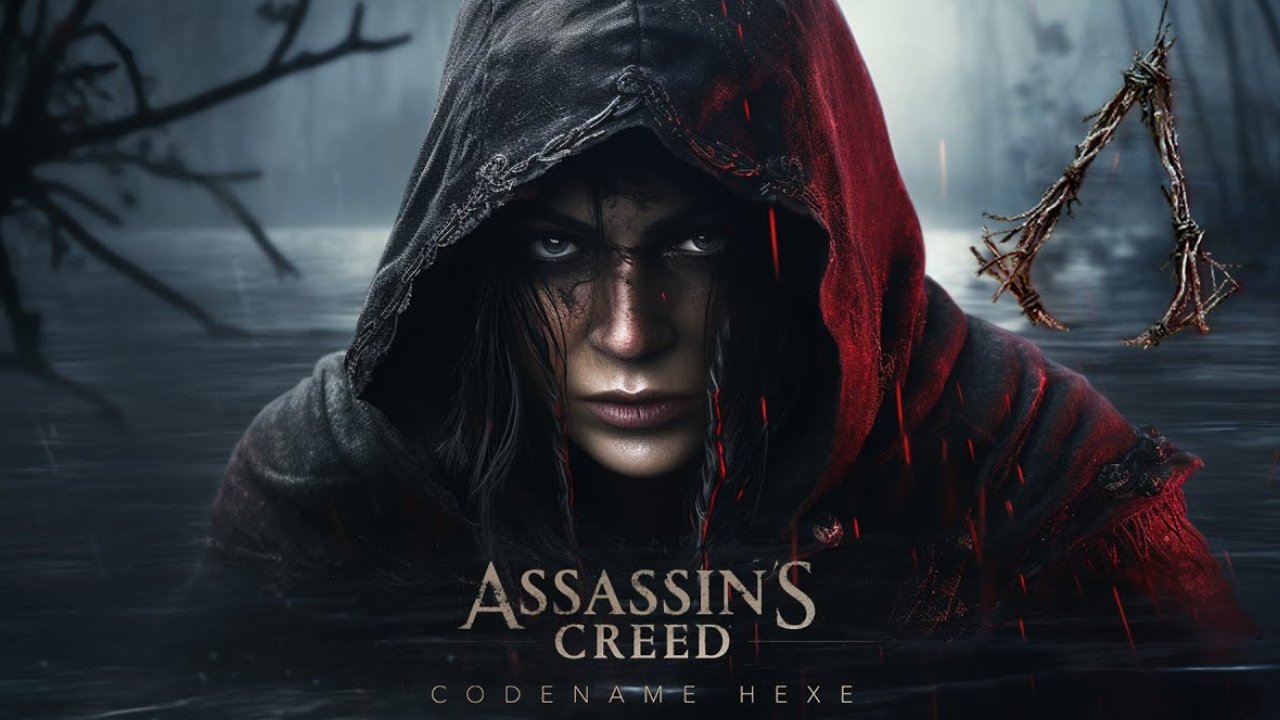
Set in the 1600s, during the Holy Roman Empire, Codename Hexe transports you into a world of fear, superstition, and fire—the witch hunts are still raging across Europe. You'll play the mysterious main character, a woman named Elsa who may or may not have supernatural abilities.
Ubisoft Montreal is in charge of this project, which is a cautious sign of optimism, as they are the same studio that made many of the series' better-known and more story-driven games. Also, Darby McDevitt, who has written some of the most interesting Assassin's Creed stories (yes, even Valhalla), is coming back as the lead writer. Most of the time, when McDevitt is involved, the writing is subpar, even when the game itself is mediocre.
Unlike recent games like Valhalla or Odyssey, Codename Hexe won't be a huge RPG with 150 hours of quest markers. It's said to be more linear and focused on stealth, with open-world exploration that resembles the early Assassin's Creed games. You could compare it to Unity or Syndicate, but with witches, spells, and moral panic.
Let's talk about magic now. Since this is Assassin's Creed and Ubisoft loves their sci-fi-tinged historical fiction, Elsa's "supernatural" powers, derived from using a Piece of Eden, will probably not be taken into account. If Ubisoft wants to hide something magical in the story, they just say, "Want to control animals"? It's time to show off the shiny alien artifact from a long time ago!
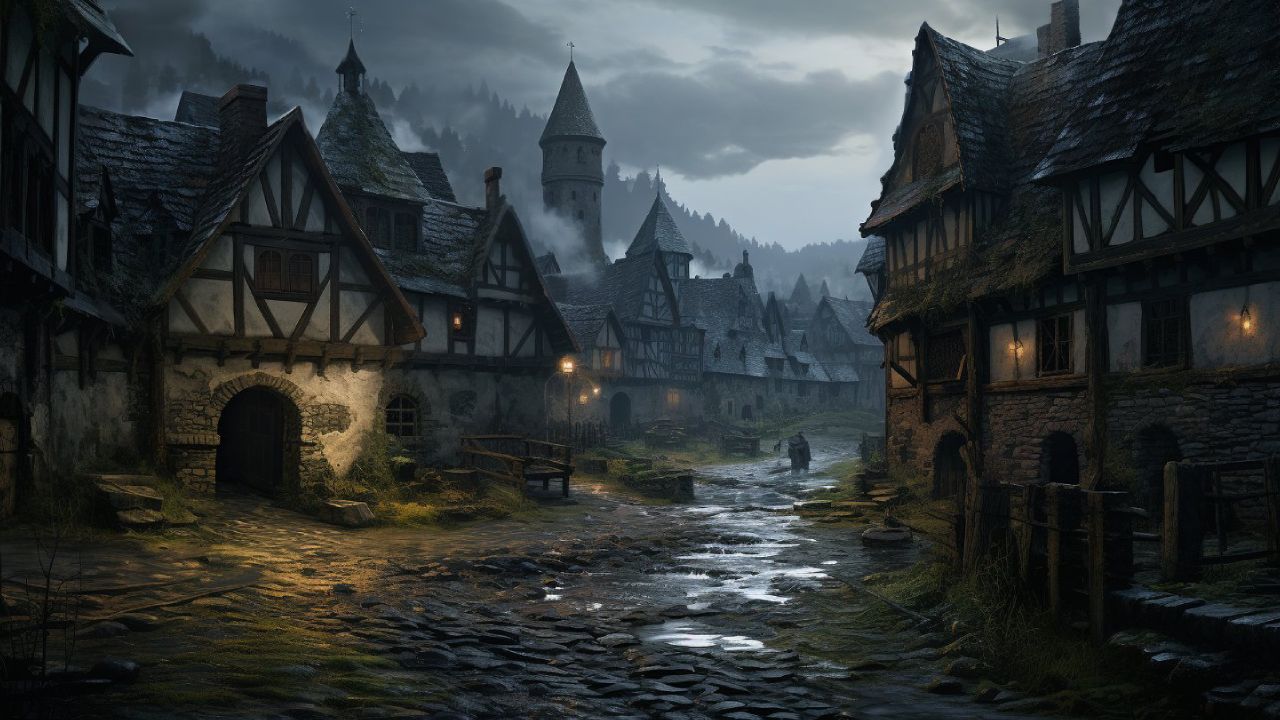
Still, it's cool what it means. German soldiers are said to be chasing Elsa through dark, cobblestone streets. She casts a spell to take control of a cat, which she then uses to distract the guards by breaking a glass bottle. Feels of dishonor? Strong. Also, thanks a lot.
Yet another fun throwback? There are rumors that the game will feature a fear system similar to the one in the Jack the Ripper DLC for Assassin's Creed Syndicate. That system let you use fear to scare and control enemies, but it wasn't used nearly enough and wasn't brought back after Syndicate. Putting that back for a darker witch-hunt scene? Smart move.
It's also said to get support after the game comes out, like Assassin's Creed Shadows, but this is where things get a little fuzzy. Codename Hexe was supposed to release in 2026, but it wasn't until 2027 because Shadows came out later. It was first thought that Ubisoft would support Codename Hexe for two years, but that number has probably been cut down to one year.
But there is a catch: one year of live service support for a linear game seems like a lot, unless the plan is more about microtransactions than new content. Ubisoft has been focusing a lot on making money lately, and, likely, selling $15 outfits and cosmetics that are made in a day will bring in more money than a $30 DLC that takes months to make.
Still, Codename Hexe is exciting for reasons other than how it makes money. It's weird, dangerous, and different, which is exactly what Assassin's Creed needs right now. Ubisoft Quebec has stuck to safe settings like Ancient Greece and Feudal Japan, but Montreal is taking a risk by setting the game in a rough, less popular period with a lot of moral questions.
There is no Rome, no famous conquerors, and no big empires to get ideas from. Only fear, the plague, and public executions. And this dirty setting may be where the game's stealth systems, which are a lot like those in Dishonored, really shine.
Let's be honest: if Codename Hexe ends up feeling like a mix of Assassin's Creed and Dishonored (with linear levels, magical stealth skills, and a dark atmosphere), then it might be just what the franchise needs. With Mirage and its teleporting assassin skill, Ubisoft already showed they can make a great stealth game. Shadows builds on that with light and sound effects that make enemies less aware of your presence. With fear-based stealth and possession based on magic, Codename Hexe might just raise the bar.
Having said that, Codename Hexe could easily go wrong. If it tries too hard to make money or doesn't try anything new besides the supernatural hook, it might just be another half-baked side entry. But if Ubisoft Montreal really wants to make something well-thought-out, story-driven, and well-balanced, Codename Hexe could be a surprise hit, especially with long-time fans who are sick of 100-hour loot-fests.
The biggest question is whether Ubisoft will keep their promise to make their Assassin's Creed strategy varied. Maybe they're finally realizing that it's better to focus on different groups of fans than making every game for every player. Do you want your big RPG? This is Shadows. Want a dark, stealth-based, linear game? This is Codename Hexe. Assassin's Creed Jade will also be there for people who like to play on the go.
Will Codename Hexe be the important event that changes Ubisoft's plan? Most likely not. The RPG style won't be going away. However, if Codename Hexe can show that smaller, more experimental games can work within the Assassin's Creed framework, it could make the case for these kinds of spin-offs for years to come.
Also, it's nice to see a game take a darker, more personal approach, where killing people isn't just a big deal during the day, but also something that's done carefully in scary, oppressive places. If Ubisoft Montreal can do this, they might be able to bring back the one thing that made the early Assassin's Creed games stand out: the atmosphere.
Contributor, NoobFeed
Related News
No Data.