
Directive 8020 Highlights Supermassive Games’ Shift toward more Ambitious Design
The studio’s latest horror game improves character balance, stealth systems, and tension, but there are still a few areas that clearly need refinement before the next project arrives.
News by Tahmid Mahi on May 21, 2026
Supermassive Games seems to be entering a unique phase after the release of Directive 8020. The studio’s latest entry in the Dark Pictures-style formula already feels more ambitious than several of its recent projects, especially in presentation, gameplay variety, and overall immersion.
While the game still has some rough edges, it also shows clear signs that the developer is finally pushing beyond its older structure. You can already see the foundation for something much bigger in the studio’s future games. That shift feels gradual, but it is clearly building momentum.

One of the biggest improvements comes from the overall visual presentation and the cinematic quality. Directive 8020 contains some of the strongest environments Supermassive has ever created, particularly during its space sequences and large environmental shots. Character models also look noticeably better compared to earlier games, and many scenes carry a stronger sense of scale than previous Dark Pictures entries.
The most obvious weakness still comes from the way scenes cut between characters and dialogue moments.
Certain transitions can feel awkward, especially when conversations suddenly switch camera angles or character animations twitch unnaturally during interactions. You can occasionally see the seams in the branching narrative structure, almost as if the game is struggling to connect different decision paths smoothly.
Part of that problem likely comes from the complexity of choice-driven storytelling itself. Games built around multiple branching paths naturally have a harder time maintaining perfectly seamless transitions between scenes and outcomes. That trade-off usually becomes more visible as the narrative scope becomes larger.
Still, there are other narrative-focused games that manage those shifts more smoothly, even with large amounts of player choice involved. Deck Nine and the more recent Life Is Strange games are often mentioned as examples of how fluid scene transitions can feel when the technology and presentation work together properly.
Even with those criticisms, Directive 8020 still feels like one of Supermassive’s strongest projects overall. The studio clearly has time to continue refining its cinematic systems before the next game arrives, especially if development timelines continue stretching across multiple years. Most technical difficulties are not severe enough to entirely damage the experience.
The overall visual quality already feels close to where it needs to be.
Another compelling strength comes from how the game handles its cast structure and playable characters. The marketing puts a lot of emphasis on Young as the star, but the actual gameplay distributes screen time far more evenly than you might expect. The choices you make and who lives longer in the story mean characters like Stafford feel just as important.
This raises an important question, though: Does Supermassive even need celebrity-driven marketing for its future projects? Many previous games depended heavily on recognizable actors to ground the story, like Ashley Tisdale in House of Ashes or Hayden Panettiere in Until Dawn. Even The Quarry had a cast full of familiar faces, including David Arquette and Brenda Song.
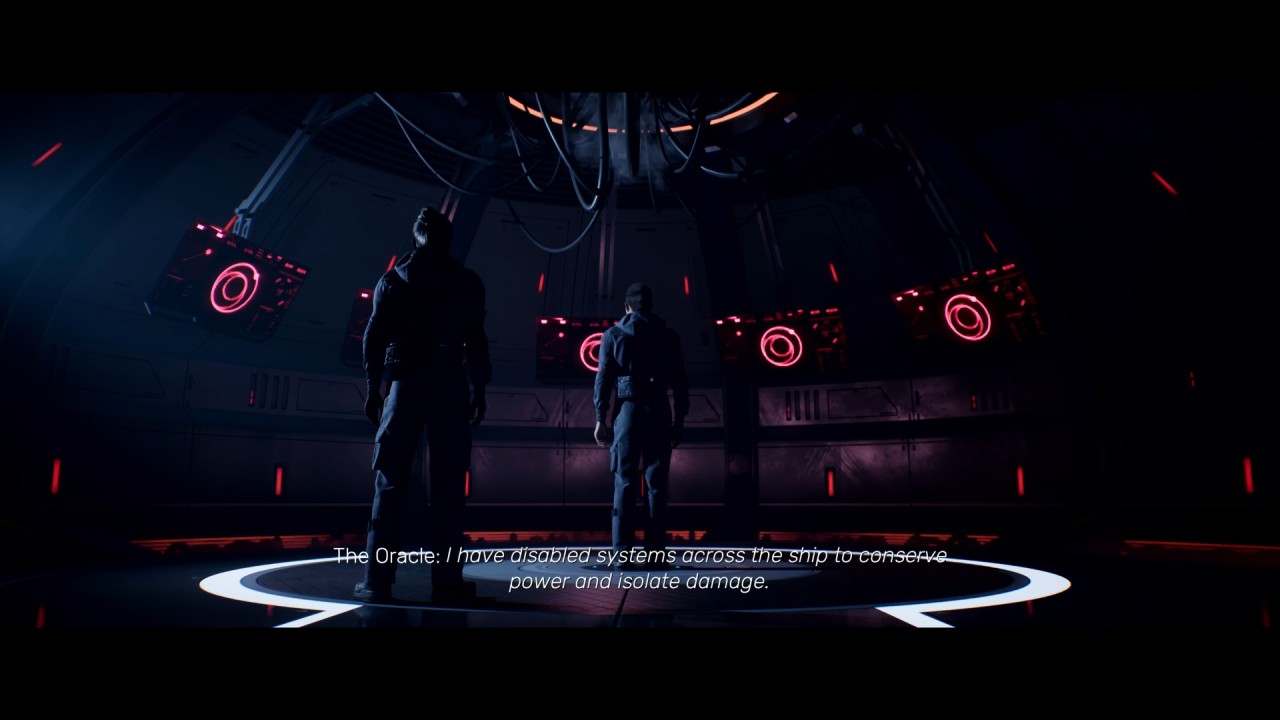
The stealth mechanics are another area where the studio clearly experimented more aggressively than before. Supermassive Games traditionally focused almost entirely on dialogue choices and quick-time events, so simply introducing crouching, first-person exploration moments, and stealth navigation already feels like a major step forward.
None of these systems is groundbreaking by modern standards, but they show that the studio is at least trying to expand beyond its older gameplay design. That effort alone makes Directive 8020 feel fresher than several previous entries. It also signals that the studio is more willing to experiment with new ideas than before.
However, the stealth systems are somewhat outdated compared to those in modern horror games.
Enemy AI patterns can get really weird, especially when patrol routes start changing in unnatural ways once you get to certain parts of an area. Some distractions also feel simplistic, with enemies reacting in exaggerated ways that occasionally break immersion rather than increase tension.
You can see the framework for stronger stealth gameplay here, but the next project will probably need more dynamic AI and smoother enemy behavior if Supermassive wants these systems to fully work. That kind of improvement would make the stealth feel less predictable, moment-to-moment, and more consistent.
Many players compared some of Directive 8020’s stealth concepts to Alien: Isolation, although the comparison mostly comes from the sci-fi horror atmosphere rather than matching mechanical depth. The AI in Alien: Isolation remains one of the best examples of dynamic enemy behavior in horror gaming, and Directive 8020 does not fully reach that level.
Still, the game experiments with distractions, environmental hazards, and tension-building movement in ways older Supermassive projects never attempted. That alone makes it feel like a significant milestone for the studio’s future. You can clearly see the studio trying to push its gameplay systems forward in small but meaningful ways.
Where Directive 8020 truly succeeds is in its atmosphere and sense of fear. The game mixes traditional jump scares with a much stronger feeling of paranoia and dread throughout its first half. Much of that tension comes from the idea that players already understand certain characters are not who they appear to be, while the cast itself remains completely unaware.
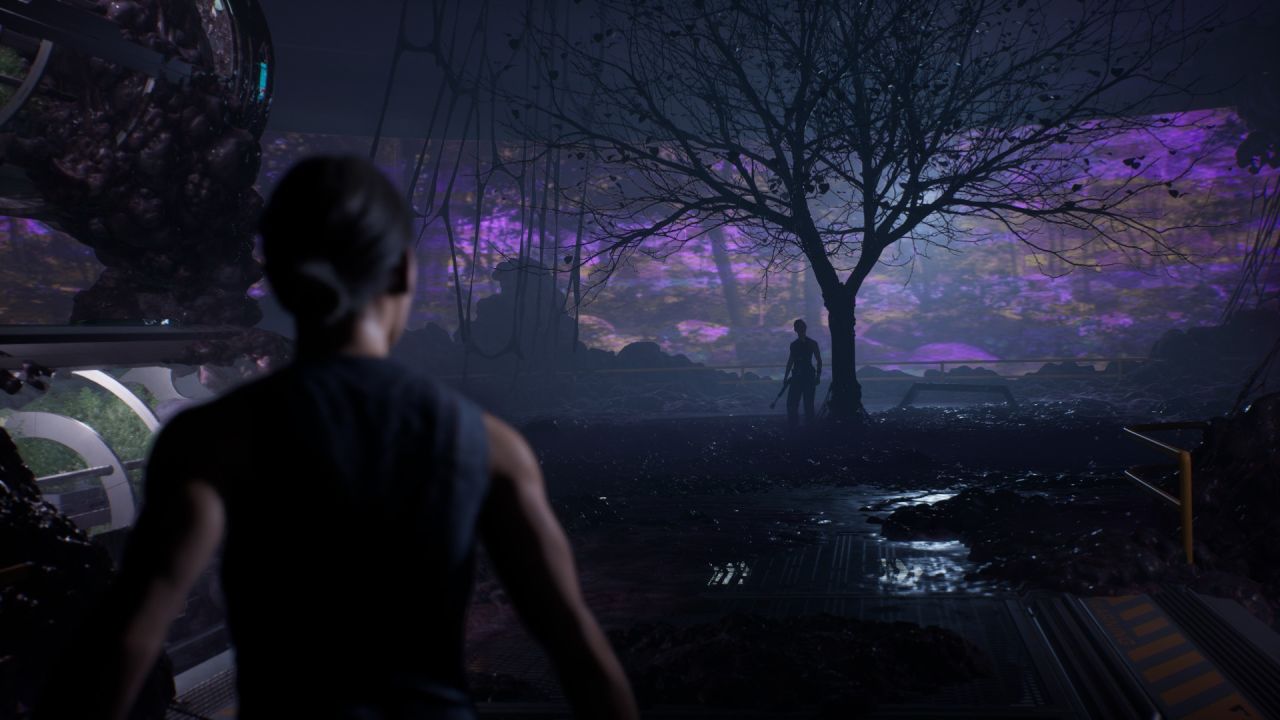
The communication systems also help build that tension surprisingly well. Text conversations, surveillance footage, and collectible logs constantly reinforce the feeling that something is deeply wrong aboard the station. Some of the best moments happen when characters unknowingly communicate with something pretending to be human, especially through messages and remote interactions.
Interestingly, the body horror elements become slightly less effective once the game fully reveals its monsters. The earlier ambiguity about identity and deception lends itself to a more potent psychological horror environment than the latter parts, which tend to focus more on the mutated alien creatures.
Another major strength comes from the collectible system and environmental storytelling. Directive 8020 modernizes its exploration structure without abandoning the smaller-scale design philosophy. Supermassive usually prefers it. Optional paths regularly reward players with audio logs, videos, written records, and text conversations that expand character relationships.
The text messaging system especially stands out as one of the game’s smartest additions.
Some characters become significantly more interesting through their conversations outside of the main story scenes, which gives the cast more personality overall. Similar systems have worked extremely well in games like Life Is Strange, and Directive 8020 successfully adapts that idea into Supermassive’s horror structure.
The studio also deserves credit for introducing more user-friendly features into the branching narrative system. Directive 8020’s rewind mechanics and clearer branching-path presentation make it easier for players to experiment with decisions without immediately replaying the entire game.
While the narrative structure is not nearly as expansive as Detroit: Become Human, the scale feels appropriate for what Supermassive is trying to accomplish. The game strikes a better balance between accessibility and replayability than some earlier titles. That balance makes it easier for more players to stay engaged without feeling overwhelmed.
Looking ahead, Supermassive’s rumored next project appears to be leaning further into supernatural horror with strong possession-style themes. If the studio continues to improve its stealth systems, cinematic presentation, and psychological tension, its next game could naturally build on what Directive 8020 already established.
The foundation is clearly stronger now than it was a few years ago. Directive 8020 may not completely reinvent Supermassive’s formula, but it absolutely feels like the beginning of a much more confident direction for the studio. You can tell they are gradually improving what already works while slowly exploring new territory.
Editor, NoobFeed
Related News
No Data.