
$2000 Handheld Consoles? The Shocking Future of Portable Gaming
Premium PC handhelds now cost as much as full gaming PCs, yet still struggle with battery life and consistent performance.
News by Nami Tanaka on Apr 05, 2026
There are big changes happening in the handheld game market, and they might not be good. What used to be seen as a cheap way to start playing video games is now dominated by expensive models with complicated hybrid designs that offer less and less value. Recent events suggest price increases may not be limited to new systems, indicating a broader shift in the industry.
The most talked-about thing in the gaming industry right now is "Switch 2," which is expected to cost around $450 when it comes out, or maybe $500 if it comes with a big game. That used to seem like a lot of money for a Nintendo device, but the market has changed so much since then that the price now seems almost cheap.
.jpg)
The prices of rival devices have risen significantly due to inflation and rising hardware costs.
This makes Nintendo's prices feel less like an outlier and more like the new standard. The way handhelds are made today is a major reason for this change. Modern systems often double as hybrid platforms, unlike older devices designed solely for portability. They have docking stations, larger screens, detachable controls, and more powerful internal components.
Adding these extras costs money and makes it harder to move around. Because of this, there is now a category that blurs the line between handheld and platform games, but it often loses the low price that made it unique in the past. In the PC gaming handheld area, this is clearer than anywhere else. Prices are reaching levels never seen before, thanks to devices like the latest Legion Go models.
According to reports, the base model costs $1,499 and comes with 16GB of RAM and 1TB of storage. More powerful models cost $2,000. These numbers make me seriously question the value, especially since users still have to give up performance choices and battery life to play new AAA games. It's getting harder to defend even options that aim for a middle ground.
Systems that cost around $1,000 are no longer the rare exception; they are becoming more popular. Even though they perform better than cheaper handhelds, they still struggle with demanding games unless the settings are significantly lowered. Many customers are disappointed that these gadgets don't meet their expectations for performance.
Premium prices and poor real-world performance make modern handheld gaming hard to get into.
The Steam Deck was the best value-for-money gadget for many years. When it was first released, it cost $399 and gave you access to a huge library of games. But that cheap model is no longer available. The new standard is OLED, which costs around $550. It's still a good choice, but the price has gone up, making the difference between the cheap and premium tiers smaller.
The golden age of handheld games was very different from this trend. The Game Boy Advance, Nintendo DS, and PlayStation Portable were all much less expensive than their console counterparts. A lot of the time, they cost half or even a third as much as home systems, so more people can afford them.
Also, each of their games was a one-of-a-kind experience that focused on creativity and charm rather than straight console ports. These days, that difference isn't as clear. High expectations for handhelds to perform like consoles drive up prices, but even with more powerful hardware, they often don't live up to those expectations due to battery and temperature limitations.
Users end up paying more but still getting a worse experience because of this. As prices rise, people are paying closer attention to older, more diverse products. For example, the PlayStation Vita is still a surprisingly good choice thanks to its busy homebrew community. It's priced around $150 on the secondary market and can be customized in many ways.
It can also be used for old games. Fans keep porting and improving games for the system, which makes it last much longer than its initial business success. Similarly, the Nintendo Switch Lite has become one of the best low-cost options. It costs about $120 on trade sites and gives you access to a huge library of games, in a simple, phone-friendly style.
Rising prices urge gamers to return to older systems and less expensive options.
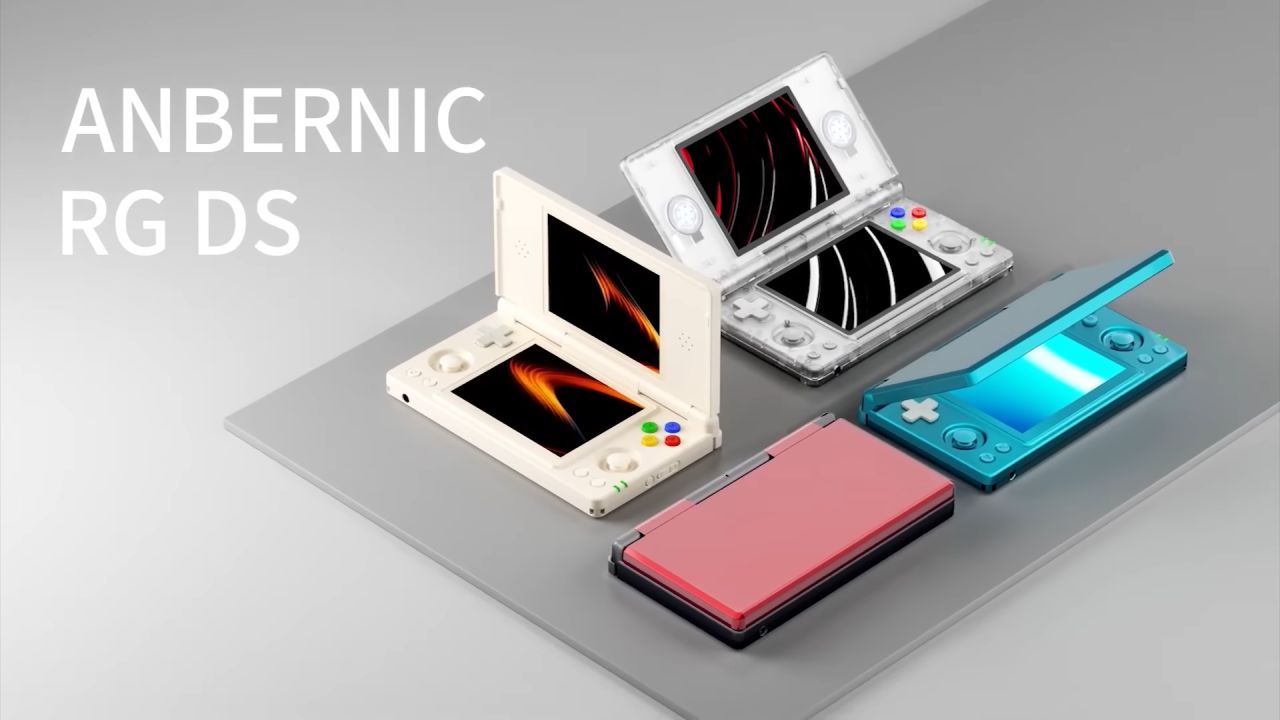
It lets you focus on the game and play reliably, without the extra hassle of docking or detachable controls. Plus, it costs a lot less than newer devices. The growing market for emulation handhelds is another segment quietly filling the affordability gap. Supporting old systems like the PlayStation 1, Nintendo 64, and Dreamcast, these devices, often priced under $100, are great for people who like playing old video games.
They aren't as powerful as current handheld PCs, but they are very portable and easy to use, and they're a cheap way to relive the good old days. In the end, the current state of handheld gaming reflects a larger industry trend: prices are rising while changes are small. People will have to make harder decisions about where real value lies.
Should they buy high-end devices that promise power but come with trade-offs or stick with older, reliable, and cheap systems? There is one thing that is clear about how the market is changing: handheld gaming is not the cheap part of the business it used to be. We'll have to wait and see if new technologies can restore that balance, but for now, people have to deal with a world where portability is very important.
Moderator, NoobFeed
Related News
No Data.