
Former Assassin’s Creed Architect Takes Ubisoft to Court Over Forced Exit
Legal claims suggest Ubisoft quietly pushed out a key creative leader during major restructuring tied to Tencent’s investment.
News by Nami Tanaka on Jan 21, 2026
One of the most well-known game franchises is embroiled in a legal conflict. This is another turning point for a publisher already known for generating new ideas. A person who used to work closely on Assassin's Creed has sued Ubisoft, questioning the official account of his departure and raising new issues about leadership changes, corporate restructuring, and the future of some of the company's most popular games.
The case is about someone who has worked on the series for a long time. Before being one of the most influential creative voices in Assassin's Creed for years, they worked as a programmer and level designer at Ubisoft Quebec. He wasn't just another corporate leader doing what he had to do.
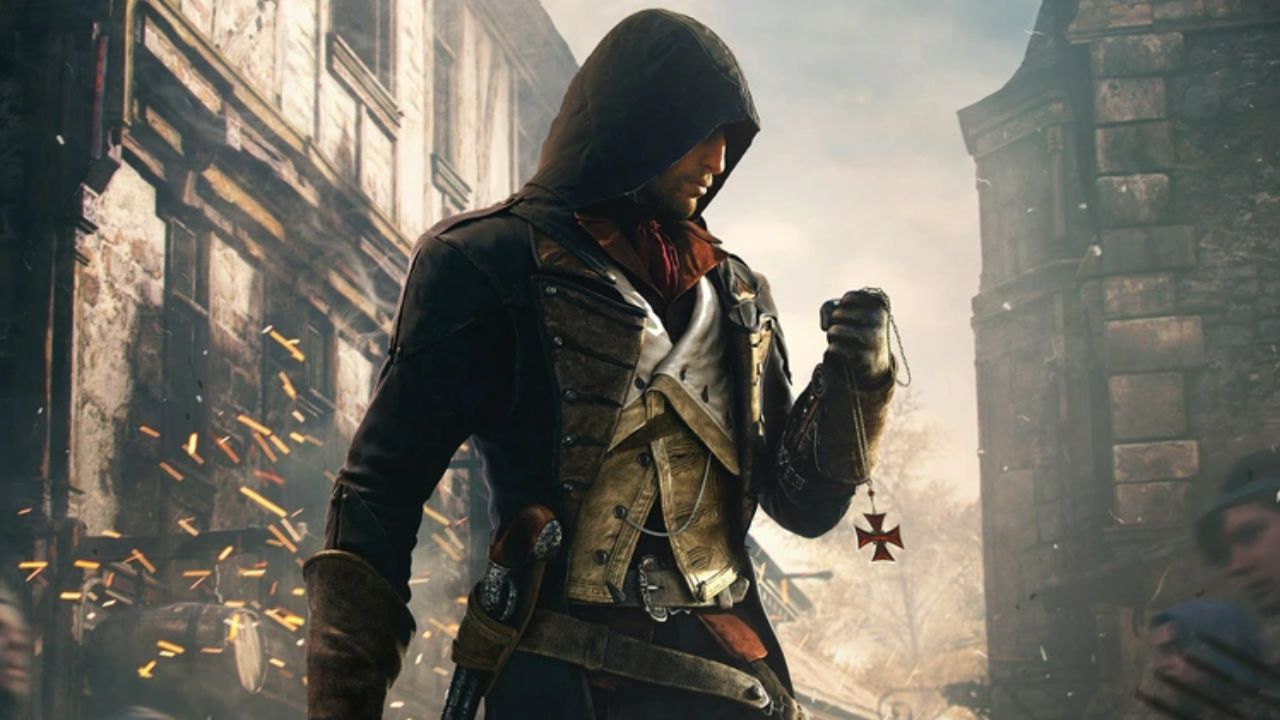
He helped develop the idea, oversaw long-term planning, and had a genuine say in decisions that shaped how the program expanded. He helped plan some of the routes that gamers loved or hated, and you can see his work in a number of the entries.
The Infinity Hub was one of his main concepts.
It was supposed to be a place where gamers could play multiple Assassin's Creed games together. The plan was supposed to help the brand stay around for a long time, not simply for a few launches here and there. There was some dispute over the notion itself, but many developers and players liked the philosophy behind it.
Instead of making every game everything at once, the goal was to make smaller, more concentrated experiences that could really shine. There might be an Assassin's Creed game that focuses on sneaking, another on RPGs, or even one on multiplayer, instead of each game trying to be a massive blend that no one enjoyed.
That background information is important because this is not a small person quietly leaving the company. He is now suing Ubisoft in Quebec for losses and compensation worth about $1.3 million. His claim goes against Ubisoft's earlier public statement that he quit of his own free will. His paperwork says that he did not leave on his own. He says he stayed in his job until Ubisoft asked him to leave, which shifts the situation from retirement to a forced removal.
The lawsuit comes after Ubisoft underwent a major reorganization following significant funding from Tencent.
Vantage Studios is the name of the new company formed as part of that deal. It's not actually part of Ubisoft, but it licenses big brands like Far Cry, Rainbow Six, and Assassin's Creed. Tencent has a large minority stake, but Ubisoft still owns most of the company. On paper, it looked like a change in the company and money. In real life, it caused changes in roles, control, and power within the group.
During this time of change, the former Assassin's Creed lead was offered new jobs that he says are lower-level roles. At a management meeting in late summer 2025, he was told that the new subsidiary backed by Tencent was seeking a head of franchise role. However, he was not given that role. He was instead offered a job as head of production, where he would answer to someone else.
In simple words, he went from making decisions to being told what to do. Later, he was offered a different job as the head of a so-called "creative house," but the details were unclear, the power was limited, and the duties were much smaller than those he had before. In the end, he asked for retirement pay.
According to the claim, Ubisoft told him not to come to work and to spend time reflecting.
The very next day, Ubisoft told everyone that he had quit on his own. At that point, the disagreement becomes valid under the law. He is saying that the employee was constructively fired, which is when an employer makes a job so unbearable or devoid of authority that no reasonable person would stay, even though the employee officially quits. In many places, the government sees this as being fired instead of leaving on your own.
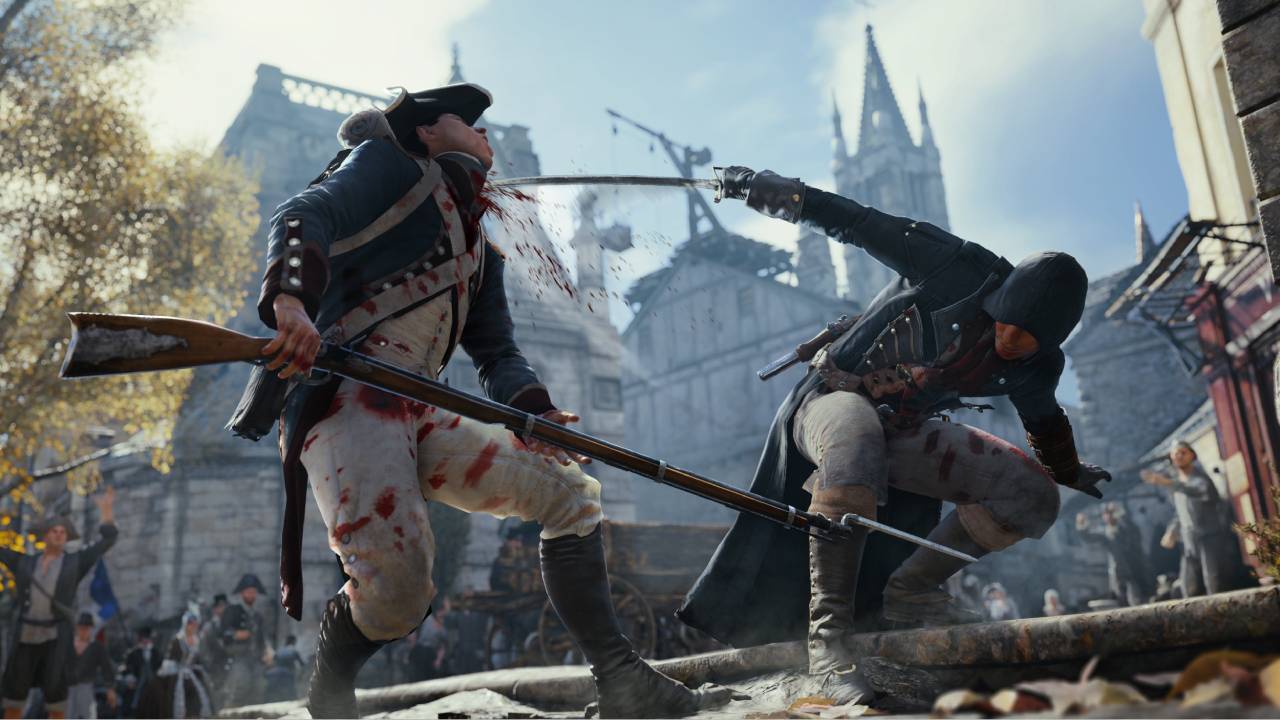
In other business fields, we have seen this trend before. The company slowly takes away the person's responsibilities, changes who reports to them, and limits their power until they quit, allowing the company to say it never fired them. If proven, it could be illegal, which is why this case is important to more than one person.
The quote is about how reform can quietly eliminate people while keeping the public story clean. Is this case going to court? In reality, most likely not. Most of the time, these disagreements are solved. Some money changes hands, a promise not to tell anyone about the story is made, and the story is no longer talked about. But the main point will still be the same even if that happens.
It was clear that Ubisoft wanted this executive to leave, and they worked hard for months to do so. That's strange because he was the one who came up with a long-term plan that the company officially backed. The time is a clear sign of a change in leadership.
Here comes the new co-CEO of Vantage Studios, who is in charge of Far Cry, Rainbow Six, and Assassin's Creed.
He was hired even though many in the business were surprised, since he is the son of Ubisoft's CEO. Before this job, his most famous work wasn't an AAA game but an NFT and crypto platform focused on Web3. This history has made people more skeptical, especially players who have previously turned down blockchain attempts in popular games.
It's easy to see why people are worried when they compare that resume to the businesses he now oversees. It's not like Assassin's Creed, Rainbow Six, and Far Cry are trying to be niche games. They are important to Ubisoft's business and to the modern gaming community. You want them led by people with extensive experience delivering polished, player-focused games, not tech projects full of buzzwords that no one liked.
But another boss is in the picture with a very different name. A writer who has worked on Splinter Cell, Far Cry, Watch Dogs, and Assassin's Creed for a long time is still involved. He has a real track record, decades of experience making games, and authority that came from releasing games instead of speculative platforms.
A lot of people inside and outside the company are hoping that this veteran presence will keep the leadership structure in check and keep creative decisions grounded while the business strategy is carried out. As viewers and players, this moment feels like a crossroads. This change could help Ubisoft start over with its strategy. There might be a return to the basics, with games that are shorter, more focused, and better put together. You could see the idea of specialization come to life, even though the architect who conceived it is no longer there to lead it.
That result is possible, and fans who are sick of long checklists and weak mechanics are likely to welcome it.
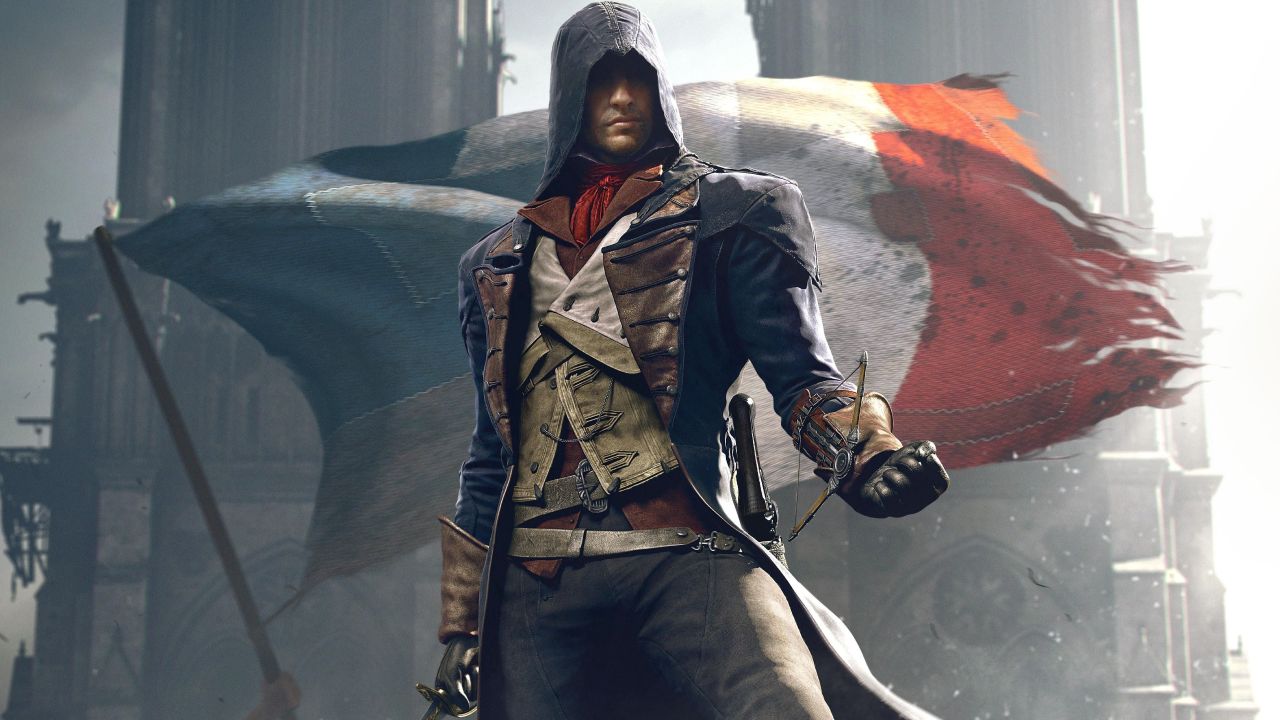
The case is a public sign that something went wrong behind closed doors for now
However, there is another way that could work, and it is this one that is shaking people up. Getting rid of the person who created a long-term plan almost always means the plan is reviewed again, if not thrown out completely. Assassin's Creed is going in a different direction again, and games that change direction a lot don't usually make people feel good.
If leaders follow trends like NFTs, crypto integration, or other attempts to make money that players have repeatedly rejected, there will be a strong reaction. It wouldn't just be bad news or a few angry posts. It would be loud, last a long time, and severely undermine trust.
If you look at recent events in the same field, you can see how quickly goodwill can fade. Players remember when companies went after trends instead of fun, and they act in the same way now. It's very hard to get that trust back once it's gone. We can already see how fragile trust has become in the business as a whole, and Ubisoft is not the only one affected.
It shows the tension between long-term strategy and changing power dynamics, as well as between creative leadership and the company's reorganization. It doesn't matter how the case ends; it taught us something important. A lot is changing, and it's once again hard to say what will happen with Assassin's Creed and its sister games.
When a show gets to one of these points, you can feel it in the air. This is where a game either finds its way back to itself or gets further away from it. We're about to find out what Ubisoft does and whether this latest change is a good start or another mistake that players will remember for a long time.
Moderator, NoobFeed
Related News
No Data.