
Industria 2 Releases Quietly, Showcasing a Level of Confidence Rare in Modern Game Launches
No big marketing push, no drawn-out hype—just a focused indie game arriving on its own terms.
News by Tahmid Mahi on Apr 13, 2026
There’s a very interesting upcoming game releasing in just a few days called Industria 2, and chances are you haven’t really heard much about it. It feels like it slipped under the radar for most people, either because the developers didn’t push heavy publicity or simply didn’t have the budget to do so. Either way, it ends up working in its favor. You’re looking at a game that isn’t trying to constantly remind you it exists.
Instead, it’s just arriving quietly, without much noise, and letting you decide what to make of it once it’s in your hands. The way it’s rolling out stands out right away. You’re not getting a long buildup, there’s no overexplaining what the game is supposed to be, and there isn’t a drawn-out marketing cycle stretching for months.
You just see a release date locked in, and then suddenly it’s almost here. That kind of approach feels intentional. It comes across like the developers are choosing to let the game speak for itself instead of trying to sell it far ahead of time. When you start looking closer at what the game actually offers, everything lines up with that idea.
You get a focused, smaller-scale experience here that doesn't try to do more than it can. It isn’t aiming to be massive, and it’s not trying to pack itself with endless content just to keep you busy. Instead, it’s built around a tight, story-driven journey that you move through in a few hours. That alone sets it apart from a lot of current releases, where everything is trying to be bigger, longer, and filled with content whether it needs to be or not.
The story picks up with Nora again, still trapped in that strange world from the first game.
This time, though, the tone feels heavier. You’re not just trying to figure out where you are anymore. You’re dealing with what’s been left behind and whatever is still controlling things. The AI Atlas remains central to everything, but it doesn’t feel distant. It actively shapes the environment around you, which gives the entire experience a more controlled and slightly uncomfortable edge as you move through it.
When you look at the gameplay, it’s clear that the developers have made adjustments without completely changing what the game is. The first game leaned heavily into a straightforward, linear structure with simple combat and limited depth. This time, things are being pushed further. Combat feels more reactive, and enemies aren’t just standing in your way waiting to be cleared. They behave differently, and you’re not simply rushing forward and shooting everything in sight without thinking about it.
At the same time, it doesn’t shift fully into survival horror. It sits somewhere in between. You still fight, but you’re more aware of your actions and timing. That balance seems planned, as it keeps the game's identity while making it feel less basic than it did before.
Now, how you interact with the world matters more.
Instead of constantly pulling you into menus, actions like inventory management, crafting, and basic interactions happen directly within the environment. It makes things take longer, but that's what the game wants. You’re not rushing through areas. You're moving through them carefully and slowly, at a speed that suits the mood and tone.
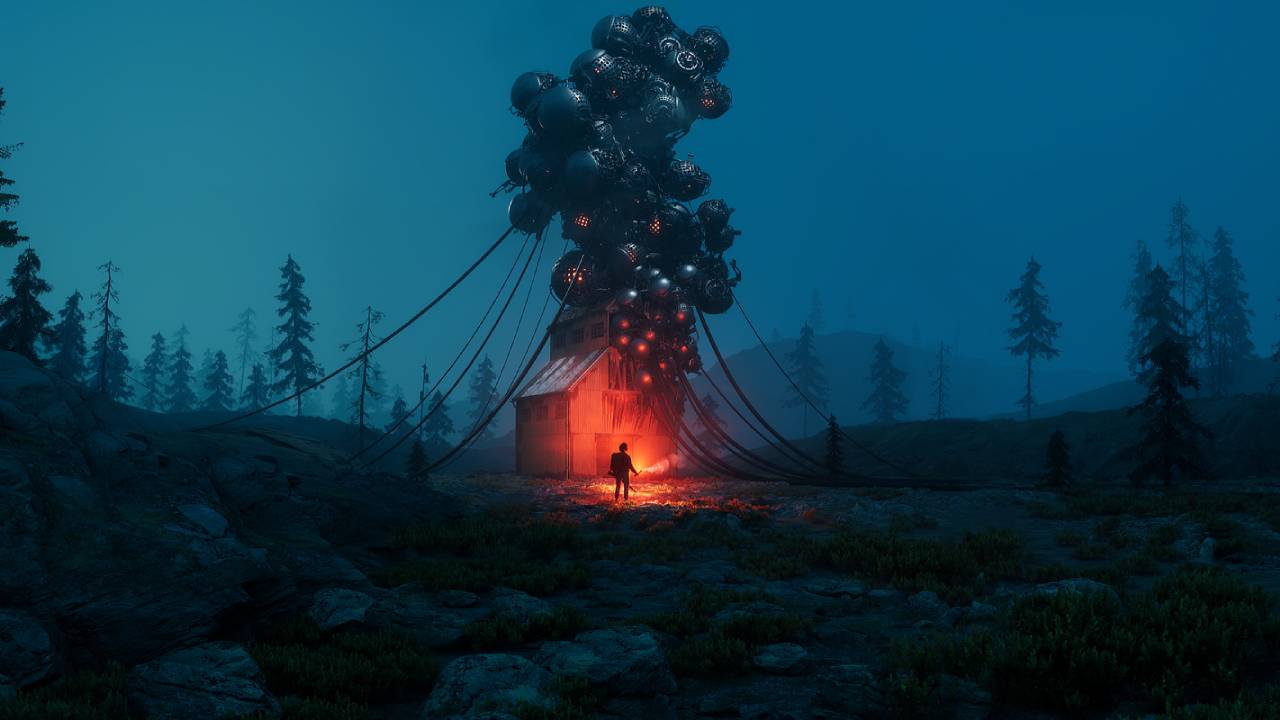
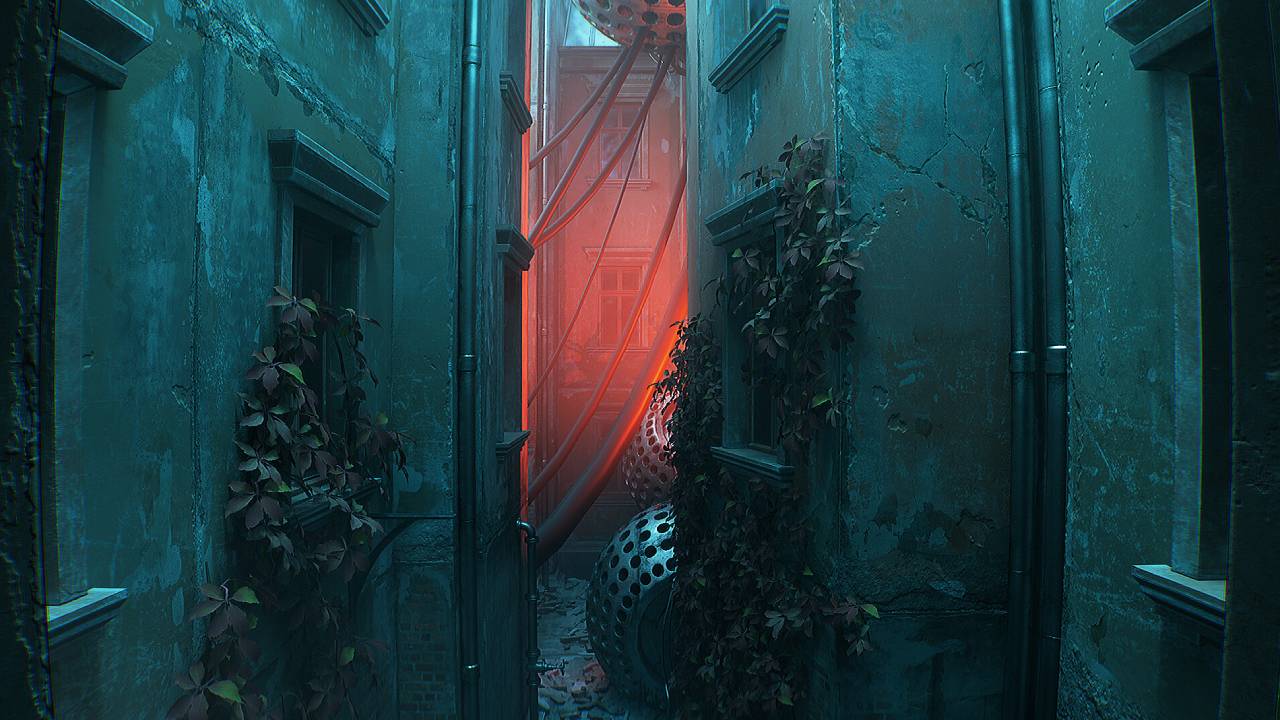
You can notice that the improvement has happened. The lighting has a significant impact on how each area feels, and the environments feel more detailed. Indoor spaces feel cold and heavy, while outdoor spaces feel quiet and almost too still. There’s a mix of industrial structures and nature slowly taking over, which creates a clear atmosphere without trying too hard to stand out. It’s not about overwhelming you visually. It’s about staying consistent from beginning to end.
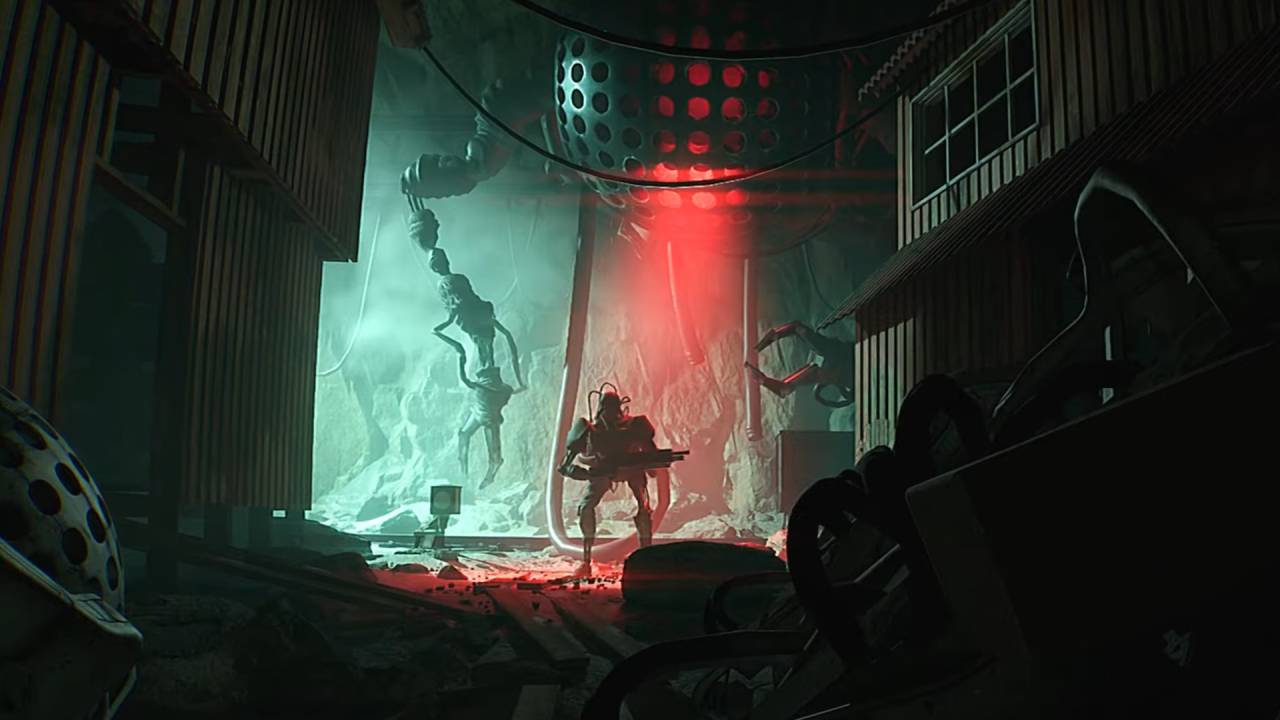
That consistency is what everything depends on. The pacing, the atmosphere, the story, and the gameplay all need to stay aligned. If they do, you’re looking at a shorter experience that people remember because it knew exactly what it wanted to be. If something feels off, though, there’s not much else to fall back on. There’s no open world to distract you, no extra systems to carry the experience, and no side content to fill gaps. It’s direct, and that brings both risk and focus, especially for a smaller team working within clear limits.
You can also see that the developers have taken lessons from the first game seriously.
They’ve openly acknowledged where things felt limited before, especially in gameplay depth and encounter design. Instead of trying to completely reinvent the game, they’ve focused on refining what’s already there. Encounters now feel less predictable, not because there are more enemies, but because situations can play out in different ways. That kind of change may seem small, but it can make a noticeable difference in keeping the experience engaging from start to finish.
The world itself plays a stronger role in storytelling this time. You’re not being stopped constantly for explanations or long stretches of dialogue. Instead, you pick up details naturally by moving through the environment. Small visual cues, environmental design, and the way areas are structured all come together to give you a clearer understanding over time. It keeps the flow intact while still building the narrative in a way that feels natural.
Even though the game remains mostly linear, you’re given a bit more flexibility in how you approach situations. You don't have to stick to one exact path or method. You can do things differently when it comes to how you fight or how you get around in some areas. That extra freedom helps keep people from feeling like they have to move forward when they don't want to, even if the overall structure is still controlled.
At the same time, the pacing stays deliberate.
The game isn’t trying to constantly keep you engaged with nonstop action or frequent interruptions. There are slower sections and quieter moments, and how those land will depend on how well they’re handled. That balance is always important in games that rely heavily on atmosphere, where pacing can either pull you deeper into the experience or create distance if it doesn’t feel right.
The release strategy adds another layer to all of this. By starting so soon after its reveal and not dragging things out, the focus is completely on the experience itself. There’s less time for expectations to build, but there’s also less room for excuses. When you start playing, you’re judging what’s there immediately, not what it might become later through updates or changes
At its core, Industria 2 is still a first-person shooter, but not in the way most people expect right now. It isn’t built around constant action or fast pacing. Instead, you spend much of your time moving through environments, observing details, interacting with objects, and trying to understand what happened in this world before things started going wrong again.
There is fighting, but it's not the main focus.
Weapons feel limited on purpose, ammo isn’t something you can waste freely, and encounters are spaced out enough that they feel like interruptions rather than the core loop. When combat does happen, it feels slower and heavier, sometimes even awkward by design. You’re not meant to feel powerful, and that choice shapes how you approach each situation.
A large part of the experience comes from interacting with the environment. You’re opening doors manually, flipping switches, connecting objects, and solving small logic-based puzzles. They aren’t overly complex, but they appear often enough to define the rhythm of the game. You move forward, stop to figure something out, and then continue at a steady pace.
The world design supports that rhythm. It isn’t fully open, but it isn’t just a straight path either. You’ll move through wider areas, find multiple paths in certain sections, explore optional spaces, and come across small details that add context to what’s happening. More than anything, it leans into quiet exploration and lets that carry the experience from beginning to end, without trying to be something it isn’t.
Editor, NoobFeed
Related News
No Data.