
Kirby Air Riders Became a Statement in 2026; Fans are Losing Their Minds
Numbers lie. Kirby Air Riders proves that content, stability, and design depth outweigh the obsession with review averages.
News by Zahra Morshed on Feb 12, 2026
The conversation around review scores has found a new lightning rod in Kirby Air Riders. A score of around 79 has led to the usual chatter about diminishing yields and falling standards. Some people think that anything less than the mid-1980s is a sign of compromise. But history makes that judgment less clear in ways that make it necessary to look more closely.
When it came out in 2003 for the Nintendo GameCube, the first Kirby Air Ride got much less positive reviews. It has now settled at 61, which shows that the press landscape is divided and that some experimental design decisions were not liked by everyone. In that light, a new installment that lands around 79 would be considered a significant eighteen-point increase in critical agreement.
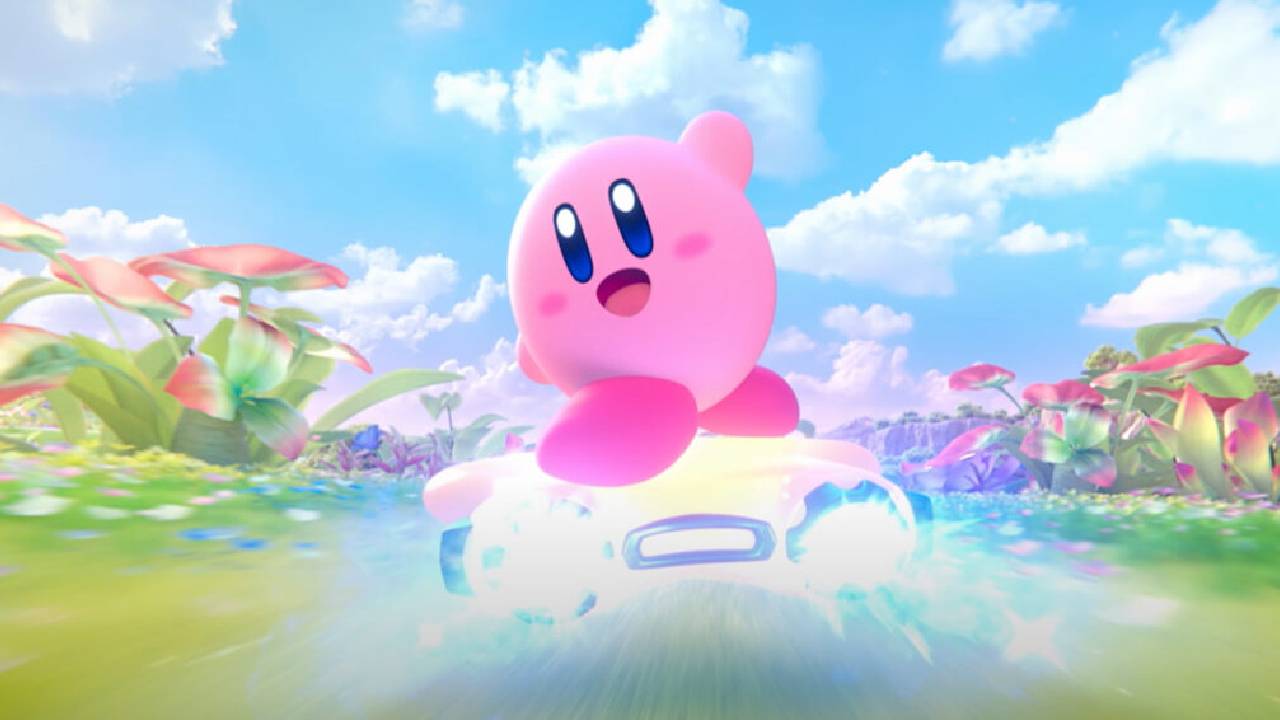
That is not staying the same. That is an improvement that can be measured.
Numbers alone, on the other hand, rarely show performance. Kirby Air Riders comes out as a fully developed package, not as a bunch of separate games. Reports talk about the game's deep single-player material, its many levels of multiplayer modes, and the fact that it can be played both locally and online.
The lack of microtransactions and premium expansion passes makes the value offer more premium and self-contained. That design choice is important in a market full of post-launch marketing hooks. Performance in terms of technology has also been brought up. Early reviews say that frame rates are stable and the graphics are well-done, which is in line with Nintendo's own quality control standards.
People have said that online features are fast, and the rollback implementation of netcode helps keep competition fair. These are not small details. These are important infrastructure choices that will have a long-term effect on the health of the city.
The question then turns into a philosophical one.
What does a 79 really mean if Kirby Air Riders clearly beats its predecessor in terms of content quantity, technical stability, and feature breadth? Is it a cap set by what people expect from the genre? Or is it a change in how critics weigh scope vs. innovation in the review setting of 2026?
Another layer is added by comparative research. Metroid Prime 4 Beyond is said to have gotten around the high seventies in overall scores. Metroid Other M, which came out in 2010, has a better average, even though it has been criticized for years for its story and design limitations. Time setting is important. Crucial structures change over time. Fans' expectations change as titles get older.
That strain affects the results as a whole in ways that go beyond the quality of the work itself.
The age group that Kirby Air Riders is aimed at is different. The tone is a bit lighter, and kinetic, fun and easy-to-use tools are given more weight than cinematic weight. That position could be taken as a sign of lower desire. To be honest, disciplined breadth is often a smart choice. It is possible to make games with more replay value and tighter gaming loops if you design for clarity instead of maximalism.
Also, industry norms have gotten stricter. Ten years ago, stable service and full content packages were often seen as ways to set yourself apart. These are now the minimum qualifications. Review ecosystems praise new ideas, big stories, and big technical shows in equal amounts. A title that is great at sticking together but not coming up with new ideas might end up in the high seventies even though it is better than the one before it in every way that can be measured.
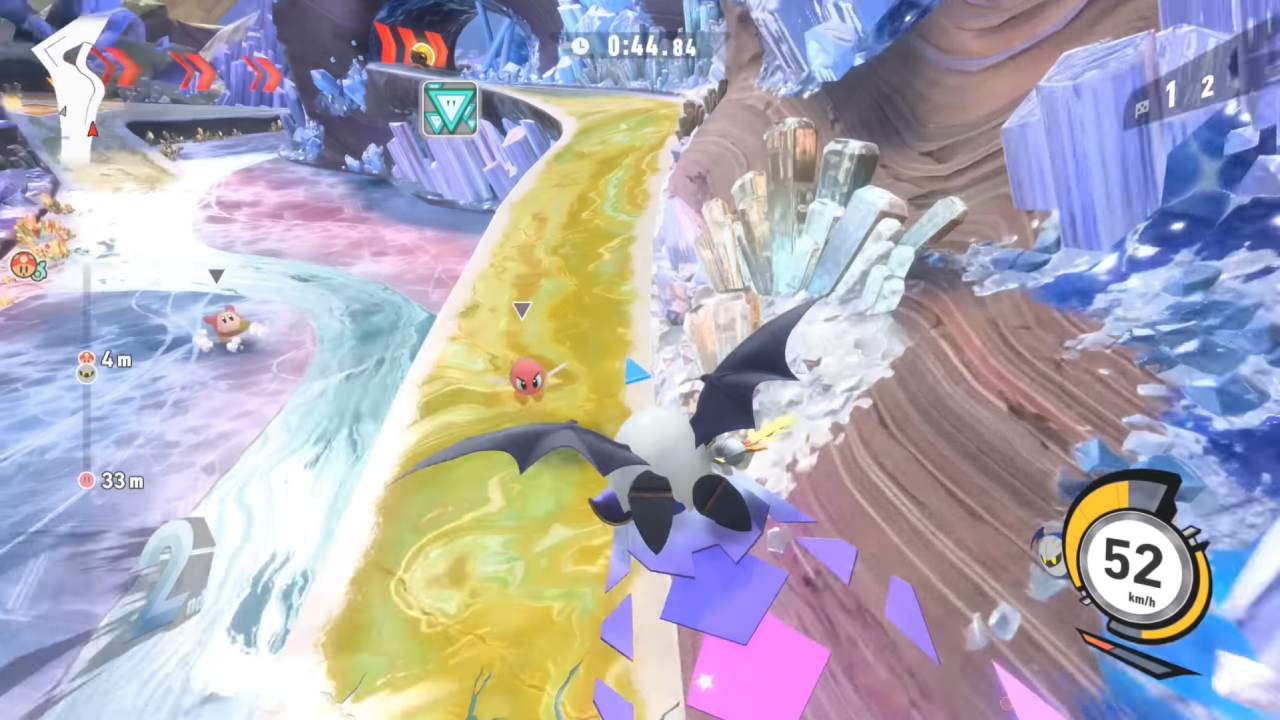
There is also the audience variable. As communities form and competitive metas change, experiences that focus on multiplayer tend to get better over time. Launch window reviews only show first thoughts and not long-term engagement curves. A crazy local practice with friends or a smooth online tournament can change how people feel about a game months after negative reviews come out.
The bigger point questions the story of quality decline across the whole system. When a sequel is much better than a historically average original, offers a lot of material without trying too hard to make money, and works reliably in all game modes, the term "problem" doesn't seem to fit. Instead, a picture of a publisher juggling a wide range of projects in a time of rising demands emerges.
Kirby Air Riders might not have the '90s vibe of a top-tier 3D adventure. It can't try to change the rules of its genre. It looks like it has refinement, plenty, and technical confidence to give. That change is big for a brand that was once criticized for having little depth and content.
Headlines will continue to be based on review statistics. They make things clear in a crowded market. The difference between 61 and 79, on the other hand, shows how things change and grow over time. The more interesting story might not be about a number that starts with seven. It could be about how far the company has gone to get there.
Contributor, NoobFeed
Related News
No Data.