
Kojima Productions Reaffirms Sony's Decima Engine for Physint
Sony's own engine is used by the company because it has strong tools, a lot of polygons, and a close connection with Guerrilla Games.
News by M. Hasan on Feb 19, 2026
The mind is what makes a world strangely beautiful, but the tools are also very important. There should be a lot of mystery, mountains, and ghostly threats in these tools. So why did Kojima Productions choose to stay with Sony's Decima Engine instead of switching to a commercial choice that more people use? People who know about this say that the answer lies in raw power, deep customization, and working together in a way that stops technology from stopping.
There is a planned follow-up to Death Stranding called Death Stranding 2: On the Beach. Both of them were made with the Decima Engine. But Kojima Productions has worked harder on a technology that was first made by Guerrilla Games, the company that made the Horizon games.
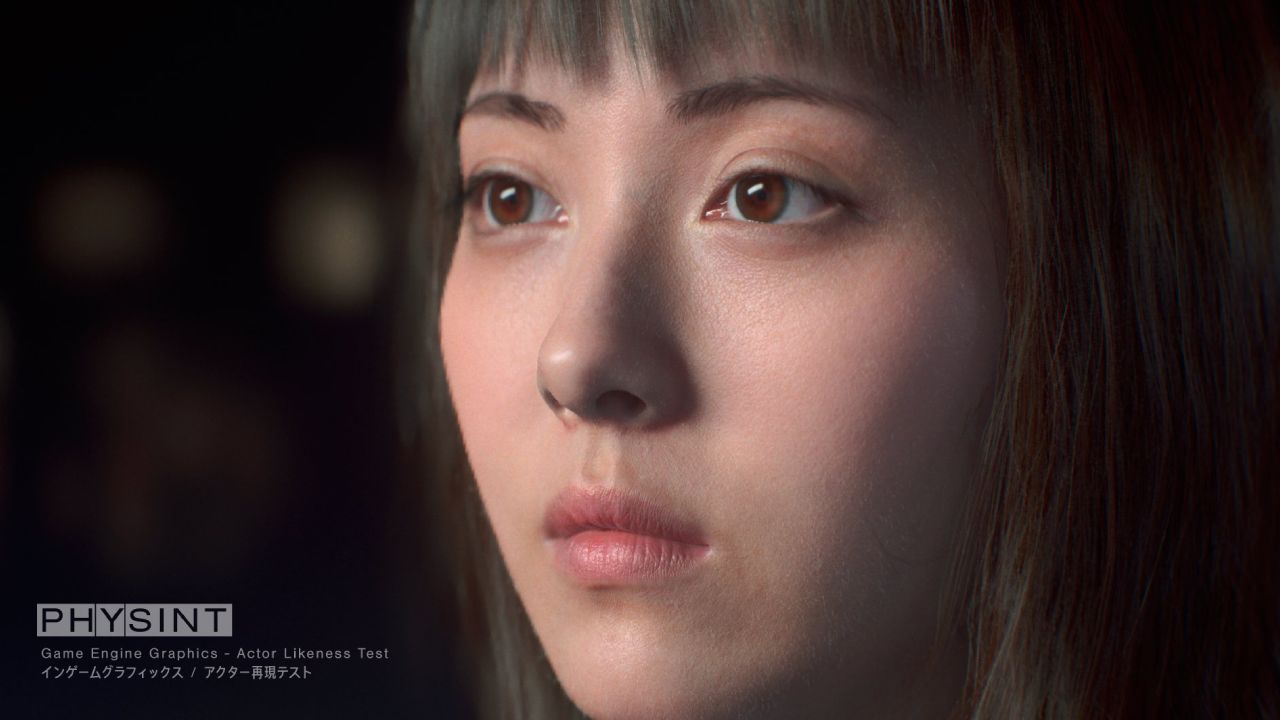
Kojima Productions' Chief Technology Officer, Ao Sakamoto, recently talked about the decision. He said that the engine might not be the easiest to use compared to commercial choices, but it's perfect for the big open-world games the studio wants to make because of its features.
People said that the engine's runtime rendering research tools were one of its best features.
These tools let writers get a lot of information about how well a system is running without having to use any other software. In big projects with groups of artists, programmers, designers, and technical leads, this kind of built-in speed can make a big difference. You need to know how each rock, shadow, and particle works in real time, not just a pretty picture.
This is where things really open our eyes: when we talk about rocks and shadows. The 25 million shapes in the mountains at the beginning of Death Stranding 2 are really cool. To give you an idea, that's a lot of geometric data to display without any problems. The frame rate didn't change even though the scene was very detailed. Try not to stutter. There is no sign of a drop in performance. Just wide, movie-like scenes that look and feel almost too real to be fake.
That's not even possible, right? It looks like the answer lies in how well the engine renders and how well it is tuned. Decima was first created to power huge, detailed open worlds like the ones in the Horizon games by Guerrilla Games. Because of its DNA, it does best in big places with lots of little features. Kojima Productions was able to make scenes that would have been much harder to make happen in other places, according to sources.
Someone else gave an amazing example of hundreds of fireworks going off at the same time, again without any speed issues. There is more to fireworks than just bright flashes of color. They use lighting formulas, particle effects, reflections, and shadows to make their effects. When you do that hundreds of times, it turns into a technical stress test. The engine was still able to handle it well.
Tech alone doesn't tell the whole story, though.
A big part is played by the link between Guerrilla Games and Kojima Productions. From what I've heard, the two companies talk and meet a lot to share feedback and news about the engine. When everyone works together, changes and improvements are made that help both groups.
When one of Kojima Productions' projects needs features that are only available in that project, the team changes the system internally and sometimes even makes new features. After that, these changes are sent to Guerrilla Games at the code level. This kind of back-and-forth teamwork doesn't happen very often in a field where private tools are usually kept very secret. They both seem to be building on the same technology, so they're not working on separate projects.
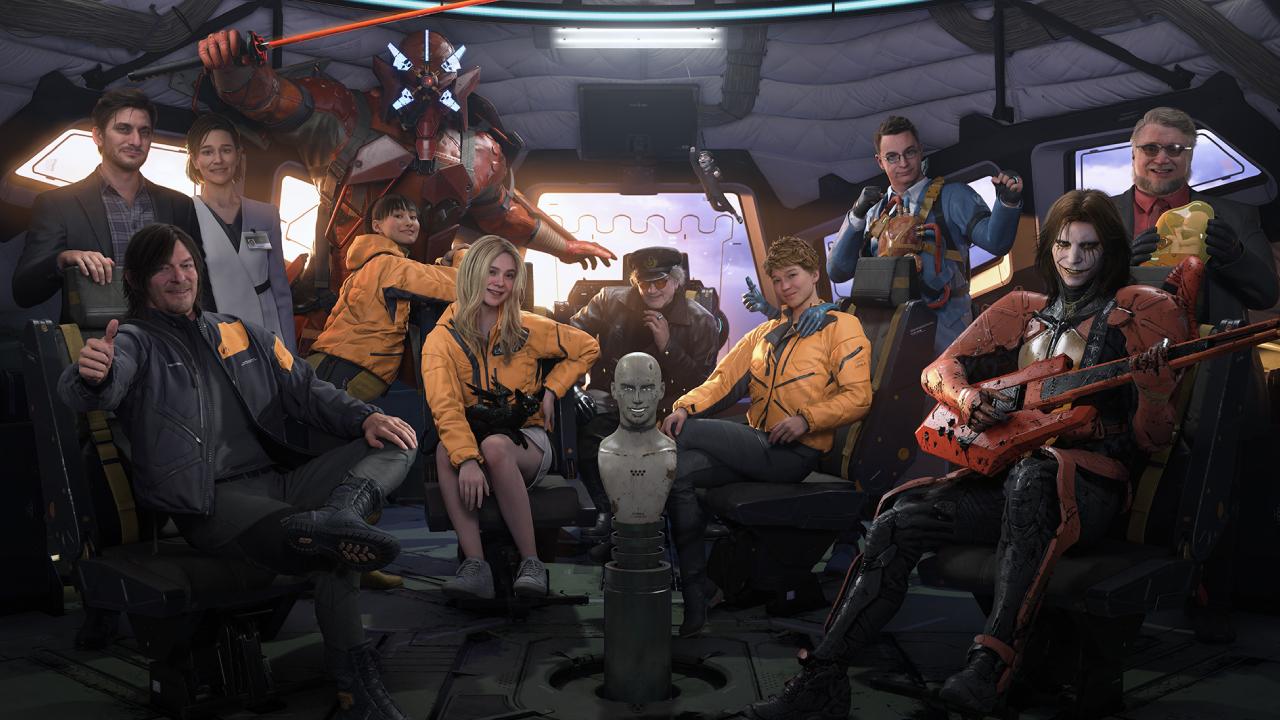
Decima is said to be only used by Kojima Productions and PlayStation Studios. This is an interesting fact. Only a few people can get it, which adds to the mystery. To choose a more specialized tool at a time when Unreal and Unity are the big names is a big deal. But the company has made big changes before.
There's a good reason for this choice: no engine is perfect all the time.
Sakamoto is said to have said that Decima might not be great for everyone, but the team can do some technical things there that they couldn't do anywhere else, according to sources. The company put power first instead of making things easy to use.
There is a bigger trend in high-end game development that something can be more important than how easy it is to use. This choice fits into that trend. A lot of people use commercial engines, and they often have plug-and-play options. But they might also set limits on design goals or demand that problems be solved. With Decima, Kojima Productions seems to have found a good balance between raw performance power and the ability to change the technology to suit their artistic needs.
Don't forget about what you found either. The first Death Stranding had deserts that were both empty and full of life, as well as traits that looked like real life and were not. The next chapter will likely try to beat that even more, based on the reported technical benchmarks for it.
What does this mean for the game?
This means that when Death Stranding 2 comes out, it might again mix the fun of playing a game with the story of a movie. A technical masterpiece that will please both gamers and developers is one with a lot of polygons, smooth performance, and engine growth that is done by everyone working together.
Following Decima wasn't about comfort in the end; it was about being able to get things done. The team had to choose a tool that could work with mountains, fireworks, and any other crazy ideas they could think of next. But the real question is: what will be the next big thing in tech tomorrow if this is what 25 million shapes look like now? It finally comes out later this year. Will it be one of the most important PS5 experiences ever again?
Editor, NoobFeed
Related News
No Data.