
PlayStation DRM Confusion, Final Fantasy XIV’s Switch 2 Catch, and a Strong Week for New Releases
Mixed signals from Sony, surprising subscription decisions, and a potential Game of the Year contender shape a busy stretch in gaming news.
News by Tahmid Mahi on Apr 28, 2026
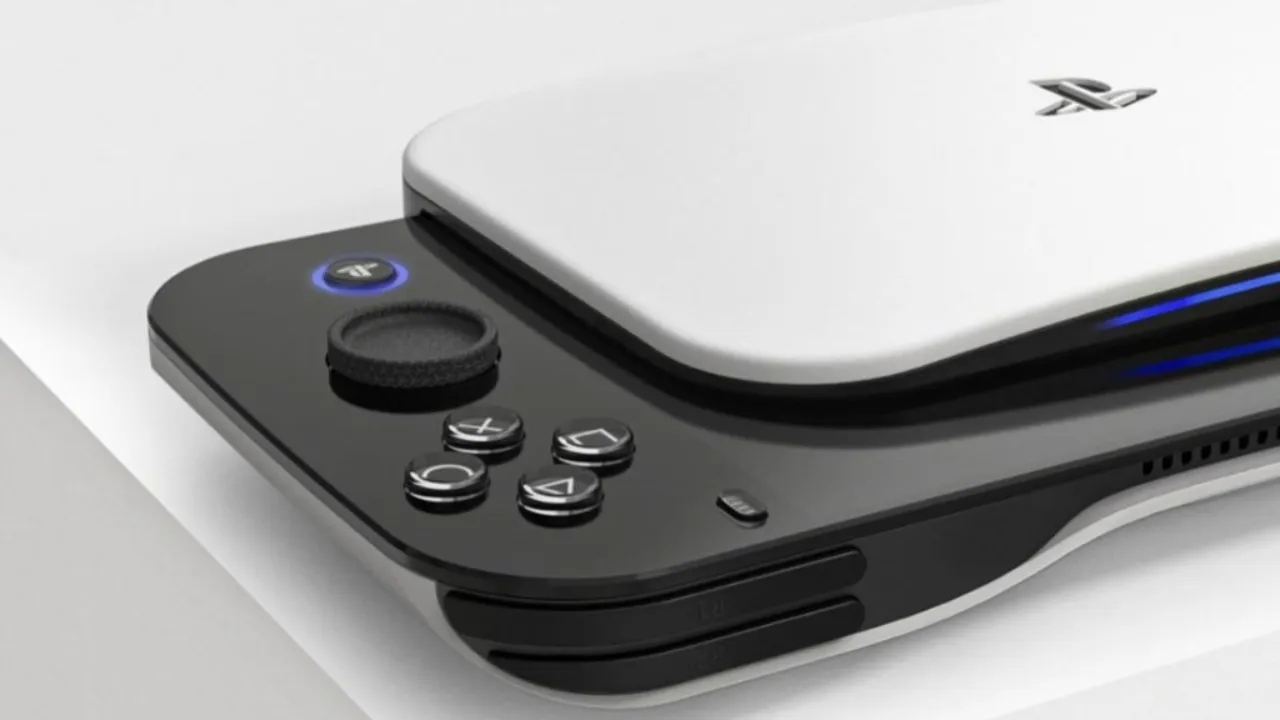
Over the weekend, you likely saw controversy build around the PlayStation 4 and PlayStation 5 after reports claimed a new DRM system had been introduced for digital purchases. The notion that your games could suddenly demand periodic online check-ins immediately raised questions about ownership and long-term access. At first it looked like a big change in how digital libraries are handled across Sony platforms.
You’re dealing with a claim that digital games now require an online check-in every 30 days, or else access to those games could be restricted. That kind of system isn’t entirely new when it comes to subscription-based content, especially with services that rely on active memberships. You’ve already seen this behavior with PlayStation Plus titles, where licenses need to be verified regularly.
When you look closer, you find that testing from users suggests something more specific might be happening.
Newer games appear to behave differently than older titles, especially if the system has been offline for a long time. Some players tried things like disconnecting their consoles from the internet, or even changing internal system clocks to trick the system into thinking it had been a long time since it last checked. The results showed that newer purchases sometimes failed to launch unless the system reconnected online.
That difference between older and newer purchases points to a possible backend change that occurred around late March or early April. You’re not seeing a universal rollout across all digital content, which adds to the confusion about whether the issue was intentional. Some reports suggest Sony may have been working on fixing exploits and accidentally affected license validation systems in the process.
You’re also seeing how quickly this kind of situation sparks broader concerns about digital ownership. The idea that something you bought outright could stop working without periodic online validation goes against the expectation that digital purchases function like physical copies. Even if the incident turns out to be a technical mistake, it highlights how dependent digital ecosystems are on backend systems staying consistent.
While that discussion continues, you’re also seeing movement from Valve around its hardware lineup, including the Steam Machine, Steam Controller, and Steam Frame. There hasn’t been a full announcement yet, but signs from internal activity suggest something is getting closer. A review for the Steam Controller appeared earlier than expected, hinting at a price point around $100.
You’re hearing that Valve has been reconsidering its pricing decisions internally, including whether to sell hardware at a loss in the short term. That kind of approach isn’t unusual in the gaming space, especially when companies want to build an ecosystem first and worry about profits later. The timing also matters, since expectations were that some of this hardware would already be out by now. With May approaching, it feels like Valve is running out of time to stay on schedule.
At the same time, you’re seeing some intriguing retail behavior around Switch 2 games, particularly from Walmart.
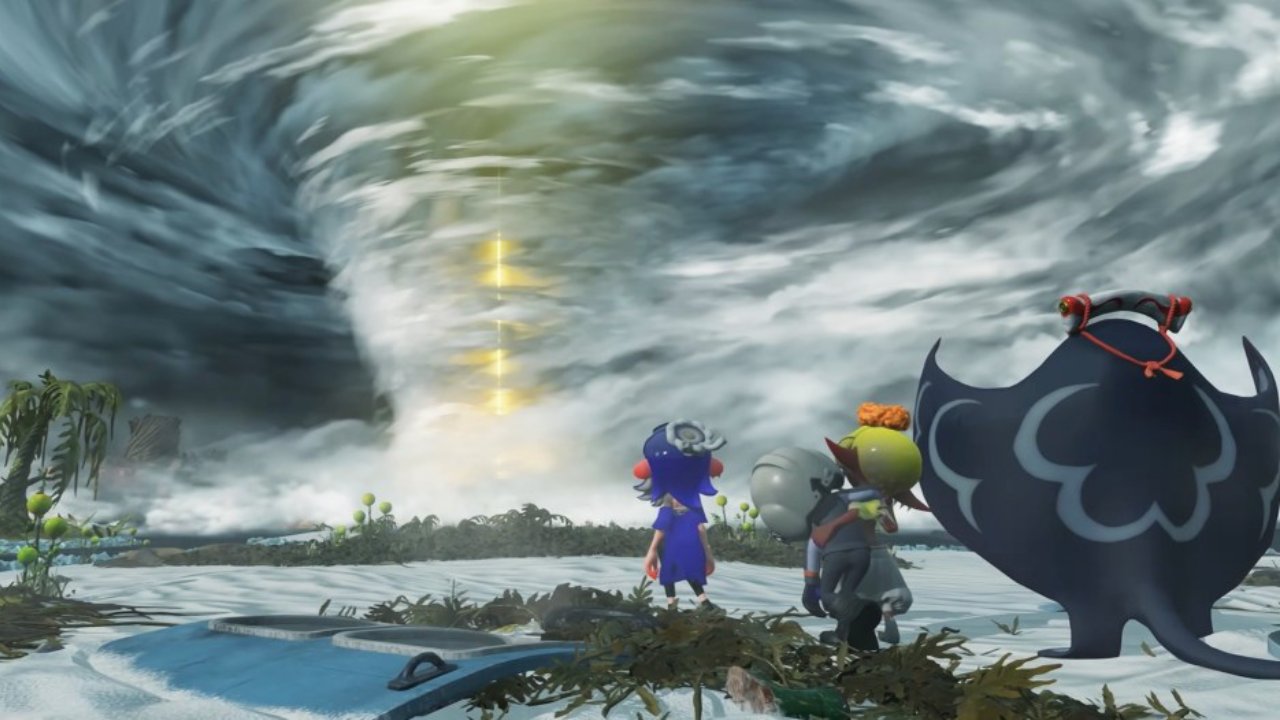
Physical copies of certain titles appear to be priced the same as their digital versions, which isn’t always the case in the current market. For example, Splatoon Raiders shows up at the same price whether you buy it physically or digitally. That removes one of the main incentives for going digital in the first place.
If you’ve been following retail trends for a while, this situation might remind you of Walmart’s strategy during the early days of the original Switch. Back then, the company often sold new releases at reduced prices, sometimes close to cost, to bring more traffic into stores. You’re seeing signs that this approach could be returning, at least in some form. When physical and digital prices match, it becomes much easier to justify choosing a physical copy.
You’re also getting closer to seeing more from the sequel to Alien: Isolation, which has been quietly in development. A teaser titled “False Sense of Security” gives you a brief look at the tone, and it leans heavily into the same kind of tension the original game was known for. Considering the first game released back in 2014, it has been a long gap between entries.
Given the current situation, you’re probably still a year or two away from the sequel’s release. Development was described as being in early stages not that long ago, so expectations should stay realistic. What makes it interesting now is how much technology has improved since the original game. That allows for more advanced AI behavior and environmental detail, which could make the experience even more immersive.
Moving into one of the bigger announcements, you’re seeing Final Fantasy XIV continue its long run with a new expansion titled Ever Cold. The expansion is set to release in January 2027 and adds a range of new content, including jobs, areas, enemies, and progression updates. The game has already spanned multiple console generations, and it continues to evolve with each release.
Alongside that expansion, you’re also getting confirmation that Final Fantasy XIV is coming to the Switch 2.
The release is expected later this year, with early access and a free trial period included. That alone would normally be enough to generate excitement, especially for players who want portability. However, the situation comes with an important detail that changes how you approach it.
You’re going to need a separate subscription specifically for the Switch 2 version of the game. Even if you already pay for access on another platform, that subscription doesn’t carry over. Instead, you’re looking at an additional cost, although it will be discounted if you already have an active account elsewhere. This decision came after discussions between Square Enix and Nintendo, which suggests platform-specific requirements played a role.
There is at least one trade-off that works in your favor. You won’t need a Nintendo Switch Online subscription to play Final Fantasy XIV on the Switch 2, which removes one extra layer of cost. Even so, the need for a separate game subscription stands out as an unusual choice compared to how the game operates on other platforms.
As you move toward this week’s releases, Sorrowos stands out as one of the most talked-about games right now. The game is launching with an early access option for those willing to pay extra, followed by a standard release shortly after. Reviews have already gone live, and the reception has been strong overall. You’re looking at scores in the high 80s, placing it among the top-rated games of the year so far.
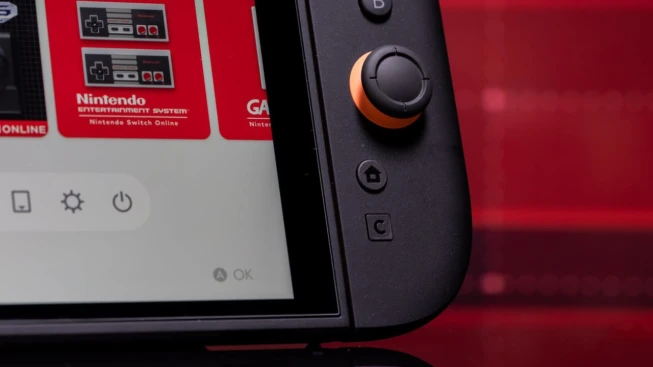
Critics praised the fast-paced gameplay and improvements over previous titles by the same developer. Another focus is on progression systems that allow you more flexibility in how you play the game. There are a few reviews that touch on issues of storytelling or structure, but that doesn’t seem to outweigh the overall experience.
You’re also seeing changes aimed at making the experience more manageable over time.
One of the criticisms of earlier games from the studio involved long runs that could become difficult to maintain. In this case, the design appears to allow for shorter sessions while still maintaining meaningful progression. That change could make the game more accessible without losing what makes it what it is.
Finally, we look at Fair Games, which is still uncertain in development. Feedback from closed alpha tests has indicated that player feedback so far has been predominantly negative. Major areas of concern cited include movement, NPC behavior, and the general structure of gameplay. Some players have been reportedly stopping mid-session, which isn't a positive sign at this point.
It’s an interesting case, but the execution might not be as good as it could be. The testing phases are supposed to identify bugs, but the feedback seems to indicate there are some fundamental design issues. That begs the question of how much time and effort will be required to bring the project up to standard.
Given the current environment in the gaming industry, where projects frequently get cut if they fail to show promise, nothing feels guaranteed. You’re seeing studios close and games disappear before release, often after significant investment. Fair Games hasn’t reached that point, but the conversation around it reflects growing skepticism.
All of these changes show you a combination of technical problems, business decisions, and creative output that define the current landscape. Each of the stories, be it queries about digital ownership, changing subscription models, or notable releases, adds another dimension to your experience of games. Some of those issues will likely resolve quickly; others may have longer-term implications.
Editor, NoobFeed
Related News
No Data.