
Why Sony Might Ditch Raw Power for a PS6 Hybrid?
Rumors point to a pricier PS6, but the real fix could be smaller, lighter, and a lot more like Nintendo's playbook.
PlayStation by Adeela Tas on Jul 27, 2026
The gaming industry is standing at a breaking point, and a growing number of insiders think hybrid consoles could be the only real way forward from here. Everyone wants next-generation hardware to push graphics further than ever, but the price tag attached to that ambition is exactly what could send the whole industry into another crash if companies aren't careful.
You've probably seen the average player wanting more power, sure, but affordability matters just as much, if not more. Beyond that, the actual value you get for your money needs to be there too; otherwise, none of it is worth upgrading for.
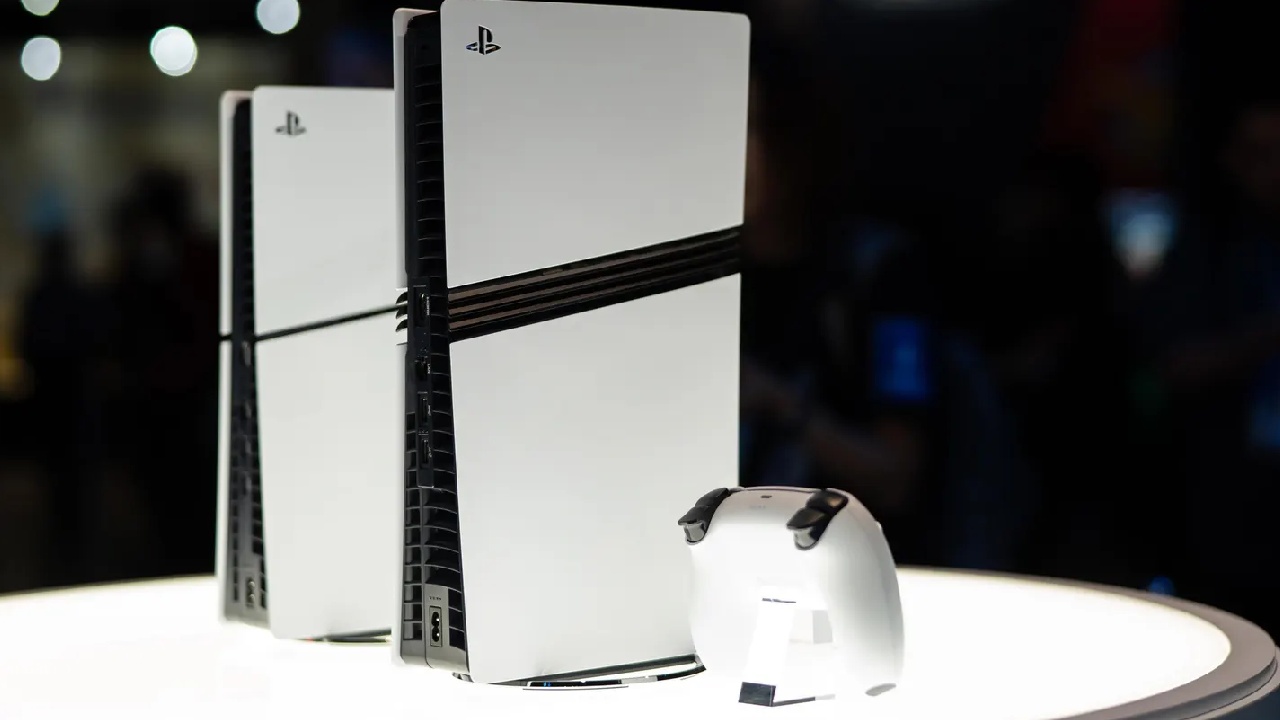
If you've been paying attention to what insiders are saying, you've likely heard that the PS6 could come with a faster processor and a lot more storage.
Under normal circumstances, upgrades like that would be more than enough to justify jumping on new hardware. The problem is none of it comes cheap. Given how things look right now, some insiders think the PS6 could land somewhere between $1,200 and $1,300 just to hit those kinds of specs. If Sony actually goes that route with the PS6, don't expect most people to buy in.
You already know plenty of players are frustrated that physical games are set to disappear from PlayStation by 2028. Because of that, expect a huge chunk of the community to hang onto their PS5s well into the next generation, even longer than they stuck with their PS4s, since cross-gen releases will likely keep coming out for years after the PS6 launches.
Nintendo, meanwhile, has already shown you a different path forward. With the Switch 2, the company proved you can deliver a premium experience capable of running some of the biggest games on the market, all while keeping the price sitting at a reasonable level.
As more core players turn the Switch 2 into their main system, you can bet Sony and Microsoft are watching closely, and there's a solid chance they end up borrowing from that formula instead of trying to reinvent it themselves. None of this means the traditional home console needs to disappear completely. Plenty of people still want that dedicated box sitting under the TV, along with everything that comes with it.
Higher power draw still delivers the kind of visuals and performance a lot of players love, and that demand isn't going anywhere.
That said, you've probably noticed graphics are starting to hit a wall. Diminishing returns are the reality of where things stand right now. Even the Switch 2 is putting out visuals that are turning heads and running games nobody expected to see on it just a year ago. It's still a step behind the 200-watt systems, but the gap is closing fast, and at a price around $450 to $500, that's more than good enough for a huge number of players.
Until the market corrects itself and hardware pricing comes back down to earth, there's a real case for PlayStation investing in its own hybrid console, something built around lower power draw that can still run current-gen games close to PS5 quality, while giving you the freedom to play on your TV or take it with you in handheld mode.
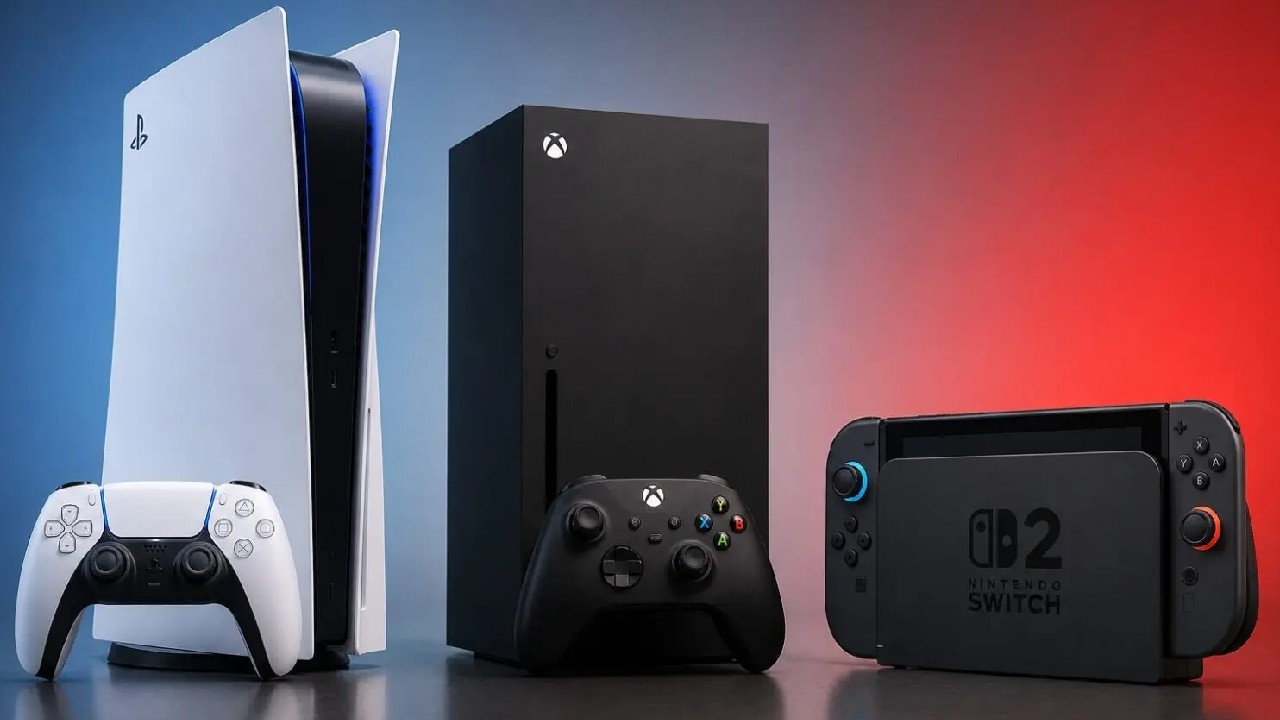
For a hybrid console like that to actually work and stay affordable, the industry would need to ease off the constant power race that's defined console generations for years now. Cramming the most expensive components into every new box just isn't realistic anymore at these price points, and the PS6 shouldn't be an exception.
Leaning into a hybrid console approach for the next generation would likely slow down bleeding-edge hardware progress, but that might genuinely be a good thing for the PS6 and the industry as a whole. Upscaling technology like PSSR and DLSS is already doing a lot of heavy lifting, delivering visuals and performance well beyond what the raw specs alone would suggest.
If companies lean further into tools like that and push developers to properly optimize their games, hardware costs stay lower for the PS6 and systems like it.
This helps grow the install base steadily and keeps people buying games long after launch day. A lot of the pull toward the Switch 2 comes down to a first-party lineup that's tough to match, a third-party library that keeps expanding, and the sheer convenience of owning a two-in-one system in an economy where every dollar counts.
Titles like Splatoon Raiders are already proving how strong that exclusive lineup is, and with Fire Emblem and an Ocarina of Time release still on the way, along with a steady stream of third-party support, there's a lot more headed your way.
Over the next few years, expect more players to make that same shift toward portable-first gaming, drawn in by lower costs, added flexibility, and the value of getting both a handheld and a home console experience packed into one device. It won't happen overnight, but the shift already feels underway. Right now, nobody can say for certain how this all shakes out for the PS6 or the rest of the industry.
But while everything else feels uncertain, Nintendo is sticking to a formula that clearly works, keeping new games coming while making sure the Switch 2 stays within reach for as many players as possible. Whether Sony follows that same path with the PS6 or sticks to raw power and a steep price tag, the next couple of years are going to say a lot about where console gaming is really headed.
Editor, NoobFeed
Latest Articles
No Data.