
Global PS5 Price Increase Sparks Concerns Over Future Console Costs
Sony announces global PlayStation 5 price increases affecting all major regions and product variants simultaneously
News by Nami Tanaka on Mar 27, 2026
Sony has said that the prices of all of its PlayStation 5 models will go up in different countries. The game world is shocked by this news. The comment was made on the PlayStation Blog by Sony Interactive Entertainment's Vice President of Global Marketing.
It includes big price hikes for the PS5, PS5 Pro, PlayStation Portal, and standard PS5. On April 2nd, prices will change in a way never seen before in the history of mid-generation console systems.
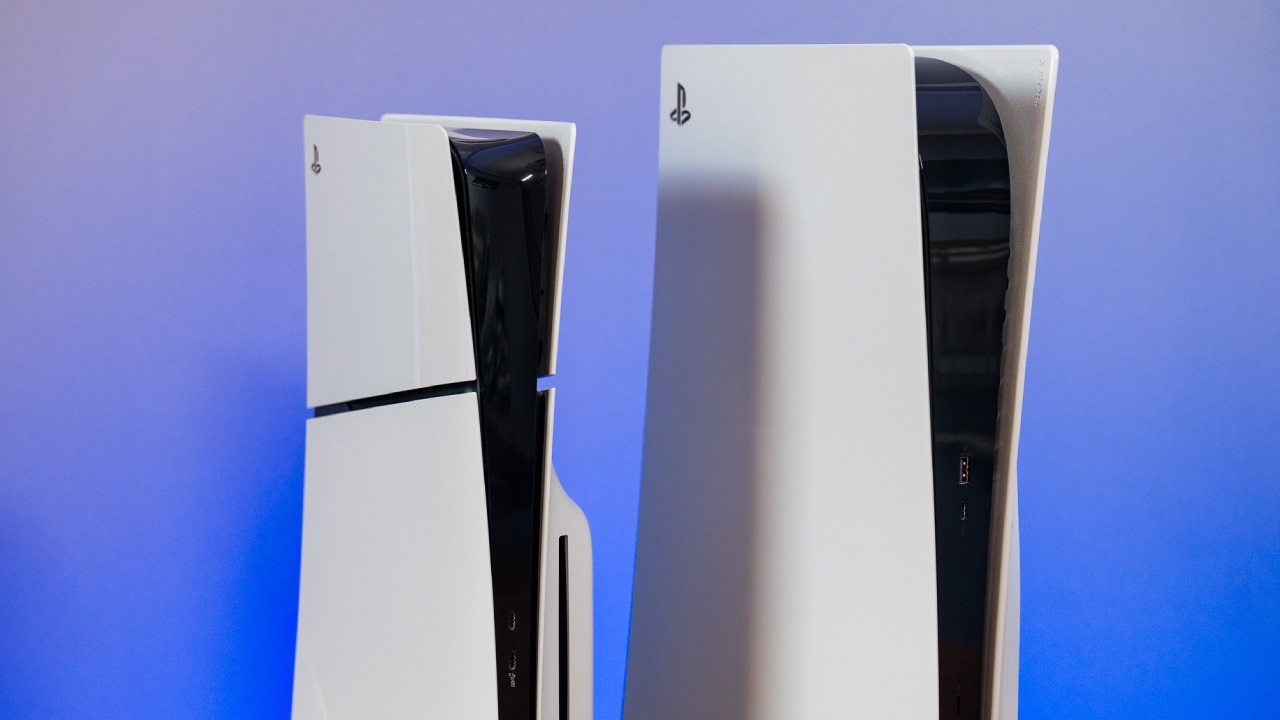
The company made it clear that it knows the change will bother players.
Sony said they made the decision after giving it a lot of thought and because of "continued pressures in the global economic landscape," But it has to be made so that players can keep having great times playing games. Some people aren't sure whether there is a balance between what people expect and what the economy really is, given how much prices have gone up.
The PlayStation 5 will now cost $650 for people in the US, and the internet version will cost $600. This is $200 more than the machine cost when it first came out. If you need extra stuff, the PS5 Pro, which doesn't have a disc drive, will cost $900, bringing the total cost up. Almost everything sold in the UK, Europe, and Japan now costs a lot more than it did before.
There is even more fear now that the news has come out at this time. Sony's overall hardware strategy is less certain now because the shift comes late in the console's lifecycle, right before what's expected in the next generation. In the past, console prices have gone down over time to get more people to buy them. This shift in direction could mean that the rules in this field are changing.
Sony says it's due to economic pressures, but gamers are seeing a historic rise in console prices.
Sony's most recent financial reports had previously suggested a more adaptable way to deal with rising component costs. According to the company's CFO, there was sufficient memory supply for upcoming sales cycles, including key periods like the 2026 Christmas season. There was also a focus on minimizing the impact of hardware costs by emphasizing software and network service revenue, which are areas where Sony has made a lot of money.
In this situation, the recent price increases are very strange. Digital sales, subscriptions, and small transactions have made the PlayStation environment more and more profitable.
Many people thought that Sony would take on the rising costs instead of passing them on to customers since they already had a big base of loyal customers who brought in regular money. Instead, the company seems to be changing how it does things, which could be a sign of a larger trend in the industry.
It's clear that rising prices in memory, storage, and global supply chains have had an effect on production, but consoles have always been cheap to get people to buy them. That long-standing model is being challenged by the new pricing scheme.
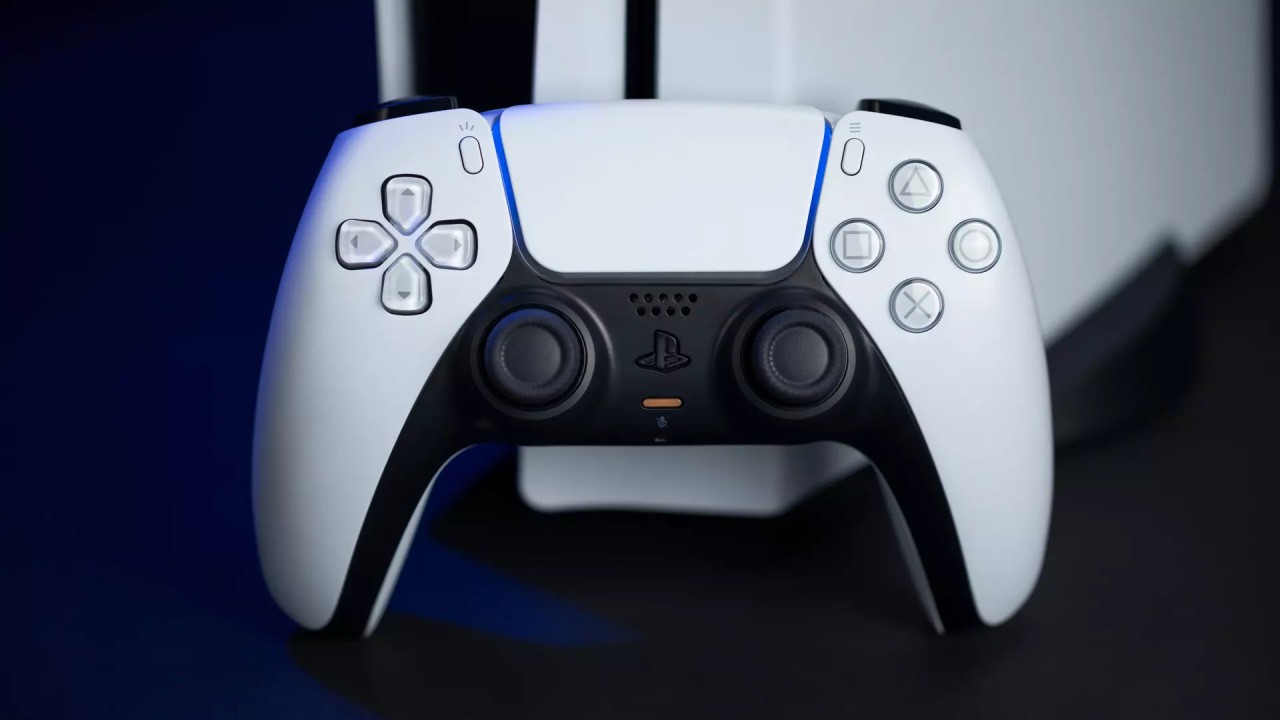
Late-lifecycle price hikes mess up global assumptions about how affordable consoles should be.
There are effects that go beyond this age. There are rumors that the PlayStation 6 could come out in 2027, which makes people wonder how Sony will place its next console. If prices keep going the way they are, the launch price of a next-generation system could be $900 or more, which has never happened before for mainstream game hardware.
Sony might need to simplify its product line before releasing new gear in order to keep its products accessible. Analysts say that getting rid of more expensive models like the PS5 Pro could make room for a next-generation system with a more competitive price. But ongoing problems in the world economy, such as tariffs, supply shortages, and geopolitical issues, may make these choices even harder to make.
As talk about the PlayStation 6 heats up, the price of future consoles becomes less certain.
In the end, the price hikes are a sign of a bigger change in the gaming industry's economy. Companies may not feel as much pressure to keep hardware prices low as they used to, as production costs rise and digital platforms become more important in making money. For the first time in a long time, consoles might not be as cheap as they are now.
For customers, the message is clear: console prices can no longer be predicted. We still don't know if this plan will work or if it will cause enough backlash to force a change. For now, Sony's choice is seen as a risky and controversial one that could change people's standards for years to come.
Moderator, NoobFeed
Related News
No Data.