
Switch 2 Devkit Issues Resolved as Third-Party Support Accelerates
Switch 2 development barriers ease while legacy upgrades, emulator concerns, and publisher confidence shape the roadmap.
News by Nahe Yan on Dec 31, 2025
There have been a few recent Nintendo Switch 2 news stories discussing third-party support, possible game updates, how well emulators work, and big publishers' promises. These improvements work together to make it clearer where the platform is as it ages and what gamers may expect in the future.
One of the most crucial things that has happened for Nintendo Switch 2 is that the lack of devkits has been fixed. Since the debut, one of the biggest problems for third-party studios trying to port games quickly and on schedule has been a lack of access to development gear. Nintendo did things differently this time around. They used a three-phase rollout strategy that only gave some partners early devkits.
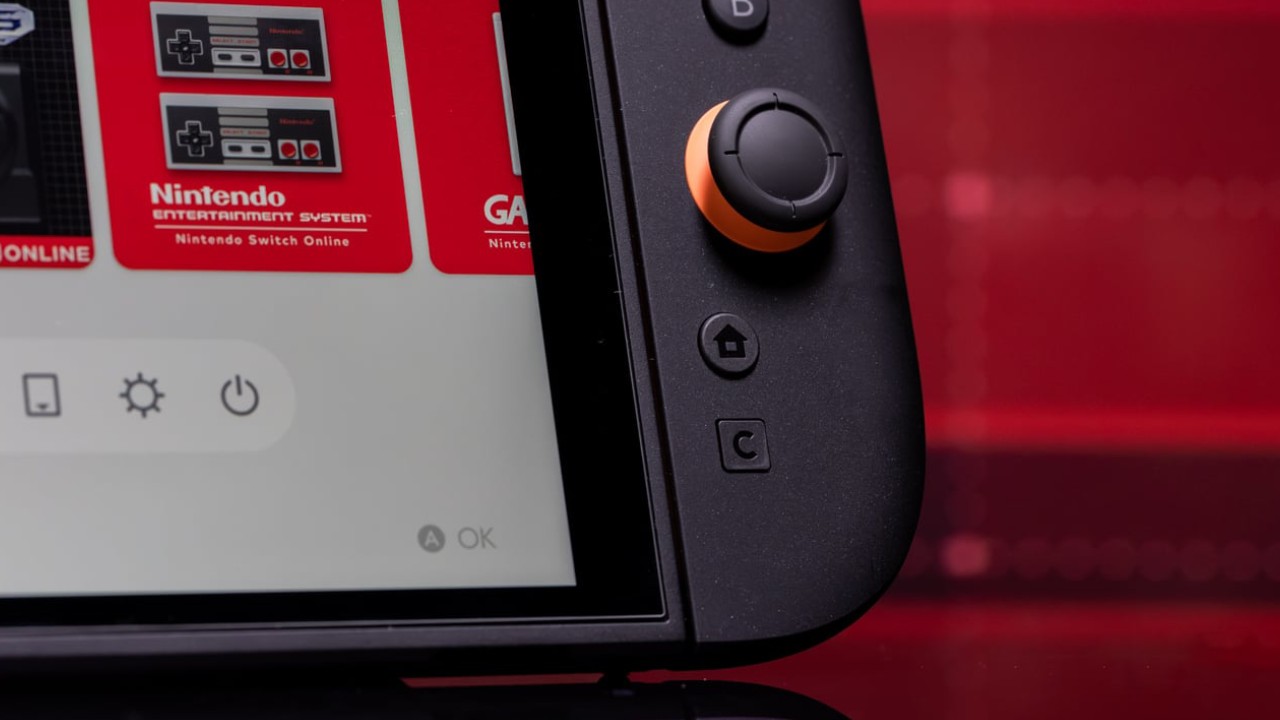
According to Nate the Hate, a trusted insider, this problem has mostly been fixed. Either developers who require Switch 2 devkits already have them or will get them soon. Nate explained that the team didn't get devkits too late for Call of Duty to come to the platform, but they did get them late enough that they couldn't finish the port in time for an earlier release window. The most important thing to remember is that devkit delivery is no longer a big problem.
This aligns with what was said on March 25 about Nintendo's three-phase launch plan.
At first, Nintendo chose certain partners to help with the launch. After the console launched, more devkits began shipping. They should be more widely available after the holidays. Developers couldn't just ask for a kit through a clear, standard process as they had in the past, which caused widespread anger in the industry.
It has been said that many developers had to explain why their projects needed Switch 2 hardware rather than the original Switch. Because of this, studios that could provide working AAA ports had to wait as the console quickly became the best-selling system of all time. Because of that delay, many current-gen trailers at events like Summer Game Fest and The Game Awards didn't show the Switch 2 logo at first, even though the hardware can technically run similar games with tools like DLSS.
2026 will be the year that third-party releases really catch up, as devkits are now widely available. As development pipelines become more stable, Nintendo Switch 2 should appear more often alongside PlayStation and Xbox branding in upcoming presentations.
Pikmin 3 Deluxe has suddenly shown up on the Nintendo Switch 2. There was a new rating entry that was different from the initial 2020 Switch version and was designed for Switch 2. The way the rating is set up is quite similar to how Nintendo has handled free Switch 2 upgrade listings instead of complete re-releases.
Pikmin 3 Deluxe introduced more story content, new difficulty levels, co-op functionality, and all DLC to the Wii U version. The new rating doesn't make clear what the big new features are, which makes it seem like this is a free update instead of a separate Switch 2 version with a new physical release.
Based on past updates, the next version will offer higher resolution, run more smoothly, and possibly better controller compatibility. Adding mouse-style Joy-Con controls to the Pikmin series on Switch 2 would make sense. What stands out is that Pikmin 4 just got a content update, but it is still a Switch version and doesn't have any new features exclusive to Switch 2.
There have also been reports that Pikmin 4 would get a free upgrade to Switch 2. Pikmin 3 Deluxe is currently appearing in ratings databases, suggesting that both updates may be revealed at the same time. A Nintendo Direct in February is the place where these updates are announced, along with a new Pikmin-related announcement.
After extensive testing, concerns about input lag in the GameCube Nintendo Classics app on Switch 2 have resurfaced. Earlier rumors said that a new update that brought Wario World might have made things more responsive, especially in The Legend of Zelda: The Wind Waker.
The first tests showed that the input lag in Wind Waker decreased from 6 to 14 frames to roughly 4 to 5 frames. That improvement was a good sign, but more research shows that the remedy doesn't work for all emulators.
F-Zero GX is still a good example. Tests comparing the two show that the original GameCube version has about three frames of input lag, while the Switch 2 version has about 8. For some players, that disparity directly affects how the game turns out.
The situation is similar to what happened with the Nintendo 64 emulator. When it first came out, there were many problems, including input lag and graphical inaccuracies. But over time, improvements made it far more accurate. Based on that pattern, we should expect the GameCube emulator to keep getting better, but it still needs a lot of work.
.jpg)
Square Enix is really excited about releasing the whole Final Fantasy 7 Remake trilogy to the Nintendo Switch 2.
On January 22, 2026, Final Fantasy 7 Remake Intergrade will be released, and later that year, Rebirth will be released. The third and last part is also set to be out on Switch 2 at launch.
In an interview with Famitsu, Final Fantasy 7's Naoki Hamaguchi, the director of Rebirth, said that adding more platforms will allow the franchise to reach its full potential. Square Enix sees 2026 as a key year. They are focusing on developing for multiple platforms so that more people can play, and the remake series can last longer.
In recent years, Final Fantasy 7 has been closely linked to PlayStation, though sales data suggest that exclusivity has hampered its growth. Square Enix is making the franchise more accessible to a wider audience by bringing the trilogy to Switch 2. This is especially true for players who mainly play on Nintendo gear.
Because the period between entries is less than it was in the original Remake-to-Rebirth timeline, Rebirth should come to Switch two sooner rather than later. There is also a good probability that the third part will be officially announced in 2026, along with more information on how it will end.
Nintendo Switch 2 is entering a more stable phase as devkit access improves, old games receive more attention, emulator performance is being evaluated, and big publishers are committing to the platform. The coming year will show how well Nintendo leverages third-party support and how quickly it catches up with rival platforms on big releases.
Editor, NoobFeed
Related News
No Data.