
Tech Giants are Tackling Memory Shortages and AI Demands
MainGear Launches BYO RAM Program for Gamers to fully built gaming PCs without RAM to overcome high DDR5 prices and limited availability.
News by Tanisha Aria on Jan 02, 2026
After a big dinner and an even bigger jog, the tech world keeps moving at full speed. AI power grabs, memory shortages, and business drama are the most talked-about issues.
The industry feels both creative and chaotic at the same time. There are strange ways to buy PCs, secrets are being leaked, and data centers powered by nuclear energy are being built.
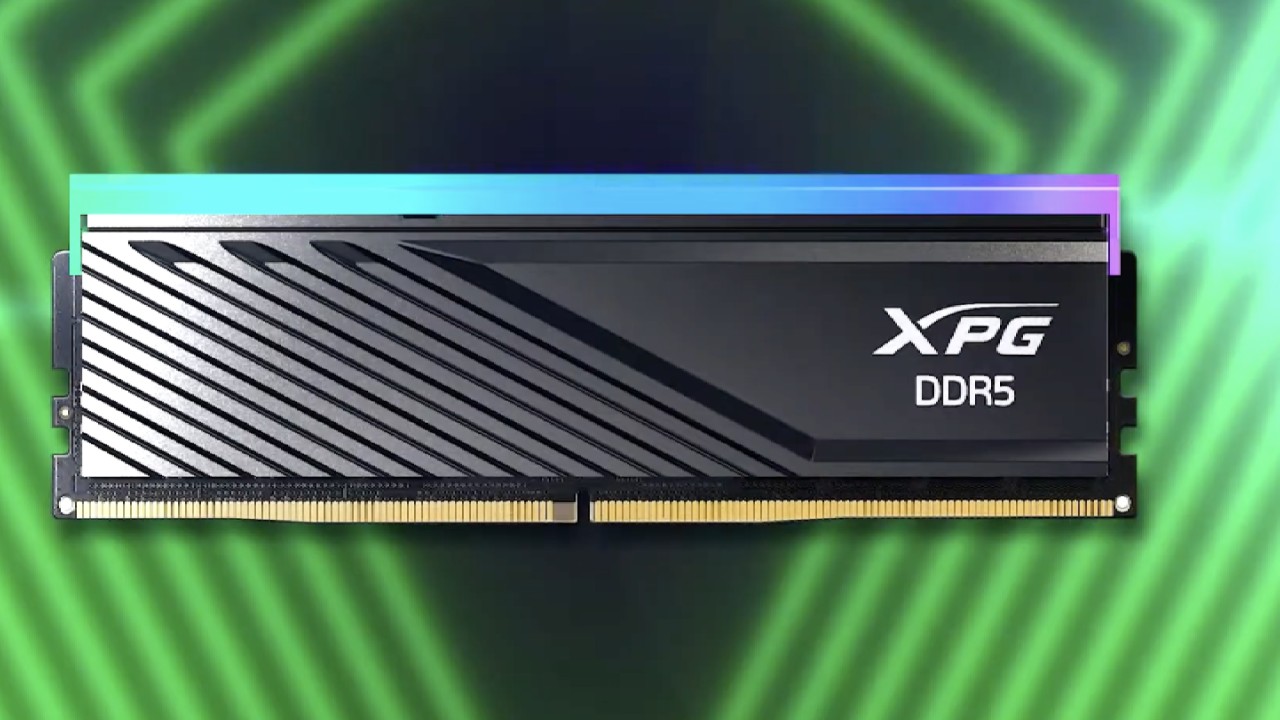
Maingear, a custom PC builder, has launched a "bring your own RAM" program that lets customers buy fully built gaming PCs without memory installed.
It is said that this idea is a useful way to address the ongoing RAM problem.
DDR5 prices are still high, they aren't always in stock, and many people already have RAM that works with their systems or would rather shop for better deals on RAM separately.
If you're upgrading from something you already have or are willing to look for deals, this adds a level of freedom to the PC market that you normally don't get—most of the time, you have to accept bundled parts and price increases. RAM costs a lot of money, so do not buy it right now.
Have you thought about that? For you, that could mean using old kits again, waiting for prices to go down, or getting memory when you think it's the right time.
There have even been tales of fans trying to make their own DDR5 sticks by soldering memory chips onto empty PCBs. They're not quick, and they probably don't come with warranties, but the idea of DIY memory feels like a strange sign of how bad the shortage has gotten.
Former Samsung workers are accused of sharing trade secrets with rival companies, which is causing major internal problems for the company. Engineers were said to have smuggled handwritten notes.
Still, agents couldn't be sure whether they contained private information about DRAM technology or something else less technical. The case is part of a larger investigation in which 10 former workers were charged with corporate spying.
Prosecutors say the leaks gave a competitor information, allowing them to produce a large volume of 10nm-class DRAM. This could cost Samsung and the South Korean economy tens of trillions in lost income. This shocking number shows how useful memory technology has grown.
It has also been claimed that Samsung is investigating internal corruption after reports that some employees took bribes to change memory chip orders and allocations.
The review is said to include discussions with workers and reassigning people within sales and marketing teams. RAM shortages are making the market tough right now, and we are watching one company deal with many problems.
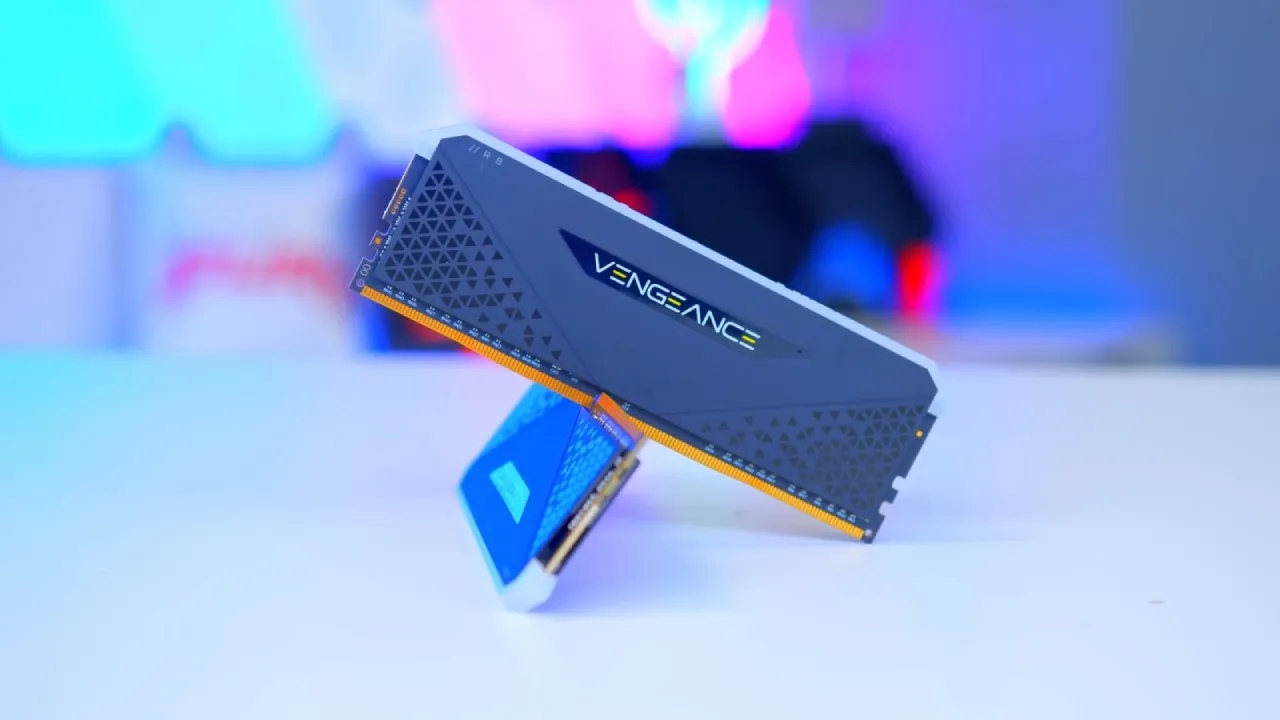
NVIDIA has reportedly spent about $20 billion to hire people from the AI company Groq. Still, it hasn't actually bought the company. The deal lets Nvidia hire Groq's founder, president, and some key workers, but Groq itself stays out of the deal. It's a move that gives Nvidia access to advanced AI inference chips without having to buy the company.
Some people call this a surgical masterclass, but others say it just makes people think there's competition and helps avoid government scrutiny. From where you stand, it seems like Nvidia is expanding its business by taking over the most valuable resource of all: people.
We can only imagine a future where Nvidia stays on top of AI, not just with its products but also by smartly hiring talented people.
There was talk that Asus might build its own DRAM fabs to help address the global memory shortage, but those claims have been firmly denied. The company said it would rely on current wafer fabrication sources rather than making its own wafers, even as it changes the types of products it offers.
It would take at least 2 years and a lot of money to build a memory fab, so it isn't a realistic way to address today's supply shortage.
It seems like Asus wants to stick to what it does best, even if that means the shortage stays in place for the time being. There would probably be a whole new problem in the market by the time a fab went online.
Google is getting ready to let users change their @gmail.com addresses, which has been basically impossible since Gmail started. With the new feature, you can change your username and keep your old address as an alias. This way, you won't lose emails or access to your account.
For many people, this means finally getting rid of embarrassing or outdated email addresses without having to start from scratch. We get the ease of a new name while still seeing years of messages. This shows that platforms can still evolve even after being around for a long time.
AI data centers consume a large amount of electricity, so one company has suggested using old Navy nuclear reactors to power them. The idea could provide a steady 450 to 520 MW of energy, enough to meet the needs of hundreds of thousands of homes, if the government backs it and the idea is approved by the authorities.
When that isn't enough, the need for data centers is also bringing old fossil-fuel peaker plants back into use. It has become clear that AI needs are extreme, which is bringing energy solutions that used to seem impossible back into serious conversation.
With iOS 26.3, Apple is letting third-party earbuds use AirPods-style proximity pairing, but only in places where new rules demand more openness. Just like with AirPods, you can connect suitable earbuds to your iPhone by bringing them close and tapping.
Watches from other brands will also receive limited notification support, letting you get tips on your iPhone or your watch. This is a small but important change that shows Apple is slowly loosening its grip on its ecosystem under pressure from the outside.
Hackers used problems in the Rainbow Six Siege game so that they could ban and unban players, get rare things, and add about 2 billion R6 credits to accounts, which is worth around $13.3 million. As a result, Ubisoft had to close the game and its marketplace. Recent deals were undone, but players who used the fake credits will not be punished.
Ubisoft says that no user data or source code was leaked on a large scale. Instead, the company says that the problem was caused by an in-game exploit, not a deeper breach. For you as a player, it shows how easily live-service environments can break when security fails at the system level.
The tech world seems to be changing very quickly lately. There are memory shortages, business spying, AI power struggles, and very big cheats in games. As demand, prices, and competition push the industry into new areas, companies are learning to explore, adapt, and sometimes fail.
For you, it means the market is hard to predict, but it's also becoming more common to adapt and come up with new ideas quickly.
Contributor, NoobFeed
Related News
No Data.