
Ubisoft Cancels Multiple Games as Major Restructuring Shakes Up Development
Ubisoft confirms widespread cancellations, delays, and internal restructuring as the company resets its strategy around live services.
News by Nami Tanaka on Jan 23, 2026
Ubisoft has announced a massive internal reset that has shocked the game industry. It confirms that many of its projects will be cancelled, delayed, or restructured. A lot of changes are being made to the company's structure and operations to restore creative leadership, make the business more flexible, and guide it back to long-term growth.
The announcement says there will be a renewed focus on open-world adventures and games offered as a service. This will be supported by targeted investments, increased specialization, and greater use of cutting-edge technology, such as generative AI that speaks to players. Under the new working model, Ubisoft will change its development structure into five separate creative houses, each with its own creative network.
This network will give everyone access to shared development resources, key services, and a new headquarters structure. The company thinks that this new organization will start working in early April. This will mean a big change in how projects are approved, managed, and completed. The plan looks like a fresh start on paper, but the effects of that restart are already evident across several brands.
It is up to the five creative houses to focus on each of Ubisoft's main brands
Key titles such as Assassin's Creed, Far Cry, and Rainbow Six will be run by a single house. Another person will be in charge of titles like The Division, Ghost Recon, and Splinter Cell, ensuring Splinter Cell remains alive on the inside.
For Honor, The Crew, Riders Republic, Brawlhalla, and Skull and Bones are all in a third house, indicating that the company is still committed to multiplayer and live-service games. Anno, Might and Magic, Rayman, Prince of Persia, and Beyond Good and Evil are in the fourth house. Just Dance, Idle Miner Tycoon, Hungry Shark, Uno, and licensing partnerships are in the fifth house.
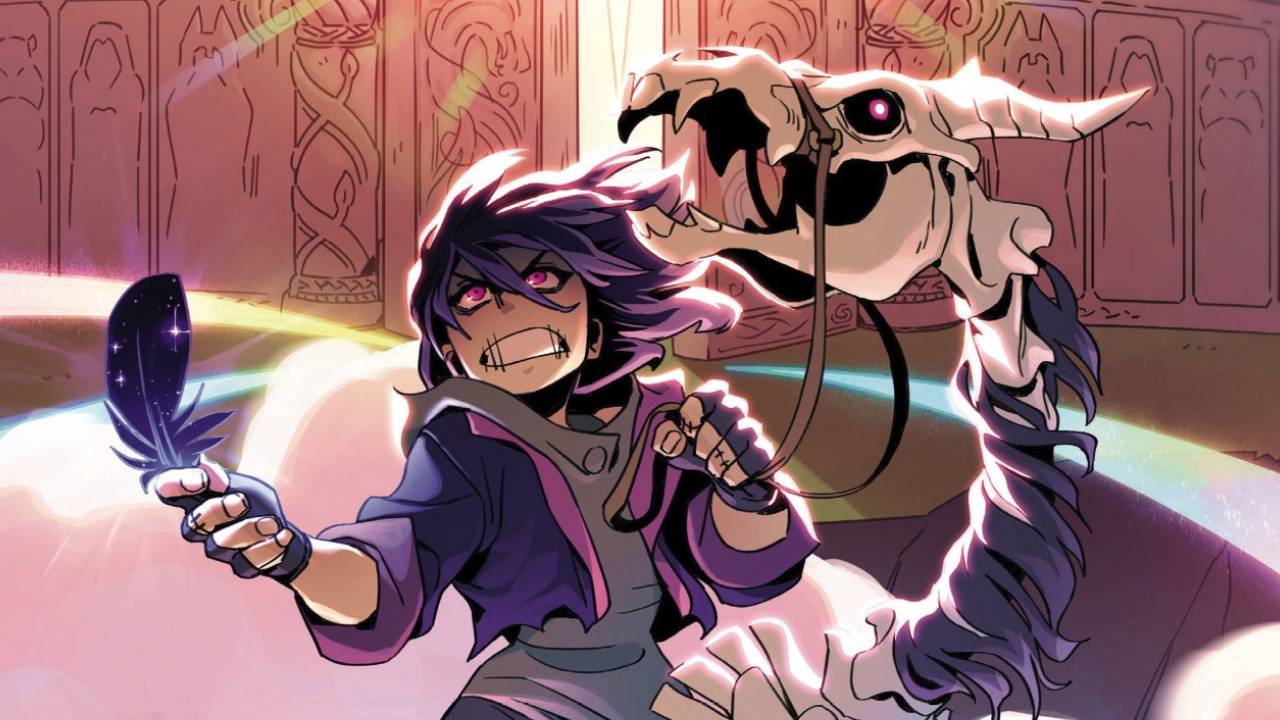
The reshaping may sound like a normal process, but it has a well-known and unpleasant side effect. Ubisoft confirmed that six games have been removed from the market as part of a plan to prioritize fewer games more carefully, based on higher quality standards. The remake of Prince of Persia: The Sands of Time is one of these titles that was cancelled, along with four others that were not released.
These included three new IPs and one mobile game. Not having the unannounced projects leaves little room for what might have been, but the decision to cancel Sands of Time stands out as the most important. The remake of Prince of Persia: The Sands of Time had a long and troubled development history, with delays, internal reboots, and changes in companies.
Even so, recent messages showed a boost in trust and promised more in 2026.
That hope has now completely gone away. The project is no longer going forward. This marks the end of years of work to bring back one of Ubisoft's most popular series. Many players are upset that Prince of Persia won't be getting a remake. They also don't see this as a clear way for the series to start over as a modern 3D series.
The ruling brings up tough issues. The reboot of Sands of Time was never going to be a huge hit, but it probably could have made millions of dollars and brought the brand back to life. It was easy to understand, familiar, and based on nostalgia, but it was also meant to be a way for new people to get in. It seemed like a good way to start over with the brand from our point of view. But as a fan, you may feel like a door was shut just as it was about to open.
.jpg)
Along with the cancellations, Ubisoft confirmed that seven more games will receive additional development time to meet higher quality standards and deliver greater long-term value. One of these is an unnamed title that was supposed to come out in fiscal year 2026 but has now been pushed back to fiscal year 2027.
A lot of people in the industry think this has something to do with the remake of Assassin's Creed Black Flag, which has been reported to be in development and may now be aiming for a late-2019 or early-2020 release. The remaining delayed projects don't have names yet, so it's unclear what their status is.
The good news is that it's not all bad. The Splinter Cell version still seems to be in development, as it made it through the most recent round of cuts. Fans have been waiting years for the franchise to return, and this news gives them some peace of mind that it hasn't been put on hold yet.
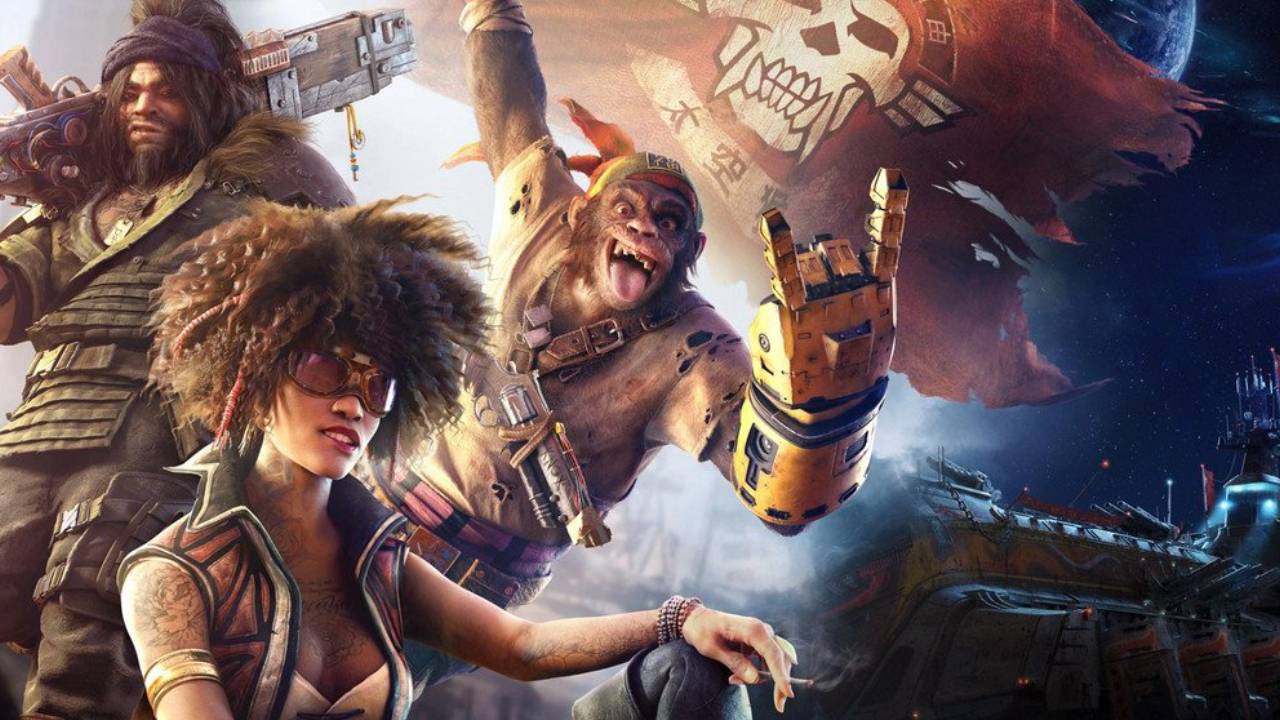
On the other hand, the difference between successful and unsuccessful projects makes the overall strategy seem shaky, especially from the outside. One of the most shocking things that came out at the same time as the cancellations is that Beyond Good and Evil 2 has made it through yet another round of internal review.
It's still going strong, even though it's one of the longest-running growth projects in the company's history. The game was first mentioned in 2008 and reintroduced with a big show in 2017. Since then, there have been many leadership changes, engine shifts, and development restarts. It's amazing that it's still around, especially since the Sands of Time closure.
Beyond Good and Evil 2 seems like a good example of sunk cost progress from where we stand.
It may feel impossible to quit after so many years, and so much money has been spent, even if other projects are cut for not meeting new standards. For you as a player, it might seem like a dream. A remake of a well-known classic is shelved, but work on a project that has been stuck for almost ten years continues.
Ubisoft's bigger strategy statements make things even more difficult. The company has been going in this direction for years, as seen by its greater emphasis on games-as-a-service, always-online experiences, and mechanisms that make it simple to make money. The usage of generative AI in future projects is now formally planned. This is a step toward content processes that can be scaled and run by systems.
This could be beneficial for investors and help Ubisoft save money, but players who remember Ubisoft's best years as being focused on making great stand-alone games might not like it. It's easy to see the strain. It is still possible for games that cost less to make and sell a few million copies to be effective, but the company seems to be focusing more and more on fewer, bigger projects that will last forever.
From your point of view, this usually means that brands feel too thin, too focused on making money, or too limited in their creativity. Each rejection makes it seem like Ubisoft is becoming less of a brand instead of more of one.
As the dust settles, Ubisoft's future games look like they will be fewer and more focused. Projects like the Assassin's Creed Black Flag remake and the Splinter Cell remake are now getting more attention. These games are under a lot of pressure from both fans and developers. It remains to be seen if these games can boost trust.
As of now, the cancellation of the remake of Prince of Persia: The Sands of Time is a symbol of the dangers of long development cycles, shifting goals, and an industry increasingly reliant on long-term service models.
In the end, this restart could shape Ubisoft's next 10 years. We have to watch as a company tries to balance creative vision with the need to make money, and you have to decide if what's left feels worth the wait.
Moderator, NoobFeed
Related News
No Data.