
XBOX's Project Positron Could Be Its Advantage Over Sony
As the disc war heats up, one console maker looks ready to fumble the bag while the other quietly holds the answer everyone has been waiting for.
News by Adeela Tas on Aug 23, 2026
You do not need to be a gaming insider to see that the fight over discs has turned into a full-blown mess. PlayStation keeps making moves that look bad, especially with so many people pushing back against what the company is planning to do. Whether Sony actually changes course is still up in the air, but XBOX has a wide open lane here, especially with Project Positron on the horizon.
A blackout aimed at PlayStation is underway, organized by people who want the company to reverse its plan to phase out discs by 2028. Realistically, it probably ends with nothing changing. Based on everything coming out of Sony right now, the company does not seem too concerned with what its fan base thinks, or how getting rid of physical media affects people who like owning their games outright.
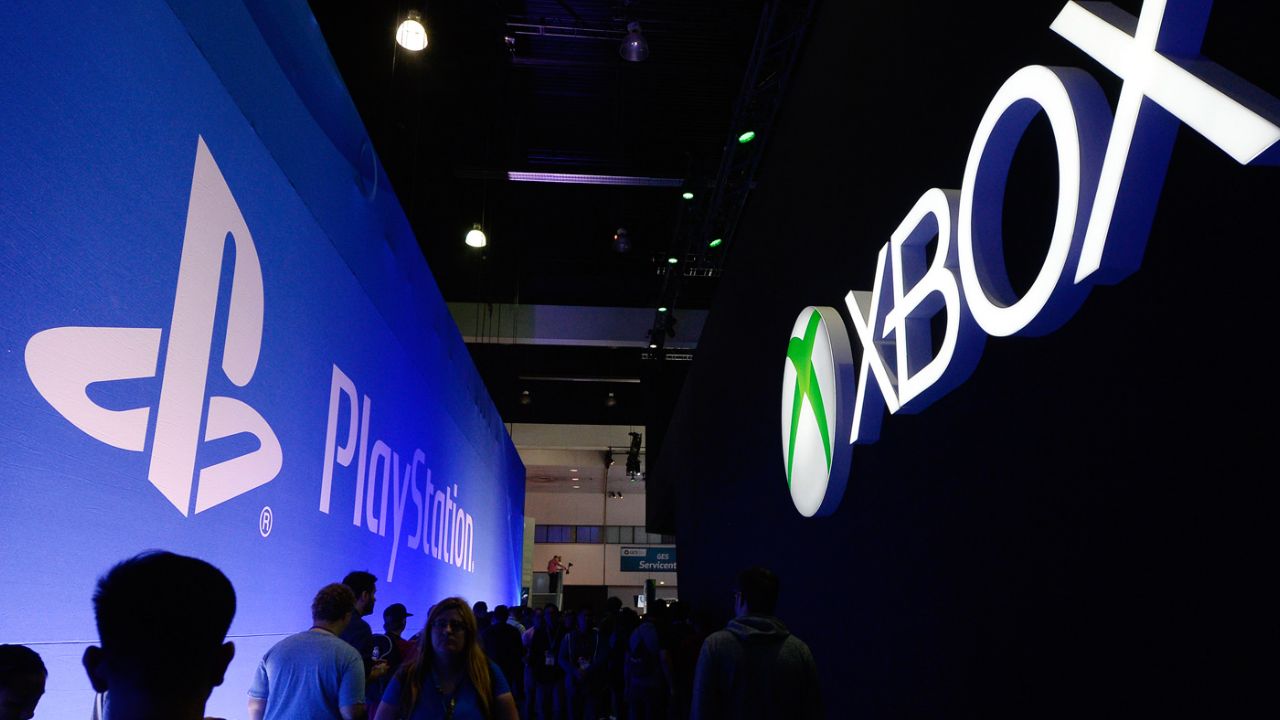
Sony's silence on backlash was finally broken, but not by choice.
That much became obvious during Sony's investor call, the first time company leadership addressed the decision publicly, and only because an investor asked about it directly. These companies answer to shareholders, and shareholders look at physical game sales and see dollar signs in killing them off. Going all digital means more control over pricing, and most buyers already lean digital anyway.
None of this changes unless people vote with their wallets. There is a big test coming with the upcoming Wolverine release this September. If that game sells huge numbers digitally, the blackout will not mean a thing to Sony, since money talks louder than protests and the bottom line is the only language these companies understand.
Meanwhile, XBOX has stayed dead silent. No announcements, no confirmations, nothing at all. You could read that as them quietly reassessing the market and reworking whatever plans they originally had. Earlier reports, credited to an industry insider, suggested that before XBOX restructured its next-gen strategy, the plan involved keeping some kind of disc drive support, whether built in or as an attachment.
Nobody knows exactly where that stands now. XBOX's current leadership also seems far more plugged into social media than previous regimes were, which suggests the company is watching the reaction to Sony's decision closely, and possibly rethinking any plans to drop disc support, especially with Project Positron already in development.
Project Positron is essentially XBOX's disc-to-digital initiative.
It looks like one of the smarter ways to let people keep physical games while still getting modern digital perks. That kind of consumer choice is exactly what is missing from Sony's approach right now. There are basically zero digital ownership protections in North America.
The EU has some safeguards in place, but in North America, when you buy a digital game, you are really just licensing it, and that license can be revoked at any time. People will argue that will not actually happen, but PlayStation already showed everyone otherwise when roughly five hundred movies vanished from user libraries, despite people having paid for them and assuming they owned them outright.
Sony picked a wild moment to remind everyone about this. Right as backlash over the disc removal decision was ramping up, Sony sent out a mass email to PlayStation users about its terms of use, and one section stood out. It spells out that the software is licensed, not sold, granting a limited, non-transferable, personal license to use it, and that any rights not explicitly granted stay with the company.
In other words, you never actually owned the digital games you bought. This is not new, but Sony highlighting it during an active controversy is almost comically bad timing. Reactions online were mixed, with plenty of people pointing out this is basically how digital purchases have always worked.
Others argued that just because it has been the norm does not mean it should stay that way.
Gamers should be able to buy a license tied to the game itself rather than a specific storefront. That sparked comparisons to movie licensing services that sync purchases across platforms, something the film industry has managed but gaming has not, since games run on console-specific hardware and exclusivity deals complicate everything.
Other comments got more pointed, with users joking that if buying is not owning, then piracy is not technically stealing either. Someone mocked up an image replacing the PlayStation Store's purchase button with one that just says buy a license, not a game.
One user also raised an interesting point: since the license excludes commercial use, it technically puts streamers and content creators who monetize gameplay clips in a strange spot. Now here is where XBOX's opportunity comes into focus.
Project Positron is XBOX's answer to physical media anxiety, essentially picking up where an abandoned XBOX One plan left off years ago. Back then, backlash over a similar disc-to-digital concept helped tank that console's launch and hurt sales badly, and XBOX arguably still has not recovered in terms of physical hardware numbers compared to previous generations.
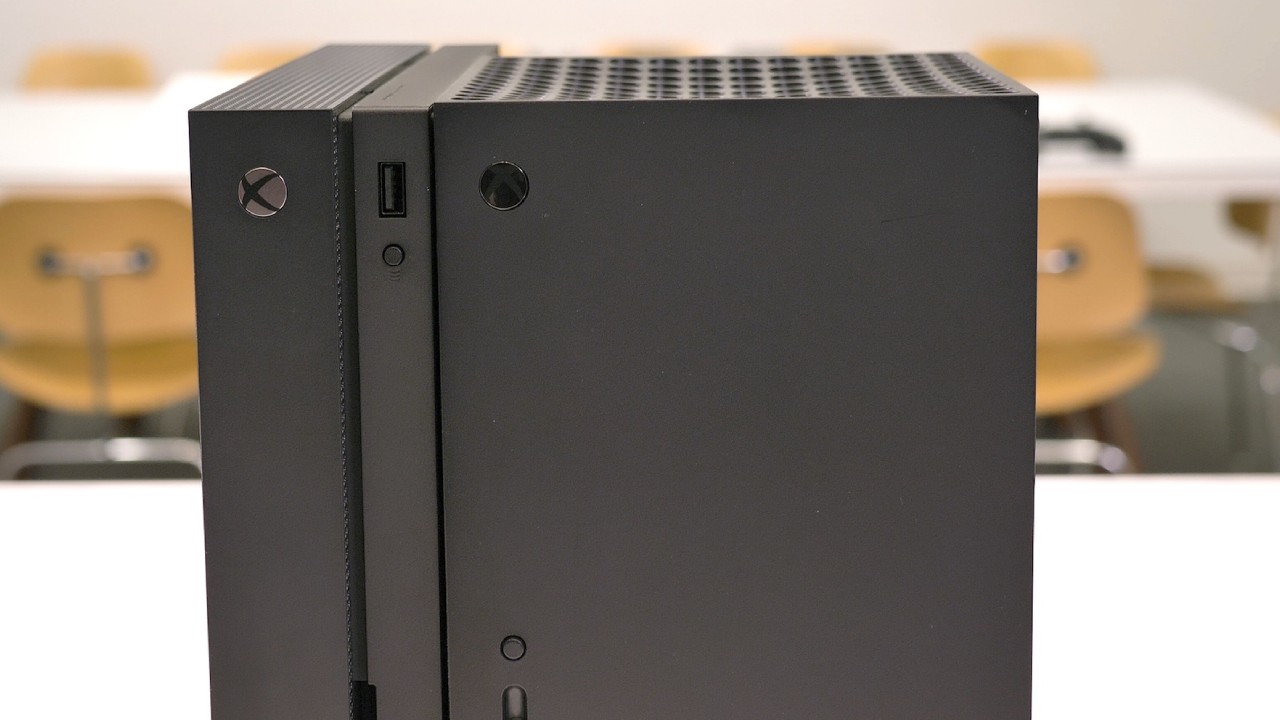
If XBOX plays this right, Project Positron could reverse a lot of that damage.
How the company markets and rolls it out matters a lot, because there will be skepticism no matter how solid the program ends up being. From what is known so far, Project Positron will only support discs from the XBOX One and XBOX Series X and S generations, likely due to licensing limitations tied to older disc formats.
XBOX has also been steadily expanding backward compatibility elsewhere, bringing original XBOX titles to PC and adding more XBOX 360 games into the mix, so it fits a bigger pattern. Early reporting, again from an industry insider, suggests you will not need a retailer or a third-party middleman to activate anything.
Simply installing a game from the disc will link it to your Microsoft account and unlock full digital entitlements. From there, if you sell that disc, whoever buys it gets both the copy and the digital rights tied to it, since they now legally own the disc.
This is a genuinely solid solution for an industry steadily moving toward an era where actual ownership barely exists. Most publishers already understand that players are eventually going to be pushed into digital-only libraries, especially as hardware prices climb and cloud gaming becomes a bigger part of the pitch.
Cloud gaming is not the problem, and used as a supplement, it is genuinely great.
Xbox's cloud streaming through its top-tier subscription works well because it complements games you already own instead of replacing them. The concern is a future where cloud access is the only option, with subscriptions replacing digital ownership entirely as prices creep upward.
Look at the upcoming Grand Theft Auto IV as an example of where this trend leads. The publisher's excuse for skipping a physical release centered on fears over leaks, but that logic has not held up, since leaks happened anyway, at a massive scale, turning the situation into one of the most chaotic stories in gaming history.
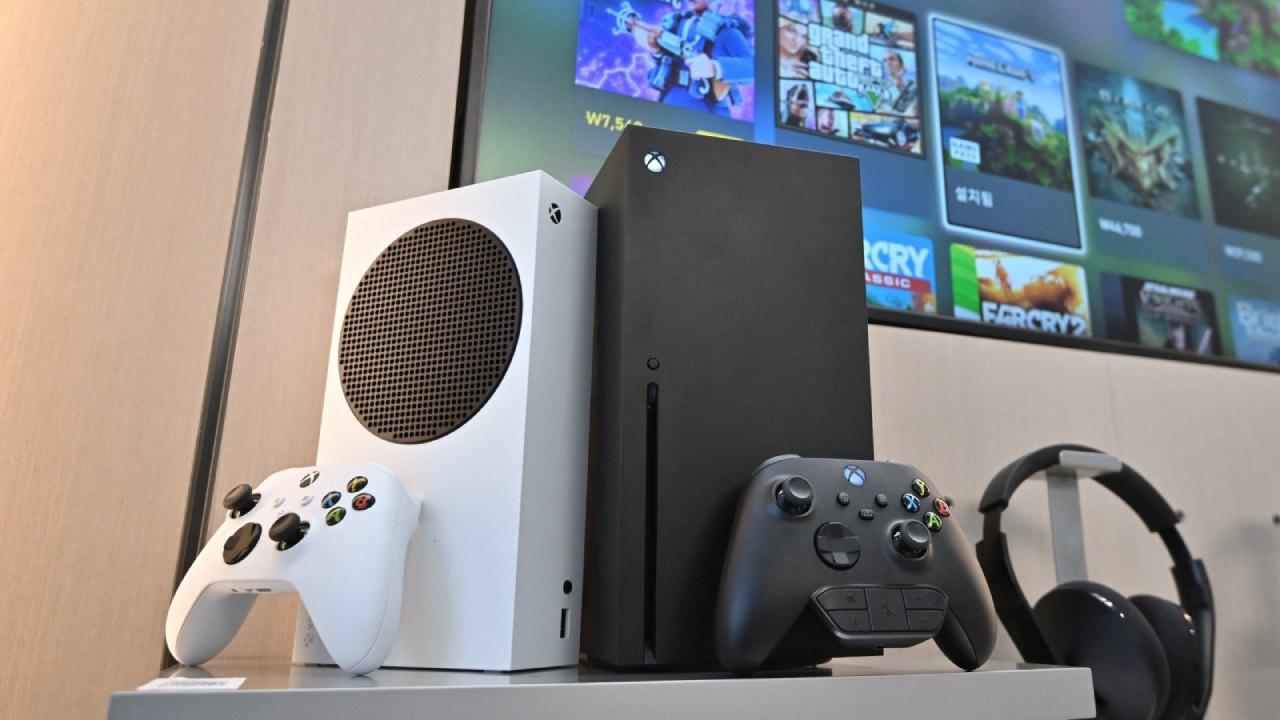
Subpoenas have reportedly gone out to several platforms to trace whoever was responsible, raising concerns since even uninvolved users could have their information exposed. But skipping a physical release did nothing to stop leaks. It came down to cutting costs on one of the biggest entertainment releases ever made, and that same logic is why Sony is phasing out discs too.
If XBOX eventually follows Sony down that path, it will face identical backlash, which is exactly why it has such an easy opportunity right now: fully commit to supporting physical discs into the next generation. If a built-in drive is not realistic anymore because the upcoming console is already deep into development, an external drive accessory could work as a middle ground alongside an all-digital version.
That single move could generate a massive wave of goodwill.
This is purely because it respects different ways people want to buy and play games, and it would prove Project Positron was never just a marketing gimmick. Speaking personally, plenty of collectors, myself included, slowed down buying physical XBOX games once features like Play Anywhere made owning multiple consoles less about needing separate copies.
That shifted buying habits toward digital on XBOX specifically, while physical collecting stayed strong elsewhere, especially on Nintendo Switch, where digital purchases stay basically nonexistent for a lot of longtime collectors. But once Project Positron was announced, that changed again almost overnight.
Project Positron is reason enough to go back to buying physical XBOX games, since you would get the benefit of a digital license attached to a copy you can resell, lend out, or collect. If it works the way it has been described, physical copies become the smarter buy anyway, since prices tend to drop faster than digital sales do, and secondhand copies open up even more savings.
Whichever company handles this transition best, leaning into digital convenience without stripping away consumer choice, is going to come out ahead in the long run. Sony's current trajectory suggests it is not planning to budge, but XBOX still has a real chance here. Project Positron could end up being the deciding factor in how physical media, digital ownership, and consumer choice all play out over the next few years.
Editor, NoobFeed
Related News
No Data.