
Xbox Signals Major Strategy Shift as It Embraces “Daily Players” Era
From Game Pass changes to exclusivity rethink, Microsoft’s gaming division outlines a bold—yet uncertain—future.
News by Wasbir Sadat on Apr 29, 2026
Xbox has issued what may be its most defining statement to date, which is a thorough picture of its future strategy. This comes after weeks of rapid-fire announcements and updates from the company. The announcement and talks with executives give us a rare look at how the company plans to change as pressure builds in the industry and players get more irritated.
The word comes at a very important time. Microsoft has acknowledged that its community is becoming increasingly dissatisfied. The company cites several reasons for this, including slower console feature rollouts, a weak presence on personal computers, increased price concerns, and uneven user experiences across discovery, social features, and personalization.

Better tools and stronger platform support are also being pushed for by developers.
At the same time, there are big changes happening in the game world. Players who have grown up with social networks, free-to-play games, and continuous content streams are a new generation of gamers that want more freedom, more opportunities to create, and more connections.
Traditional console gaming is still going strong, but it must contend with an entertainment environment that is larger and more spread than ever before. Global competition, rising production costs, and the growing influence of smaller studios and platforms driven by creators are among the primary factors the corporation considers most significant in driving the industry's transformation.
The rise of subscription services and large game libraries has changed what players demand. At this point, it's important to have both short-term access and long-term value At the heart of Xbox's plan is a fundamental change in how it judges success. The company has shifted away from hardware sales and unit purchases to better measure its success. Instead, it is now focusing on daily active players.
This shows that there is greater emphasis on services that keep customers engaged at all times, like Game Pass, which has become an important part of the Xbox ecosystem. The Xbox is becoming more like other digital games that rely on keeping players interested by focusing more on how often they play than on what they buy.
But this transition raises crucial considerations, notably concerning what it means to be exclusive.
If success is measured by how involved all players are, does it still make sense to let games operate on just one platform? Xbox had four major goals to reach its vision: devices, content, experience, and services.
When it comes to technology, the company's goal is to maintain the efficiency of the current generation of consoles while also preparing for innovative concepts such as Project Helix. At the same time, it wants to grow its community by adding high-performance accessories and making its products work with other platforms.
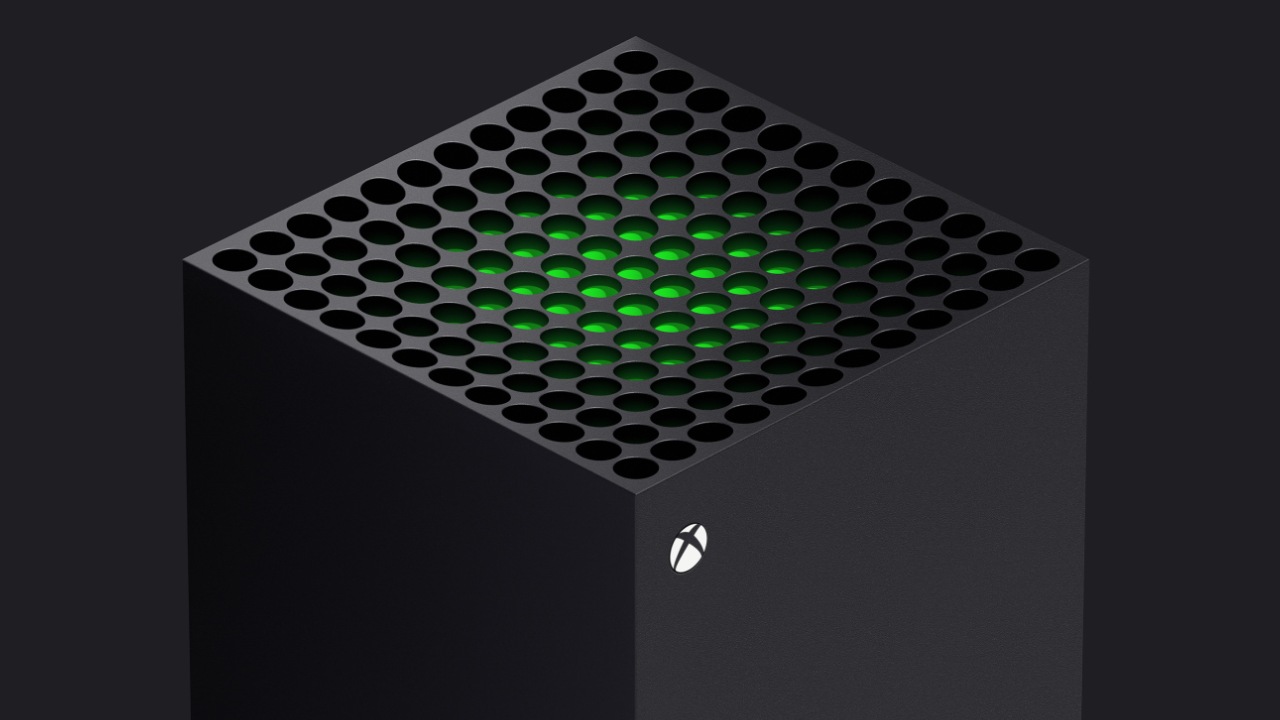
The main goals of content strategy are to build long-lasting franchises, strengthen partnerships with third parties, and expand into new markets, such as China. Xbox also discussed the significance of live-service games and platforms that are driven by creators. They cited successful games such as Minecraft, The Elder Scrolls, and Sea of Thieves as examples of games that maintain people's interest.
Enhancing the user experience is another significant objective. Xbox has shown a desire to modify fundamental features such as search, discovery, and social connectedness, which have been criticized by gamers and developers for a long time. Its services plan focuses on strengthening Game Pass by setting stable prices and making its value clearer. It also aims to improve cloud gaming, making it faster and easier to access on all devices.
Exclusions are being looked at.
The way Xbox changes its mind about exclusivity may be the most closely watched part of its plan. The company said it is rethinking its strategy, including when and how games are launched across different platforms.
These are the results after mixing them. Some Xbox games have done really well on other platforms, while others have struggled to get noticed. A major disagreement arises throughout the discussion: more releases could generate more revenue, but exclusivity could help people buy hardware and build brand loyalty.
The market trends show that there is no easy answer. The competitors have tried many things, like launching platforms first and staggered launches, with varying degrees of success. Xbox is also at a crossroads right now. They are trying to find the best balance between getting people to use their products, making money, and building a new ecosystem.
Game Pass is still a big part of Xbox's long-term plans, but it's changing.
Executives hinted at more flexible subscription models that might let users customize their plans. This could bring in more customers and ease concerns about price. The company also realized it had to be careful with its money, though. The business is under a lot of pressure because of recent acquisitions and rising growth costs. This has made them more cautious about future investments.
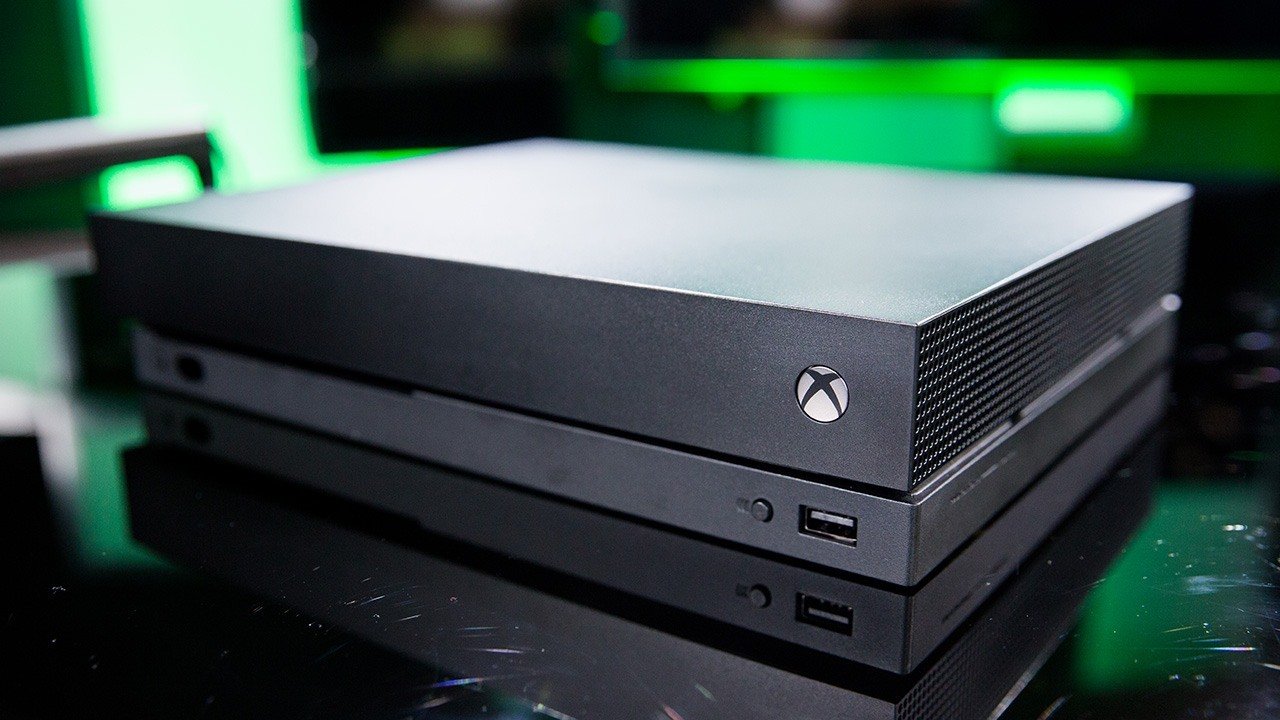
Even so, Xbox confirmed that it will continue to look into mergers and acquisitions. This approach is still controversial, though, because past deals have had mixed results. In a symbolic move, Xbox also said it would stop using the name "Microsoft Gaming" and instead go by the name "Xbox." The move is mostly for show, but it's part of a larger plan to simplify the brand and reconnect with its core audience.
As they looked to the future, company leaders stressed the importance of regular game releases, improved development processes, and a renewed focus on quality. They didn't say for sure that the games would win awards, but they did say that they were confident that better skills could lead to big hits.
Contributor, NoobFeed
Related News
No Data.