
Animal Crossing: New Horizons Switch 2 Edition Review
Nintendo Switch 2
Craft your dream island getaway and build a thriving community at your own peaceful pace.
Reviewed by Elme Dhee on Jul 07, 2026
Some games are popular because they revolutionize the medium. Other games are unforgettable because they were emotionally necessary. Somehow, Animal Crossing: New Horizons was on its original release platform, and its legacy continues to shine just as brightly on the Nintendo Switch 2.
Nintendo developed the game, which was released in 2020 at a time when people around the world were exhausted, isolated, and desperately seeking comfort in small things. No one saw a quiet life simulator with talking animals and fishing rods taking over online conversations like this. The formula always had a loyal fanbase because it offered something slower and softer compared to most modern games.
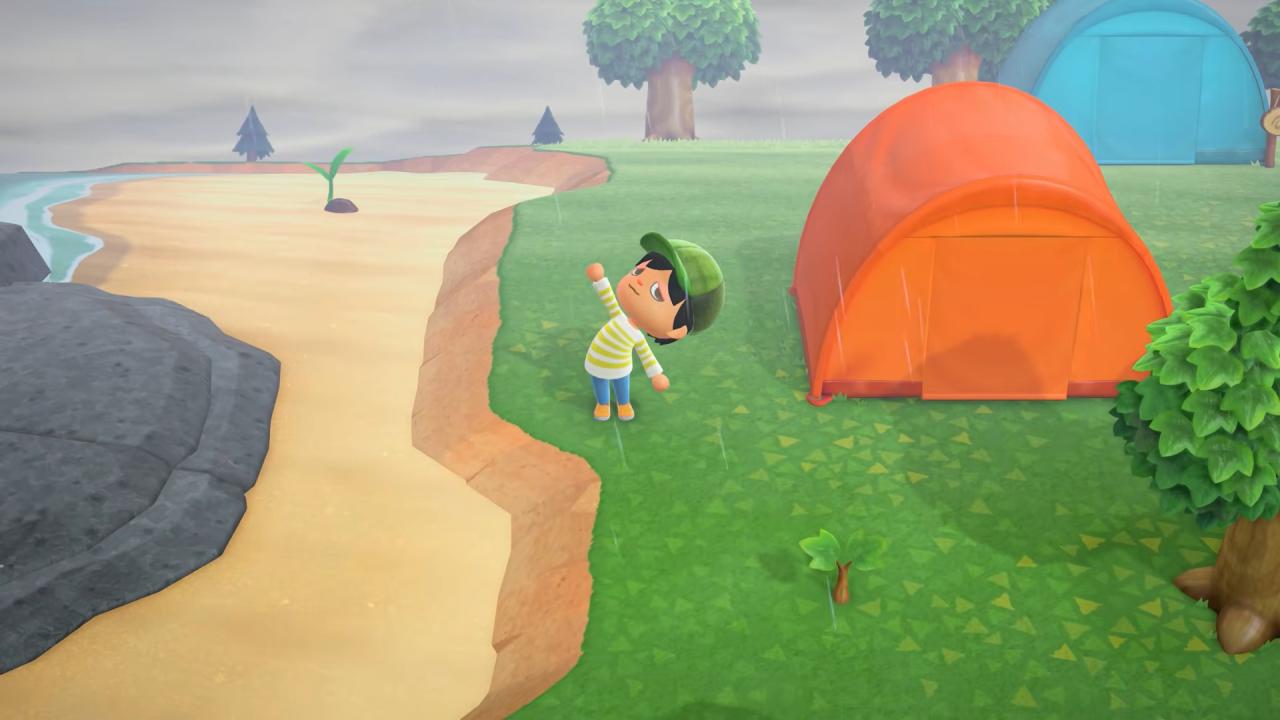
Still, the game felt different from the beginning because instead of entering an already developed town, players were given an empty island and told to build a life from the ground up. That small change made all the difference.
The game no longer felt like just living in a cute world built by developers; it suddenly became something personal. Every tree planted, every bridge built, and every pathway placed on the ground slowly transformed the island into something that reflected the player themselves. While most games chase action and spectacle, New Horizons built its identity around cozy routines, natural beauty, creativity, and multiplayer connection.
Weirdly enough, that ended up making it one of the most emotionally memorable releases of the decade. This formula has always had a dedicated fan base, as it provided something slower and softer than most modern games. But the game was different from the start: instead of entering a ready-made town, players were handed an empty island and told to build a life from scratch.
That little tweak changed everything. The island transition is smoother than ever, especially with the faster load times and improved performance of the Switch 2 version you’re on this journey with.
The game barely has a story, yet it somehow still feels deeply personal.
Trying to explain the narrative of Animal Crossing: New Horizons sounds almost ridiculous because, technically, there is not much of a traditional plot at all. You arrive on a deserted island through Tom Nook’s getaway package alongside two villagers, and from there, your main goal is simply improving the island little by little.
There is no ancient prophecy, no villain threatening the world, and no dramatic cutscenes constantly reminding players how important they are supposed to feel throughout the journey. Honestly, that is exactly why the game works so well for so many people. The experience understands that not every story needs massive stakes to feel meaningful because sometimes smaller moments can leave a stronger emotional impact.
Villagers sing at random in the plaza, flowers bloom after rainstorms, leaves change color with the seasons, and nighttime music creates a strangely nostalgic atmosphere that feels impossible to properly describe unless you have personally experienced it.
The game constantly turns tiny everyday moments into memories without loudly demanding the player's emotional attention. From the way trees sway in the wind to the seasonal appearance of insects, the game is filled with themes of cozy living and natural beauty in almost everything it does. Even the pacing reflects those themes because nothing happens instantly.
The game deliberately encourages players to slow down and appreciate gradual progress rather than constantly rushing toward rewards. Of course, that lack of structure will not work for everyone, because eventually some players lose motivation without a strong narrative to push them forward.
Anyone looking for intense storytelling, dramatic progression, or nonstop objectives may find the experience repetitive after enough hours. Still, for players willing to embrace the slower rhythm, the island eventually stops feeling like a game map and starts feeling more like a second home that quietly waits for them every day.
Almost every tiny task somehow becomes weirdly addictive over time.
On paper, the gameplay loop sounds painfully ordinary because most of the activities involve collecting wood, catching bugs, picking fruit, watering flowers, decorating rooms, and talking to animals every day. If somebody described those mechanics without context, it honestly sounds like the most boring game imaginable.
Yet somehow, the experience becomes incredibly addictive once the routine settles in and players begin to emotionally connect with their island, little by little, over time. The core gameplay revolves around slowly improving both your island and your house through gathering resources and customizing spaces however you want.
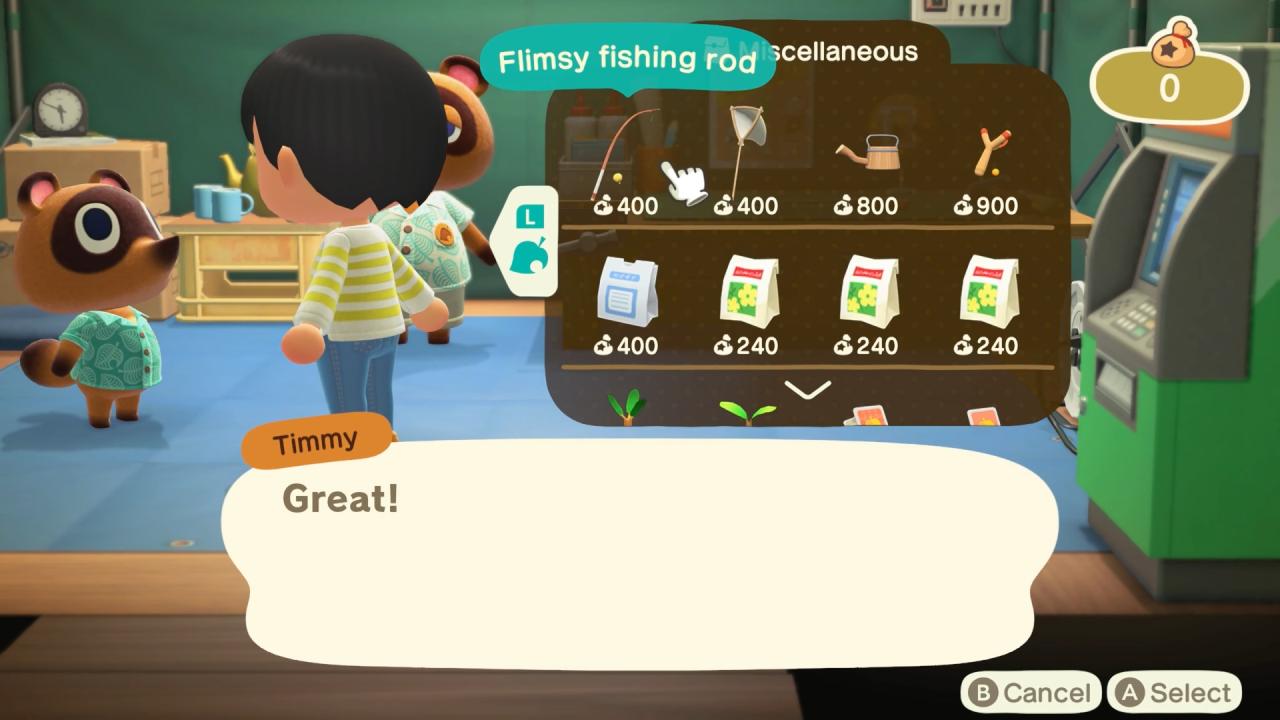
Players will spend a lot of time collecting materials such as wood, stone, iron nuggets, and clay to build furniture or infrastructure. The crafting system added a lot of interaction to the game compared to previous Animal Crossing games, since players now actively create items rather than just buying everything they need directly from shops.
But the island eventually no longer feels like a game map and begins to feel more like a second home, patiently waiting for players willing to take on a slower pace on a more powerful console like the Nintendo Switch 2 every day.
While relaxing, the pacing can also be frustrating at times.
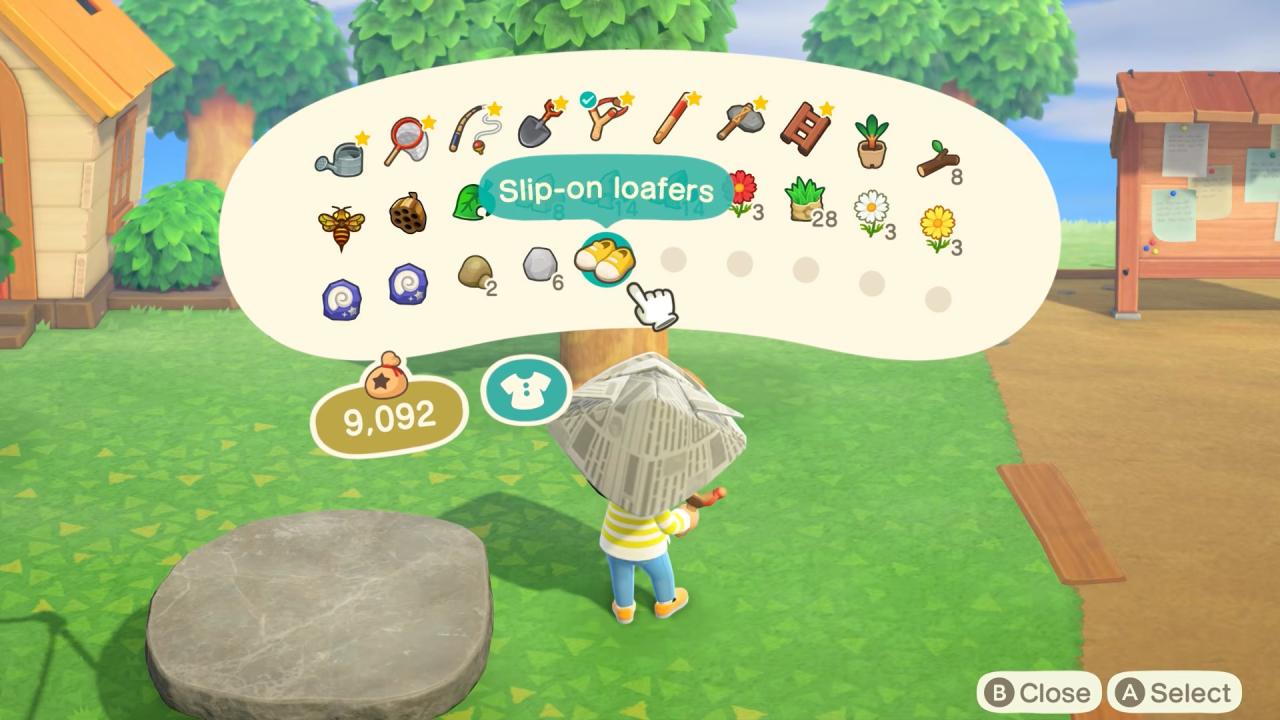
It’s a very cozy and enjoyable style of gameplay, but there are definitely moments where the pacing gets frustrating. Crafting items one by one quickly becomes repetitive, especially during longer gaming sessions when players need multiple materials or tools. In the first hours of the game, inventory management also seems needlessly aggravating as storage restrictions constantly hamper exploration.
Nintendo clearly wanted the experience to feel slow and natural, but sometimes that approach tips over into inconvenience rather than immersion. Even with those flaws, though, the gameplay loop is incredibly hard to put down because it taps into something fundamentally human. People naturally enjoy creating spaces that feel personal and comforting to them.
The game understands that better than most simulation titles because every improvement made to the island feels emotionally rewarding rather than mechanically forced. It’s a strange and deeply satisfying thing to watch an empty beach slowly become a beautifully decorated space.
The pacing also becomes more understandable once players fully settle into the rhythm the game expects from them. New Horizons is not designed to be rushed through in a weekend, as with most modern titles, because progression happens slowly over time. Building projects need patience, seasonal events take time, and relationships with villagers are forged by repeated contact, not by sudden, scripted encounters.
That slower design philosophy might frustrate some players, but it also forms the foundation of the game’s emotional identity. In a gaming industry obsessed with speed, efficiency, and nonstop stimulation, there is something refreshing about a game that quietly asks players to slow down for once. Even when the pacing occasionally becomes tedious, the relaxing atmosphere surrounding everything somehow keeps the experience strangely comforting.
The lack of combat became one of the game’s biggest strengths instead of a weakness.
Most modern games rely heavily on combat systems to stay engaging because players now almost automatically expect weapons, enemies, boss fights, and skill trees in major releases. Animal Crossing: New Horizons completely ignores all of that. There are no villains to defeat, no combat mechanics hiding beneath the surface, and no world-ending threat waiting for players at the end of the experience.
Instead of building tension through danger, the game replaces intensity with relaxation and emotional comfort. That decision honestly feels refreshing in a gaming landscape constantly obsessed with adrenaline and competition. The closest thing the game has to “high stakes” is getting stung by wasps or accidentally scaring away an expensive fish because you pressed the button too early.
.jpg)
Somehow, though, the lack of danger never makes the experience feel empty because progression instead comes through creativity, collecting items, earning Bells, improving the island, and building relationships with villagers over long periods of time.
There are still forms of strategy hidden underneath the cozy surface, even without traditional combat systems. Designing efficient island layouts, organizing villager placement, planning terraforming projects, and managing decoration themes all require patience and thought.
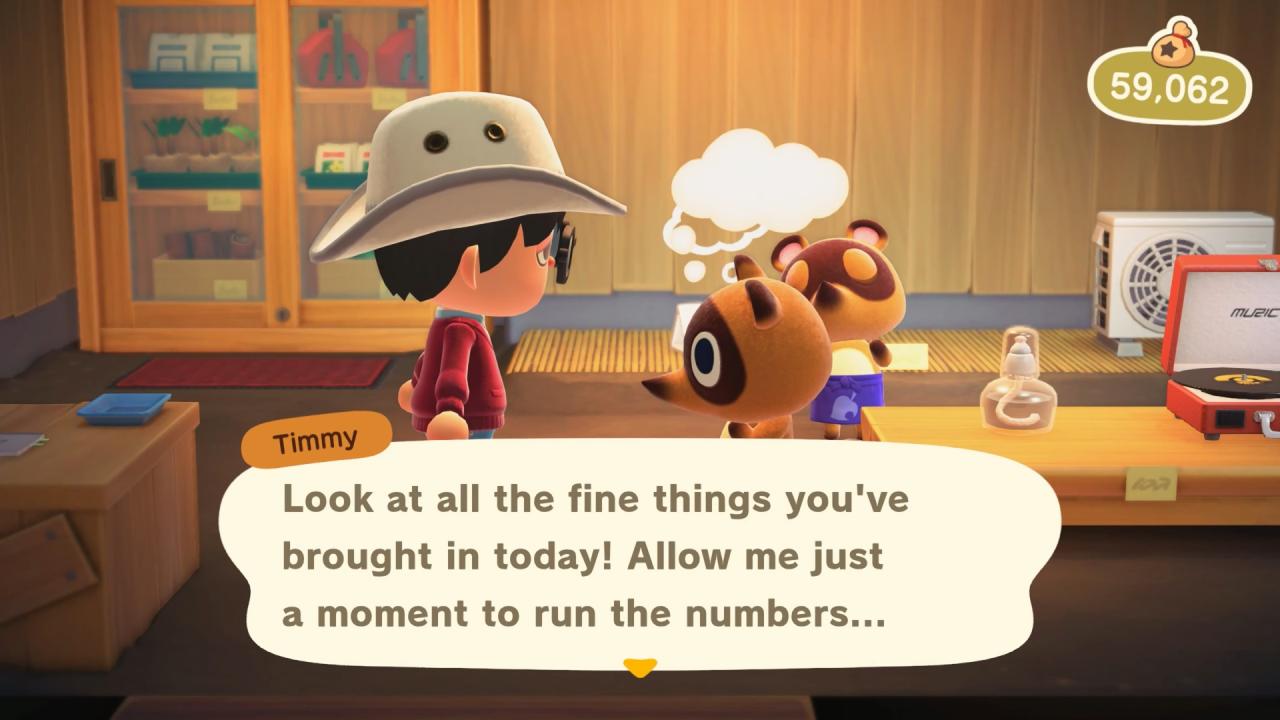
The economic system also adds a subtle challenge because Bells are earned through fishing, selling resources, collecting rare insects, and participating in the famous turnip market, which essentially serves as the game’s chaotic little version of stock trading.
The grind also feels very different from that of traditional role-playing games because progression never becomes aggressively demanding or exhausting. Players constantly earn Nook Miles while casually decorating or exploring, making progression feel natural instead of forced.
Still, players looking for deeper mechanics or fast-paced gameplay may eventually lose interest once major goals are completed. Yet honestly, that temporary nature almost fits the experience perfectly because this was never really a game about “winning” in the first place.
The villagers are simple, but they give the island most of its emotional warmth.
Even with all the customization systems and progression mechanics, the real heart of the experience is still the villagers themselves. The island becomes populated with adorable anthropomorphic animals, each carrying their own personality types, hobbies, and dialogue styles that slowly shape the atmosphere of daily life.
Some villagers feel energetic and cheerful, while others come across as lazy, smug, dramatic, or weirdly philosophical during random conversations throughout the day. The interactions themselves are not incredibly deep mechanically, but they work because of consistency and emotional familiarity. Villagers remember small things, send letters, give random gifts, and casually wander around, singing or exercising in public spaces.
Slowly, those little interactions build emotional attachment over time without any need for dramatic writing or cinematic storytelling. There is something really comforting about coming home after a stressful day and seeing your favorite villager just out and about with a donut in hand, like everything is perfectly okay.
It’s those little details that make the game emotionally effective, not big story moments or big emotional twists. Still, longtime fans of the franchise often criticize the villagers in New Horizons for feeling slightly repetitive compared to older games.
Earlier entries allowed villagers to behave in ruder, stranger, or more unpredictable ways, whereas many personalities here feel safer and more polished overall. That occasionally removes some of the charm older fans remember from previous Animal Crossing games.
Even so, the villagers still succeed because they make the island feel alive in ways decoration systems alone never could. Without them, the game would simply become a sandbox for designing environments. Their presence adds emotional warmth to every area, no matter how simple the conversations themselves might actually be. Somehow, those small interactions become the reason many players keep returning long after finishing their major island projects.
Animal Crossing: New Horizons succeeds because it understands the value of slowing down.
Animal Crossing: New Horizons is not without its faults. The pacing can be slow, the dialogue can be repetitive, and some of the mechanics feel unnecessarily antiquated compared to newer simulation games. But for all its negatives, the game does something that so many technically superior titles fail to do fully: it gives players genuine emotional comfort that feels real, not artificial or manipulative.
The cozy atmosphere is effective because of the game's slower pace, not just a secondary feature meant for relaxation. The natural setting, relaxing soundtrack, multiplayer interactions, and creative freedom all combine to create an experience that becomes more personal over time. Even people who typically avoid simulation games often find themselves emotionally invested in their islands before they even realize.
More importantly, the game arrived during a period where people desperately needed softness and stability in their lives. While other titles competed to become bigger, louder, and more cinematic, this one simply offered peace instead.
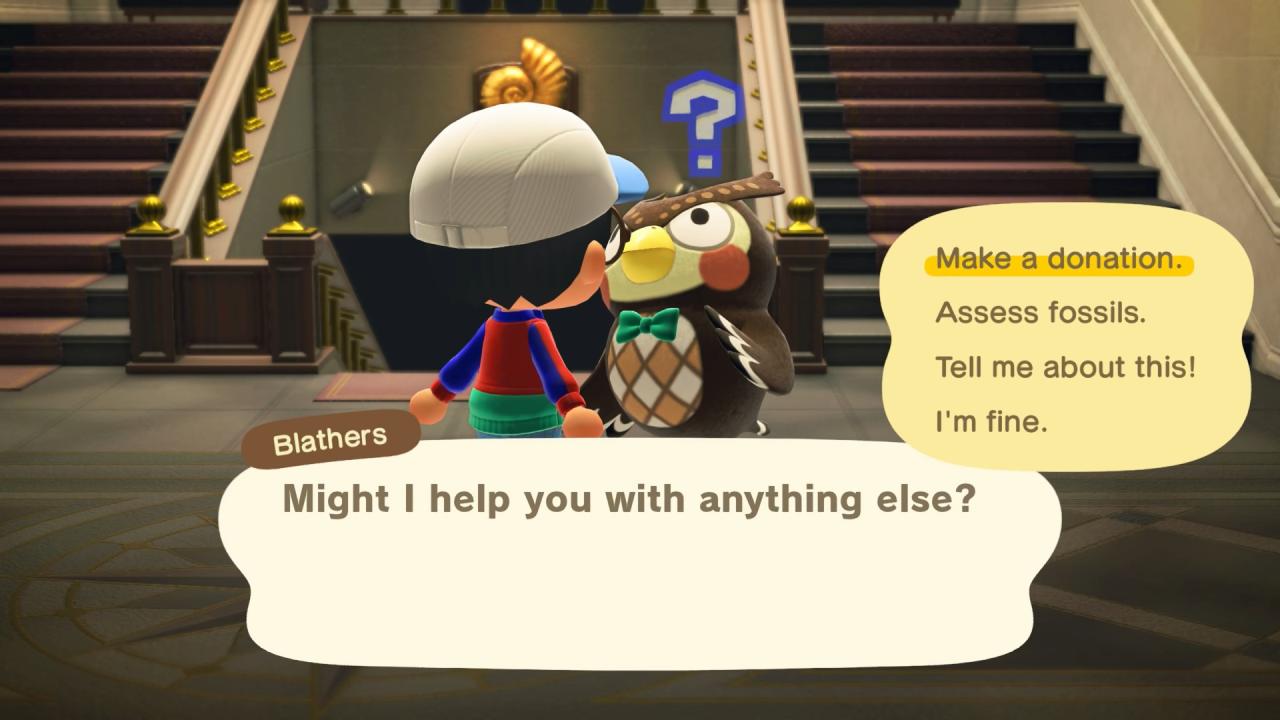
That quiet approach ended up leaving a stronger emotional impact than many games with far larger ambitions because it understood something simple but important about people. Sometimes comfort matters more than spectacle.
Years from now, most players probably will not remember every furniture item they collected or exactly how many Bells they earned during their time on the island. What they will remember instead are the feelings attached to those moments.
Sitting on the edge of the ocean at midnight with soft music playing in the background. Visiting friends during late-night multiplayer sessions. Watering flowers after a long day in real life. Somehow, these became strangely comforting memories that players returned to long after logging off. It’s proof that Animal Crossing: New Horizons is still a defining masterpiece, whether you played it years ago or are experiencing it today on the Switch 2.
Editor, NoobFeed
Verdict
Animal Crossing: New Horizons Switch 2 Edition is a delightfully cute sandbox escape that offers unparalleled creative freedom and therapeutic charm. Building your ideal island paradise remains an absolute joy.
85
Related News
No Data.