
BrokenLore: UNFOLLOW Review
PC
There are times when social media horror hits hard and sometimes hits the brakes.
Reviewed by Maisie Scott on Jan 29, 2026
BrokenLore: UNFOLLOW is one of a growing number of independent psychological horror games that try to deal with current worries instead of just showing scary things that happen in the supernatural. The game, which was made by Seraphini Productions, takes place in the BrokenLore world and uses horror to look at trauma, bullying, self-image, and the crushing pressure of online approval.
Instead of being a power dream or a typical survival horror, UNFOLLOW is more personal, asking you to enter the broken mind of a main character who is going through a lot of problems. The game doesn't try to be the first of its kind, but it's clear that it wants to say something important.
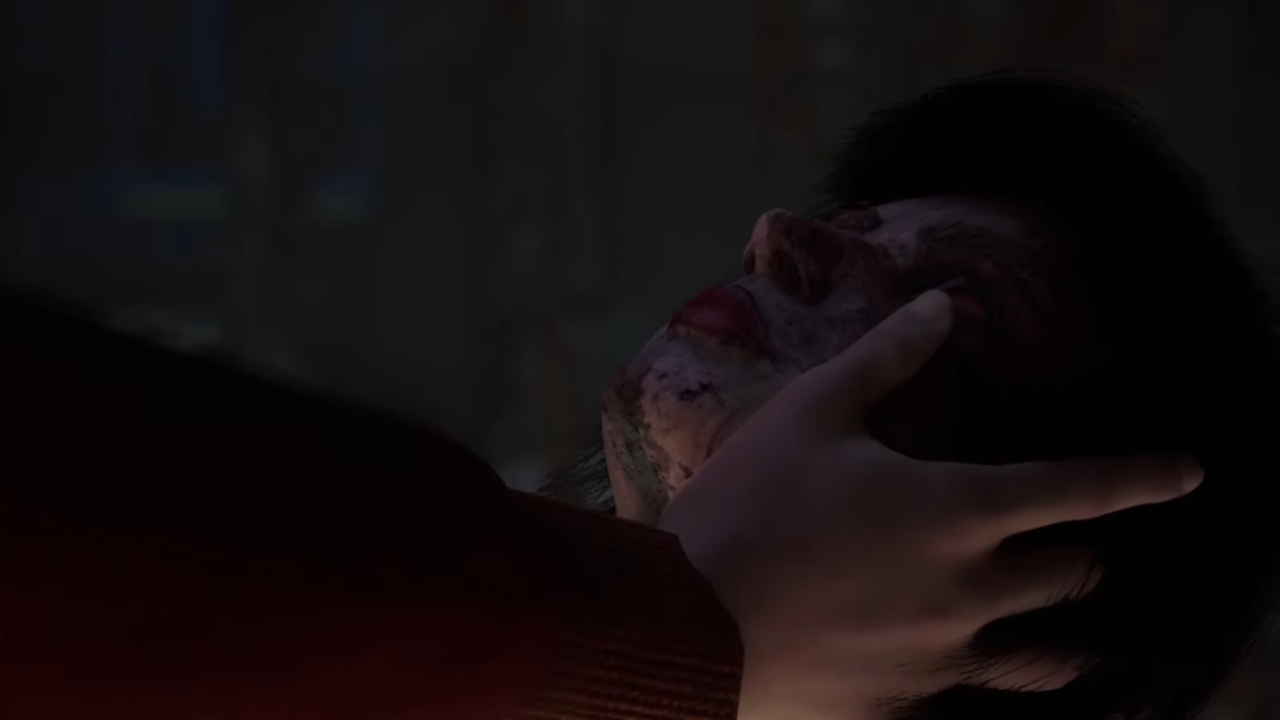
At the heart of the experience are themes about being too dependent on social media, having relationships that aren't normal, and the mental damage that bullying can cause. These ideas aren't new, but BrokenLore: UNFOLLOW tries to make them more personal, unsettling, and uncomfortable by connecting them to the places you explore and the enemies you face.
Because of this, the horror game feels sincere and emotional, even though it doesn't always live up to its lofty goals.
BrokenLore: UNFOLLOW is about a woman named Anne whose life has been changed by years of being bullied, going through traumatic events in her family, and becoming too dependent on social media approval. You wake up in a quiet, empty house that doesn't seem to have any history.
The story slowly builds through exploration, details about the surroundings, and pieces of memories. Anne's journey takes you to places that are connected to her past, like her home, school, and a hospital-like setting that represents times when she felt alone and emotionally collapsed.
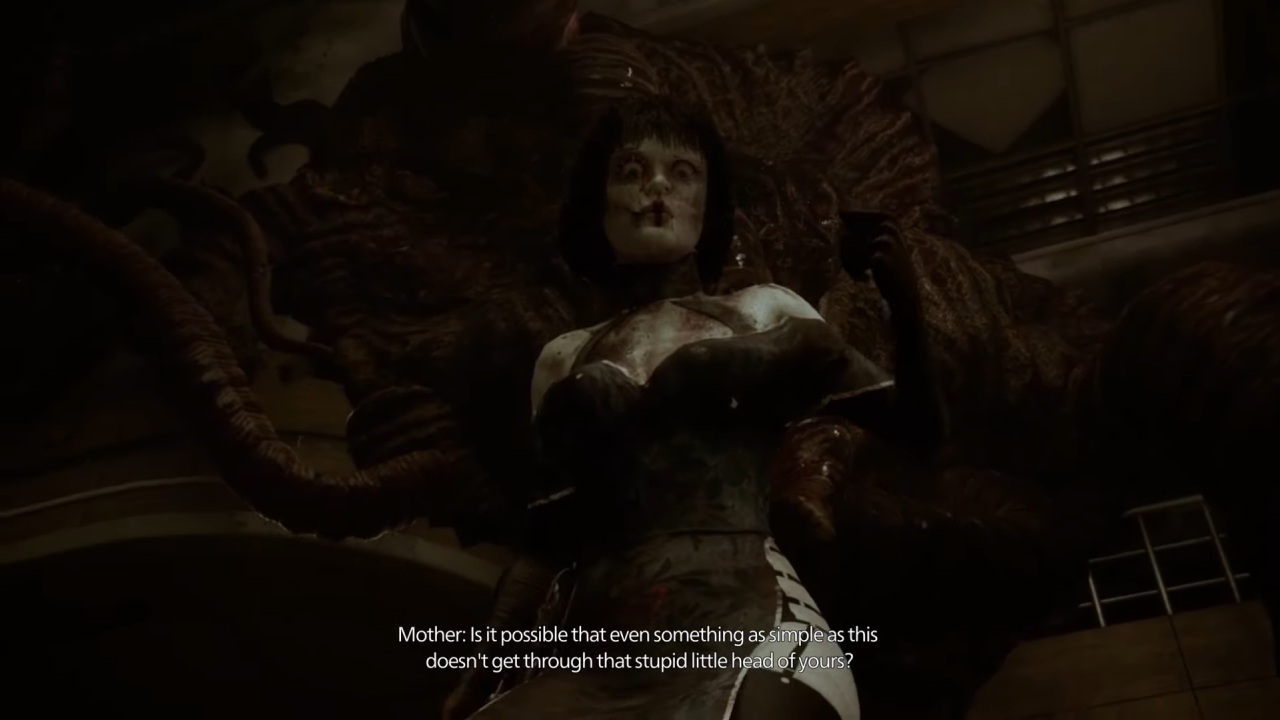
As the story goes on, you learn about Anne's problems with her body image, an eating disorder that was caused by being picked on for a long time, and her broken relationship with her mother. She turns to social media to find approval, where she makes an online character in the hopes of being accepted. Instead, this makes her feel even worse about herself by tying her worth to the opinions, likes, and support of people she doesn't know.
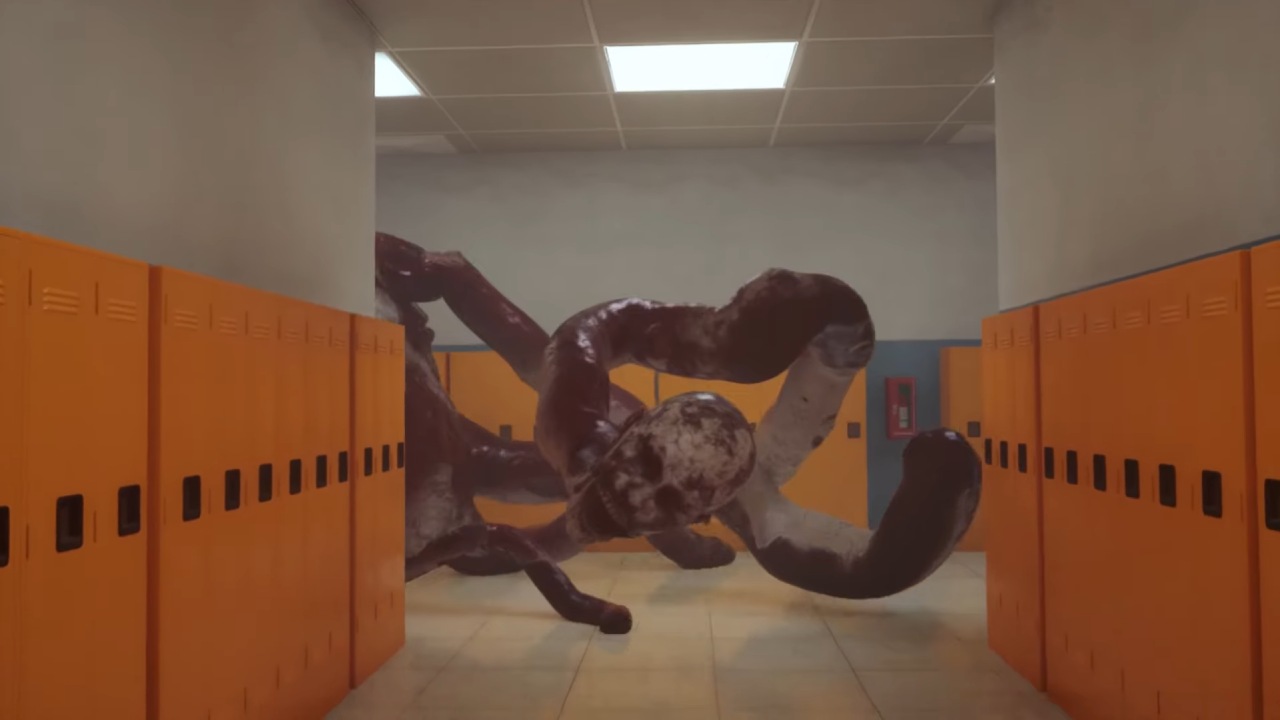
The monsters you face are not made by chance. Each one is a person or thing that has hurt Anne, like bullies, people in charge, or twisted versions of the people who let her down. These expressions make it hard to tell the difference between what is real and what is imagined. This supports the idea that Anne's biggest enemy is not the world around her, but how she has taken its cruelty upon herself.
Some parts of the story lean toward common psychological horror, but Anne's pain feels real and not cruel because of how the story is written. You're not just watching the horror happen; you're living it with Anne as she deals with the effects of her obsession, anger, and self-hatred.
BrokenLore: UNFOLLOW is a first-person horror game where you focus on sneaking around, surviving, and exploring instead of fighting. You spend most of your time moving through dark areas looking for keys, notes, and other things you need to move forward while avoiding or getting away from enemies.
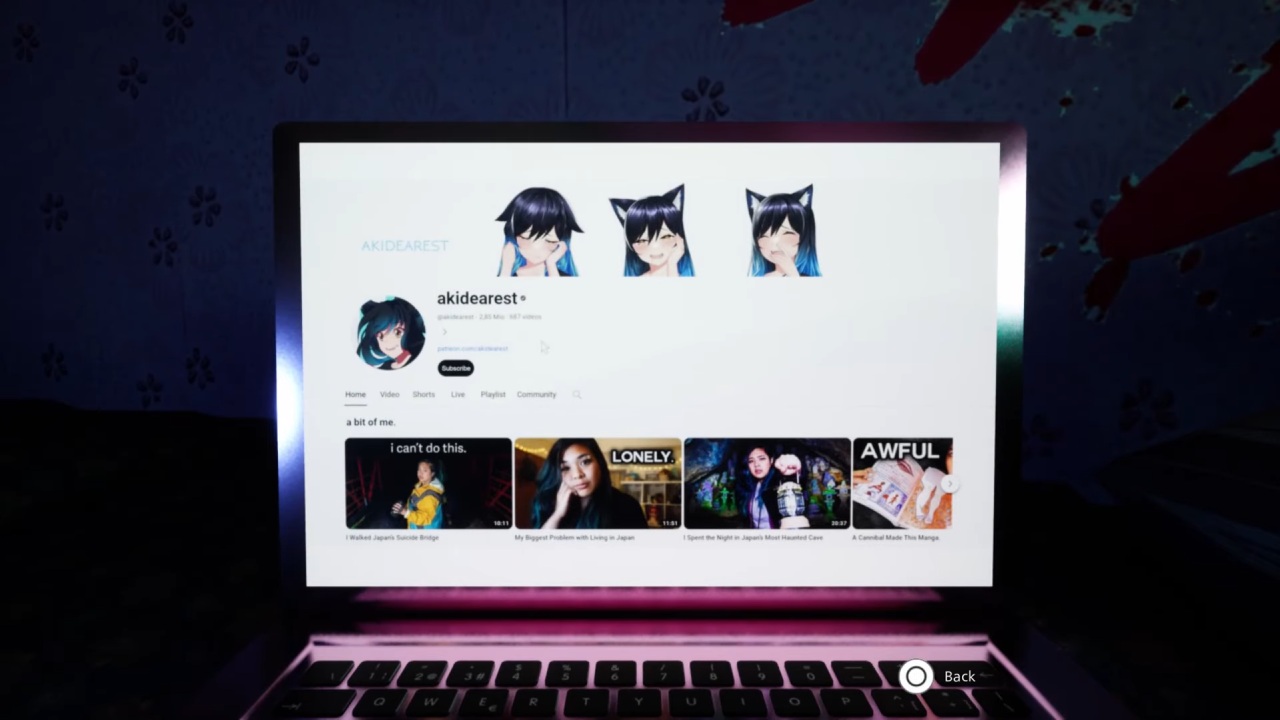
The movement is meant to be slow on purpose, making you feel vulnerable and making you accept the discomfort of your surroundings.
A big part is played by exploration. The environments are full of visual stories, from unsettling room layouts to items that stand for something in each space. Things that can be collected, like toys, records, and mysterious symbols, add depth to the story and make you pay close attention. These things aren't required, but they help put Anne's mental state in context and could change how the game ends.
There are times in the game when you can make decisions that affect Anne's emotional journey. For example, you can choose whether Anne forgives her abusers or gets payback. These choices support the main idea of healing vs. obsession, and even though they have a small effect on the plot, they give the character a sense of control over an otherwise linear experience.
There isn't a normal way to level up or grind XP. Progress is only linked to story progress and travel, which keeps the focus on the atmosphere instead of the mechanics. This choice fits with the game's themes, but it limits the types of games that can be played.
BrokenLore: UNFOLLOW doesn't have a lot of direct combat. Anne isn't built to fight back well, which makes her even more vulnerable. Most fights with enemies involve chases where staying alive rests on being able to find your way, being aware of your surroundings, and making quick decisions. Especially when sound cues show that something is close behind, these parts of the game are often the most exciting.
Most puzzles are pretty simple and involve finding things, unlocking paths, or interacting with things in the surroundings. That Anne's mind is broken is clear from the fact that some puzzles use strange or symbolic thinking. They help keep the pace steady between finding and chase scenes, even though none of them are very hard.
The idea falls short when it comes to consistency. Some early fights can feel shaky because the game's halls are small and hard to see. Also, the controls don't always work right during thrilling chases. Escape games can be annoying instead of exciting because of how fast they turn and how poorly they interact with each other.
Sometimes it's not clear whether failure is due to bad planning or problems with the way the machine works.
But things get a lot better in the late game. Some parts stop making threats all the time and choose to be quiet and alone instead, building stress by not being there when there is conflict. What these slower parts show is how effective reserve can be in horror. They show that mood is more important than shock value in this genre.
The pace of BrokenLore: UNFOLLOW is very uneven. When it's at its best, the sound design, lights, and feeling of being watched make you really scared. You can hear footsteps behind you, the music gets louder when danger is close, and the quiet stops being soothing and starts to hurt. These parts work really well and show how well the writers understand psychological tension.
But the game often takes away from this stress with too many jump scares. A lot of the time, loud noises and sudden visual shocks are used, which can turn fear into annoyance. Even though these times can be shocking, they don't always feel earned, and using them over and over again makes them less powerful.
The constant stop-and-start pace is the main problem. Just as things get really tense, the game often slows down for long stretches of reading and walking slowly. These quieter parts are necessary for sharing the story, but where they are placed can feel off, breaking the flow of the story instead of adding to it. As a result, the horror experience goes back and forth between being really creepy and being annoyingly inactive.
Even so, the scariest parts of the game stick with you longer than the worst parts. When UNFOLLOW tries to create an atmosphere instead of looking for reactions, it works in making you feel uncomfortable in a way that lasts.
BrokenLore: UNFOLLOW's visuals are great for setting the mood rather than showing off. Lighting is used to tell a story, and the harsh contrasts, deep shadows, and small safe areas all add to Anne's mental state. Environments feel suffocating and purposely unwelcoming, making even places you've been before feel aggressive.
The images of the characters and enemies stand out, especially because they show how Anne sees things instead of how things really are.
Monsters are over-the-top, distorted, and scary, and they represent mental trauma rather than just physical danger. Some places, especially later in the game, are striking because of how strange they look and stay with you. However, relying too much on darkness can sometimes hurt your game. Sometimes, important things get lost in the surroundings, which causes extra work to be done backwards. This adds to the drama of the story, but it can also make you test your patience.
One of the best things about UNFOLLOW is its sound creation. Noises in the background, echoes in the distance, and sudden quiet are all used to keep you on edge. When you come across an enemy, increasing sounds let you know, making your heart beat fast before you even see the danger.
The music knows when to be quiet and when to be loud. Silence can feel just as scary as loud chase music, and small things that make you feel uneasy, like a sudden phone ringing or a doll laughing softly, can make the feeling even worse. Audio is a very important part of controlling your feelings, and it can do more than just see something.
BrokenLore: UNFOLLOW is a game that is full of conflicts. In spite of its flaws, it is thoughtful but frustrating, scary but uneven, and sincerely sincere. It shows empathy while talking about bullying, being too focused on social media, and self-worth. Anne is a compelling main character whose problems feel painfully real.
The game has problems with its pace and controls, and relies on jump scares, but it also has real scary moments that stick with you long after the screen goes black. Even though it's not perfect, the experience is real and has a clear message, even if it doesn't always get across well.
Editor, NoobFeed
Verdict
BrokenLore: UNFOLLOW is a rough but emotionally powerful horror game with strong themes and a mood that moves too slowly. Even when its flaws make you angry, its best times stay with you.
72
Related News
No Data.