
Elden Ring Tarnished Edition Review
Nintendo Switch 2
FromSoftware's massive action RPG finally reaches Nintendo hardware, and the extra polishing has made a real difference.
Reviewed by Azfar Rayan on Aug 28, 2026
At one point, the idea of Elden Ring running on a Nintendo console would have sounded unrealistic. FromSoftware's 2022 masterpiece already pushed older hardware at launch, yet it became one of the most influential and widely praised games of its generation.
Now, more than four years after its original release, you can finally take that journey with you on Nintendo's latest hardware in Elden Ring Tarnished Edition. FromSoftware had already spent years building toward Elden Ring. The developer had refined its approach to action RPGs through games such as Demon's Souls and Dark Souls before expanding that formula into a much larger open world.
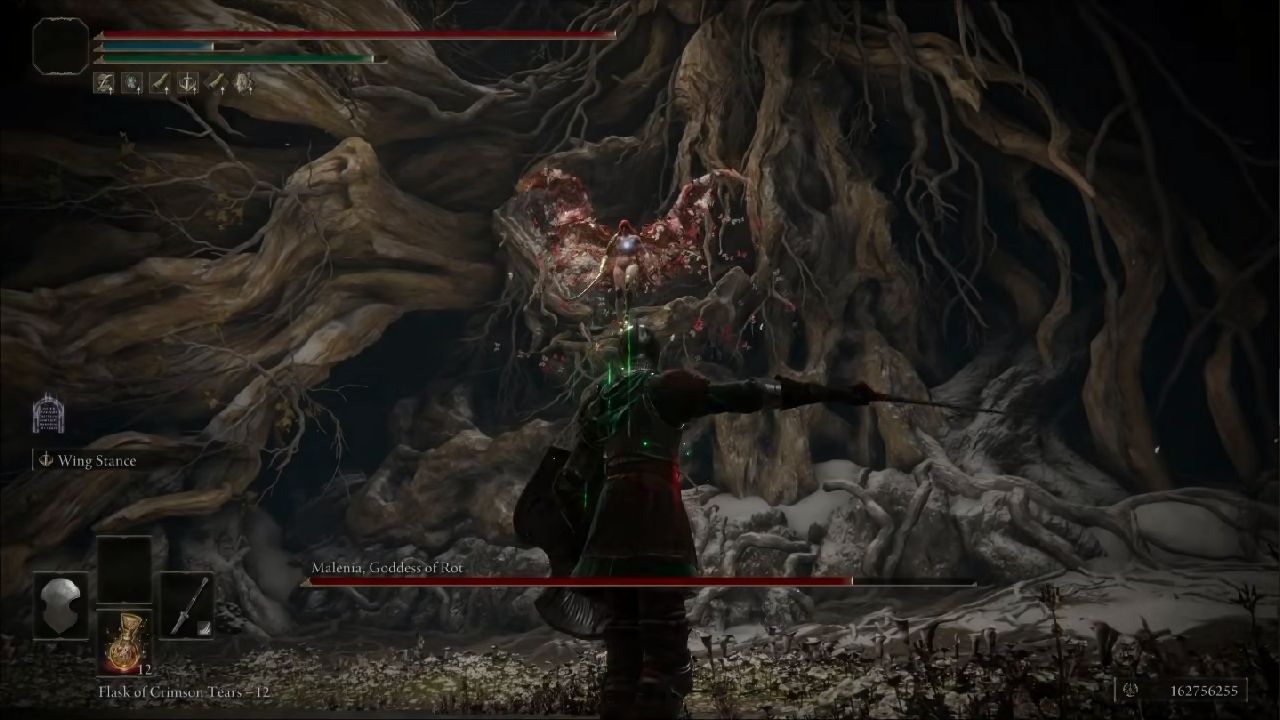
Elden Ring took those familiar ideas and gave you far more freedom in how you explored, fought, progressed, and built your character. The result became a game that had a noticeable impact on the wider industry.
The Switch 2 edition was announced alongside the console itself, but it took longer than expected to reach players. Earlier demonstrations showed performance problems, stuttering, and an overall lack of polish, making it clear the game needed more time.
Instead of pushing it out in that condition, FromSoftware delayed the release and continued working on it.
That extra development time appears to have been worthwhile. Elden Ring Tarnished Edition arrives as a surprisingly solid version of the game, bringing the base experience and Shadow of the Erdtree expansion to Nintendo players while also adding some Switch 2-specific content.
The basic premise remains exactly what you remember. You take control of a Tarnished who arrives in the Lands Between after being resurrected, with the eventual goal of becoming Elden Lord.
Of course, the journey toward that goal involves getting beaten senseless by enemies, discovering strange characters, wandering into places you probably aren't ready for, and gradually becoming strong enough to deal with the threats standing in your way.
That freedom is still one of Elden Ring's biggest strengths. You aren't forced to follow a strict path through the world. You can head across the map, explore hidden caves, discover weapons and items, follow quest lines, stumble across secrets, or simply ride Torrent around and see what you find. You can even head toward some of the toughest bosses in the game much earlier than expected.
For newcomers, that freedom can make Elden Ring feel considerably more approachable than some of FromSoftware's earlier games.
The difficulty remains, but you have more ways to deal with it. If a particular boss is giving you trouble, you can explore somewhere else, improve your character, find better equipment, experiment with a different build, or simply come back later.
You can also approach your character in plenty of different ways. You begin with one of several archetypes, but your starting class doesn't permanently lock you into a particular style. You can gradually shape your character around whatever playstyle suits you. Magic-focused builds are available, while other options let you concentrate on fast attacks, precise dodging, heavier weapons, or a mixture of different abilities.
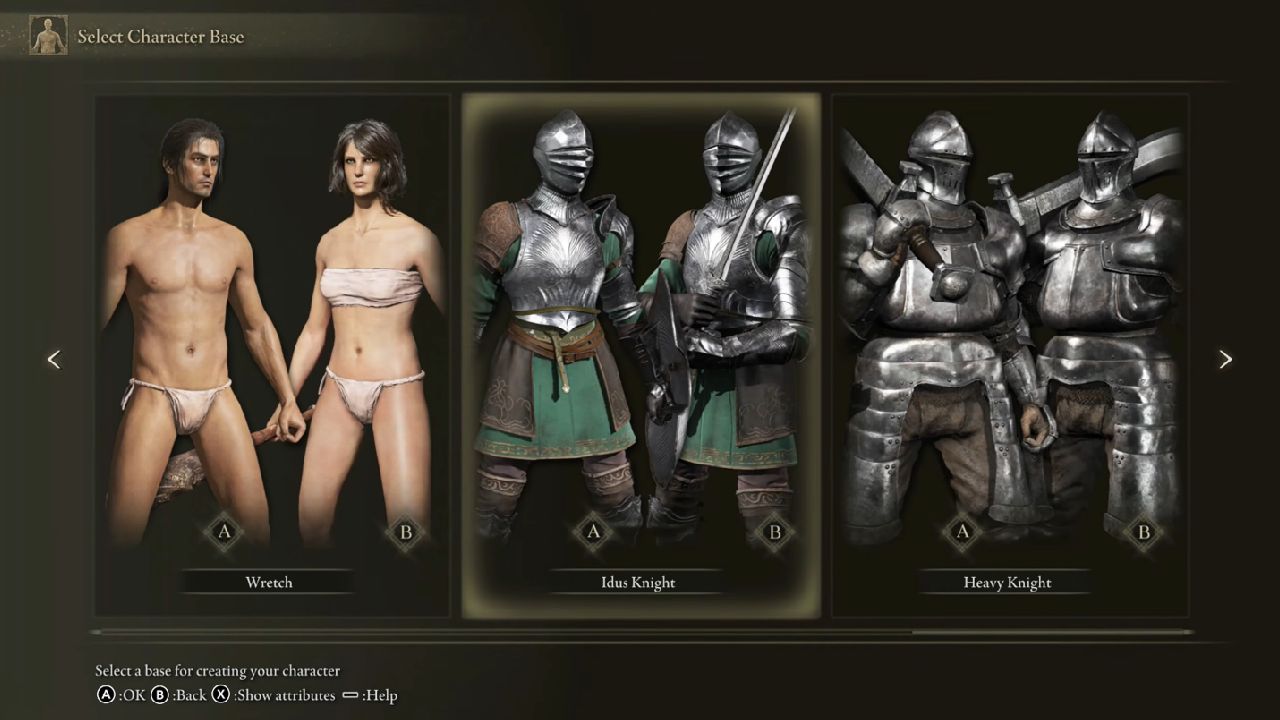
The Tarnished Edition adds two new character bases in the form of the Edith Knight and Heavy Knight. The Heavy Knight focuses on strength and endurance, giving you a more defensive style that lets you absorb punishment and deliver heavier hits when an opening appears. If you enjoy playing cautiously and waiting for the right moment to strike, it fits that approach nicely.
The Edith Knight is more about agility, mobility, and speed.
It also has better proclivities for Faith and Arcane scaling, leaving you more room to experiment with magic and other character builds. Both classes are meant to be starting options, not permanent limitations, so you can move in and out of these styles as you progress.
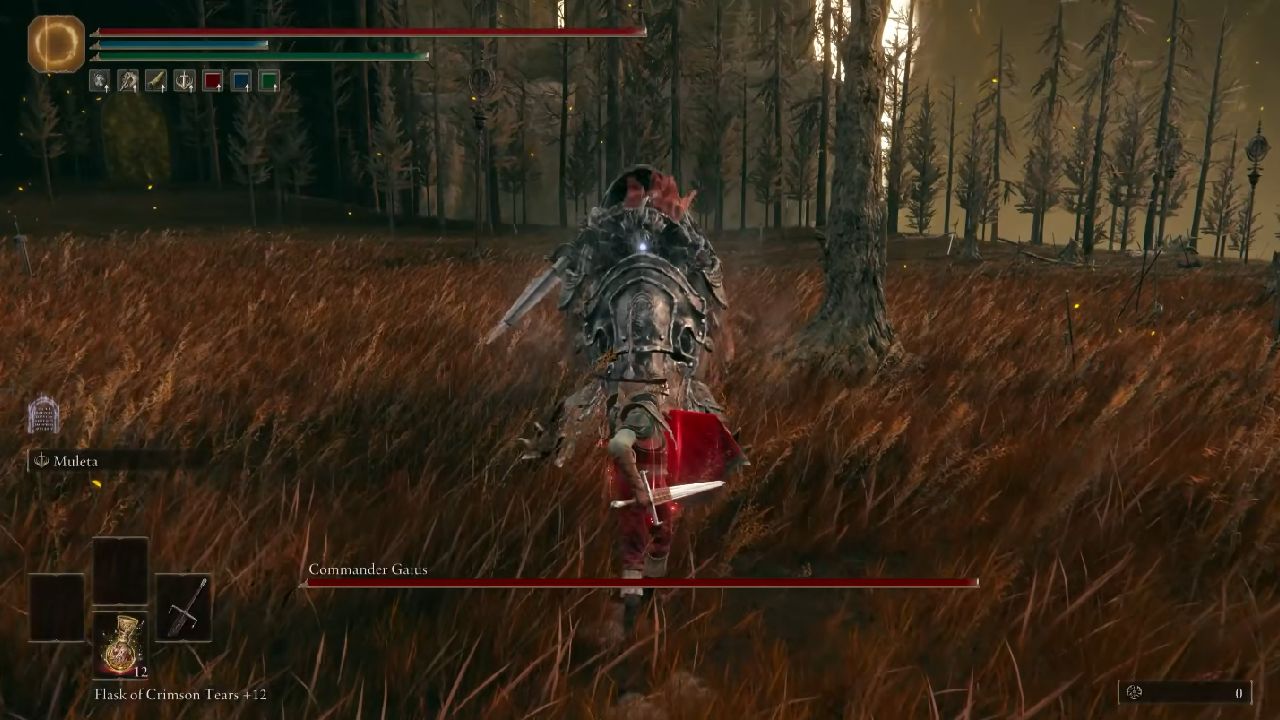
Elden Ring is still mostly about combat, and that combat still centers on patience, positioning, timing, and learning how enemies behave. You can lock onto enemies, dodge attacks, manage your equipment weight, and use different weapons and abilities. Your weight matters because it affects how fast you can move and dodge, so it's not just about having better numbers in heavier equipment.
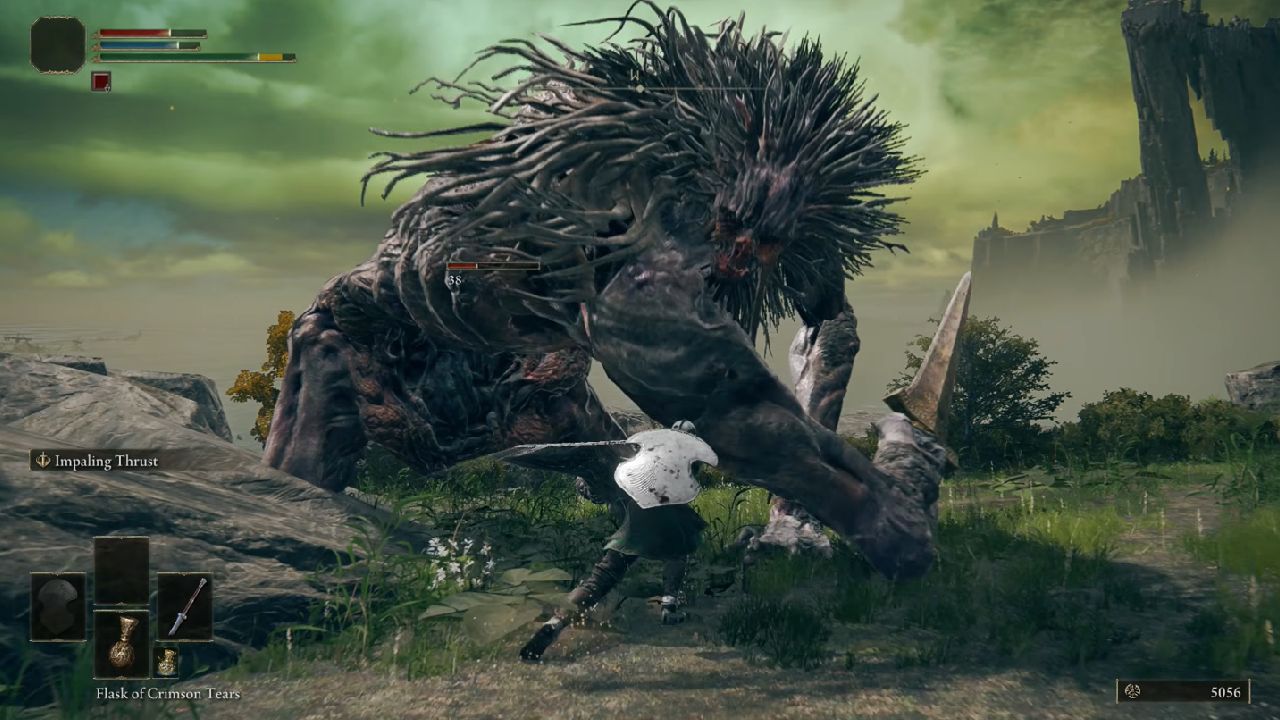
Large bosses can also be approached with summoned help, giving you another option when a particular fight becomes too much. The game's persistent online system supports both PvP and cooperative play, although you can turn off the online functionality if you prefer to experience the Lands Between alone.
The combat itself remains incredibly rewarding, although it can be unforgiving.
You need to learn enemy attack patterns, understand whenit's safe to attack, and accept that dying is part of the learning process. The game can overwhelm new players, but once you stop treating every death as a failure, the experience becomes easier to appreciate.
The Switch 2 hardware doesn't change the fundamentals of that combat, but it does affect how consistently the game runs. The frame rate isn't locked at 60 fps, which will matter to players who demand higher frame rates. The game generally runs at around 30 fps or higher, with occasional drops and stutters during more demanding moments, particularly in docked mode.
That said, the performance is far more stable than the troubled early demonstrations suggested. In handheld mode, the variable refresh rate helps mask some inconsistencies, making the experience feel smoother than the raw numbers might suggest. More demanding areas can still cause the frame rate to dip, but these issues aren't enough to undermine the overall experience.
Compared with the original PC release, the Switch 2 version is especially impressive. Elden Ring launched on PC in a rough technical state, and although subsequent patches improved things significantly, occasional performance problems can still appear. The Switch 2 version feels much more like a carefully prepared day-one release.
You can also expect the usual character progression system that makes Elden Ring's exploration worthwhile.
As you defeat enemies and collect runes, you can invest those resources into your character and gradually improve your abilities. Finding a certain weapon or piece of equipment configuration can really change the way you approach combat, and the stronger you get, the more freedom you have to explore areas that may have seemed out of reach before.
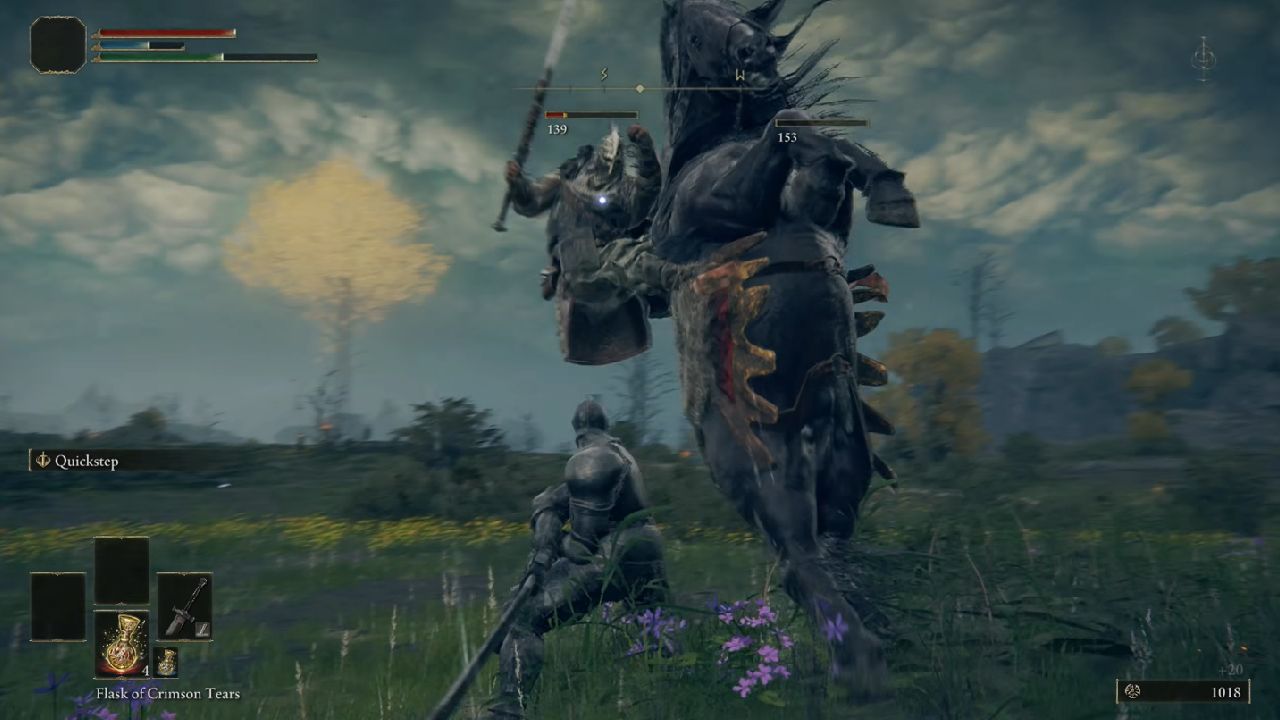
That progression works particularly well with the open-world design because you're never forced to spend all your time fighting the same enemies. If something is too difficult, you can simply move elsewhere and continue exploring. You can find equipment, gain experience, improve your stats, and return later with a stronger character and a better understanding of the fight.
The world itself remains the real star. The Lands Between is filled with enormous landscapes, hidden locations, caves, ruins, enemies, items, and characters. As you progress further into the game, the world seems to peel back another layer of itself. Places that look simple at first can lead to much larger areas, and far-away places that you could barely see before now become places you can actually go to.
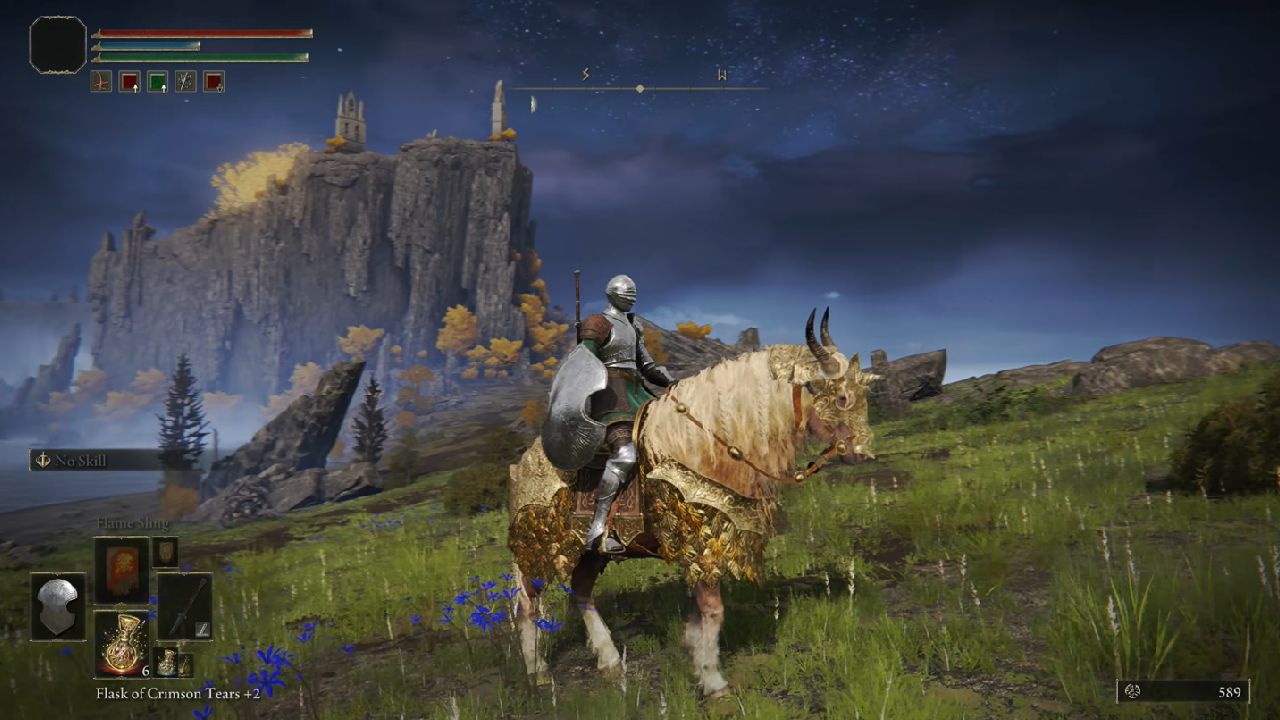
Torrent makes traveling through this huge world much easier. You can cover large areas quickly, and teleporters offer another way to travel between known locations. Instead of constantly pointing you toward the next objective, the game provides you with the tools to explore at your own pace.
The game also offers plenty of opportunities for experimentation.
If you know where to look, you can build a powerful build early on. Collect a weapon that suits your style or just go with the natural progression of the game. You don't have to go through everything in a set order, and that freedom is part of what makes Elden Ring so fun even after multiple playthroughs.
The Switch 2 version also includes Shadow of the Erdtree, the huge expansion that adds new areas, enemies, bosses, and challenges. Including the expansion means you're getting the complete Elden Ring package, not just the base game. There is a downside, though: the Switch 2 edition doesn't give you the option of buying the base game and expansion separately.
At $79.99 in the US, €79.99 in Europe, and £64.99 in the UK, the asking price is one of the hardest aspects to defend. The content is there, but you're still paying a premium for a game that has been available for several years. Players who already own Elden Ring on another platform have even less reason to rush out and buy it at full price.
For someone experiencing Elden Ring for the first time, however, the package makes considerably more sense. You get the original game, its massive expansion, new character options, additional armor sets, Torrent skins, and the convenience of playing it all on a handheld.
The Tarnished Edition also includes a few quality-of-life improvements.
New items can be marked in menus and inventory, making it easier to track what you've recently picked up. This is particularly useful because Elden Ring doesn't have a traditional quest log. These features can be turned off if you don't want them, and they have also been made available on the other versions of the game.
Visually, the Switch 2 version is impressive given the hardware it runs on. The game targets 1080p, and the presentation stays clear and sharp whether you're playing docked or handheld. There are some compromises compared with the more powerful consoles, including reduced vegetation density, slightly lower detail on distant objects, and reduced draw distance.
Those differences are difficult to notice unless you're comparing the versions side by side. You may see objects pop into higher levels of detail while moving quickly through the environment, but during normal play, the compromises aren't particularly distracting.
Character models remain detailed, textures are sharp, cloth physics continue to work nicely, and enemies retain the visual quality you would expect from Elden Ring. Water reflections and shadows are also handled well enough that they don't become obvious weaknesses.
The handheld screen actually helps hide some of the reductions. On a smaller display, the lower vegetation density and distant detail are much harder to notice. The visuals can sometimes appear softer due to the reconstruction techniques used, and environmental objects may occasionally shimmer or appear unstable, but these issues don't dominate the presentation.
.jpg)
Lighting is another area that can be inconsistent. Some locations can appear extremely dark, particularly in handheld mode. You can adjust the lighting and image settings to some degree, but it's not a full solution. This is one area that could have benefited from more focus on the port.
Accessibility also appears to be underdeveloped.
Elden Ring still doesn't let you increase the font size, even on new hardware, which can make some text hard to read. The world is big and important and needs more accessibility options. The port could be more welcoming. It supports HDR, which helps preserve the world's colors and overall tone.
HDR support helps preserve the world's colors and overall tone, which matters because Elden Ring has always leaned more on art direction than bleeding-edge tech for its visual appeal. All the grotesque enemy designs, imposing architecture, dramatic landscapes, lighting, and colors are here on Switch 2.
In terms of experience, the audio carries over well. Elden Ring's orchestral soundtrack pairs with its atmospheric sounds to create a constant sense of tension and scale. Weapon impacts sound appropriately brutal, and the environmental audio helps the world feel alive even when you are just traveling between locations.
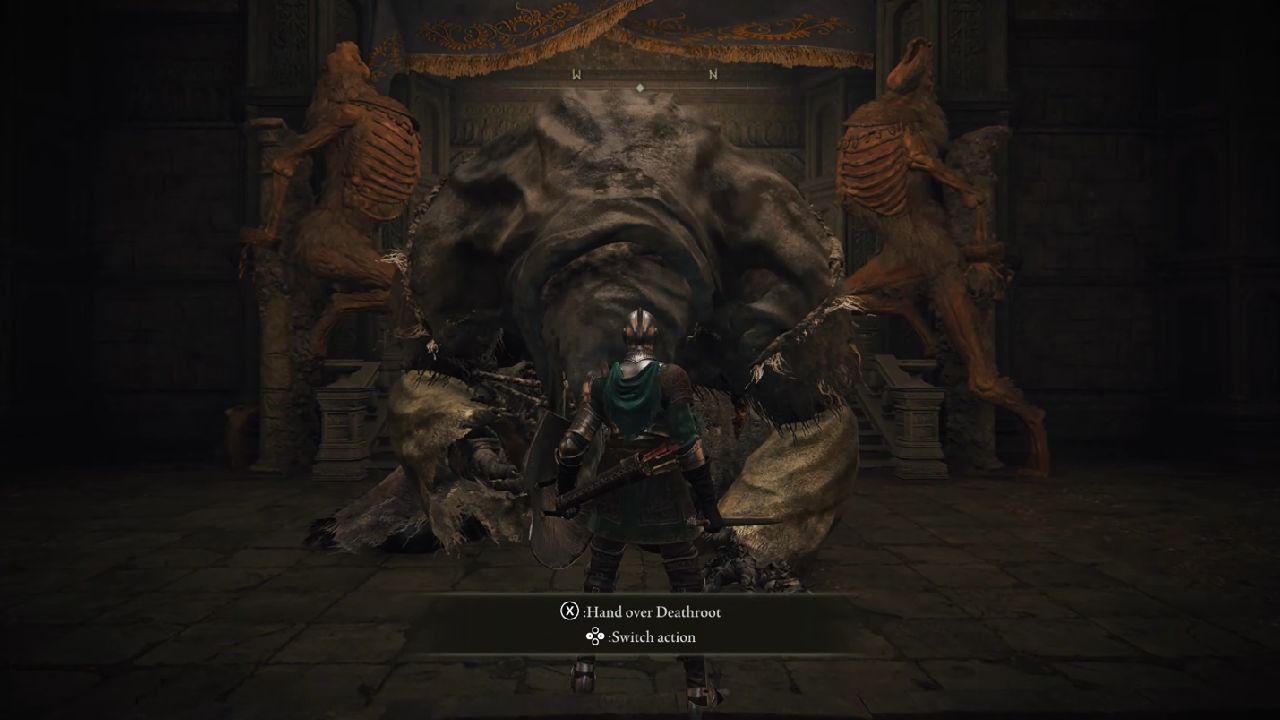
The soundtrack comes from five collaborating composers, shifting between melancholy and larger, more dramatic pieces depending on what you're doing. Boss encounters, in particular, benefit from the way the music rises into something much more imposing, giving those battles the sense of importance they deserve.
Controls are mostly straightforward on Switch 2.
There is no mouse mode or gyro support, although neither feels particularly necessary for this kind of game. The biggest issue is more practical: long handheld sessions can cause serious hand cramps during difficult encounters. A Pro Controller is easily the more comfortable option for longer sessions.
Controller responsiveness remains good despite the lower frame rate, though it can't quite match that of a 60fps version. That difference can matter during some of the tougher boss fights, where every small advantage helps. It also lacks a physical game card, which will disappoint players who prefer physical releases.
The price becomes harder to swallow when combined with that decision, especially for collectors hoping for a full cartridge release. Still, Elden Ring Tarnished Edition succeeds where it matters most. You get the full Elden Ring experience, including Shadow of the Erdtree, running surprisingly well on Nintendo's handheld hardware. The performance issues that plagued earlier builds are largely gone, and the game feels like it got the extra development time it needed.
If you've never played Elden Ring because you only had access to Nintendo hardware, this is finally your opportunity to experience one of the defining action RPGs of its generation. If you've already played it elsewhere, the portable format gives you a strong reason to return, although the full $79.99 price makes waiting for a discount the smarter move.
Elden Ring has always been a game built around discovery, experimentation, frustration, and eventually overcoming whatever seemed impossible the first time you encountered it. That hasn't changed here. The Switch 2 doesn't make the Lands Between any easier, but it does make it possible to take that journey with you in a form that performs much better than the early builds suggested.
The compromises are real, from reduced environmental detail and occasional frame-rate issues to dark lighting, limited accessibility options, and the lack of a proper physical game card. None of them, however, takes away from what makes Elden Ring special.
After years of waiting, Nintendo players finally have a version that feels worthy of the game.
Whether you're creating your first Tarnished or returning for another journey through the Lands Between, Elden Ring Tarnished Edition delivers the complete experience in a portable package that proves the Switch 2 can handle far more than its size might suggest.
Elden Ring Tarnished Edition is an impressive technical achievement and a strong way to experience FromSoftware's open-world RPG on Nintendo hardware. The performance is generally stable, the visual compromises are reasonable, and having Shadow of the Erdtree included gives you a huge amount of content.
The biggest problems are the price, lack of a physical game card, inconsistent lighting, limited accessibility options, and the fact that 60fps isn't on the table. For newcomers, though, this remains an easy recommendation, while returning players should consider waiting for a sale.
Senior Editor, NoobFeed
Verdict
Elden Ring Tarnished Edition brings the complete Lands Between experience to Switch 2 with solid performance and portable convenience. The price and a few technical compromises hurt, but the core game remains exceptional.
90
Related News
No Data.