
METAL GEAR SOLID: MASTER COLLECTION Vol. 2 Review
PlayStation 5
A more complete and meaningful collection that pulls together three very different pieces of Metal Gear history while taking yet another important step in the series’ ongoing preservation.
Reviewed by Tahmid Mahi on Aug 22, 2026
Metal Gear Solid: Master Collection Vol. 2 is more than just another collection of older games. Its biggest strength is how it brings together three very different experiences from across the series' history and presents them as one larger package.
Rather than focusing on a single era of Metal Gear, Metal Gear Solid: Master Collection Vol. 2 gives you a look at how the franchise evolved across home consoles, handheld systems, and different approaches to stealth, storytelling, and progression.
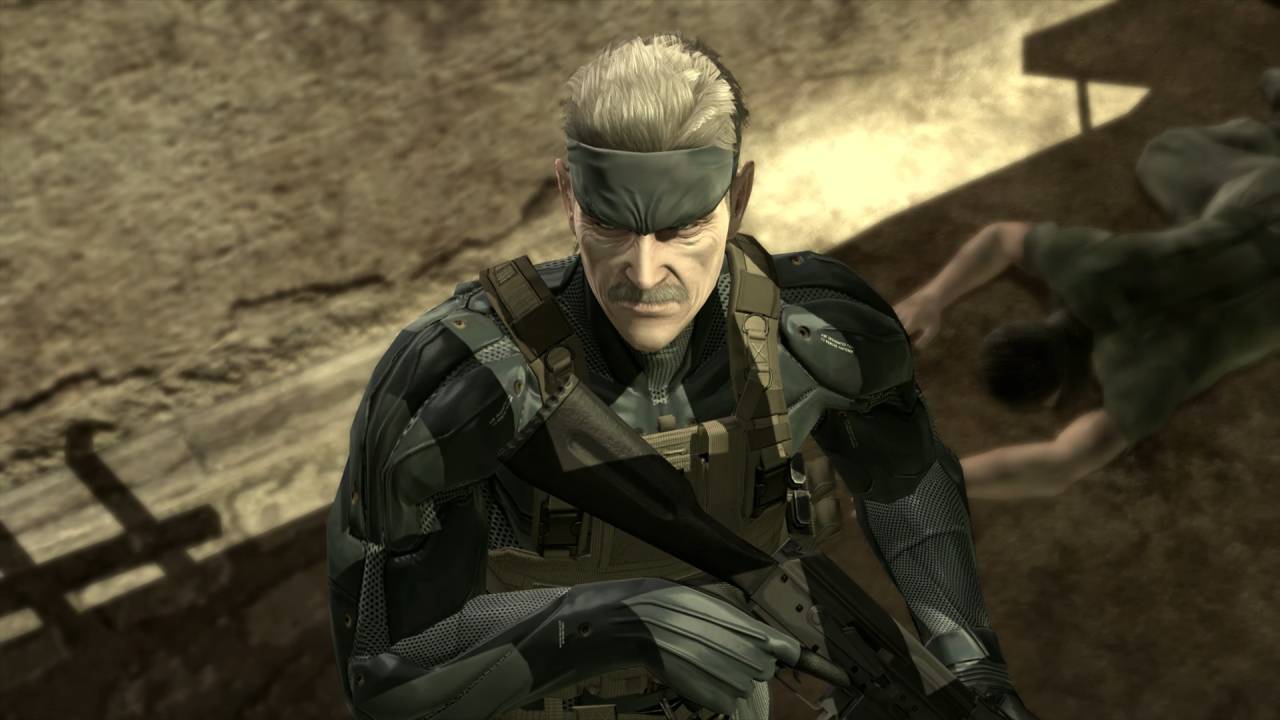
The collection follows the first Master Collection and includes Metal Gear Solid 4: Guns of the Patriots, Metal Gear Solid: Peace Walker, and Metal Gear: Ghost Babel.
On top of the games themselves, you also get a range of archival material, including screenplay books, master books, a database, and a digital soundtrack. That additional content is an important part of what makes the package feel like a collection rather than simply three older games being sold together.
Metal Gear Solid: Master Collection Vol. 2 also has a stronger emphasis on preservation. The three included games come from very different points in Metal Gear history, and each one represents a different version of what the series was trying to accomplish at the time.
One is a massive cinematic finale originally tied to a specific generation of hardware, another expands the series with portable missions and management systems, and the third shows how the Metal Gear formula could work within the limitations of a Game Boy Color.
That variety gives the collection a personality that goes beyond its individual releases. Moving between the games can feel like moving through different stages of the franchise's history, with each title offering its own take on stealth gameplay. You are not simply getting three versions of the same formula.
Instead, Metal Gear Solid: Master Collection Vol. 2 shows how flexible the Metal Gear concept can be when adapted to different hardware and game design styles. That variety makes the collection feel like a journey through the series' evolution rather than simply a bundle of older games.
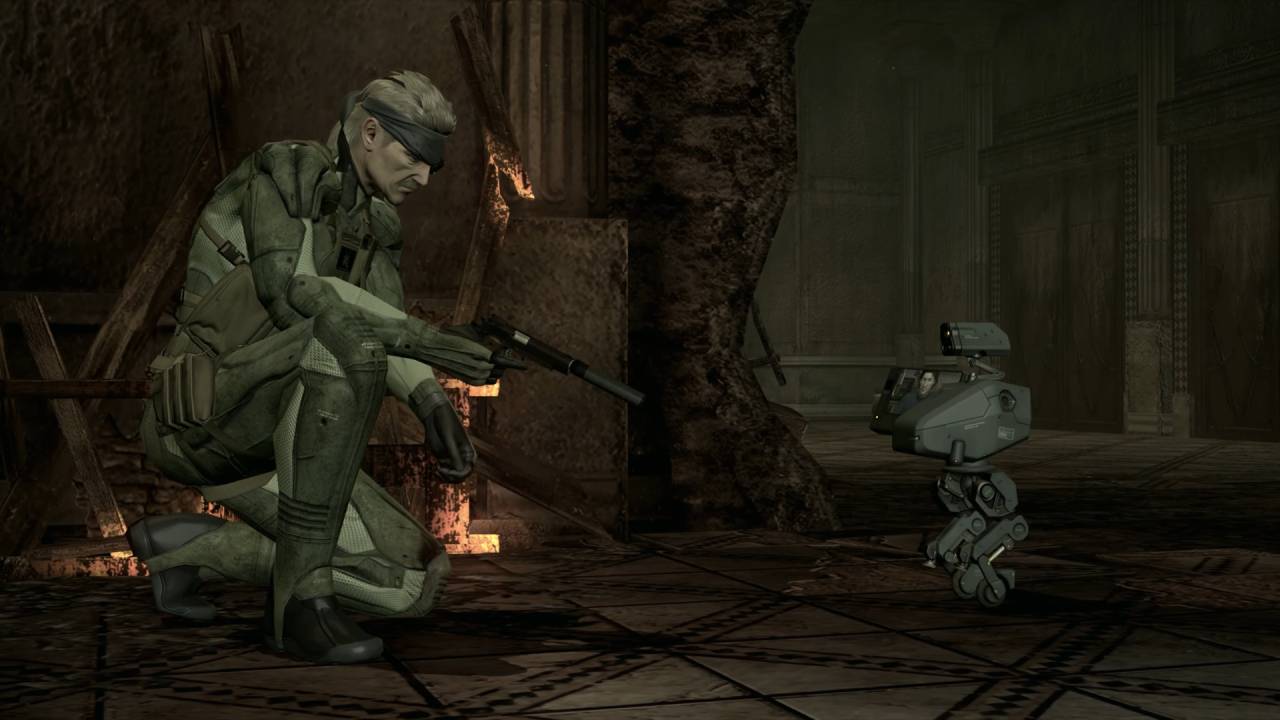
Metal Gear Solid 4: Guns of the Patriots is naturally one of the major attractions here, largely because it has finally escaped the PlayStation 3. Originally released in 2008, the game remained tied to Sony's console for years, making it increasingly difficult for newer players to experience.
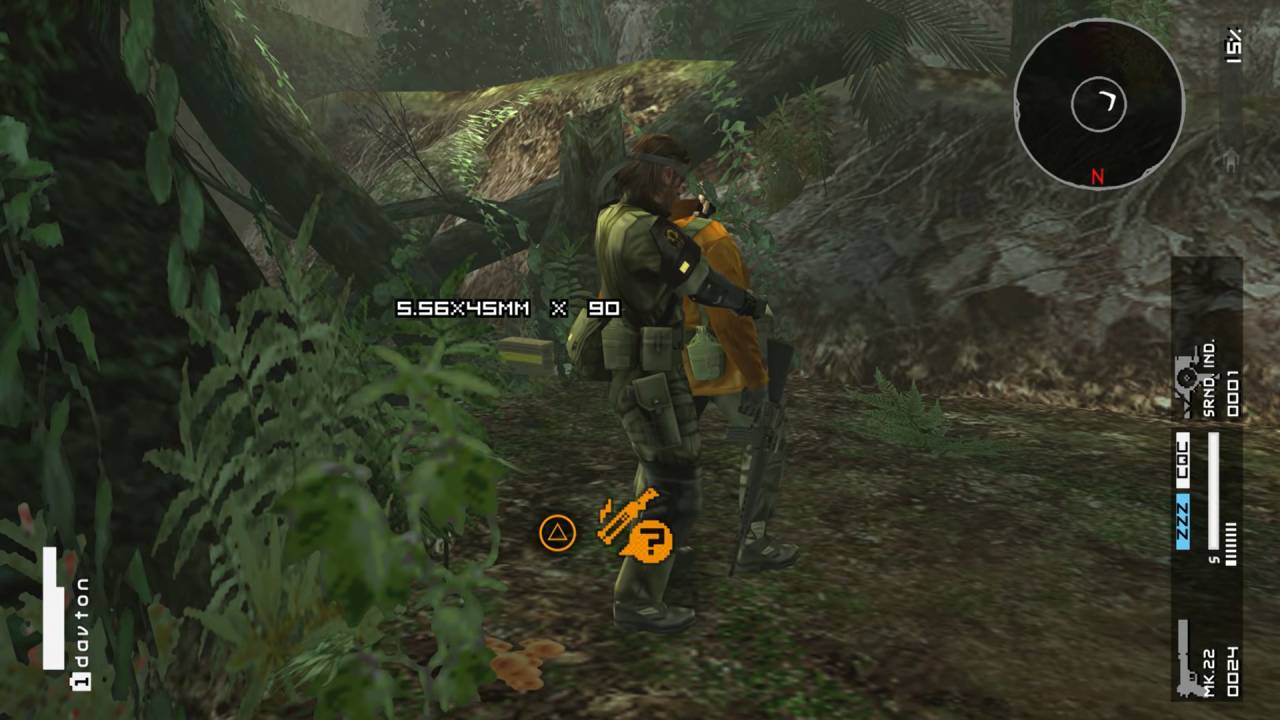
Its inclusion is therefore a major preservation achievement for the collection, even if the game itself still carries many of the design choices and storytelling habits of its original era. Those elements can feel dated at times, but they also preserve the game's original identity rather than reshaping it for modern audiences.
You play as an aging Solid Snake in a world where warfare has become heavily commercialized.
The story is filled with returning characters, references to previous games, explanations of old events, and moments designed for longtime fans of the series. It is an enormous and often excessive conclusion to a large part of the Metal Gear story, but that is also what makes it such a memorable part of the package.
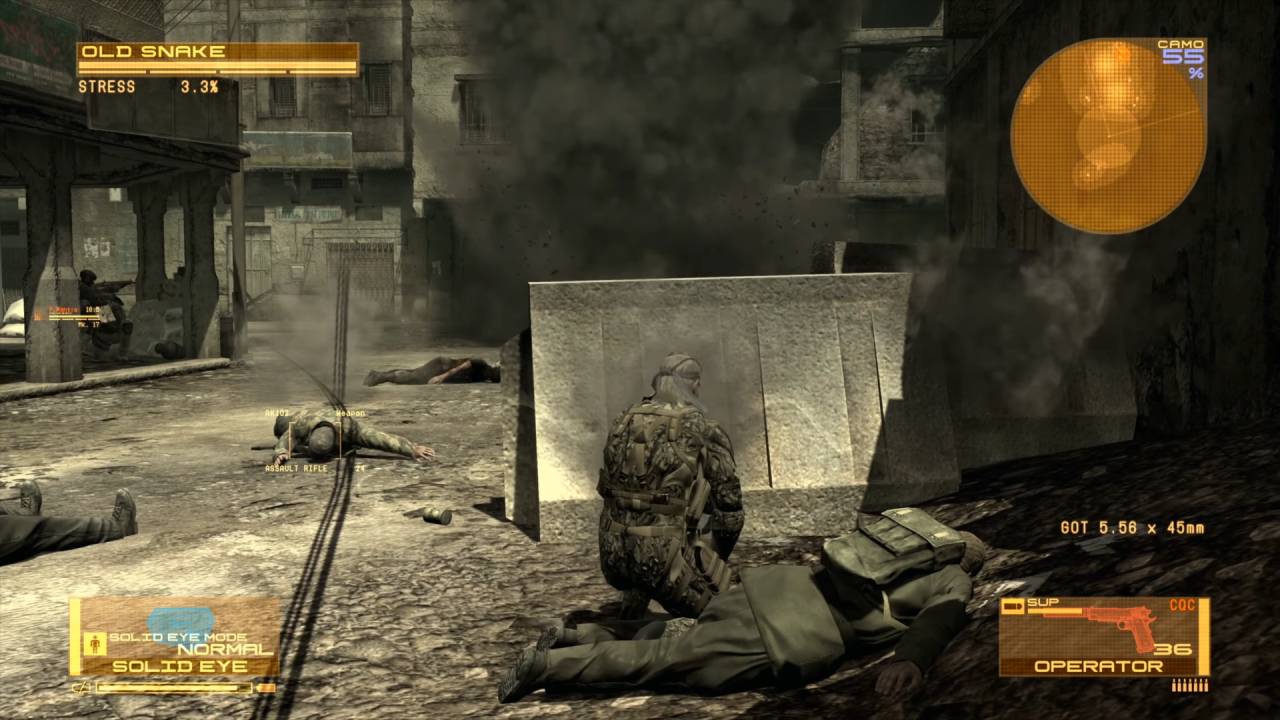
The gameplay gives you a large amount of freedom when approaching different situations. You can sneak through environments, use cover, distract enemies, knock them out, or abandon stealth entirely and start shooting when things go wrong.
Some of its most compelling moments drop you into active battlefields, where different factions fight around you and the environment itself becomes part of the stealth experience. This creates a more unpredictable and dynamic approach to infiltration.
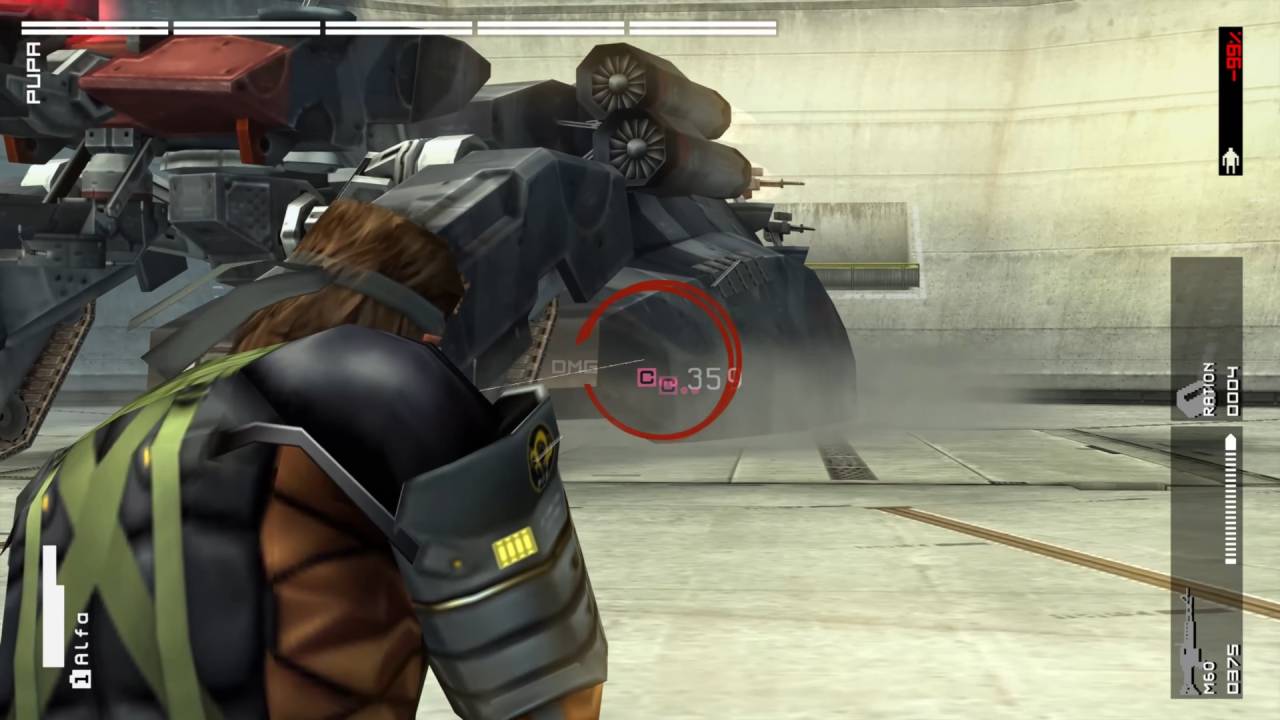
However, Metal Gear Solid: Master Collection Vol. 2 is not defined by that one game alone. Peace Walker gives the collection an entirely different structure and approach. Originally designed for portable play, it has missions divided into smaller sections, making it easier to complete objectives in shorter sessions.
Peace Walker also places much more emphasis on long-term progression. Instead of simply moving from one story mission to the next, you gradually build and develop your military organization, recruit personnel, improve your resources, and unlock new equipment. This gives the game a distinct management feel and encourages you to keep doing missions, even if they are not part of the main story.
And that is why Peace Walker is so important for METAL GEAR SOLID: MASTER COLLECTION Vol. 2, because it adds another layer to the whole package.
The collection is not simply offering three stealth games with different stories. It offers different ways to engage with the Metal Gear formula. One game focuses heavily on cinematic storytelling and player freedom, while another encourages you to build an organization and gradually expand your available resources.
Then there is Metal Gear: Ghost Babel, the smallest game in the collection and one of its most interesting inclusions. Originally released for the Game Boy Color, Ghost Babel takes the ideas behind the older Metal Gear games and adapts them into a compact handheld experience.
Its gameplay is naturally much simpler than the other two games, but simplicity works in its favor. You move through compact environments, avoid guards, position yourself carefully, and work through increasingly challenging situations.
Considering the limitations of the original hardware, it is impressive how much of the series' core identity fits into such a small package. It indicates that the Metal Gear formula could still fit within the confines of a handheld system.
The three games also highlight how differently stealth can work within the same franchise. Metal Gear Solid: Master Collection Vol. 2 gives you everything from large environments and active battlefields to smaller mission-based objectives and compact, carefully designed areas. Each game asks you to think about positioning, enemies, equipment, and the best way to approach a situation, but they do so through very different structures.
That difference is one of the collection's biggest strengths. Playing through these games together gives you a clearer sense of how the series has changed over time. The core ideas remain recognizable, but each game presents them in significantly different ways.
The collection also benefits from having three entirely unique progression systems.
There is no traditional XP system across the package; each game handles progression according to its design. You unlock and gain access to more equipment, develop resources, experiment with different approaches, and gradually gain more options as you continue playing.
Peace Walker is particularly strong in this area because it focuses on developing your organization. Completing missions does more than simply move the story forward. It expands your available resources and gives you reasons to revisit different activities. That creates a stronger sense of long-term progression and helps the collection avoid feeling like a series of disconnected older games.
Visually, Metal Gear Solid: Master Collection Vol. 2 also has to deal with the fact that these titles were originally released on very different hardware. The collection does not try to completely rebuild them into modern games, and that is probably the right approach. Instead, the presentation focuses more on making them accessible on modern platforms while preserving their original identities.
The games naturally look very different from one another. One comes from the PlayStation 3 era, another retains the presentation of its earlier HD release, and Ghost Babel keeps its Game Boy Color look with modern display options such as screen filters and pixel-focused settings.
That approach works particularly well because Metal Gear Solid: Master Collection Vol. 2 feels like a historical collection. These differences are part of the experience. You can clearly see the technological and design changes between the games, and smoothing them out would arguably remove some of what makes the package interesting in the first place.
The bonus material also deserves attention. Screenplay books, master books, databases, and the digital soundtrack add extra value for players who are keen to explore the history and lore behind the games. This material helps make the collection feel more complete and gives longtime fans something to dig into beyond simply replaying the games.
That archival focus is one of the most important aspects of METAL GEAR SOLID: MASTER COLLECTION Vol. 2.
The package is clearly trying to preserve more than just the games themselves. It also includes surrounding material that helps explain their characters, stories, timelines, and wider place within the Metal Gear series. This makes the collection more historically significant for longtime fans and newcomers alike.
Of course, the collection is not perfect. Each game still shows its age in different ways, and those differences become even more noticeable when you play them together. Some storytelling can be extremely exposition-heavy; certain controls and design decisions reflect the era in which the games were made, and the portable origins of Peace Walker are still visible in its structure.
But those issues are also difficult to separate from the collection's purpose. This is not a package built around remaking the past. It brings together games that represent different stages of Metal Gear history and makes them available again. The result is not always seamless, but it is considerably more engaging because of that variety.
Metal Gear Solid: Master Collection Vol. 2 succeeds because it works as a collection first. Its greatest strength isn't simply that one previously inaccessible game is now available on modern hardware, or that Peace Walker and Ghost Babel have been included alongside it.
The real appeal comes from seeing all three games together and understanding how differently the Metal Gear formula could be interpreted across different generations. It also shows how the series has evolved while still retaining many of its core concepts.
One game offers a massive, cinematic experience, another mixes stealth with missions and organization management, and the third distills the series' core ideas into a small handheld adventure. The additional books, database, soundtrack, and archival material help tie those experiences together and give the package a stronger sense of purpose.
For longtime fans, METAL GEAR SOLID: MASTER COLLECTION Vol. 2 offers nostalgia, preservation, and a convenient way to revisit several important parts of the series.

For newer players, it offers a chance to explore games that represent very different stages of Metal Gear's evolution without having to track down older hardware. It also makes these important entries much more accessible for anyone experiencing them for the first time.
Konami has not completely rebuilt these games, and the collection still carries some of their original limitations. However, that does not take away from what Metal Gear Solid: Master Collection Vol. 2 accomplishes. Those limitations are part of the package’s effort to preserve these games while making them more accessible on modern platforms.
By bringing together three distinct experiences and supporting them with archival material, Metal Gear Solid: Master Collection Vol. 2 feels like a much broader celebration of the series rather than a simple re-release of individual titles.
Editor, NoobFeed
Verdict
Metal Gear Solid: Master Collection Vol. 2 is a valuable preservation package that brings together three very different chapters of the series, with strong variety, archival extras, and a clear appreciation for Metal Gear's history
80
Related News
No Data.