
Metroid Prime 4: Beyond Review
Nintendo Switch 2
A long-awaited follow-up that mixes the mood of the original Prime with big new ideas, sometimes beautifully and sometimes unevenly.
Reviewed by Nusrat Choity on Dec 02, 2025
Metroid Prime 4: Beyond is the next game in one of Nintendo's most popular sci-fi series. It comes out after more than a decade of silence, doubt, and changes behind the scenes. Developed by Retro Studios—the original creators of the Prime trilogy—the game marks the long-promised continuation of Metroid Prime 3: Corruption from 2007.
This sequel has all of the series' famous traits: atmospheric exploration, quiet storytelling, a lot of information about the environment, and combat based on accuracy and discovery. However, Metroid Prime 4: Beyond is not happy to just repeat the same themes as its predecessors. It tries to do something bigger, more creative, and riskier with its structure than any other Prime game.
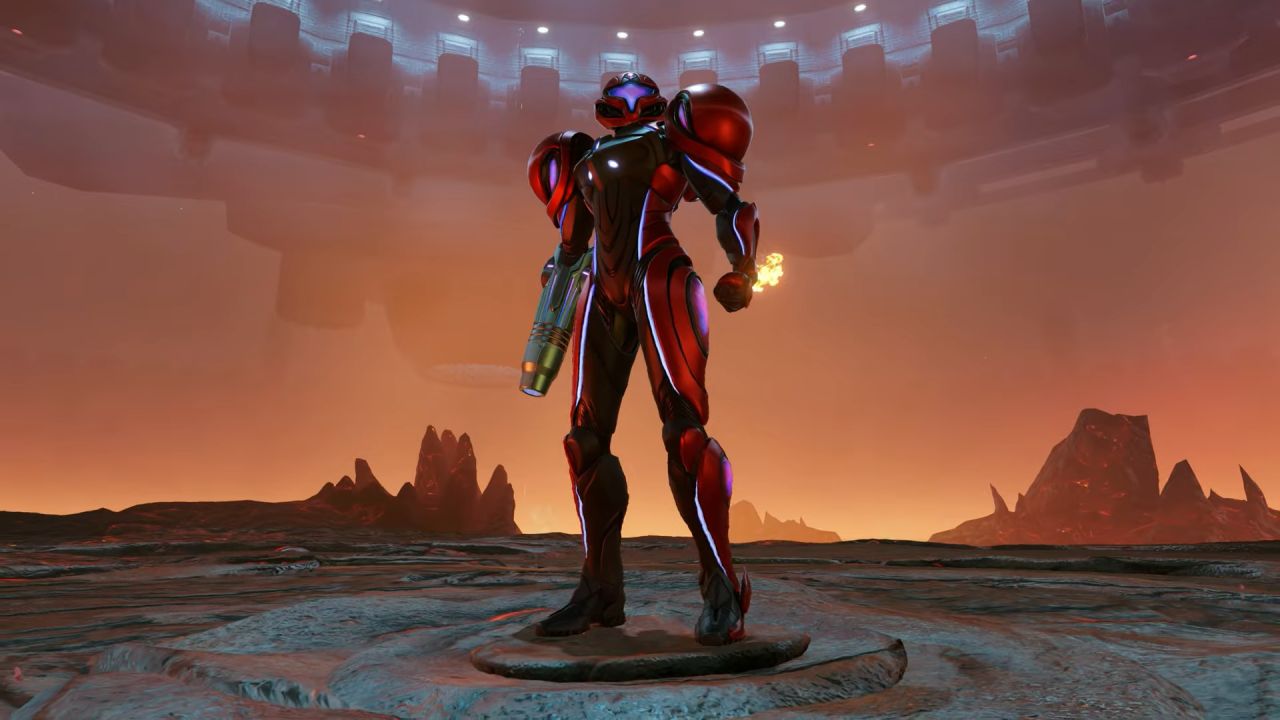
The game stays true to its roots while also going in new directions by combining open-world elements with episodic "dungeon-like" zones, more character interactions, and new psychic abilities. This method creates a mixed experience that is interesting, bold, and sometimes uneven, but at its core, it is still clearly a Metroid game.
The tone of the story changes dramatically at the start. Metroid Prime 4: Beyond doesn't start with Samus quietly descending into a deserted alien ruin. Instead, it starts with a full-scale battle between the Galactic Federation and space pirates led by Psyux, a character who has been a part of the series' history but has never been the main character.
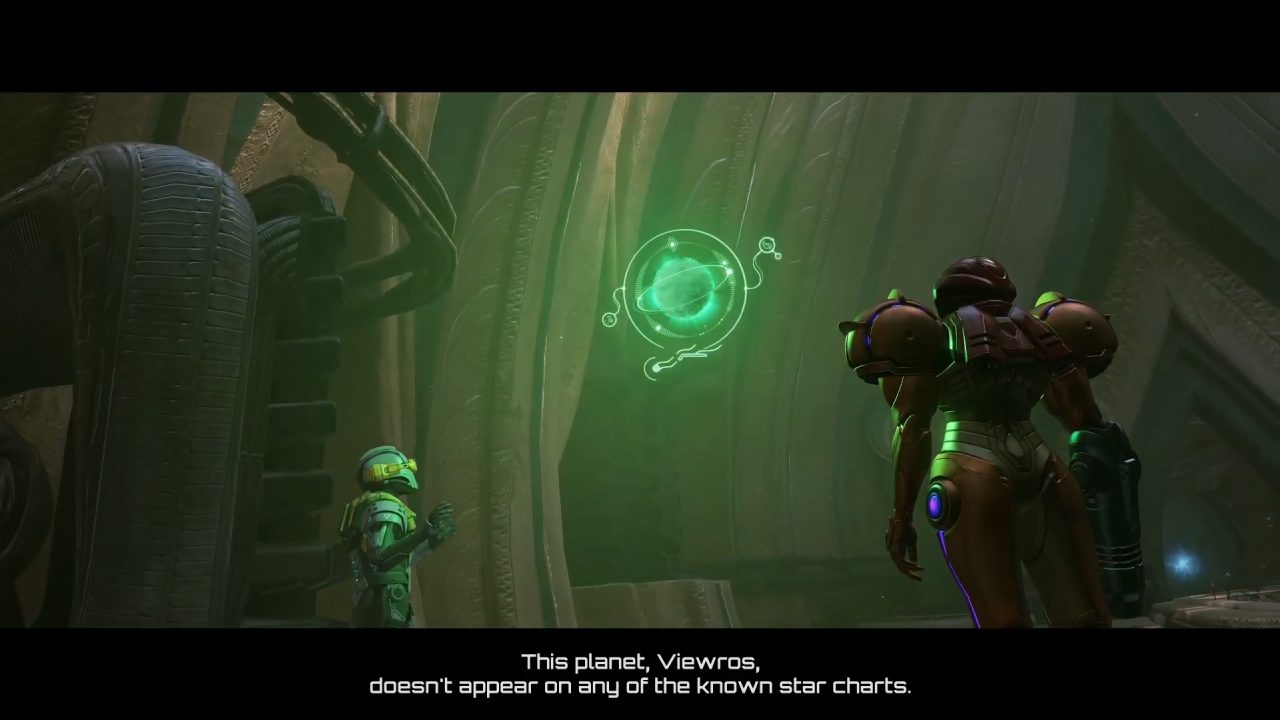
During the clash, the Federation attempts to protect an ancient relic of immense power. When the artifact violently awakens, it sends Samus, other Federation members, and even pieces of technology to Viewros, a dying world that used to be home to a psychic species called the Lemon.
It's beautiful in Viewros, but no one lives there anymore, so it's very empty. For their last wish, the Lemons left behind memories, technologies, and a memory fruit. They wanted the "chosen one" who would receive their psychic crystal to carry it away through their master teleporter and keep their culture alive. The main goal of the story is to restore the memory fruit and get out of the world at the same time.
On Viewros, Samus finds Federation workers who are stuck, strange signs of pirate activity, and environmental recordings that show the Lemons' sad end.
The game's sad mood gets worse as you learn what happened to the species and how the Metroids have started merging with local animals in horrifying, parasitic ways. Throughout these threads, Psyux serves as a looming antagonist, shaping many of the battles across different zones. The story tries to find an odd balance between keeping Metroid's characteristic isolation and giving the main character more chances to interact with other characters. These characters tend to fall into familiar military archetypes, but their appearances help anchor the story without overshadowing the mysterious world.
While the additional cast may not always enrich the emotional depth, the core story—of history lost, worlds dying, and ancient species pleading for remembrance—carries a melancholy weight that resonates.
The structure of Metroid Prime 4: Beyond represents its most significant evolution. Instead of traveling between planets, you are confined to the single world of Viewros. It's a huge desert that connects five main biomes, which are like the "dungeons" in the game, and is a lot like Hyrule Field from the original "The Legend of Zelda."
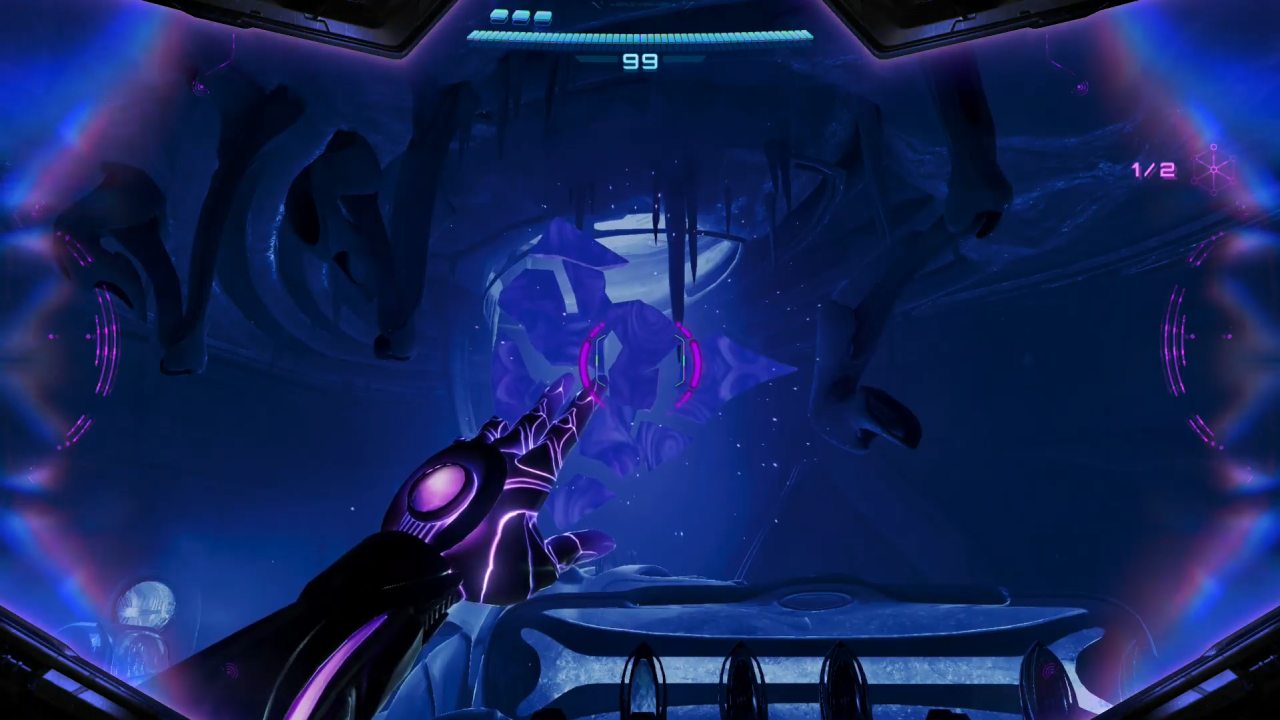
These major regions—icy wastelands, volcanic corridors, lush ruins, industrial complexes, and more—house the traditional Prime loop: exploration, scanning, environmental puzzles, and rewarding upgrades. Each biome ties into both narrative progression and free-form exploration, offering new movement abilities, weapons, and psychic tools that open inaccessible paths within earlier areas.
The Viola is a motorcycle that looks like Tron and is powered by Lemon technology. It makes getting around Viewros easier. Initially stiff but eventually intuitive, it allows quick movement across the open desert, though the world is deliberately sparse. The emptiness enhances the feeling of a dying world but also results in extended stretches of travel that may feel unnecessary, especially with the lack of a true fast-travel system.
The Lemon crystal adds psychic physics, clever takes on well-known tools. Shoots with charged energy are guided through tight curves by the psychic control beam. The mental bomb can be used with energy motes and old tools. These features make it easier to solve puzzles and scan without losing focus on the surroundings.
The map design cleverly blends linear clarity with optional backtracking. While you are rarely lost for long, there are dozens of secrets hidden within crevices, cliff sides, abandoned structures, and nearly invisible tunnels. The layout feels like a synthesis of Metroid Prime 1's isolation, Prime 2's complexity, and Prime 3's cinematic encounters.
The psychic mechanics shine brightest in puzzle creation.
Many tasks involve steering energy, aligning ancient devices, or combining classic tools like the Morph Ball with Lemon tech to start long-dormant machinery. While most of the puzzles in the game are smart and fun, the psychic bomb task has a few steps that can feel awkward. Over time, the mechanics become second nature, but the flow could have been better if they were simpler.
There aren't as many puzzles in the open desert, but some of the most powerful extra upgrades are often hidden there. These parts are best explored slowly and carefully, which fits perfectly with the series' overall tone.
Combat is responsive and polished, with great performance on the Switch 2. Lock-on aiming is still important, but enemies often dash and move in unpredictable ways, so you have to change your aim by hand even when you're locked. This is the right mix of being easy to use and showing off your skills.
The psychic powers give you more ways to play, and the new enemies, especially those that look like horrified Metroids, make sure that the battles are always unpredictable. Some segments feature squad-based encounters where stranded Federation members fight alongside you. Even though these parts make the game more exciting, they can also be frustrating because when allies die, missions can fail quickly, especially near the end when the difficulty level goes up.
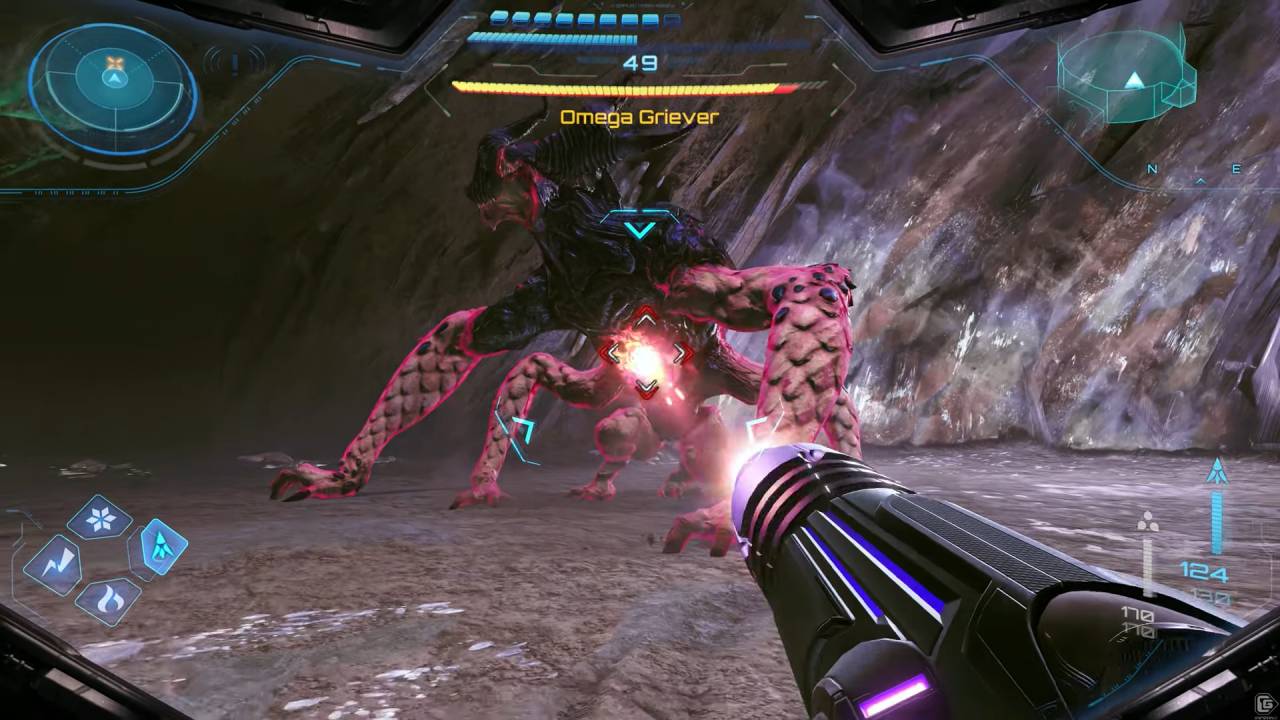
The fights with bosses are some of the toughest in the whole Metroid series. Each boss has both classic flaws and new psychic mechanics. This makes the multi-phase fights feel epic and well-thought-out. Their designs, which often include Metroid growths that attach to other enemies, are both striking and disturbing.
Metroid Prime 4: Beyond does not use a traditional XP system but adds a form of meta-progression tied to restoring the Lemon memory fruit. A meter slowly fills up as you pick up green psychic orbs that are spread out in the desert. This meter fills up very slowly, though, and moving naturally through task zones might not give you enough to meet the endgame requirement.
At this point, the experience starts to feel like grinding—wandering around in the desert to find crystals. Even though it's not too hard, it slows things down, which might feel strange because Metroid usually speeds up as the ending approaches. The rest of the journey is typical of Metroid games: upgrades lead to new paths, and new paths lead to even more upgrades. Exploration is always rewarded.
Metroid Prime 4: Beyond has some of the most beautiful graphics I've ever seen on a Nintendo machine. Some textures in the world, like plants, metal grates, and faraway ground patterns, can look rough, but many places have stunning detail.
Some of the most beautiful places that Retro Studios has made are the frozen lab in the Ice Belt and the peaceful Lemon architecture.
The rendering of Samus's new suit has been greatly improved, and close-up shots now show more complex layers, reflections, and textural depth. The dark and atmospheric lighting often adds to Viewros's beauty as a lonely place. Even when the open world doesn't seem very big, the stories its environments tell and the way it looks make up for it.
With creepy synths, deep echoes, and simple ambient tones, the music stays in the same gloomy style as the Prime series. Sounds vary from icy silence to the rumble of a volcano in each area. The battle sounds are very loud, which makes the enemy screeches and energy blasts feel strong.
The soundtrack does a good job of supporting the sad mood, especially in scenes that show the Lemons' past. Character voices are fine, but Samus's silence makes the difference in dialogue scenes stand out more, so people talk to each other a lot through tone rather than words.
The concept of Metroid Prime 4: Beyond is ambitious, risky, and sometimes confusing. Metroid Prime-style exploration is mixed with open-world travel, more character interaction, episodic zone progression, psychic mechanics, and squad-style fighting to make a game that is both familiar and daringly new.
Not all ideas work out. It can be too empty in the open desert. The grinding for mental crystals slows down the pace. It's hit or miss how NPCs connect with you. The choices made by the save method feel limited. And some features add extra complexity that isn't needed.
But Metroid Prime 4: Beyond has some of the best moments in the whole series when it plays to its strengths: atmosphere, exploring, puzzles, scanning, environmental storytelling, and unforgettable boss fights. It takes the Prime identity to new places while staying true to its core, even if the trip isn't always smooth.
It's a messy masterpiece that was made out of desire, family history, and a clear love for the Metroid world.
Contributor, NoobFeed
Verdict
A brave but uneven change to the Prime formula—beautiful, atmospheric, and highly rewarding, even though it makes some experimental mistakes. At its best, it hits all the high points of the series while clearly paving the way for Samus's future.
94
Related News
No Data.