
Minecraft Dungeons II Review
Xbox Series X|S
Mojang expands its blocky ARPG with an interconnected world, deeper builds, and the Sift, but its thin endgame keeps the adventure from reaching its full potential.
Reviewed by Azfar Rayan on Sep 29, 2026
Minecraft has never struggled to give you things to do. The original game's appeal comes from its endless possibilities, whether you are building a massive structure, exploring caves, fighting mobs, or simply wandering around to see what you can find. That makes Minecraft Dungeons an interesting spin-off because it takes that familiar world and turns it into an action RPG.
The first game launched in 2020 with a much more streamlined approach, taking inspiration from games such as Diablo while stripping away much of the complexity normally associated with the genre. Instead of freely exploring the Minecraft world, you selected individual missions, fought through enemies, collected loot, and returned to the hub to improve your character.
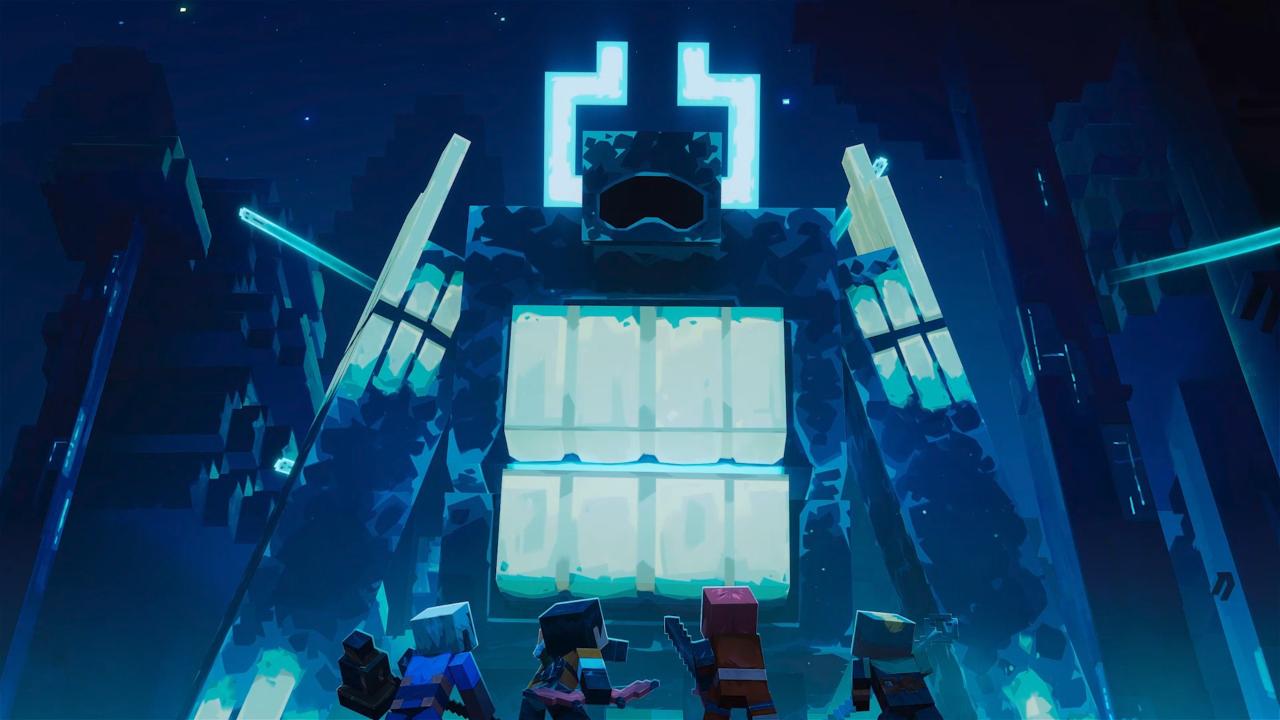
Minecraft Dungeons II follows the same basic idea but expands almost every part of that formula.
Mojang and Double Eleven moved away from the first game's level-by-level structure and introduced a semi-open, interconnected world. You can now travel between different areas, encounter villages and NPCs, discover side quests, enter dungeons, and eventually travel into the new Sift dimension.
That makes Minecraft Dungeons II a more ambitious sequel than its predecessor. You can spend about 20 to 25 hours on the main story, side content, and various activities, with plenty of weapons and armor to collect along the way. The problem is that Minecraft Dungeons II has a noticeable difference between the quality of its first playthrough and what comes afterward.
The story begins when the Illagers discover a portal leading to another dimension known as the Sift. On the other side is an unusual little Echo Golem carrying a soul block, which the Illagers quickly exploit. They harvest the power contained within the block and use it to strengthen themselves, eventually forming the Illager High Council.
Your role is straightforward. You need to stop the invasion, protect the settlements under attack, and eventually uncover more about the Sift and the power the Illager High Council is using. The story does not try to become a major emotional adventure, and that is probably for the best given the game's lightweight approach.
The problem is that it often feels too thin, with characters rarely getting enough dialogue or personality to make you care. Much of the characterization comes through narration rather than conversations between memorable individuals, which makes the world feel less personal than it could.
The main objectives also follow familiar action RPG patterns.
You travel somewhere, defeat enemies, collect something, find keys, rescue villagers, or return an item. These objectives work well enough alongside the game's exploration, but they rarely make the story itself feel particularly exciting. You mostly move from one location to another, dealing with whatever enemies are in your way.
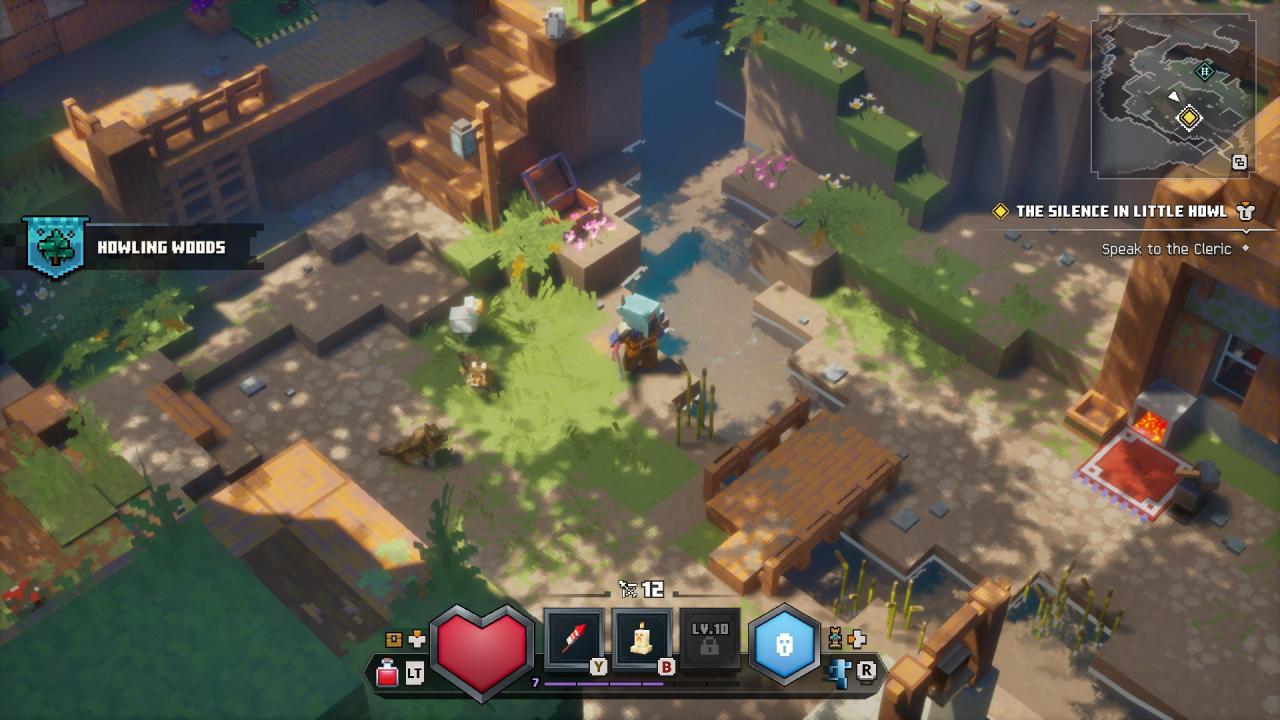
Still, the interconnected world helps the narrative feel more like an actual journey than the first game did. You no longer simply select a level from a menu and are dropped into an isolated mission. This structure makes your progress through the world feel more connected, with each location and encounter naturally leading into the next part of the adventure.
The most significant change in Minecraft Dungeons II is the interconnected world. Instead of selecting individual stages from a map, you can physically travel through the Overworld and move between different areas. You can walk through grassy plains, forests, snowy regions, caves, settlements, and other locations while encountering enemies, animals, NPCs, side quests, dungeons, and other activities.
It also makes backtracking more engaging. As you move through the story, new side quests can appear in places you've already been. You can return to those areas, complete more quests, and earn rewards that help your character level up. Villager outposts are also where you can meet NPCs, upgrade your gear, and manage your gear.
The other big addition is the Sift. You eventually gain access to another dimension, almost like a connected world, as the story goes on. It has its environments, enemies, friendly creatures, NPCs, quests, dungeons, and bosses. The Sift has its own atmosphere and enemy types, making it feel like a different place rather than just another biome. You are free to explore it, and activities are dotted throughout the dimension.
Besides open-world exploration, there are more structured activities in dungeons and rifts.
Dungeons send you through enclosed areas filled with enemies before eventually putting you against a boss. Rifts perform a similar role but are tied to the Sift and feature different enemies and encounters. Both activities let you collect equipment and find enchantment books. Some areas also introduce light platforming and jumping sections, which is a welcome change from the first game's more limited movement.
Your character progression centers on equipment rather than traditional classes. You can use melee weapons, ranged weapons, armor, talismans, and artifacts, and multiple equipment slots give you more room to build. Armor is expanded considerably compared with the first game, where you had far fewer options. You now have four armor slots, and each piece can carry special effects and enchantments.
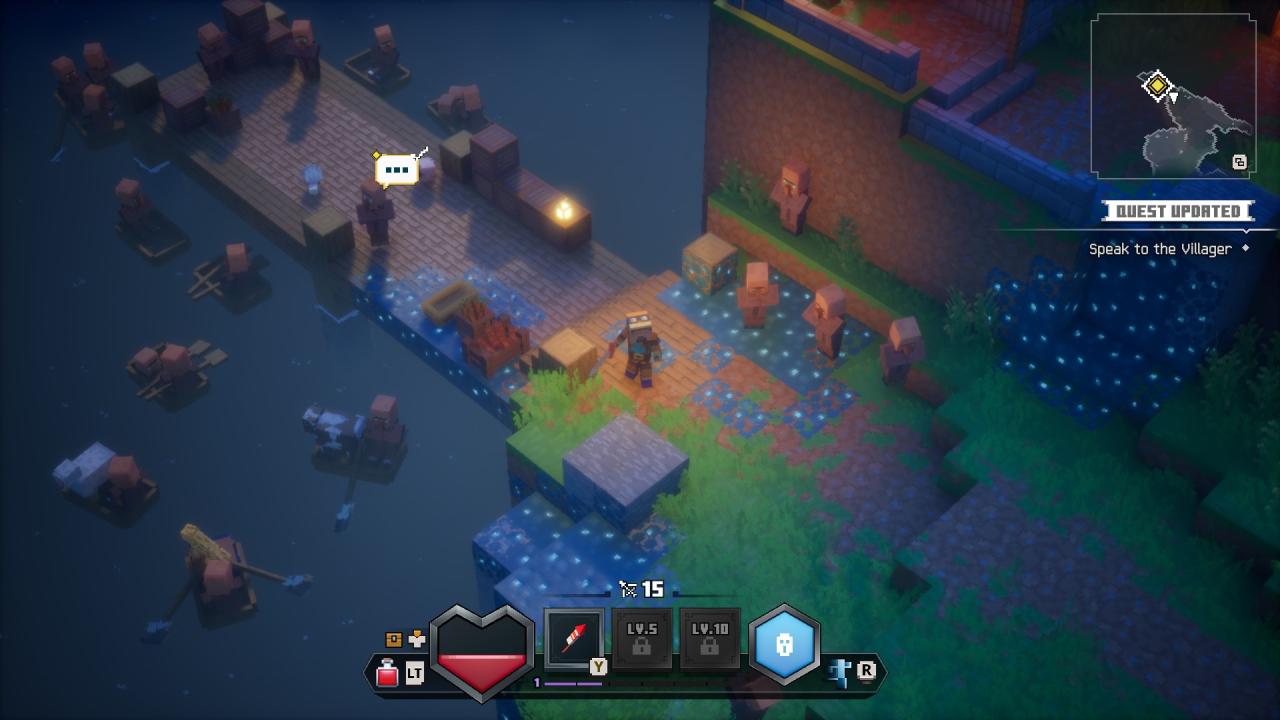
The equipment system also lets you keep using the items you like. If you find a powerful, unique weapon or piece of armor early in the game, the blacksmith can upgrade its power using emeralds, keeping it relevant as your character levels up. Enchantments add another layer of customization.
You can find enchantment books through activities, spend enchantment points on equipment, and later remove those enchantments when you decide to change your setup. That flexibility makes experimenting with different builds much easier than it was in the first game.
Combat remains the heart of Dungeons II, and the basic formula is straightforward to understand.
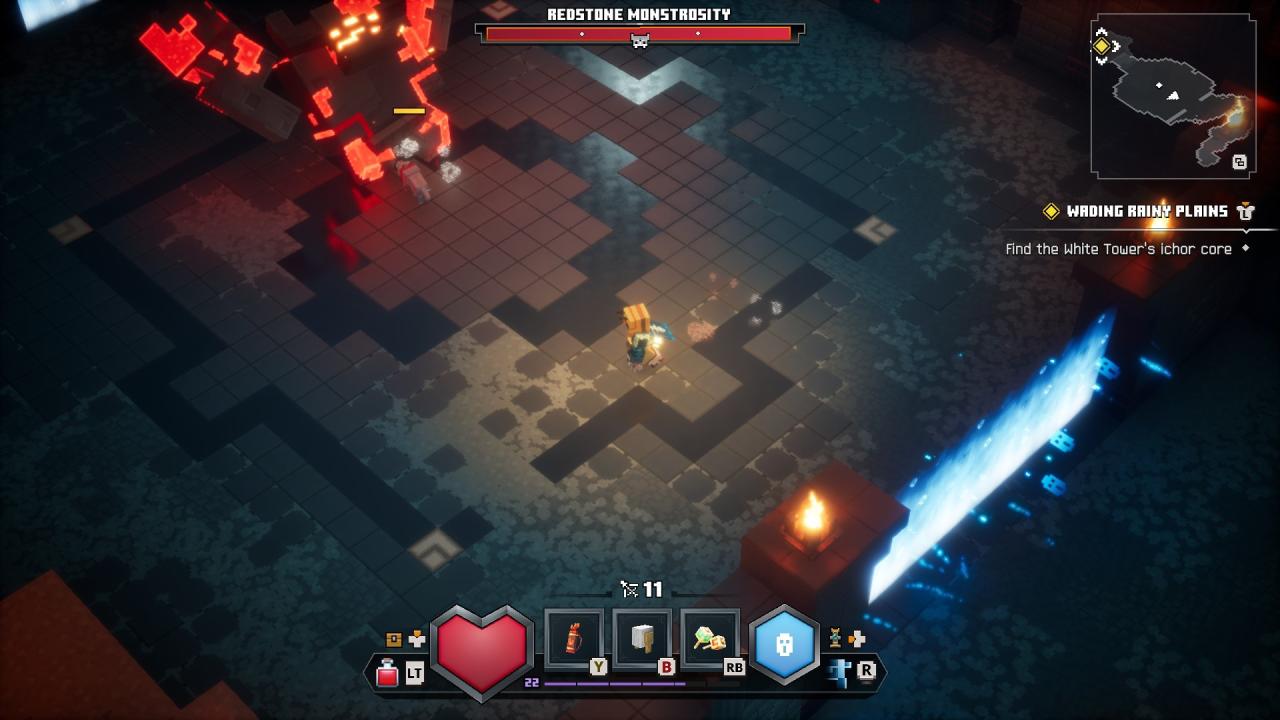
You move through areas, attack groups of enemies, dodge incoming attacks, use artifacts, and combine your equipment effects to create a build that suits your preferred style. Melee weapons let you fight up close and deal damage directly. Ranged weapons allow you to attack enemies at a distance. The sequel also adds jumping, which creates some simple platforming opportunities and gives movement a little more freedom.
Combat gets more engaging once you start combining equipment effects and enchantments. You can create builds around ranged attacks, elemental damage, healing, defensive abilities, or combinations of these. Artifacts can also affect how you deal with groups of enemies. Some skills can cause area damage; others provide defensive or utility effects.
But there are some failings. Ranged combat can feel inconsistent when enemies are at different elevations or partially obscured by the environment. You can see an enemy's shadow but not its body, so your attacks may miss or hit the environment. Sometimes dodging can feel unresponsive, which is frustrating when avoiding an attack is all about timing.
The lack of traditional classes also limits how different characters feel. Everyone has access to the same basic movement and weapon systems, so your build largely depends on the equipment you happen to collect. That can be exciting when the right items appear, but it can also work against you.
If you want to create a specific type of character, you may spend much of the game finding equipment that supports that idea. Minecraft Dungeons II eventually gives you enough customization to make unusual builds work, but the journey toward that build can depend heavily on random drops.
Progression is closely tied to loot, enchantments, and experience.
As you advance, you earn enchantment points to purchase items, and better gear allows you to take on more powerful enemies. There are four main rarities of loot, each with different levels of special effects. Unique equipment has its own identity and additional effects. There are tons of weapons, armor pieces, and enchantments to collect.
However, the endgame does not make enough use of that progression. Soul Storms are introduced as a major post-story activity, but they can get repetitive because there are limited reasons to repeat them once you have done them several times. Minecraft Dungeons II gives you powerful equipment to collect, but it doesn't offer enough difficult encounters that demand those stronger builds.
That is particularly disappointing because the build system can be genuinely enjoyable. You can create unusual combinations that make your character dramatically stronger when the equipment and enchantments line up. A potion-focused defensive build, for example, can give you additional healing, stronger defensive effects, faster cooldowns, and more ways to restore your soul resource.
On the visual side, Minecraft Dungeons II does a decent job of converting Minecraft’s recognizable blocky style into a more detailed action RPG. The familiar visual identity is still there, but the environments have a more subtle depth and atmosphere than you might expect. You notice the lighting, especially when you are passing through caves or watching the world change from day to night.
The Overworld has a lovely variety of locations, from forests and grassy areas to snowy landscapes and darker underground environments.
There are animals such as sheep and foxes roaming the world, which gives the areas a bit more life besides the enemies waiting for you. The Sift is the visual standout, with its unique color palette, bizarre creatures, soulful environments, and strange structures giving the dimension its identity.
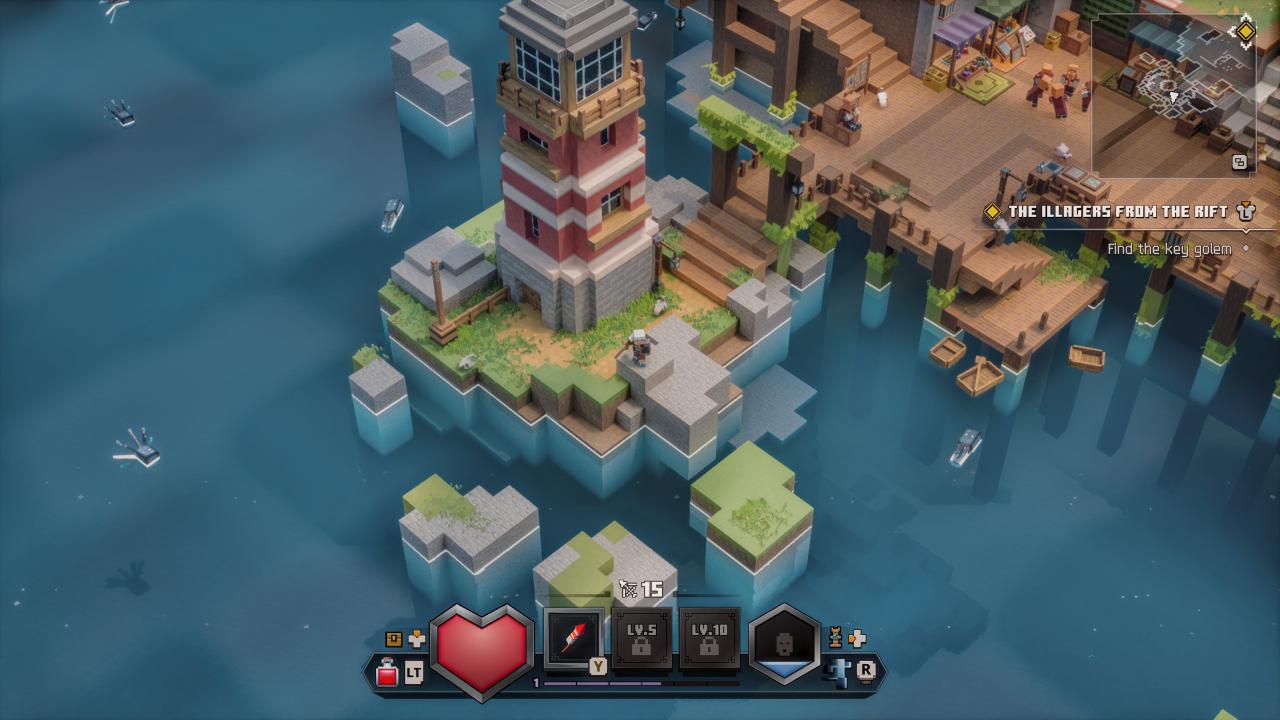
The sound design maintains the usual Minecraft feel while keeping combat encounters energetic. Minecraft Dungeons IIe features action through enemy attacks, weapons, abilities, environmental effects, and boss encounters. The whole presentation isn’t aiming for a dramatic, cinematic experience, but it does fit the game's lighter tone.
Minecraft Dungeons II is a strange sequel because, while it fixes many of the things that were missing from the original, it still doesn’t address one of the biggest issues an ARPG can face: giving you a reason to keep playing after the main adventure is over.
The connected world is an obvious upgrade, and the Sift gives the sequel a fresh setting that’s different enough to justify its existence. The expanded equipment system also offers much more freedom, especially when you are experimenting with enchantments, talismans, artifacts, and different gear combinations.
Minecraft Dungeons II is at its best on the first playthrough. Discover new locations, find new gear, face new enemies, undertake side missions, enter dungeons, and finally experience the Sift. There is enough variety to keep things engaging, and the systems are simple enough that you do not have to spend hours learning complicated skill trees to understand the game.
The problem appears once that journey ends.
Your character still has plenty of equipment to collect, but there aren't enough meaningful challenges to justify it. Soul Storms provide something to do, but they do not fully solve the problem. You need harder dungeons, tougher bosses, and more meaningful endgame rewards and activities that encourage you to keep improving a character rather than just starting another playthrough.
That weakness is even more noticeable because the core combat and build systems are fun. You can create surprisingly powerful builds, and the equipment system gives you plenty of room to experiment. When you finally put together a combination that works exactly how you want, you can feel the impact immediately.
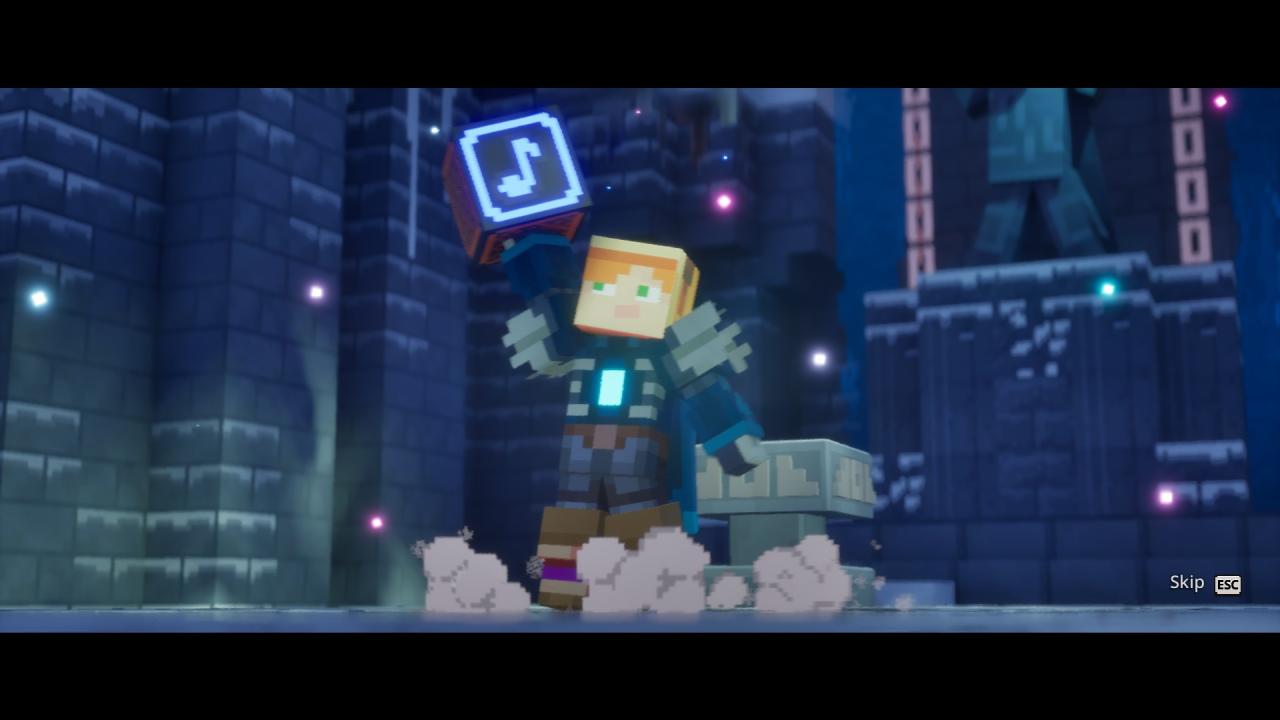
Minecraft Dungeons II ultimately feels like a much stronger foundation than a finished long-term ARPG. The sequel takes the original's straightforward formula and gives you a larger world, more customization, a new dimension, additional activities, and more ways to approach combat. At the same time, it leaves much of that potential sitting unused once the story is over.
If you approach Minecraft Dungeons II as a cooperative action RPG that can provide a solid first playthrough, the experience has plenty to offer. You can spend a good number of hours exploring the Overworld and Sift, building your character, collecting equipment, and fighting through dungeons with friends.
The sequel shows that Mojang and Double Eleven understand how to make the Minecraft Dungeons formula more engaging. What it still needs is a reason to keep you in that formula long-term. With its interconnected world and much deeper build customization, Minecraft Dungeons II has the foundation for something considerably bigger.
Senior Editor, NoobFeed
Verdict
Minecraft Dungeons II improves on the original with a connected world, deeper builds, and the Sift, but repetitive combat and a thin endgame keep it from becoming a truly lasting ARPG experience.
66
Related News
No Data.