
Mahou Arms Review
PC
Mahou Arms left Early Access with a clear identity and a narrower focus, giving it a unique style without unfinished features.
Reviewed by Azfar Rayan on Jul 28, 2026
There aren't many indie games that spend nearly a decade in development without creating huge expectations, but Mahou Arms is one of them. What began as an ambitious mix of character-action, visual narrative storytelling, and simulation mechanics gradually became a more focused experience. Version 1.0 focuses on its completed systems, creating a more cohesive release.
That shift came with inevitable compromises. Earlier plans included more playable characters, deeper relationship systems, and base-building, but those ideas were ultimately removed in favor of a tighter campaign centered on two protagonists. While long-time followers may view those cuts as disappointing, the narrower scope gives Mahou Arms a clearer identity instead of weighing it down with unfinished features.
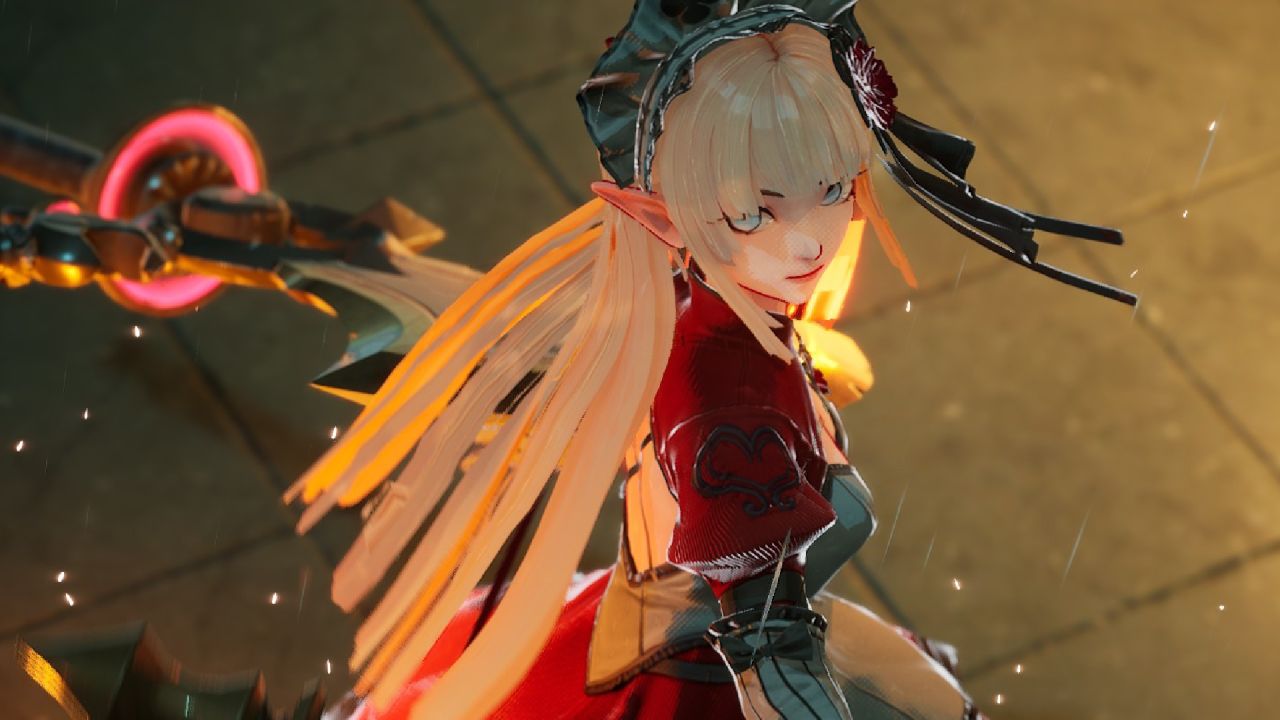
To judge Mahou Arms fairly, its final release should be separated from years of unrealized ambitions. Version 1.0 is the game players can experience today, not the one once promised. Viewed on its own merits, it delivers a complete single-player adventure that succeeds through focused design and polished combat rather than half-finished ideas.
The world is on the verge of collapse, but magical girls have a refreshingly down-to-earth goal.
The story is set in a future where humanity is on the verge of extinction at the hands of a superior alien force known as the Locks. The old ways of military resistance have failed, and now the magical girls are all that stands between humanity and total annihilation at the hands of an enemy bent on wiping out civilization. The unlikely premise blends fantasy spectacle with dystopian alien menace to create a world where colorful transformation is set against the grim realities of an unwinnable war.
Mahou Arms does not present its heroines as invulnerable champions, but as soldiers carrying more than they can bear. Between combat missions, players can speak with allies aboard the Vanaheim carrier and in the surviving settlements, offering a few moments of reflection before returning to battle.
These quieter moments mirror the themes of companionship and healing, reminding players that hope is as important as winning the next fight. The story struggles to juggle its many influences at times. Military jargon, emotional character beats, fan service, and big science fiction don't always mix well, and some scenes lose some of their intended impact because of this.
A kind of honesty is honest in those contradictions, though. When the story is centered on the emotional toll borne by its protagonists, rather than on spectacle alone, it exposes a far more compelling and intimate side of its world.
The most emotional moments are from the people behind the transformations.
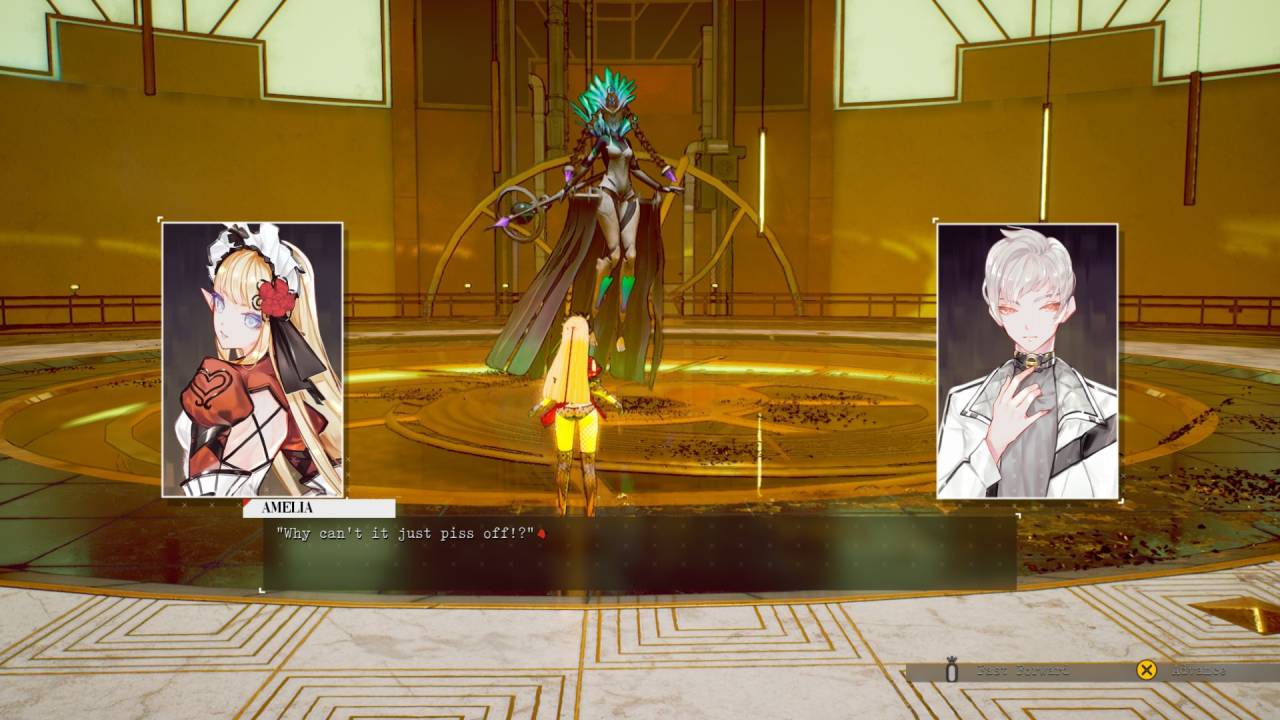
For all the drama of Mahou Arms' premise, it rarely feels most interesting when it has its biggest battles. Rather, the story is more successful in terms of its core cast, exploring how ordinary people deal with extraordinary expectations. Amelia and Susan are defined not just by their ability to fight, but by the emotional pressure of constantly fighting a war that offers very little certainty.
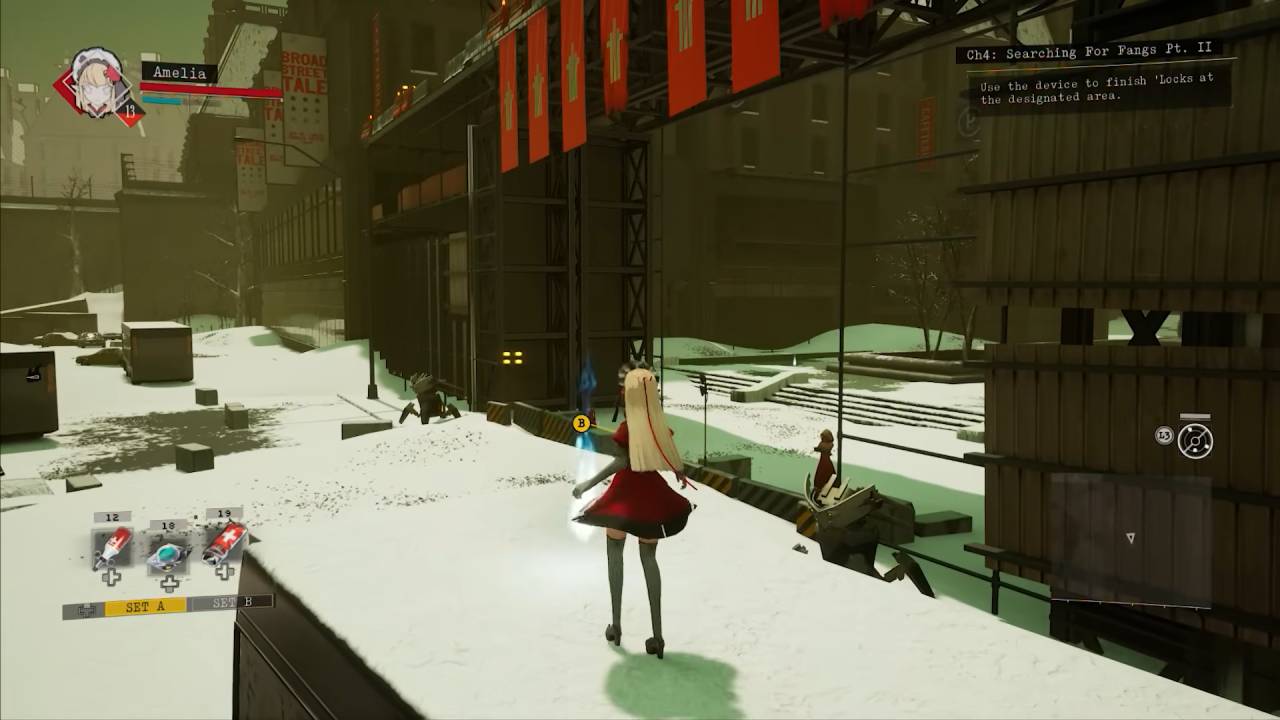
That human perspective helps to set the game apart from many other anime-inspired adventures. The game's visual narrative elements really hammer this home by giving you opportunities to hang out with your companions outside active missions. Few of them exist merely to deliver exposition, providing small insights into personalities, relationships, and motivations that gradually strengthen the overall cast.
The social systems are more limited than they could have been, but still provide enough character development to make later story moments feel emotionally grounded. Not every conversation is memorable, and some exchanges read as functional rather than naturally written.
However, the game remains easy to invest in the overall cast, as they are always presented as individuals and not archetypes. That feeling of vulnerability is one of Mahou Arms' greatest narrative strengths, allowing its blend of fantasy, military conflict, and emotional storytelling to resonate even when the larger plot occasionally loses focus.
Each encounter is quick and expressive, with room for creativity.
Combat is certainly the crux of Mahou Arms. It's a hack-and-slash system that incentivizes experimentation far more than just aggression. Every battle encourages players to mix light and heavy attacks, throw enemies into the air, weave spells into lengthy combos, and keep momentum going with precise movement.
Combat isn't button mashing, but rather good timing, adaptability, and a willingness to try out the full range of each character's arsenal of moves. Amelia and Susan may be fighting on the same battlefield, but they fight very differently. Amelia likes to hit hard and slow, favoring a big impact over a fast one.
At the same time, Susan's dragon claw allows her to close distances quickly, pull enemies towards her, and maintain a constant offense. Jumping from one heroine to the other never feels like putting on a different skin, as each heroine has a different rhythm that naturally pushes players to mix up their approach throughout the campaign.
One of the things the combat system does best is how fluid character swapping feels. Players can swap between Amelia and Susan while attacks are still in progress so one character's abilities can keep connecting while the other immediately extends the combo.
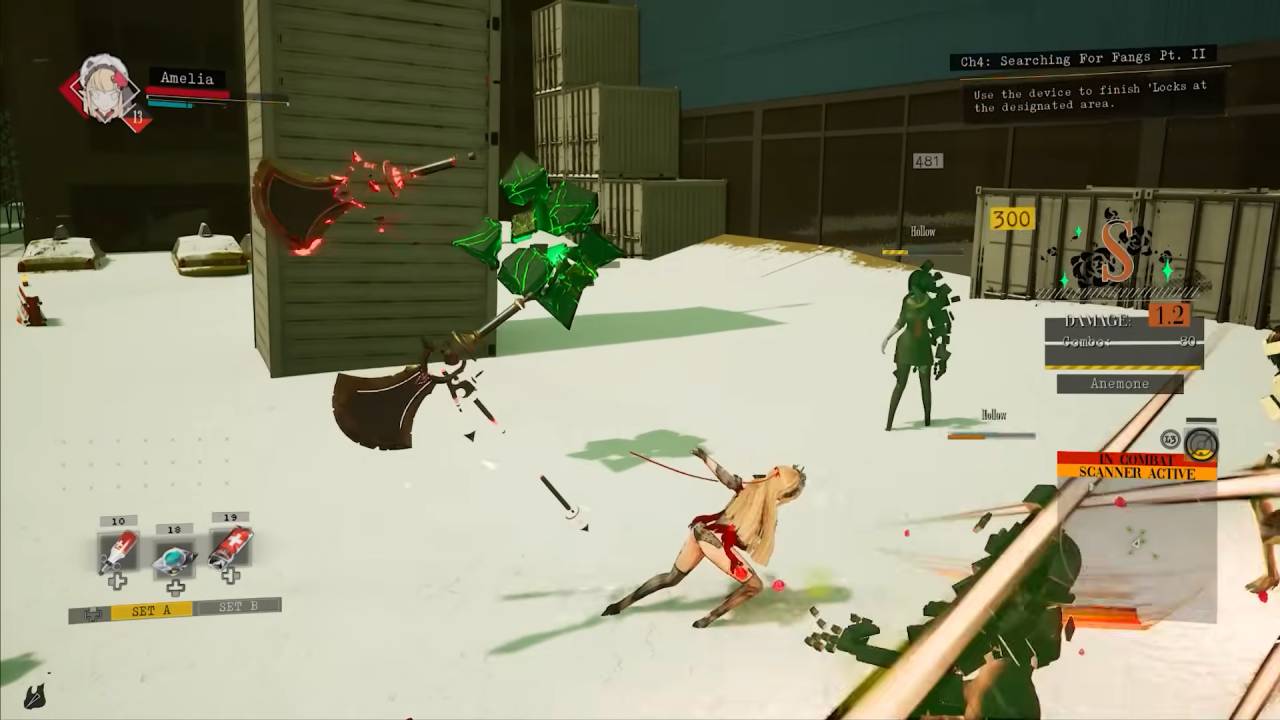
This silky flow provides nice opportunities for improvisation, turning encounters into stylish displays of coordination rather than isolated attacks one after another. It's a mechanic that rewards practice, but never feels overly complicated.
Progression should be meaningful and promote mastery, not just numbers.
Progression isn't just getting better gear; skill trees give you upgrades that actually change the feel of combat, not just increase the numbers of damage. Some abilities change the behavior of spells, some give a reward for well-timed defense, or enhance certain offensive tactics.
These improvements slowly broaden the arsenal of each character, prompting players to try out different combinations rather than sticking to a single reliable routine for the whole adventure. Combat is built around expression, not rigid optimization, so progression feels connected to personal improvement as well as stats.
Sure, learning new skills helps you be more effective, but knowing how to dodge, juggle in the air, and counter at the right time can have an even bigger impact on hard fights. That balance makes success feel earned through growing familiarity with the combat system, rather than simply leveling up or getting better gear.
Several alternative gameplay sequences help break up the campaign's overall structure. Drone races, cyberspace battles, and parts where you shoot from a train are a nice change of pace between major combat encounters, so the adventure doesn't become too predictable.
These diversions, while simple enough compared to the core combat mechanics, offer enough variety to keep the overall experience fresh throughout its nine-chapter campaign.
Enemy encounters don't always take full advantage of the impressive combat system.
As mechanically deep as it is, Mahou Arms sometimes has a hard time creating enemies that can stand up to the player's ever-increasing powers. Standard enemies are often little more than chances to practice lengthy combos, offering little resistance once players get used to the controls.
It's satisfying enough to send them off in a visually pleasing way, but many of the encounters lack the tactical requirements to show off the flexibility of the combat system. Bigger enemies and bosses usually have more resistance, but sometimes that extra durability is used as a replacement for truly interesting encounter design.
Some battles don't teach you new behaviors or encourage new strategies, but instead ask you to repeat familiar attack patterns for longer periods of time. That said, the mechanics behind combat are fantastic, and yet combat can feel a bit lackluster at times.
This is where having a deep moveset and constantly designing encounters to take advantage of that moveset differ. These shortcomings notwithstanding, the combat rarely ceases to be fun, as the core mechanics are always rewarding. Tossing enemies into the air, extending combos by switching characters, and dodging incoming attacks perfectly still feel satisfying long after the opening chapters.
There's no denying the foundation is solid, and more enemy variety would have taken the experience even higher. However, the expressive combat system is still the most compelling reason to keep playing the game.
The presentation's identity lies at the intersection of military science fiction and magical girl spectacle.
Mahou Arms knows where to direct its visual attention. The anime-inspired character designs, transformation sequences, elaborate costumes, and impactful combat effects make Amelia and Susan memorable throughout the campaign. Every swing, every dodge, every spell feels meaningful enough to keep the combat visually interesting, keeping the action exciting even in longer fights where the mechanics start to feel repetitive.
The environments, on the other hand, are less consistent. Ruined towns, military bases, and icy city streets effectively create a world ravaged by an ongoing alien invasion. Still, a few locations lack the visual density to be truly memorable. Exploration isn't just there for the fun of it.
It's not there to make you want to stick around and explore every nook and cranny of the map. It's more a setting for the combat. But the overall presentation of the game creates a unique personality by mashing together seemingly contradictory ideas.
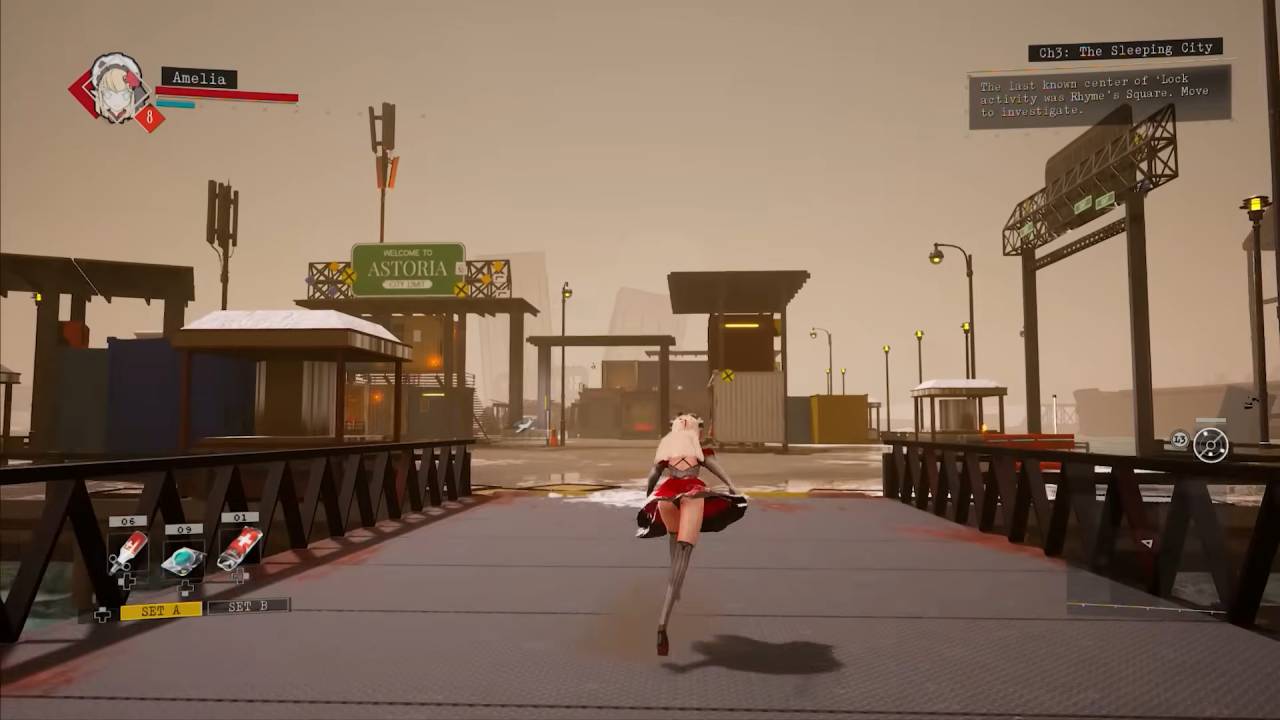
The elements of bright magical girl transformations, somber military settings, overt fan service, and bleak science fiction rarely go well together, but together they forge an identity that feels familiar. Mahou Arms doesn't shy away from those contrasts; it embraces them, creating a world that's strange enough to set it apart from many modern action games.
Technical improvements have made version 1.0 feel much more complete than it did in its early years.
After years in Early Access, Version 1.0 brings a ton of quality-of-life improvements that really enhance the overall experience. Features like multiple save slots, autosaves, input remapping, achievement support, and numerous interface tweaks make the game feel much more polished than previous builds.
These additions won't make headlines on their own, but collectively they add up to a smoother, more reliable single-player experience. Performance is generally good on recommended hardware, but there are still some inconsistencies. There are some slowdowns in some areas, and minor technical glitches can still interrupt the exploration or combat.
Thankfully, most of the progression blockers and other nastier issues that affected previous versions have been addressed, allowing players to focus on the campaign without concern for major technical disruptions. Since this is a new Version 1.0, its long-term reputation has not yet fully settled.
Players' first impressions are mixed: some are happy with the combat system, while others are disappointed by the game's narrowed scope. Those differing opinions are understandable but should be seen in the context of a project that changed significantly over its lengthy development, rather than as a universally accepted consensus.
Mahou Arms succeeds by accepting the game it became, rather than chasing the game it once promised.
Judging Mahou Arms solely based on comparing its final release to unrealized ambitions would be easy, but that doesn't tell the whole story of what the finished game actually does. Beneath its uneven pacing, simplified socialization systems, and occasional repetition lies an engaging, character-driven action-adventure built on expressive combat and an emotionally grounded cast.
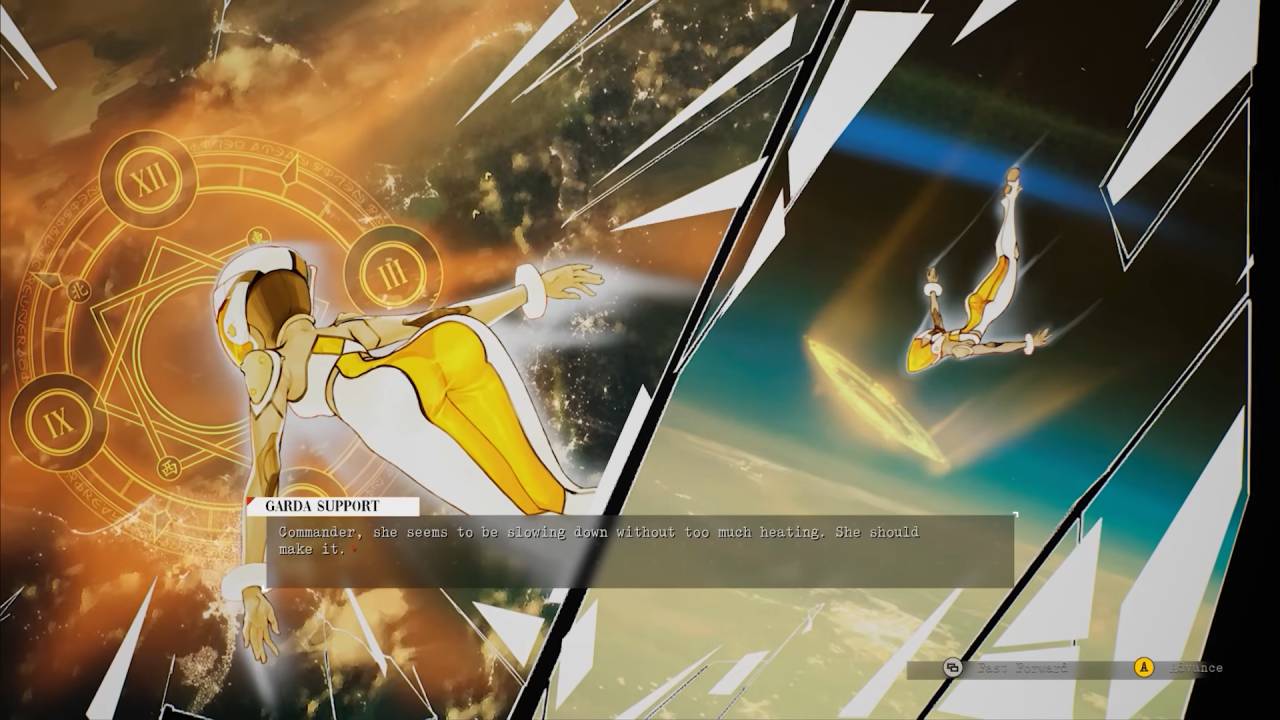
The result may be smaller than you originally envisioned, but it's certainly a lot more cohesive thanks to that focused direction. Players expecting a sprawling action RPG full of sprawling social mechanics and infinite progression may be disappointed, especially if those early promises set the bar.
"Those who come to Version 1.0 on its own terms will find a tight campaign backed up by satisfying combat, meaningful character interactions, and a world that manages to balance fantasy with military science fiction successfully." Not perfect, but it always knows what it wants to be.
In the end, Mahou Arms is less an unrealized dream than a resolute compromise that made it across the finish line against long odds. Its rough edges are hard to miss, but they rarely get in the way of moments when its confidence shines through. For fans of anime-inspired combat games who prefer expressive gameplay to sheer scale, it offers a distinctive and surprisingly memorable experience.
Senior Editor, NoobFeed
Verdict
Mahou Arms delivers rewarding character-action combat, engaging heroines, and heartfelt storytelling despite uneven pacing, repetitive encounters, and a smaller scope than originally envisioned.
72
Related News
No Data.