
Nintendo Switch Sports Resort Review
Nintendo Switch 2
Nintendo brings back the best parts of its motion-controlled sports games, adds new ways to play, and makes Wuhu Island the perfect place to gather your friends.
Reviewed by Maisie Scott on Oct 26, 2026
Nintendo has spent years proving that you don't need complicated controls, an elaborate story, or an enormous open world to make a game enjoyable. Sometimes, all you need is a pair of motion controllers, a television, and friends willing to make fools of themselves.
The original Wii Sports captured that idea back in 2006, turning simple movements into virtual tennis matches, bowling competitions, and plenty of unforgettable living-room moments. Its straightforward approach helped make motion-controlled gaming accessible to people who might never have picked up a traditional controller.
Since then, Nintendo has continued experimenting with sports games, eventually bringing the concept to the Switch with Nintendo Switch Sports. However, while that game delivered some familiar activities, it still needed a more complete package. Nintendo Switch Sports Resort feels like an attempt to do exactly that, combining familiar favorites with new sports and a greater focus on exploring and enjoying the experience with others.
It offers 12 sports to try, ranging from traditional activities that have been part of Nintendo's motion-controlled history to more unusual additions that use the Joy-Con's different capabilities. Some are immediately accessible, while others take patience and practice before you get comfortable with the controls. The biggest difference is how everything comes together.
With its selection of sports, competitive modes, single-player progression, and leisure activities, Nintendo Switch Sports Resort feels more cohesive than its predecessor.
It isn't perfect, and a few missing features hold it back from reaching its full potential. Still, if you like challenging your friends, celebrating an unlikely victory, and blaming the game whenever you lose, you'll still have plenty to enjoy here.
Unlike games built around a central narrative, Nintendo Switch Sports Resort doesn't need a complicated story to keep you interested. Instead, the experience revolves around its resort setting and the activities available across the island. Wuhu Island serves as the backdrop for several leisure sports, letting you explore its surroundings on land, in the water, and in the air. It gives the game a sense of place beyond simply selecting an activity from a menu and immediately jumping into a match.
The island also brings together the game's different ways to play. You can spend your time competing against friends, taking on increasingly difficult computer-controlled opponents, or simply enjoying the freedom to travel around the environment. No dramatic plot pushes you forward, but it doesn't need one.
The appeal comes from choosing what you want to do and seeing where the next match takes you.
For anyone who grew up with Wii Sports, the nostalgia is immediate. You recognize the basic idea of swinging your arm to hit a ball or moving your wrist to control a bowling shot, but the new activities give you reasons to experiment rather than simply repeat old routines.
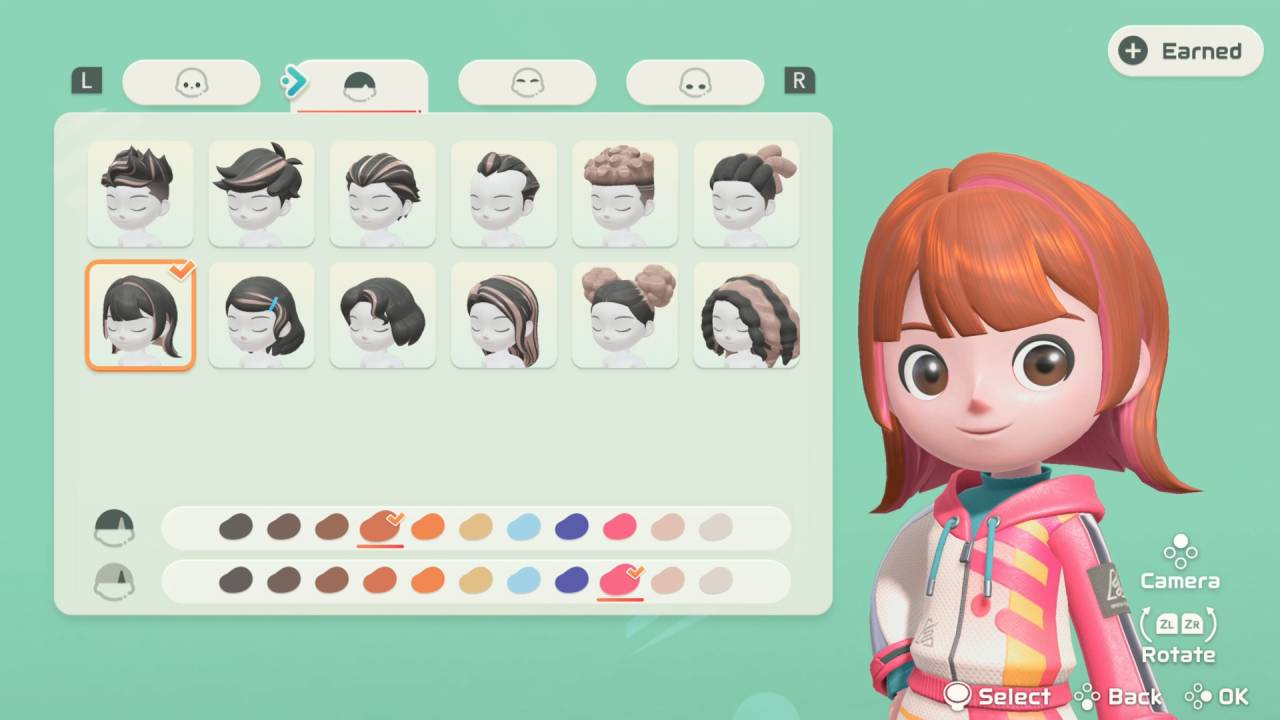
Nintendo has also brought back Miis alongside its newer avatars, letting you keep the familiar faces that made the original games so memorable. If you prefer your opponents to look like the characters you've created yourself, you can even make the computer-controlled competitors use Miis.
The game's 12 sports are the main attraction, and the variety makes a noticeable difference.
Tennis, bowling, golf, boxing, volleyball, basketball, table tennis, archery, thumb wrestling, Prop Plane, skateboarding, and Power Cruising each offer a different way to use the Joy-Con. Traditional sports mostly rely on physical gestures, while leisure activities introduce more unusual controls and give you a break from constantly swinging your arms.
Most of the traditional sports are easy to understand, even if mastering them takes longer. Tennis is a good example. You swing the Joy-Con like a racket, timing your movements to return the ball and outsmart your opponent. The controls are easy enough for new players to pick up, but matches get competitive once you start paying attention to timing and positioning.
There's something especially satisfying about beating someone who's had the better of you in another sport for the last few minutes.
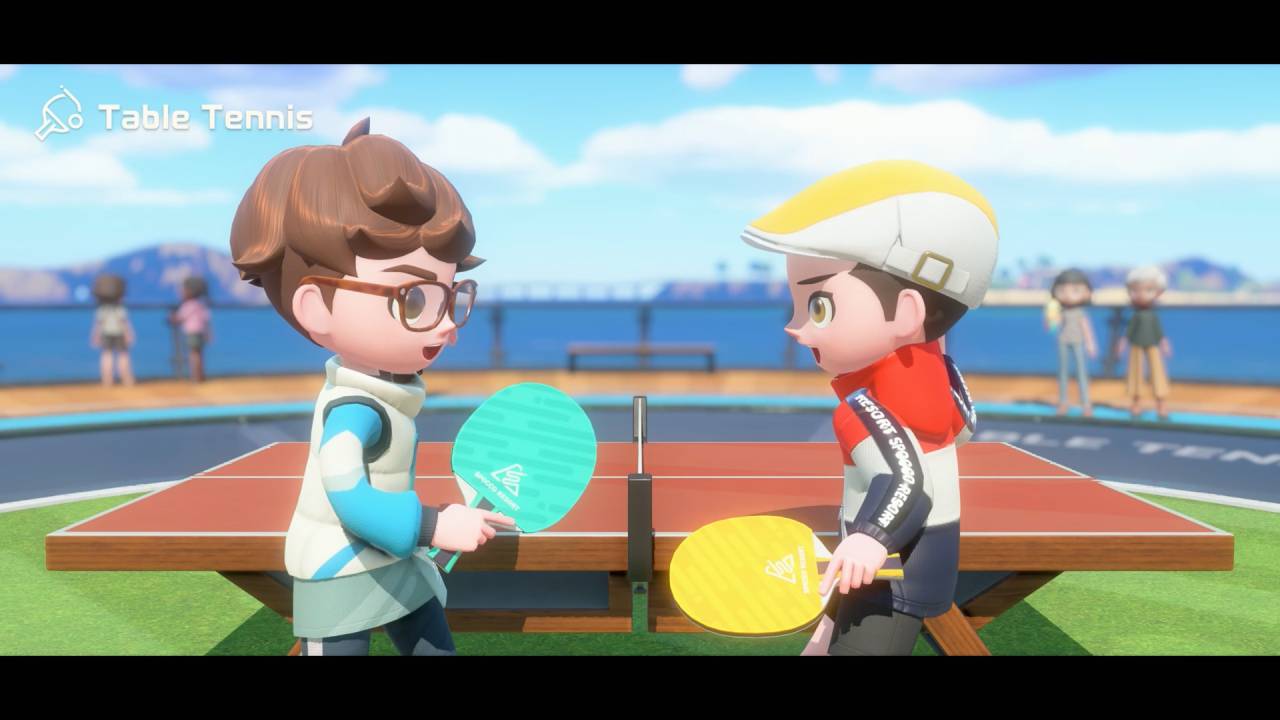
Table tennis was just the thing to do. It's easy to blame the controls when your shots aren't going where you want them, but watching another player use the same mechanics successfully makes it clear that practice matters. Sometimes, you simply aren't very good at table tennis, and that's fine. The fun comes from the back-and-forth competition and the banter that follows every point.
Bowling is another familiar favorite, and Nintendo wisely avoids changing what already works. You still raise your arm and swing forward to send the ball down the lane, but the available modes give you more ways to compete.
Some add obstacles you must navigate around, while simultaneous bowling lets everyone play without waiting their turn. The return of 100-pin bowling is another welcome addition. Even if you don't have a good enough overall performance to win, it's still satisfying to knock down all those pins in a single frame.
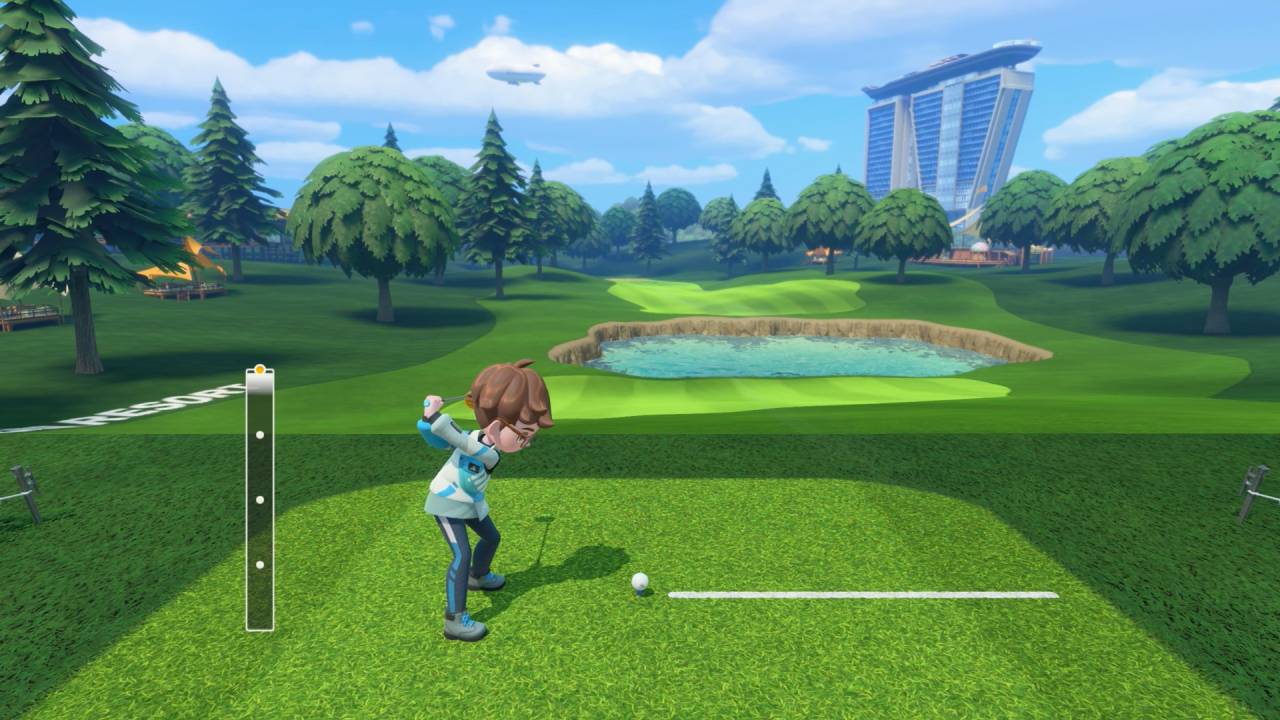
Golf is a slower alternative if your arms get tired. You swing the Joy-Con like a golf club, and your approach to each shot depends on your stance and swing angle. Beginners can focus on the basic motion, while experienced players can use the controller's tilt to refine their technique. The range of courses and their varying difficulties also help keep the sport interesting.
It is one of the more relaxed activities in the collection, making it a useful change of pace between more energetic matches.
Boxing takes things in the opposite direction. Players who missed it will welcome its return after its absence from Switch Sports, and its comeback offers plenty of opportunities to throw punches until your arms start to complain. You use physical movements to attack and defend, with dodges, blocks, and left and right hooks giving you different ways to approach a match. The stamina gauge adds another layer of strategy, making you think about your actions instead of just wildly swinging until your opponent goes down.
Of course, that doesn't mean you will always play with strategy. But sometimes the temptation to swing for the fences is too great, and the result is a sloppy match that ends in defeat. When you're caught up in the excitement, boxing can feel less exact, but that's part of the draw, too—the energy. Sometimes you don't want to play a perfect game; you just want to have fun.
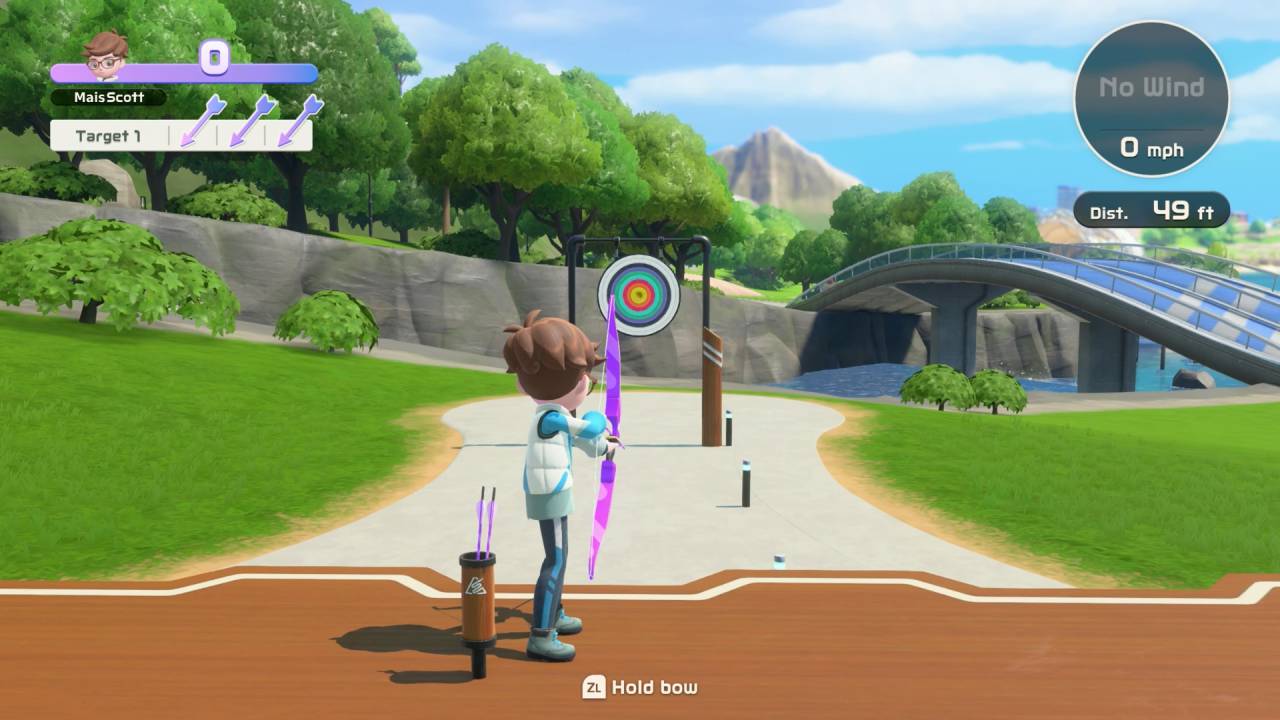
Archery is a more measured experience.
You hold a Joy-Con in each hand; lift one arm to aim, and pull the other back like you're drawing a bow. It's not just point-and-shoot at a target; the motion makes it feel more involved, and with things like wind and changing target arrangements, you have more to think about.
The secret is patience to get your aim right, and the physical motions help sell the feeling of drawing and releasing an arrow. The controllers' HD Rumble also adds useful feedback, simulating bowstring tension and making the action feel more tangible.
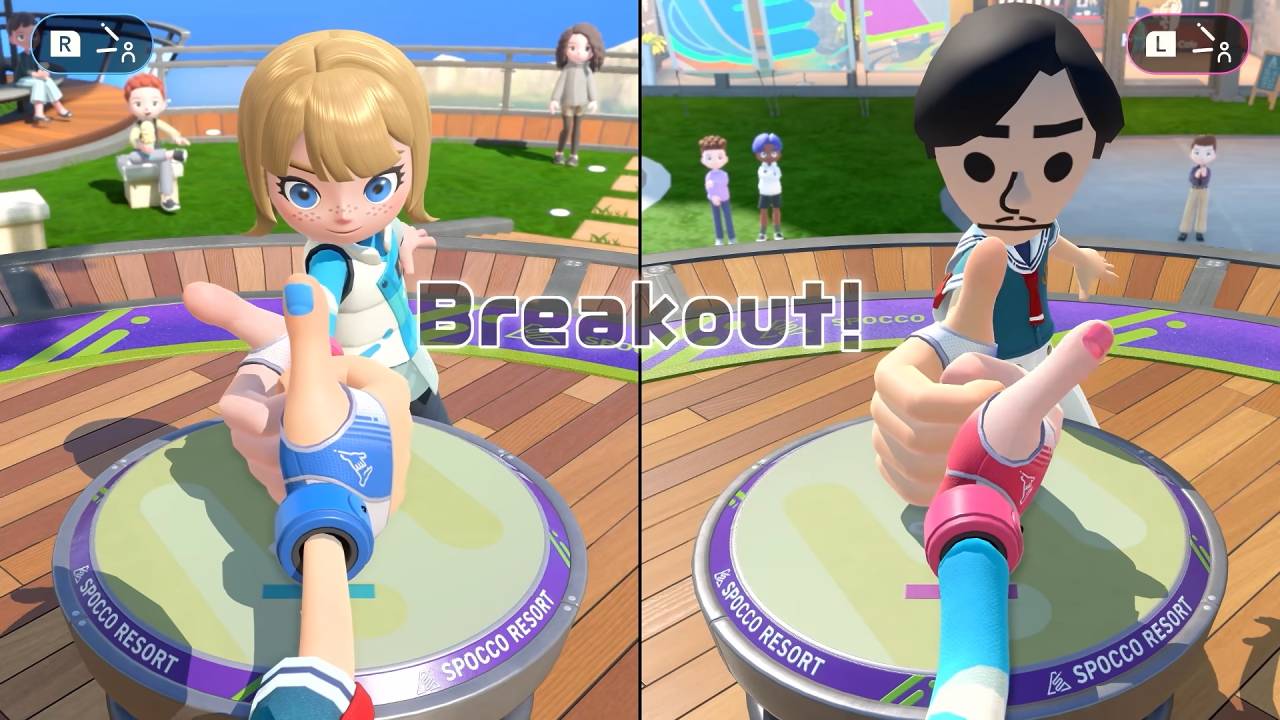
Thumb wrestling is one of the stranger additions, but it proves that Nintendo can still find fresh ideas within a familiar sports collection. The concept sounds simple, yet the competition can become surprisingly tactical. Its unusual presentation also shows the game's willingness to embrace silliness rather than take every event seriously.
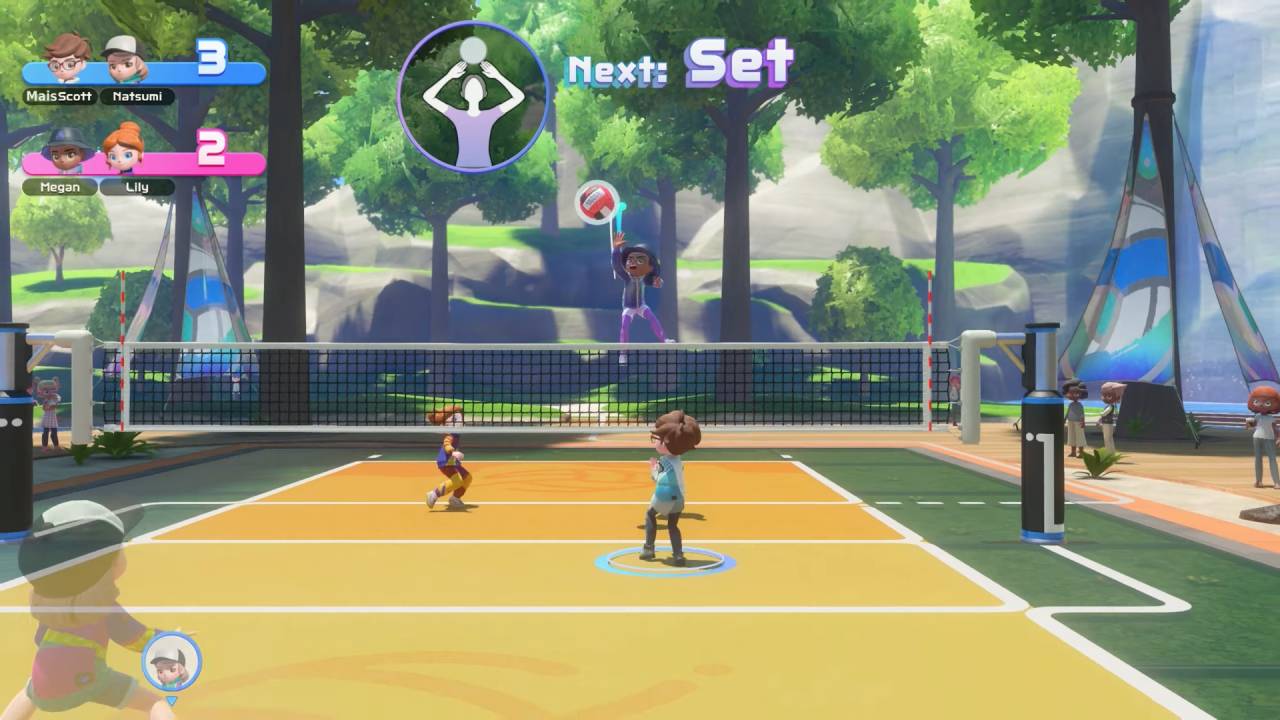
Volleyball and basketball require more effort to learn. Both sports also involve a series of moves that depend on where you are and what your teammates do, rather than just swinging familiarly. Volleyball is almost like a dance. You go from receiving the ball to setting up an attack, to blocking your opponent's shot. You have to raise your arms at the right moment for every move, so you have to learn the sequence.
Basketball is the same, but with more movement depending on your role.
It can take time for everyone to get the hang of the controls, especially if you're playing with a group that just wants to jump into a match. But once you start talking to your teammate and passing the ball instead of running to the basket all the time, the game starts to make sense. It's rewarding to work together to create a shot opportunity because the outcome is more than just waving the controllers around.
The tutorials for these sports are slow, especially for people who have never played before. Fortunately, both have easier modes that let you jump in without learning every move immediately. Basketball has modes that focus on shooting hoops, while volleyball has a rhythm-based mode where you time your movements to the beat. Basketball's Five Streak Battle is a fun mode where you make five shots in a row while three other opponents shoot at the same time. It creates tension without requiring everyone to master the full sport first.
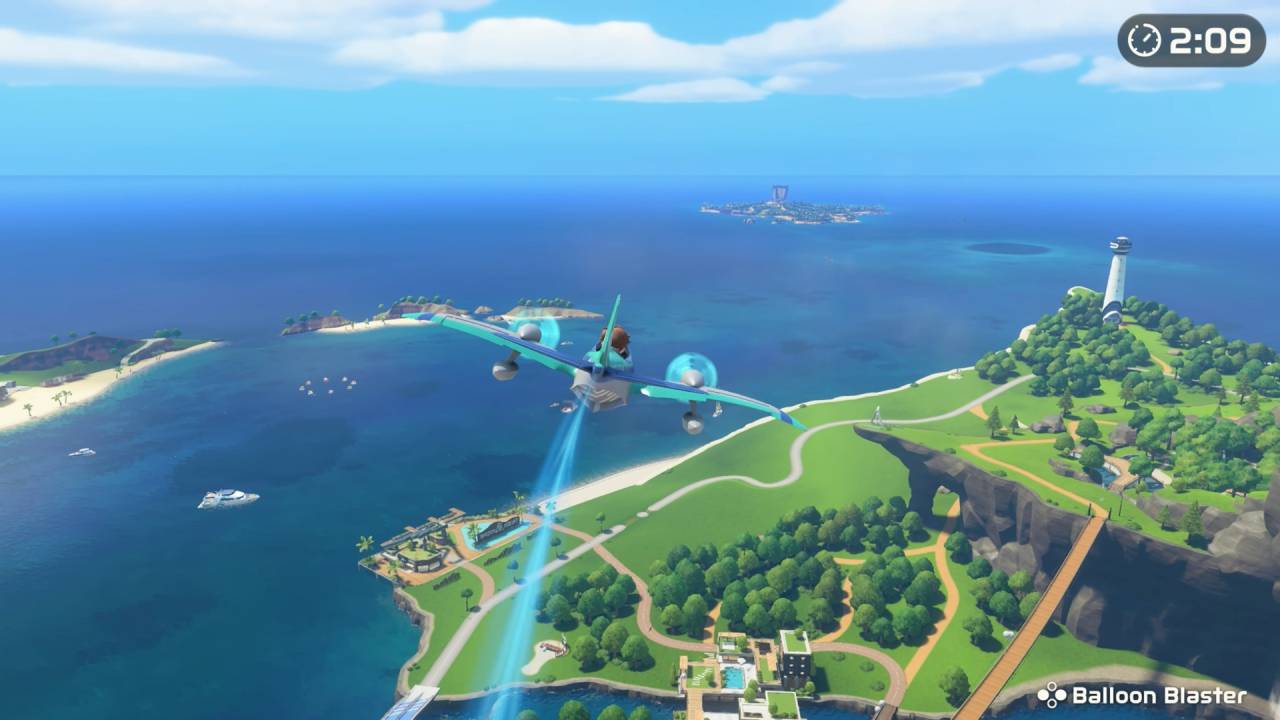
The remaining three activities lean toward a more relaxed style of play, helping distinguish Nintendo Switch Sports Resort from a collection built entirely around traditional sports. Prop Plane lets you control an aircraft by holding the Joy-Con like a paper plane. You guide it through the open environment, using hand movements to change direction and pull off tricks.
The simple control scheme feels like playing with toys as a child, and the controller responds to your imagination.
When you're skateboarding, you use the Joy-Con's mouse function to slide it along a surface like you're pushing a skateboard. It has a different rhythm than tennis or bowling, and the competitive courses give you a reason to learn to handle your board.
As you advance, the tracks add speed boosts, sharper turns, and tougher sections. Racing down a narrow mountain path alongside an opponent can be especially exciting, with little room for mistakes as you try to stay ahead.
Power Cruising puts you on a jet ski, using a Joy-Con in each hand as handlebars. You steer with your movements and twist the right controller to trigger a boost. An optional control scheme also lets you play with a single Joy-Con, which is handy if you prefer a simpler setup. Power Cruising has competitive courses, like skateboarding, that get harder the farther you go, adding depth to the sport that its casual presentation may not initially suggest.
Each of the three recreational sports has sightseeing modes so that you can see Wuhu Island from different angles. With the Prop Plane, you can fly through the air; with skateboarding, you can skate across the land; and with Power Cruising, you can cruise on the water. But the activities are fun because they encourage you to mess around with the controls, not just try to win. They also have the fun, playful spirit that made Nintendo's earlier motion-controlled games appealing in the first place.
However, the leisure sports have one of the game's most noticeable limitations.
Their competitive modes are fun, but you can't compete against CPU opponents, and you can't play any of the leisure sports online. That means their appeal depends heavily on having other people available to play with you. Traditional sports avoid this problem with Island Crown, a tournament-style mode where you climb the rankings by defeating increasingly difficult computer-controlled opponents.
Island Crown gives the game a more substantial single-player option. Each sport has an ultimate opponent to overcome, and these characters bring their own personalities to the matches through their quips and advice. Winning earns you additional accessories and items for customizing your avatar, giving you a reason to keep progressing beyond simply completing another match. You can also play tennis, volleyball, and basketball cooperatively in this mode, letting you bring a friend along as you work through the competition.
Avatar customization doesn't feel dramatically different from Switch Sports, but it doesn't need to.
You can still choose how your character looks and unlock additional items as you play. Meanwhile, the option to replace CPU opponents with Miis is a welcome touch for anyone who prefers Nintendo's older character designs. Playing the game with familiar Miis instead of the newer, more polished avatars adds another layer of nostalgia without changing how the game plays.
The presentation enhances the experience without disturbing it. The focus is on clean environments, recognizable sports actions, and animations that make your movements easy to follow. Wuhu Island serves as a permanent backdrop for the leisure activities, and the different courses and sporting environments keep it from feeling repetitive. The new avatars look different from the Miis, but both fit the game's lighthearted atmosphere.
The Joy-Con's HD Rumble also comes in handy, especially when you need physical feedback. Archery benefits from the feeling of drawing a bow, and the different control schemes make each leisure sport feel distinct. Instead of having you repeat the same arm movements across all 12 events, the game offers different ways to interact with the environment.
The audio is a nice touch, especially when you're playing with friends and seeing the results.
The game's appeal isn't a complex soundtrack or a complicated plotline; its presentation leaves ample room for the real entertainment: the people sitting next to you. The laughter, arguments over questionable shots, and celebrations after a narrow victory often become just as memorable as the matches themselves.
That social experience remains the strongest reason to play Nintendo Switch Sports Resort. The motion controls have been part of Nintendo's games for years, so the novelty of moving your arms in front of a screen may have faded.
Yet there's still something enjoyable about watching a simple gesture translate into on-screen action, especially when the outcome surprises you. Even Prop Plane can spark that sense of wonder when you realize how much you can do with a simple hand movement.
The game isn't without its shortcomings.
The volleyball and basketball tutorials can interrupt the pace when you're playing with newcomers, while the leisure sports would benefit from CPU opponents and online multiplayer. The missing Chambara, badminton, and disc golf from earlier entries may also disappoint returning players. Those omissions are noticeable, but the 12-activity selection still offers enough variety to make the overall package feel complete.
Ultimately, Nintendo Switch Sports Resort understands what makes this kind of game work. You don't need to be good at every sport, and you don't need to take the competition seriously. You can win a tennis match after repeatedly losing at table tennis, take time to explore the island, or challenge friends who can make five shots of basketball in a row. Each activity gives you another reason to pick up the Joy-Con and try again.
Whether you are a long-time fan who remembers playing the original Wii Sports, a parent looking for something to enjoy with your kids, or just someone who wants a fun game for a gathering, Nintendo Switch Sports Resort has something to offer. It might leave your arms sore the following morning, but that's part of the experience. Nintendo has brought together familiar favorites and new ideas in a package that feels more complete and offers more reasons to keep playing than Switch Sports did.
Editor, NoobFeed
Verdict
Nintendo Switch Sports Resort is a lively collection of classic and new activities that makes motion-controlled gaming fun again. Despite a few missing features, it's best enjoyed with friends and family.
86
Related News
No Data.